

 Preservatives(food)
 Flavor Enhancers
 Acidulants
 Sweeteners
 Antioxidants
 Colorants(food)
 Nutraceutical Ingredients (food)
 Nutrient Supplements
 Emulsifiers
 Collectors
 Dust Suppressants
 Explosives and Blasting Agents
 Flocculants and Coagulants
 Frothers
 Leaching Agents
 pH Modifiers
 Precious Metal Extraction Agents
 Antioxidants(plastic)
 Colorants (Pigments, Dyes)
 Fillers and Reinforcements
 Flame Retardants
 Monomers
 Plasticizers
 Polymerization Initiators
 Stabilizers (UV, Heat)
 Antifoaming Agents
 Chelating Agents
 Coagulants and Flocculants
 Corrosion Inhibitors
 Disinfectants and Biocides
 Oxidizing Agents
 pH Adjusters
 Scale Inhibitors( water)
 Antioxidants(cosmetic)
 Emollients
 Fragrances and Essential Oils
 Humectants
 Preservatives
 Surfactants(cosmetic)
 Thickeners
 UV Filters
 Fertilizers
 Soil Conditioners
 Plant Growth Regulators
 Animal Feed Additives
 Biostimulants
 Pesticides (Herbicides, Insecticides, Fungicides)
 Active Pharmaceutical Ingredients (APIs)
 Excipients
 Solvents(pharmaceutical)
 Antibiotics
 Antiseptics and Disinfectants
 Vaccine Adjuvants
 Nutraceutical Ingredients (pharmaceutical)
 Analgesics & Antipyretics
 Analytical Reagents
 Solvents(lab)
 Chromatography Chemicals
 Spectroscopy Reagents
 microbiology-and-cell-culture-reagents
 Molecular Biology Reagents
 Biochemical Reagents
 Inorganic and Organic Standards
 Laboratory Safety Chemicals
 Specialty Laboratory Chemicals(Special Laboratory Equipment)
 Demulsifiers
 Hydraulic Fracturing Fluids
 Scale Inhibitors(oil)
 Surfactants(oil)
 Drilling Fluids
 Dyes and Pigments
 Bleaching Agents
 Softening Agents
 Finishing Agents
 Antistatic Agents
 Admixtures
 Waterproofing Agents
 Sealants and Adhesives
 Curing Compounds
 Concrete Repair Chemicals
 Anti-Corrosion Coatings
 Surfactants(cleaning)
 Builders
 Enzymes
 Solvents (Cleaning)
 Fragrances
 Electronic Chemicals
 Catalysts
 Lubricants
 Photographic Chemicals
 Refrigerants
 Automotive chemicals
 Pyrotechnic Chemicals
 Biodegradable Surfactants
 Bio-based Solvents
 Renewable Polymers
 Carbon Capture Chemicals
 Wastewater Treatment Chemicals
 Pigments
 Solvents(paint)
 Specialty Coatings
 Binders/Resins
 Additives
 Driers
 Anti-Corrosion Agents
 Functional Coatings
 Application-Specific Coatings
 Leavening Agents
 Dough Conditioners
 Flour Treatments
 Fat Replacers
 Decoratives
 Preservatives(baking)
 Plasticizers & Softeners
 Reinforcing Agents
 Adhesion Promoters
 Vulcanizing Agents
 Antidegradants
 Blowing Agents
 Fillers & Extenders
 Accelerators & Retarders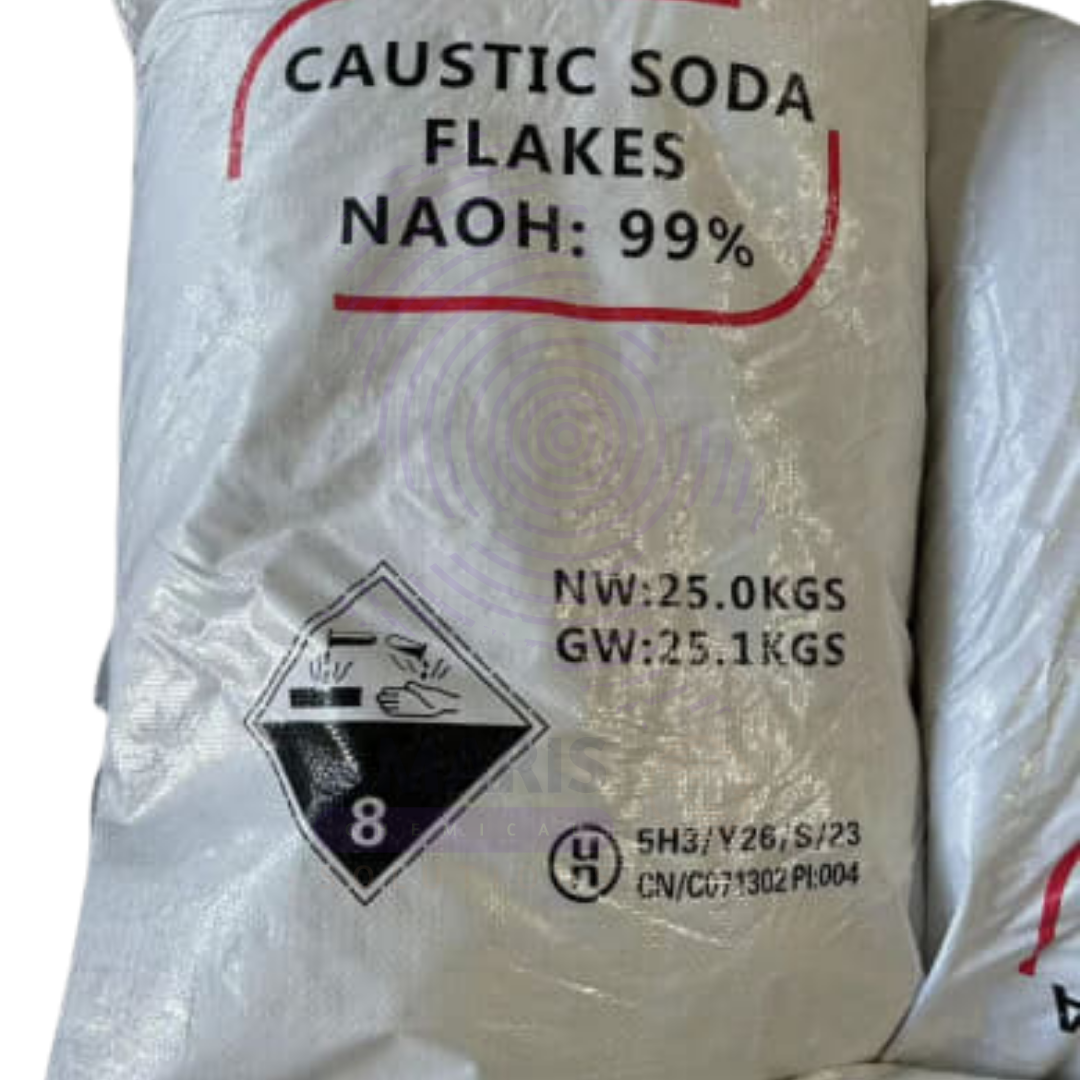


Caustic Soda Flakes (Sodium Hydroxide)
Original price was: $ 1.65.$ 1.55Current price is: $ 1.55.
Caustic Soda Flakes, also known as Sodium Hydroxide Flakes (NaOH), are a highly alkaline, white, solid substance that is crystalline and flaky in form. Produced by evaporating aqueous sodium hydroxide solutions, these flakes are highly soluble in water and exhibit strong corrosive properties. Caustic Soda Flakes are widely used in a variety of industrial, chemical, and manufacturing processes due to their strong alkalinity, ability to saponify fats, and effectiveness in pH adjustment. Their high purity and ease of handling in flake form make them suitable for use in chemical synthesis, pulp and paper production, water treatment, and detergent manufacturing.
Caustic Soda Flakes (Sodium Hydroxide)
Primary Uses
- Chemical Industry
- Used as a fundamental raw material in the manufacture of soaps, detergents, and cleaning agents by saponifying fats and oils.
- Serves as a critical reactant in the production of chemicals such as sodium hypochlorite, sodium phosphate, and various sodium salts.
- Utilized in pH regulation and neutralization processes across many chemical manufacturing operations.
- Pulp and Paper Industry
- Employed in the pulping process to break down lignin and separate cellulose fibers, aiding in paper production.
- Used in bleaching and chemical recovery processes to improve paper quality and efficiency.
- Water Treatment
- Adjusts and controls pH in municipal and industrial wastewater treatment plants.
- Aids in the removal of heavy metals and neutralization of acidic wastes.
- Detergents & Cleaning Products
- Acts as a powerful cleaning and degreasing agent in industrial and household detergent formulations.
- Used in drain cleaners and oven cleaners for its ability to dissolve organic matter and fats.
Secondary Uses
- Food Industry
- Used as a food additive (E524) in controlled amounts as a pH regulator and peeling agent for fruits and vegetables, e.g., in the processing of olives and cocoa.
- Employed in the production of caramel color and in refining edible oils.
- Textile Industry
- Utilized in the mercerization process to treat cotton fibers, improving dye uptake, strength, and luster.
- Petroleum Industry
- Used in refining crude oil and neutralizing acidic components.
- Aluminum Production
- Applied in the Bayer process for extracting alumina from bauxite ore.
1. Basic Identification Attributes
- Chemical Name (IUPAC): Sodium hydroxide
- Common/Trade Name: Caustic Soda Flakes
- CAS Number: 1310-73-2
- HS Code: 2815.12.00
- Molecular Formula: NaOH
- Synonyms:
- Sodium Hydroxide Flakes
- Lye Flakes
- Caustic Soda
2. Physical & Chemical Properties
- Physical State: Solid flakes
- Color & Odor: White; odorless
- Melting Point: 318°C (604°F)
- Boiling Point: Decomposes before boiling
- Density: ~2.13 g/cm³ (solid)
- Solubility:
- Highly soluble in water (exothermic dissolution)
- Insoluble in organic solvents
- pH (1% aqueous solution): Approximately 14 (strongly alkaline)
- Stability: Stable under dry conditions; reacts vigorously with water and acids
3. Safety & Hazard Attributes
- Hazard Class (GHS): Skin corrosion/irritation (Category 1A)
- NFPA Ratings:
- Health: 3
- Flammability: 0
- Reactivity: 1
- Exposure Limits: OSHA PEL: 2 mg/m³ (ceiling)
- Toxicity: Corrosive; causes severe burns on contact with skin or eyes
- Reactivity: Highly reactive with acids, water, and some metals; exothermic reaction with water
4. Storage & Handling Attributes
- Storage Conditions: Store in a cool, dry, well-ventilated area, away from moisture and incompatible substances (e.g., acids, organic materials).
- Container Type: Corrosion-resistant containers such as polyethylene drums or coated steel drums.
- Shelf Life: Indefinite if stored properly (dry and sealed).
- Special Handling: Use full PPE; handle with care to avoid contact and inhalation of dust or mist.
5. Regulatory & Compliance Attributes
- FDA Status: Approved as a food additive (E524) under strict conditions
- REACH Status: Registered
- Transportation: Classified as a hazardous material (UN1823 or UN1824 depending on form)
- Waste Disposal: Dispose of according to local hazardous waste regulations; neutralize before disposal.
6. Environmental & Health Impact
- Ecotoxicity: Highly toxic to aquatic life due to high pH; must be neutralized before discharge.
- Persistence: Does not bioaccumulate; rapidly neutralizes in the environment.
- Bioaccumulation: Not applicable
- Carcinogenicity/Mutagenicity: Not classified as carcinogenic or mutagenic
- Biodegradability: Not biodegradable (inorganic chemical)
Safety Handling Precautions
Personal Protective Equipment (PPE):
- Chemical-resistant gloves (e.g., neoprene, nitrile)
- Protective goggles or face shield
- Long-sleeved protective clothing
- Respiratory protection when dust or mist is present
Handling Measures:
- Avoid inhalation of dust and contact with skin and eyes
- Use in well-ventilated areas
- Keep away from acids and incompatible materials
Storage Measures:
- Keep containers tightly sealed
- Store in dry conditions to prevent caking and reaction with moisture
- Implement spill containment procedures
Hygiene Practices:
- Wash hands and exposed skin thoroughly after handling
- Do not eat, drink, or smoke in the work area
First Aid Measures
- Inhalation: Move to fresh air immediately; seek medical attention if symptoms occur.
- Skin Contact: Rinse immediately with copious water for at least 15 minutes; remove contaminated clothing; seek urgent medical care.
- Eye Contact: Flush eyes with water continuously for at least 15 minutes; seek immediate medical attention.
- Ingestion: Do not induce vomiting; rinse mouth and seek immediate medical help.
Firefighting Measures
- Fire Hazards: Non-flammable, but reacts violently with water and acids generating heat.
- Extinguishing Media: Use dry chemical, CO₂, or foam on adjacent fires; do not use water directly on caustic soda to avoid violent reaction.
- Special Precautions: Firefighters should wear full protective gear and self-contained breathing apparatus.
- Decomposition Products: May release toxic fumes of sodium oxides and hydrogen gas when in contact with metals.
Related products
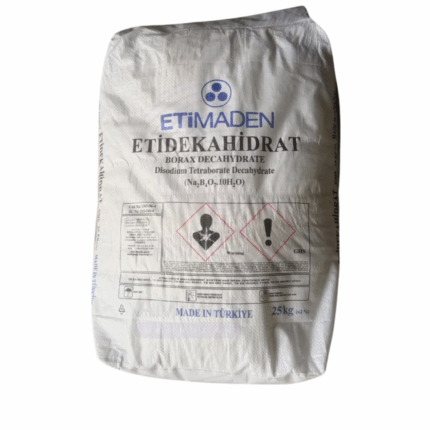
Borax Decahydrate
Borax Decahydrate, also known as sodium tetraborate decahydrate, is a naturally occurring mineral and an important inorganic compound. It appears as colorless or white crystalline granules or powder with a salty, alkaline taste. This compound is widely used in detergents, cosmetics, glass manufacturing, agriculture, and various industrial applications due to its excellent buffering, emulsifying, and antiseptic properties. The “decahydrate” indicates that each molecule of borax contains ten water molecules bound in its crystal structure, contributing to its crystalline appearance and physical properties.
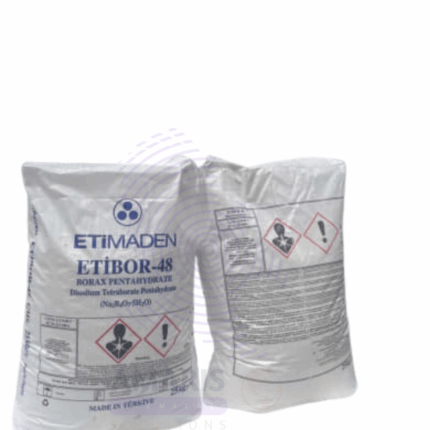
Borax Pentahydrate
Borax Pentahydrate (sodium tetraborate pentahydrate) is an inorganic compound and a hydrated form of borax. It typically appears as colorless to white crystalline granules or powder. This compound contains five molecules of water of crystallization per formula unit, distinguishing it from other borax hydrates such as the decahydrate form. Borax Pentahydrate is widely used across industries including detergents, glass production, agriculture, and cosmetics, valued for its buffering capacity, emulsification, and antiseptic properties. It is soluble in water and exhibits alkaline properties in aqueous solution.

Calcium Chloride
Calcium Chloride is an inorganic salt composed of calcium and chlorine with the chemical formula CaCl₂. It typically appears as a white crystalline solid or granular powder, highly soluble in water and exhibiting strong hygroscopic properties. Calcium Chloride is widely used for its moisture-absorbing ability, de-icing, dust control, and as a firming agent in food processing. It finds extensive applications across industrial, pharmaceutical, agricultural, and food sectors due to its efficacy in modifying physical and chemical properties of products and environments.
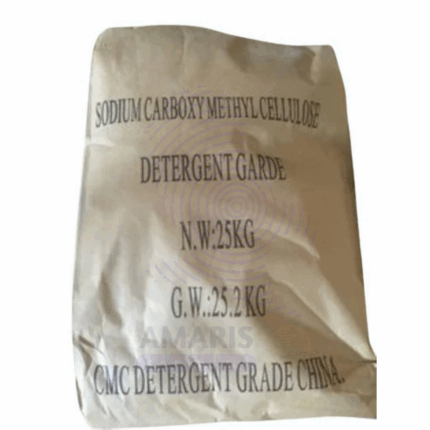
Carboxymethyl Cellulose Detergent Grade
Carboxymethyl Cellulose Detergent Grade is a water-soluble cellulose derivative produced by the etherification of cellulose with monochloroacetic acid. It is a fine, white to off-white powder with excellent thickening, stabilizing, and water retention properties. The detergent grade of CMC is specifically tailored to meet the requirements of laundry and cleaning formulations, offering superior dispersing and anti-redeposition performance. It is biodegradable, non-toxic, and widely used as a functional additive to enhance cleaning efficiency and fabric care in detergent products. Its excellent compatibility with surfactants and enzymes makes it an essential ingredient in both powder and liquid detergents.
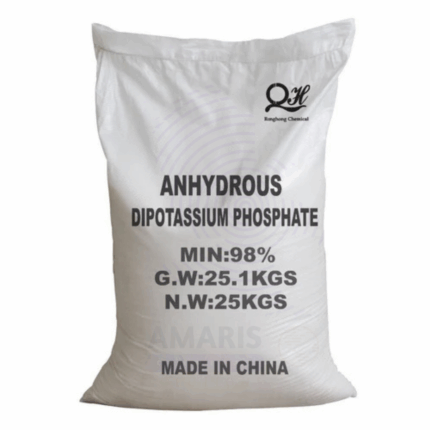
Dipotassium Hydrogen Phosphate
Dipotassium Hydrogen Phosphate (also known as dipotassium phosphate, DKP) is an inorganic salt used widely as a buffering agent, emulsifier, and nutritional supplement in various industries. It is a white, crystalline, highly water-soluble powder with alkaline properties. DKP plays a vital role in food processing, pharmaceuticals, water treatment, and agriculture due to its ability to stabilize pH, improve texture, and supply essential potassium and phosphate ions.
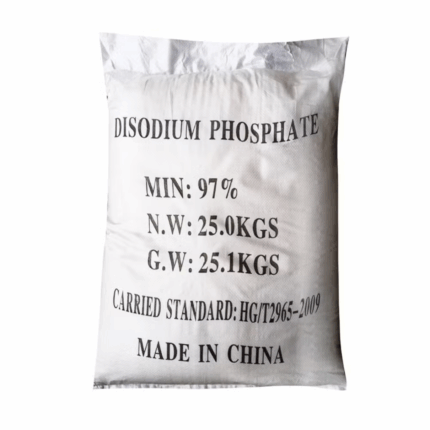
Disodium Phosphate
Disodium Phosphate, also known as sodium phosphate dibasic, is an inorganic compound widely used for its buffering, emulsifying, and chelating properties. It commonly appears as a white, odorless crystalline powder or granules that are highly soluble in water and alkaline in nature. Disodium Phosphate plays a vital role in regulating pH, improving stability in formulations, and providing essential sodium and phosphate ions. It finds extensive use across food processing, pharmaceuticals, water treatment, agriculture, and industrial applications.
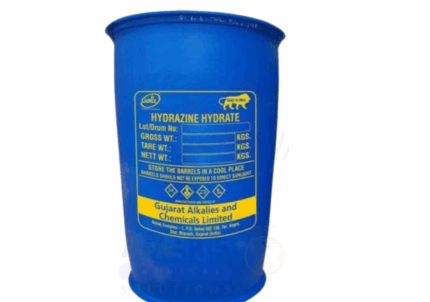
Hydrazine Food Grade
Hydrazine Food Grade is a high-purity form of hydrazine (N₂H₄), a highly reactive, colorless, and fuming liquid with a pungent ammonia-like odor. It is a powerful reducing agent and chemical intermediate widely used in industrial applications. The food-grade specification ensures purity and controlled impurity levels suitable for limited and specialized food industry uses, primarily as a processing aid or sterilizing agent. Hydrazine exhibits strong nucleophilic and reducing properties, enabling various chemical transformations and sterilization processes.
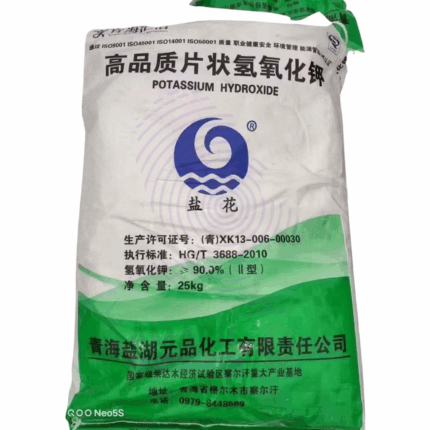
Potassium Hydroxide
Potassium Hydroxide is a highly concentrated, caustic alkaline chemical available as a solid (pellets, flakes) or concentrated aqueous solution. It is a strong base widely used in industrial processes, chemical manufacturing, and as a reagent. Potassium Hydroxide provides excellent neutralizing, saponifying, and cleaning properties and is essential in producing potassium soaps, biodiesel, fertilizers, and various chemical compounds. Its high purity and concentration (90%) make it suitable for demanding applications requiring strong alkalinity.












