

 Preservatives(food)
 Flavor Enhancers
 Acidulants
 Sweeteners
 Antioxidants
 Colorants(food)
 Nutraceutical Ingredients (food)
 Nutrient Supplements
 Emulsifiers
 Collectors
 Dust Suppressants
 Explosives and Blasting Agents
 Flocculants and Coagulants
 Frothers
 Leaching Agents
 pH Modifiers
 Precious Metal Extraction Agents
 Antioxidants(plastic)
 Colorants (Pigments, Dyes)
 Fillers and Reinforcements
 Flame Retardants
 Monomers
 Plasticizers
 Polymerization Initiators
 Stabilizers (UV, Heat)
 Antifoaming Agents
 Chelating Agents
 Coagulants and Flocculants
 Corrosion Inhibitors
 Disinfectants and Biocides
 Oxidizing Agents
 pH Adjusters
 Scale Inhibitors( water)
 Antioxidants(cosmetic)
 Emollients
 Fragrances and Essential Oils
 Humectants
 Preservatives
 Surfactants(cosmetic)
 Thickeners
 UV Filters
 Fertilizers
 Soil Conditioners
 Plant Growth Regulators
 Animal Feed Additives
 Biostimulants
 Pesticides (Herbicides, Insecticides, Fungicides)
 Active Pharmaceutical Ingredients (APIs)
 Excipients
 Solvents(pharmaceutical)
 Antibiotics
 Antiseptics and Disinfectants
 Vaccine Adjuvants
 Nutraceutical Ingredients (pharmaceutical)
 Analgesics & Antipyretics
 Analytical Reagents
 Solvents(lab)
 Chromatography Chemicals
 Spectroscopy Reagents
 microbiology-and-cell-culture-reagents
 Molecular Biology Reagents
 Biochemical Reagents
 Inorganic and Organic Standards
 Laboratory Safety Chemicals
 Specialty Laboratory Chemicals(Special Laboratory Equipment)
 Demulsifiers
 Hydraulic Fracturing Fluids
 Scale Inhibitors(oil)
 Surfactants(oil)
 Drilling Fluids
 Dyes and Pigments
 Bleaching Agents
 Softening Agents
 Finishing Agents
 Antistatic Agents
 Admixtures
 Waterproofing Agents
 Sealants and Adhesives
 Curing Compounds
 Concrete Repair Chemicals
 Anti-Corrosion Coatings
 Surfactants(cleaning)
 Builders
 Enzymes
 Solvents (Cleaning)
 Fragrances
 Electronic Chemicals
 Catalysts
 Lubricants
 Photographic Chemicals
 Refrigerants
 Automotive chemicals
 Pyrotechnic Chemicals
 Biodegradable Surfactants
 Bio-based Solvents
 Renewable Polymers
 Carbon Capture Chemicals
 Wastewater Treatment Chemicals
 Pigments
 Solvents(paint)
 Specialty Coatings
 Binders/Resins
 Additives
 Driers
 Anti-Corrosion Agents
 Functional Coatings
 Application-Specific Coatings
 Leavening Agents
 Dough Conditioners
 Flour Treatments
 Fat Replacers
 Decoratives
 Preservatives(baking)
 Plasticizers & Softeners
 Reinforcing Agents
 Adhesion Promoters
 Vulcanizing Agents
 Antidegradants
 Blowing Agents
 Fillers & Extenders
 Accelerators & Retarders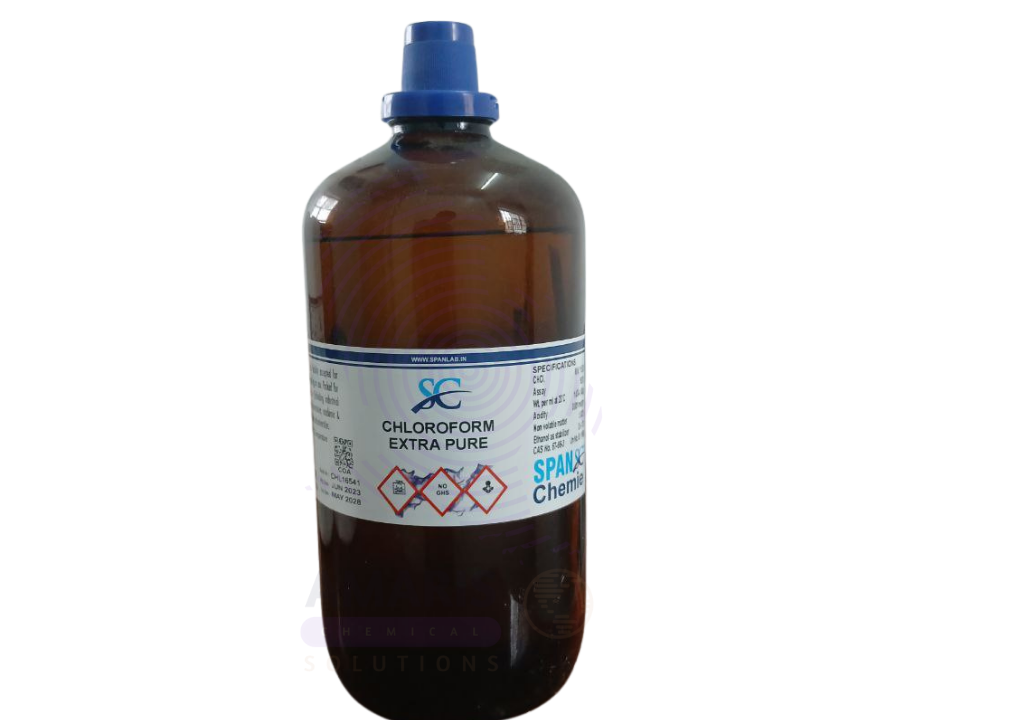
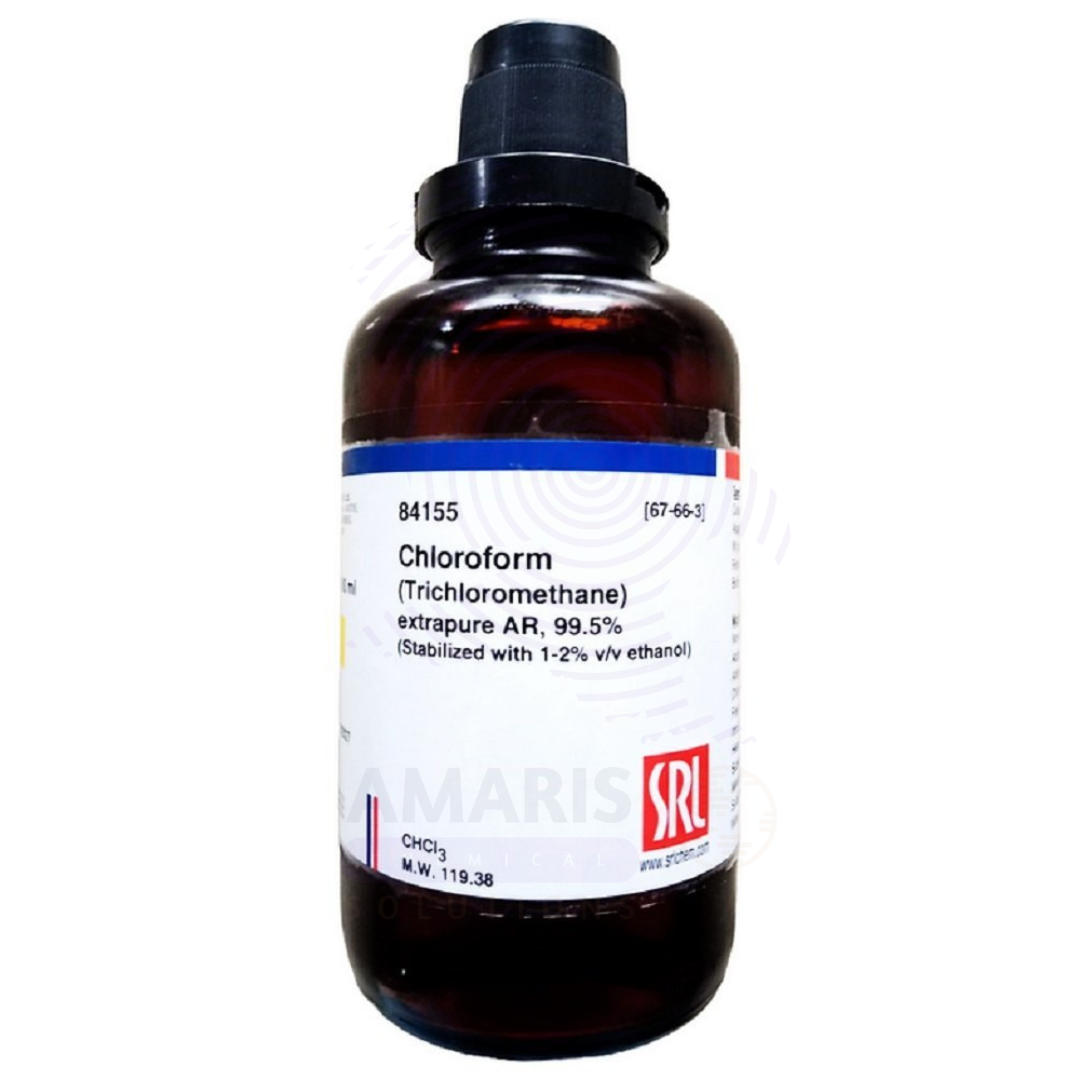

Chloroform Extra Pure
Original price was: $ 38.25.$ 38.12Current price is: $ 38.12.
Chloroform Extra Pure is a high-purity, colorless, and volatile liquid commonly used in laboratory environments as a solvent, reagent, and extraction medium. Due to its excellent solvency for fats, alkaloids, and other organic compounds, it plays a key role in organic synthesis, chromatography, and sample preparation. In molecular biology, it is frequently used in nucleic acid extraction protocols. The extra pure grade ensures low levels of impurities, making it suitable for analytical and research applications that demand high accuracy. It must be handled with proper ventilation, protective equipment, and stored away from light and heat to prevent decomposition and formation of toxic by-products like phosgene.
Chloroform Extra Pure
Primary Uses
- Organic Solvent for Extractions
- Widely used in liquid-liquid extraction, especially to isolate alkaloids, lipids, and other nonpolar compounds due to its high solubility for hydrophobic substances.
- DNA/RNA Extraction Reagent
- Essential in phenol-chloroform extraction protocols for separating nucleic acids from proteins in molecular biology labs.
- Reagent in Organic Synthesis
- Used in reactions involving halogenated intermediates, such as the Reimer–Tiemann reaction to form aromatic aldehydes from phenols.
- Sample Preparation for Spectroscopy
- Occasionally used to dissolve compounds before IR or NMR analysis when non-aqueous solvents are required.
Secondary Uses
- Cleaning Solvent in Analytical Labs
- Employed (with caution) for cleaning glassware or removing organic residues in delicate analytical setups.
- Solvent for Pesticide Residue Analysis
- Used in some GC-MS sample preps for dissolving or concentrating analytes from environmental or agricultural samples.
- Reference Material in Spectroscopy
- Chloroform-d (deuterated chloroform) is a standard solvent for ¹H and ¹³C NMR, but non-deuterated chloroform can also be used as a comparative solvent.
| PACK SIZE | 2.5 Litres Glass bottle |
|---|
1. Basic Identification Attributes
- Chemical Name: Chloroform
- CAS Number: 67-66-3
- HS Code: 2903.11.00
- Molecular Formula: CHCl₃
- Molecular Weight: 119.38 g/mol
- Synonyms: Trichloromethane, Methane trichloride
2. Physical & Chemical Properties
- Appearance: Clear, colorless, volatile liquid
- Odor: Sweet, ether-like
- Boiling Point: 61.2°C
- Melting Point: -63.5°C
- Density: 1.489 g/cm³ at 20°C
- Solubility: Slightly soluble in water (8 g/L), miscible with ethanol, ether, benzene
- Vapor Pressure: ~213 mmHg at 25°C
- Refractive Index: 1.4459 (at 20°C)
- Flash Point: Non-flammable (liquid), but vapors may decompose under flame
- Autoignition Temperature: 982°C
3. Safety & Hazard Attributes
- GHS Classification:
- H302: Harmful if swallowed
- H315: Causes skin irritation
- H319: Causes serious eye irritation
- H336: May cause drowsiness or dizziness
- H351: Suspected of causing cancer
- H361: Suspected of damaging fertility or the unborn child
- H373: May cause damage to organs through prolonged or repeated exposure
- NFPA Ratings:
- Health: 2
- Flammability: 1
- Reactivity: 0
- Exposure Limits:
- OSHA PEL: 50 ppm (TWA)
- ACGIH TLV: 10 ppm (TWA)
- First Aid Measures:
- Inhalation: Remove to fresh air; seek medical attention
- Skin/Eyes: Rinse immediately with water for at least 15 minutes
- Ingestion: Do NOT induce vomiting; seek immediate medical attention
4. Storage & Handling Attributes
- Storage Conditions:
- Store in a tightly sealed amber glass container
- Keep in a cool, dry, well-ventilated area away from light and heat
- Protect from air and moisture to prevent decomposition
- Container Type: Amber glass bottle with secure chemical-resistant cap
- Incompatible Materials: Alkalis, strong bases, reactive metals, strong oxidizers
- Stability: Light-sensitive; decomposes slowly in air and light to form phosgene (toxic)
- Shelf Life: ~2 years (with proper inhibitor and storage)
5. Regulatory & Compliance Attributes
- Transportation (UN Number):
- UN 1888 – Chloroform
- Class: 6.1 (Toxic Substances)
- Packing Group: III
- Waste Disposal Method:
- Dispose as hazardous waste in accordance with local regulations
- Do not pour down the drain or mix with incompatible substances
6. Environmental & Health Impact
- Ecotoxicity: Harmful to aquatic organisms; avoid environmental release
- Persistence: Volatile, not readily biodegradable
- Bioaccumulation: Low to moderate potential
- Carcinogenicity: IARC Group 2B – Possibly carcinogenic to humans
SAFETY PRECAUTIONS
- PPE Required:
- Lab coat
- Chemical-resistant gloves (e.g., Viton or nitrile)
- Safety goggles or face shield
- Use a certified chemical fume hood (strictly required)
- Handling:
- Handle in a well-ventilated area only inside a fume hood.
- Avoid inhalation, ingestion, and skin contact.
- Keep away from heat, sparks, and open flame.
- Storage:
- Store in tightly closed, amber glass containers.
- Keep in a cool, dry, well-ventilated area.
- Protect from light and moisture (may form phosgene when exposed to air/light).
- Store away from oxidizers, alkalis, and reactive metals.
FIRST AID MEASURES
- Inhalation:
- Move the person to fresh air immediately.
- Give oxygen if breathing is difficult.
- Seek urgent medical attention (chloroform is a CNS depressant).
- Skin Contact:
- Wash immediately with soap and plenty of water for at least 15 minutes.
- Remove contaminated clothing.
- Get medical help if irritation or pain persists.
- Eye Contact:
- Flush eyes thoroughly with water for at least 15 minutes.
- Lift eyelids occasionally.
- Seek immediate medical attention.
- Ingestion:
- Do not induce vomiting.
- Rinse mouth with water.
- Seek immediate medical attention (chloroform is toxic and hepatotoxic).
FIREFIGHTING MEASURES
- Flammability:
- Non-flammable but may decompose when heated to produce toxic gases (phosgene, HCl, CO).
- Suitable Extinguishers:
- Dry chemical
- Carbon dioxide
- Alcohol-resistant foam
- Fire Hazards:
- Containers may explode under high heat.
- Thermal decomposition may release phosgene gas (highly toxic).
- Firefighting Gear:
- Full protective gear and self-contained breathing apparatus (SCBA) mandatory.
- Full protective gear and self-contained breathing apparatus (SCBA) mandatory.
Related products
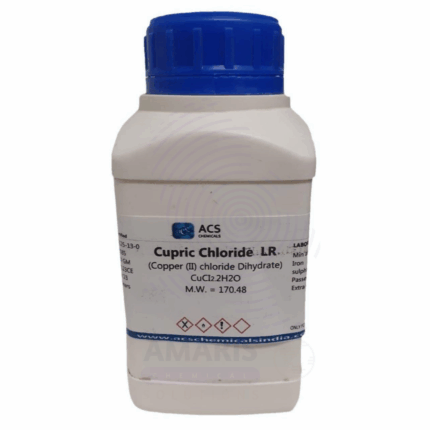
Cupric Chloride Extra Pure
Cupric Chloride Extra Pure is a green to yellowish crystalline compound widely used in laboratories as a catalyst, reagent, and source of copper ions in various chemical reactions. It plays a key role in organic synthesis, photochemical processes, and analytical chemistry procedures, especially for detecting reducing agents and halide ions. Its high solubility in water and alcohol allows for versatile application across wet-lab experiments. The extra pure grade ensures excellent reliability and minimal impurities, making it ideal for precision work in research and education. Store in a cool, dry place, protected from moisture and light to preserve its reactivity.
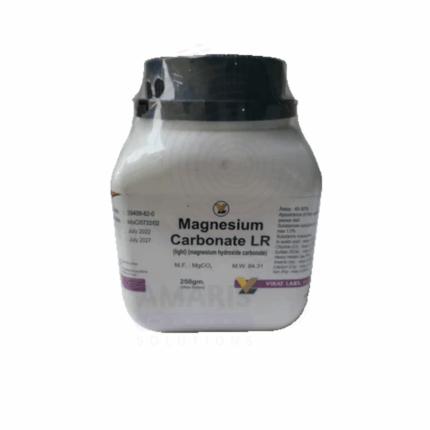
Magnesium Carbonate Extra Pure
Magnesium Carbonate Extra Pure is a high-purity, white powder valued for its excellent absorbent and antacid qualities. It is commonly used in pharmaceuticals as a magnesium supplement or antacid, and in food applications as a drying agent, anti-caking agent, or acidity regulator. In the cosmetics and personal care industry, it functions as a filler and a bulking agent in powders and creams. It is also employed in laboratory settings for analytical applications due to its consistent chemical composition. Its high absorbency and stability make it useful in rubber, ceramics, and sports grip products as well.
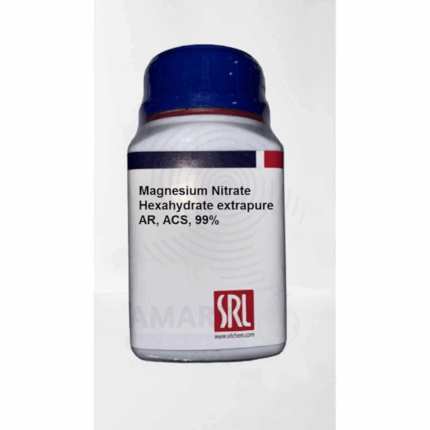
Magnesium Nitrate Hexahydrate Extra Pure
Magnesium Nitrate Hexahydrate Extra Pure is a crystalline compound known for its high solubility in water and exceptional purity, making it suitable for both laboratory and industrial applications. In analytical chemistry, it is commonly used as a reagent for preparing standard solutions and as a source of magnesium ions in various experimental procedures. Its oxidizing properties make it valuable in pyrotechnics and fertilizer formulations, where it provides essential nutrients for plant growth. This compound is also employed in ceramic production, textile treatments, and catalyst preparations, where a consistent, high-quality nitrate source is required. Its extra pure grade ensures minimal contamination, essential for high-precision work.
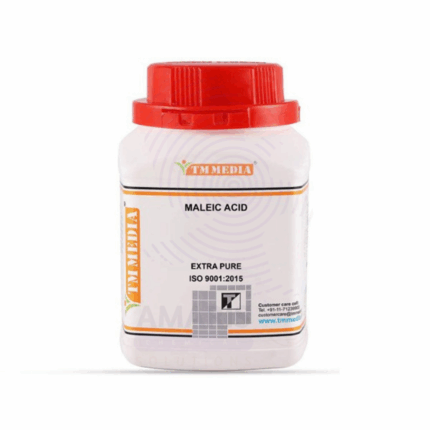
Maleic Acid Extra Pure
Maleic Acid Extra Pure is a high-purity organic compound valued for its strong acidic properties and wide range of laboratory and industrial applications. It appears as a white crystalline solid and is primarily used in organic synthesis, particularly in the production of polymers, resins, and plasticizers. In research laboratories, Maleic Acid serves as a buffering agent, a precursor to fumaric acid, and an intermediate in various chemical reactions. Its excellent solubility in water and compatibility with other reactants make it especially useful in biochemical and analytical procedures. The extra pure grade ensures minimal contamination, providing reliable results in sensitive experiments and high-precision manufacturing processes.
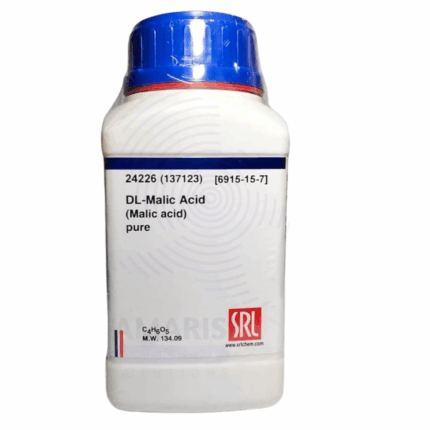
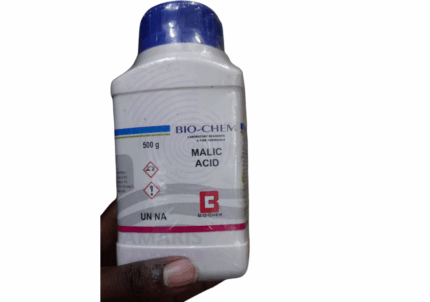
Malic Acid Extra Pure
Malic Acid Extra Pure is a high-grade, naturally occurring dicarboxylic acid known for its sharp, tart flavor and versatility in both laboratory and industrial settings. It is commonly found in fruits such as apples and is widely used as an acidulant in food and beverage formulations, where it enhances flavor, preserves freshness, and improves pH stability. In laboratory applications, Malic Acid is employed in biochemical research, particularly in studies involving the citric acid cycle, due to its role as an intermediate metabolite. Its excellent solubility in water and mild acidity also make it suitable for cosmetic formulations and pharmaceutical preparations. The extra pure grade ensures high analytical accuracy and consistent quality across applications requiring strict purity standards.
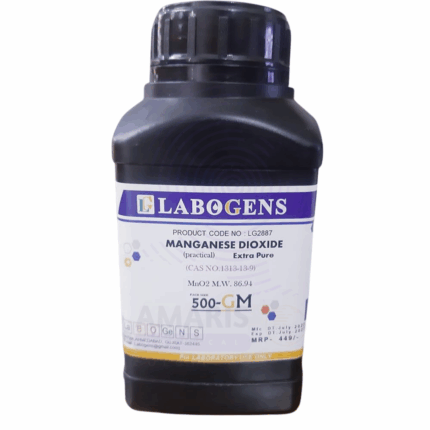
Manganese Dioxide Extra Pure
Manganese Dioxide Extra Pure is a high-purity, dark brown or black powder widely used in laboratories and industrial processes for its strong oxidizing properties. In analytical chemistry, it serves as an effective oxidizing agent and is often involved in the decomposition of hydrogen peroxide and other redox reactions. It is also used in the preparation of oxygen and chlorine gases in laboratory settings. Beyond the lab, manganese dioxide plays a crucial role in battery manufacturing, particularly in dry cell batteries, and in ceramics and glass production for coloring and decolorizing. Its consistent purity makes it ideal for sensitive experiments and formulations.

Manganous Dihydrogen Phosphate Extra Pure
Manganous Dihydrogen Phosphate Extra Pure is a high-purity, white to pale pink crystalline compound composed of manganese and phosphate ions. It is primarily used in analytical chemistry, research laboratories, and specialized industrial processes where a precise and reliable manganese source is required. This compound is valued for its solubility in water and its role as a reagent in studies involving nutrient uptake, coordination chemistry, and phosphate-related reactions. Additionally, it finds niche applications in fertilizers and micronutrient formulations, particularly in controlled agricultural studies. Its extra pure grade ensures minimal contamination, making it suitable for sensitive experiments and formulations.
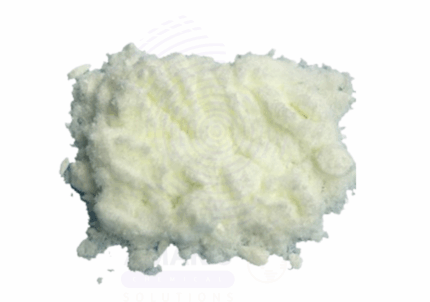
Methoxy Benzophenone Sulfonic Acid Extra Pure
Methoxy Benzophenone Sulfonic Acid Extra Pure is a high-purity, water-soluble organic compound primarily used as a UV filter in cosmetic and pharmaceutical formulations. This compound is valued for its ability to absorb harmful ultraviolet radiation, particularly in the UVB range, making it a key ingredient in sunscreens, lotions, and other personal care products requiring photo-stability. In laboratory settings, it is employed in research involving photochemistry and polymer stabilization. Its sulfonic acid group enhances water solubility, while the methoxy and benzophenone components provide strong UV-absorbing characteristics, ensuring effective and consistent performance in formulations demanding high safety and efficacy standards.












