

 Preservatives(food)
 Flavor Enhancers
 Acidulants
 Sweeteners
 Antioxidants
 Colorants(food)
 Nutraceutical Ingredients (food)
 Nutrient Supplements
 Emulsifiers
 Collectors
 Dust Suppressants
 Explosives and Blasting Agents
 Flocculants and Coagulants
 Frothers
 Leaching Agents
 pH Modifiers
 Precious Metal Extraction Agents
 Antioxidants(plastic)
 Colorants (Pigments, Dyes)
 Fillers and Reinforcements
 Flame Retardants
 Monomers
 Plasticizers
 Polymerization Initiators
 Stabilizers (UV, Heat)
 Antifoaming Agents
 Chelating Agents
 Coagulants and Flocculants
 Corrosion Inhibitors
 Disinfectants and Biocides
 Oxidizing Agents
 pH Adjusters
 Scale Inhibitors( water)
 Antioxidants(cosmetic)
 Emollients
 Fragrances and Essential Oils
 Humectants
 Preservatives
 Surfactants(cosmetic)
 Thickeners
 UV Filters
 Fertilizers
 Soil Conditioners
 Plant Growth Regulators
 Animal Feed Additives
 Biostimulants
 Pesticides (Herbicides, Insecticides, Fungicides)
 Active Pharmaceutical Ingredients (APIs)
 Excipients
 Solvents(pharmaceutical)
 Antibiotics
 Antiseptics and Disinfectants
 Vaccine Adjuvants
 Nutraceutical Ingredients (pharmaceutical)
 Analgesics & Antipyretics
 Analytical Reagents
 Solvents(lab)
 Chromatography Chemicals
 Spectroscopy Reagents
 microbiology-and-cell-culture-reagents
 Molecular Biology Reagents
 Biochemical Reagents
 Inorganic and Organic Standards
 Laboratory Safety Chemicals
 Specialty Laboratory Chemicals(Special Laboratory Equipment)
 Demulsifiers
 Hydraulic Fracturing Fluids
 Scale Inhibitors(oil)
 Surfactants(oil)
 Drilling Fluids
 Dyes and Pigments
 Bleaching Agents
 Softening Agents
 Finishing Agents
 Antistatic Agents
 Admixtures
 Waterproofing Agents
 Sealants and Adhesives
 Curing Compounds
 Concrete Repair Chemicals
 Anti-Corrosion Coatings
 Surfactants(cleaning)
 Builders
 Enzymes
 Solvents (Cleaning)
 Fragrances
 Electronic Chemicals
 Catalysts
 Lubricants
 Photographic Chemicals
 Refrigerants
 Automotive chemicals
 Pyrotechnic Chemicals
 Biodegradable Surfactants
 Bio-based Solvents
 Renewable Polymers
 Carbon Capture Chemicals
 Wastewater Treatment Chemicals
 Pigments
 Solvents(paint)
 Specialty Coatings
 Binders/Resins
 Additives
 Driers
 Anti-Corrosion Agents
 Functional Coatings
 Application-Specific Coatings
 Leavening Agents
 Dough Conditioners
 Flour Treatments
 Fat Replacers
 Decoratives
 Preservatives(baking)
 Plasticizers & Softeners
 Reinforcing Agents
 Adhesion Promoters
 Vulcanizing Agents
 Antidegradants
 Blowing Agents
 Fillers & Extenders
 Accelerators & Retarders


Clear Emulsion
Clear Emulsion is a transparent or translucent mixture of two immiscible liquids—typically oil and water—stabilized by emulsifying agents to form a stable, homogenous system. This product is widely used in cosmetics and personal care, pharmaceuticals, and specialty industrial applications due to its lightweight texture, ease of absorption, and aesthetic appeal. Clear emulsions offer a visually appealing, non-greasy feel with the advantages of both oil and water phases, delivering moisturizing, protective, and active ingredient-carrying benefits. Their clarity distinguishes them from traditional creamy emulsions, making them popular in modern skincare and cosmetic formulations.
Clear Emulsion
Primary Uses
- Cosmetics & Personal Care
- Used as a base for lightweight lotions, gels, and serums offering quick absorption without residue.
- Ideal for facial moisturizers, sunscreens, and after-sun products providing hydration with a non-greasy finish.
- Serves as a delivery vehicle for active ingredients such as vitamins, antioxidants, and botanical extracts.
- Used in hair care formulations like leave-in conditioners and styling gels for smooth application and shine.
- Pharmaceuticals
- Utilployed in topical formulations requiring clarity and non-oily feel, such as medicated gels and lotions.
- Suitable for transdermal drug delivery systems where enhanced skin penetration and patient compliance are critical.
- Used in wound care and dermatological preparations to deliver soothing and healing agents.
Secondary Uses
- Industrial Applications
- Utilized in transparent coatings and protective films for electronic devices and delicate surfaces.
- Used in specialty cleaning formulations where clear, non-streaking emulsions are desired.
- Food Industry (Limited)
- Occasionally used as a base for clear edible emulsions or flavor encapsulation in specialty food products.
- Research & Development
- Employed in formulation studies to develop new transparent emulsions with improved stability and performance.
1. Basic Identification Attributes
- Chemical Name (IUPAC): Not applicable (formulation product)
- Common/Trade Name: Clear Emulsion
- CAS Number: Not applicable (formulation)
- HS Code: Varies by formulation components
- Molecular Formula: Not applicable
- Synonyms: Transparent Emulsion; Clear Oil-in-Water Emulsion
2. Physical & Chemical Properties
- Physical State: Transparent or translucent liquid
- Color & Odor: Clear; typically odorless or lightly scented depending on additives
- pH: Usually 4.5 to 7.0 depending on formulation
- Viscosity: Low to moderate, fluid or gel-like depending on stabilizers
- Stability: Stable under normal storage conditions; requires proper emulsifiers and preservatives
3. Safety & Hazard Attributes
- Hazard Class (GHS): Depends on formulation; generally non-hazardous
- NFPA Ratings: Generally Health 0-1, Flammability 0, Reactivity 0
- Exposure Limits: Not established; avoid prolonged skin or eye contact with actives
- Toxicity: Generally low; depends on active ingredients included
- Reactivity: Stable when properly formulated
4. Storage & Handling Attributes
- Storage Conditions: Store in a cool, dry place away from direct sunlight and freezing temperatures
- Container Type: Plastic or glass containers with airtight caps to prevent contamination
- Shelf Life: Typically 12 to 24 months depending on preservatives and packaging
- Special Handling: Avoid contamination; use clean utensils and dispensing systems
5. Regulatory & Compliance Attributes
- FDA Status: Ingredients typically GRAS or approved cosmetic actives
- REACH Status: Depends on ingredients used in formulation
- Transportation: Non-hazardous under normal conditions
- Waste Disposal: Dispose according to local regulations; generally biodegradable
6. Environmental & Health Impact
- Ecotoxicity: Low, depending on formulation; biodegradable components preferred
- Persistence: Formulations typically designed for biodegradability
- Bioaccumulation: Low risk when using appropriate ingredients
- Carcinogenicity/Mutagenicity: None reported for typical cosmetic grades
- Biodegradability: Generally biodegradable when formulated with eco-friendly ingredients
Safety Handling Precautions
- PPE: Use gloves and eye protection if handling concentrated actives during formulation
- Handling: Avoid contamination and skin sensitization from actives
- Storage: Keep container tightly closed and away from extreme temperatures
- Hygiene: Wash hands after handling; avoid ingestion or eye contact
First Aid Measures
- Inhalation: Not typically hazardous; move to fresh air if irritation occurs
- Skin Contact: Rinse with water; seek medical advice if irritation develops
- Eye Contact: Flush with water for 15 minutes; seek medical attention if irritation persists
- Ingestion: Rinse mouth and drink water; seek medical help if large amounts ingested
Firefighting Measures
- Fire Hazards: Generally non-flammable; depends on oil phase concentration
- Extinguishing Media: Water spray, foam, dry chemical, or CO₂ as appropriate
- Special Precautions: Use appropriate protective equipment for active ingredients if present
- Decomposition Products: May release carbon oxides if exposed to high heat or fire
Related products
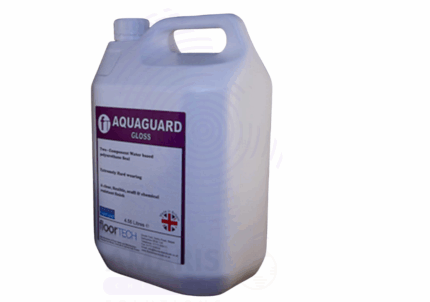
Aquaguard
Aquaguard is a brand name commonly associated with water purification products and filtration systems designed to provide safe, clean drinking water. These systems typically use technologies such as UV purification, RO (reverse osmosis), UF (ultrafiltration), and activated carbon filters to remove contaminants including bacteria, viruses, dissolved salts, heavy metals, and suspended particles. Aquaguard products are widely used in residential, commercial, and industrial settings to improve water quality, taste, and safety. The brand encompasses water purifiers, filters, and treatment units tailored to different water sources and purity requirements.
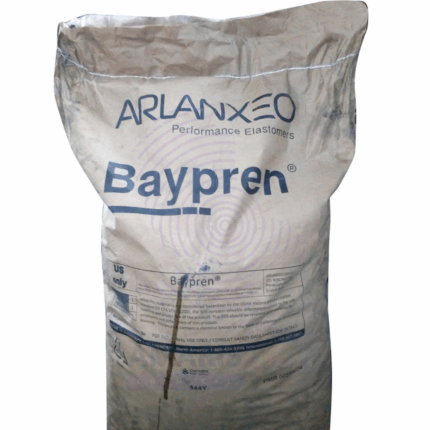
Bayprene
Bayprene is a high-quality, synthetic rubber polymer belonging to the class of nitrile butadiene rubbers (NBR). It is widely used for its excellent resistance to oils, fuels, chemicals, and abrasion, making it ideal for sealing, gasketing, hoses, and industrial applications where durability and chemical resistance are required. Bayprene exhibits good mechanical properties, high tensile strength, and resistance to swelling and degradation, especially in petroleum-based environments. It is commonly supplied as solid rubber sheets, molded parts, or raw polymer for compounding.
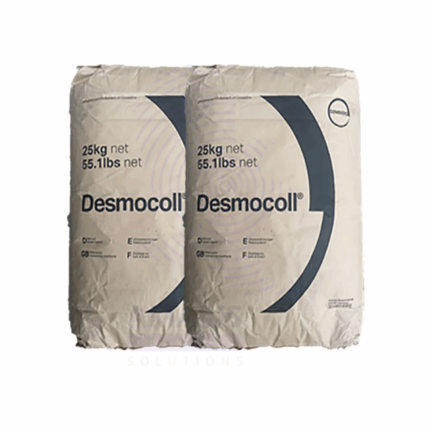
Desmocol
Desmocol is a trade name for Cocamido Propyl Betaine (CAPB), a mild amphoteric surfactant derived from coconut oil and dimethylaminopropylamine. It is widely used in personal care and cleaning formulations due to its excellent foaming, thickening, and conditioning properties. Desmocol is known for its skin-friendly nature, compatibility with a broad range of surfactants, and ability to reduce irritation potential in formulations. It appears as a viscous, amber-colored liquid or paste with a characteristic mild coconut odor.
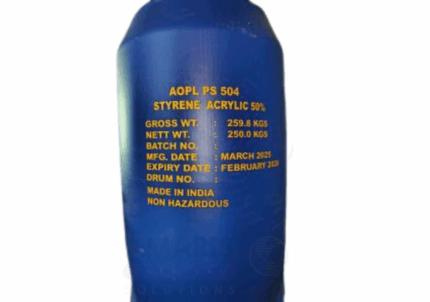
Eagle Styrene Acrylic 72/ 50
Eagle Styrene Acrylic 72/ 50 is a co-polymer emulsion consisting of styrene and acrylic monomers, offered at 50% active solids concentration in water. It appears as a milky-white, low-viscosity liquid with a mild odor. This polymer emulsion combines excellent film-forming properties, adhesion, and mechanical strength, making it widely used in coatings, adhesives, sealants, and functional binders across multiple industries.

Eagle Vam Veo( VV50/55)
Eagle VAM VEO VV50/55 is a water-based vinyl‑acetate–ethylene (VAM‑VEO) copolymer emulsion, formulated at 55% active solids. It presents as a milky-white, medium-viscosity liquid with a mild emulsion odor. This copolymer combines excellent film formation, adhesion, flexibility, and toughness, tailored for use in coatings, adhesives, sealants, and functional binders across multiple industries.

Lacitex
Lacitex is a high-quality natural latex concentrate derived from Hevea brasiliensis (rubber tree) latex. It is a milky, white colloidal suspension primarily used in the manufacture of latex-based products such as gloves, adhesives, coatings, and foam rubber. Lacitex offers excellent film-forming properties, elasticity, and tensile strength. It provides superior binding, water resistance, and flexibility in finished products, making it widely valued in various industrial and manufacturing applications.
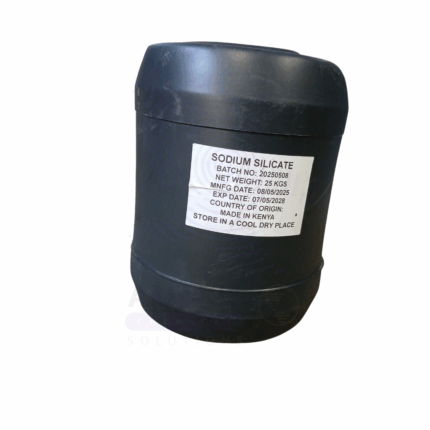
Sodium Silicate
Sodium Silicate is a water-soluble, viscous alkaline liquid with the general formula Na₂SiO₃ (ratios vary). Commonly referred to as water glass or liquid glass, it appears as a clear to slightly cloudy solution. This 20-litre packaged product is known for its excellent adhesive, binding, and sealing properties. It is widely used in industrial, construction, detergent, and water treatment applications. Sodium silicate forms a glassy film upon drying and resists high temperatures and chemical attack, making it extremely versatile across many industries.












