

 Preservatives(food)
 Flavor Enhancers
 Acidulants
 Sweeteners
 Antioxidants
 Colorants(food)
 Nutraceutical Ingredients (food)
 Nutrient Supplements
 Emulsifiers
 Collectors
 Dust Suppressants
 Explosives and Blasting Agents
 Flocculants and Coagulants
 Frothers
 Leaching Agents
 pH Modifiers
 Precious Metal Extraction Agents
 Antioxidants(plastic)
 Colorants (Pigments, Dyes)
 Fillers and Reinforcements
 Flame Retardants
 Monomers
 Plasticizers
 Polymerization Initiators
 Stabilizers (UV, Heat)
 Antifoaming Agents
 Chelating Agents
 Coagulants and Flocculants
 Corrosion Inhibitors
 Disinfectants and Biocides
 Oxidizing Agents
 pH Adjusters
 Scale Inhibitors( water)
 Antioxidants(cosmetic)
 Emollients
 Fragrances and Essential Oils
 Humectants
 Preservatives
 Surfactants(cosmetic)
 Thickeners
 UV Filters
 Fertilizers
 Soil Conditioners
 Plant Growth Regulators
 Animal Feed Additives
 Biostimulants
 Pesticides (Herbicides, Insecticides, Fungicides)
 Active Pharmaceutical Ingredients (APIs)
 Excipients
 Solvents(pharmaceutical)
 Antibiotics
 Antiseptics and Disinfectants
 Vaccine Adjuvants
 Nutraceutical Ingredients (pharmaceutical)
 Analgesics & Antipyretics
 Analytical Reagents
 Solvents(lab)
 Chromatography Chemicals
 Spectroscopy Reagents
 microbiology-and-cell-culture-reagents
 Molecular Biology Reagents
 Biochemical Reagents
 Inorganic and Organic Standards
 Laboratory Safety Chemicals
 Specialty Laboratory Chemicals(Special Laboratory Equipment)
 Demulsifiers
 Hydraulic Fracturing Fluids
 Scale Inhibitors(oil)
 Surfactants(oil)
 Drilling Fluids
 Dyes and Pigments
 Bleaching Agents
 Softening Agents
 Finishing Agents
 Antistatic Agents
 Admixtures
 Waterproofing Agents
 Sealants and Adhesives
 Curing Compounds
 Concrete Repair Chemicals
 Anti-Corrosion Coatings
 Surfactants(cleaning)
 Builders
 Enzymes
 Solvents (Cleaning)
 Fragrances
 Electronic Chemicals
 Catalysts
 Lubricants
 Photographic Chemicals
 Refrigerants
 Automotive chemicals
 Pyrotechnic Chemicals
 Biodegradable Surfactants
 Bio-based Solvents
 Renewable Polymers
 Carbon Capture Chemicals
 Wastewater Treatment Chemicals
 Pigments
 Solvents(paint)
 Specialty Coatings
 Binders/Resins
 Additives
 Driers
 Anti-Corrosion Agents
 Functional Coatings
 Application-Specific Coatings
 Leavening Agents
 Dough Conditioners
 Flour Treatments
 Fat Replacers
 Decoratives
 Preservatives(baking)
 Plasticizers & Softeners
 Reinforcing Agents
 Adhesion Promoters
 Vulcanizing Agents
 Antidegradants
 Blowing Agents
 Fillers & Extenders
 Accelerators & Retarders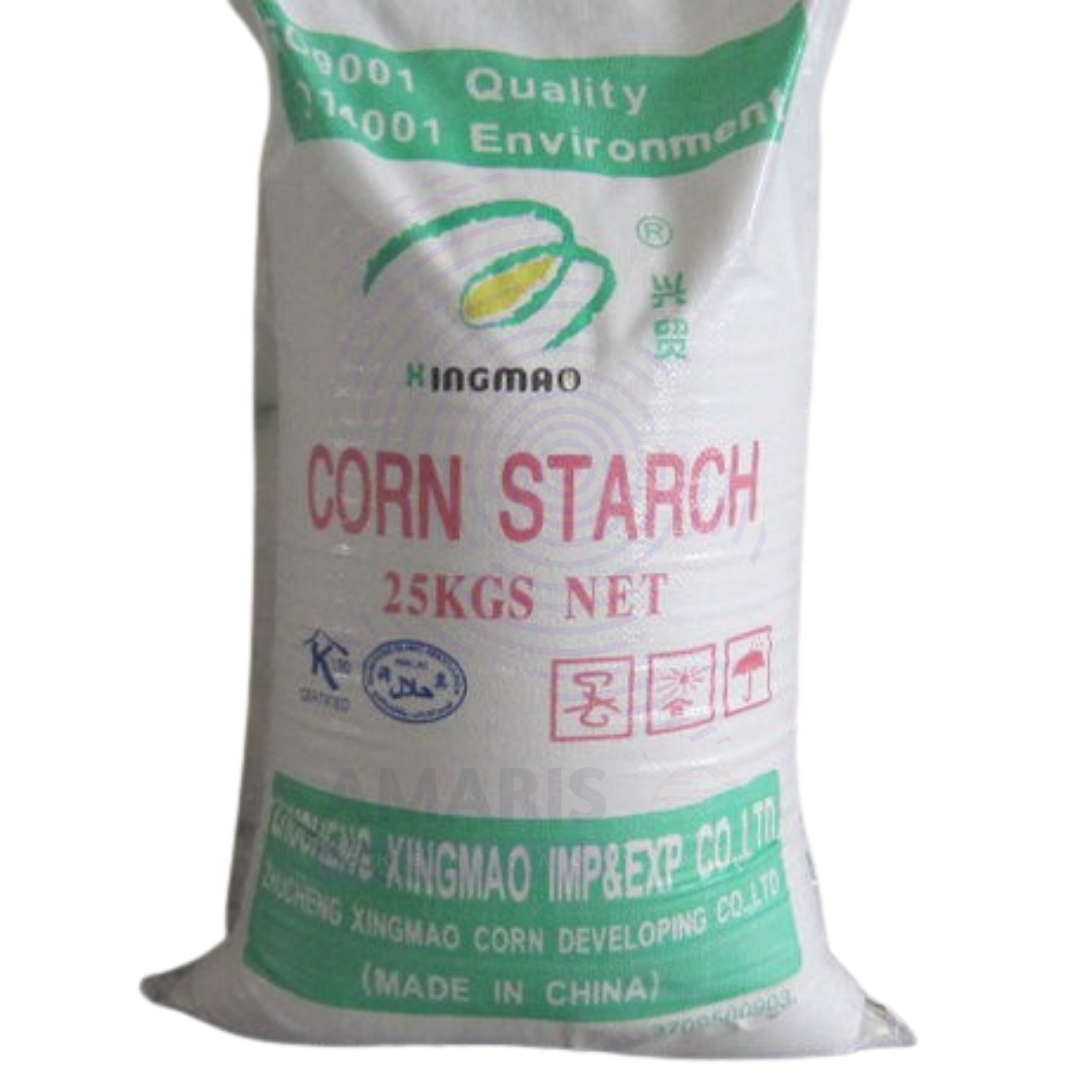

Corn Starch Industrial Grade
Original price was: $ 1.67.$ 1.55Current price is: $ 1.55.
Corn Starch Industrial Grade is a finely milled, white powder derived from the endosperm of maize (Zea mays). Unlike food-grade starch, industrial grade is tailored for non-food applications where its thickening, adhesive, and film-forming properties are exploited. It consists primarily of amylose and amylopectin polysaccharides and is valued for its biodegradability, renewability, and cost-effectiveness. Industrial corn starch is used extensively as a raw material or functional additive across a wide variety of manufacturing processes, including paper, textiles, adhesives, and packaging industries.
Corn Starch Industrial Grade
Primary Uses
- Paper Industry
- Acts as a surface sizing agent to improve paper strength, gloss, and printability.
- Used in coating formulations to enhance smoothness and reduce porosity.
- Serves as a binding agent in recycled paper production to improve fiber bonding.
- Adhesives & Binders
- Used in manufacturing starch-based adhesives for corrugated cardboard, paper bags, and labels.
- Serves as a binder in particleboard, fiberboard, and plywood production.
- Textile Industry
- Employed as a sizing agent to strengthen yarns during weaving, improving fabric quality and reducing breakage.
- Used in finishing processes for fabric stiffening and texture enhancement.
- Bioplastics & Packaging
- Used as a biodegradable polymer base for producing eco-friendly packaging materials and films.
- Serves as a filler and functional additive in bioplastic blends to improve mechanical properties.
Secondary Uses
- Pharmaceuticals
- Acts as an excipient in tablet formulation, primarily as a disintegrant and binder (non-food grade applications).
- Construction
- Used as a dust control agent in construction sites and as a binder in gypsum and cement formulations.
- Cosmetics & Personal Care
- Utilized as a thickener and absorbent in powders and creams (industrial formulations).
- Agriculture
- Used as a carrier for pesticides and fertilizers in controlled release formulations.
1. Basic Identification Attributes
- Chemical Name (IUPAC): Poly-D-glucopyranose (starch)
- Common/Trade Name: Corn Starch Industrial Grade
- CAS Number: 9005-25-8
- HS Code: 1108.12.00
- Molecular Formula: (C6H10O5)n (polysaccharide)
- Synonyms:
- Maize starch
- Industrial maize starch
2. Physical & Chemical Properties
- Physical State: Fine white powder
- Color & Odor: White; odorless
- Melting Point: Decomposes before melting
- Boiling Point: Not applicable
- Density: Approximately 1.5 g/cm³ (bulk density)
- Solubility: Insoluble in cold water; swells in hot water forming a paste
- pH (1% solution): 4.5 - 7.0
- Gelatinization Temperature: 62–72°C
- Stability: Stable under dry conditions; moisture sensitive
3. Safety & Hazard Attributes
- Hazard Class (GHS): Generally safe; combustible dust hazard
- NFPA Ratings:
- Health: 0
- Flammability: 1
- Reactivity: 0
- Exposure Limits: No specific OSHA PEL; avoid inhalation of dust
- Toxicity: Non-toxic, non-irritant
- Reactivity: Inert under normal conditions
4. Storage & Handling Attributes
- Storage Conditions: Store in a dry, cool, well-ventilated area away from moisture and ignition sources
- Container Type: Industrial-grade sealed bags or bulk containers
- Shelf Life: 1–2 years if properly stored
- Special Handling: Avoid dust formation and ignition sources; use dust masks if necessary
5. Regulatory & Compliance Attributes
- FDA Status: Not intended for food use; industrial application only
- REACH Status: Registered as industrial chemical
- Transportation: Not classified as hazardous; handle as combustible dust
- Waste Disposal: Dispose according to local industrial waste regulations
6. Environmental & Health Impact
- Ecotoxicity: Low environmental impact; biodegradable
- Persistence: Biodegradable in soil and water
- Bioaccumulation: Not expected to bioaccumulate
- Carcinogenicity/Mutagenicity: Not carcinogenic or mutagenic
- Biodegradability: Readily biodegradable
Safety Handling Precautions
Personal Protective Equipment (PPE):
- Dust mask or respirator
- Safety goggles if airborne dust present
- Protective gloves (optional)
Handling Measures:
- Avoid dust inhalation
- Use adequate ventilation
- Prevent moisture contamination
Storage Measures:
- Keep containers tightly sealed
- Store away from ignition sources and oxidizers
Hygiene Practices:
- Wash hands after handling
- Avoid eating, drinking, or smoking during handling
First Aid Measures
- Inhalation: Move to fresh air; seek medical attention if symptoms persist
- Skin Contact: Wash with soap and water if irritation occurs
- Eye Contact: Flush eyes with water if dust causes irritation
- Ingestion: Not toxic; consult physician if large amounts ingested
Firefighting Measures
- Fire Hazards: Combustible dust; dust clouds may ignite or explode
- Extinguishing Media: Use water spray, foam, dry chemical, or CO₂
- Special Precautions: Avoid dust dispersion; wear full protective gear and respiratory protection
- Decomposition Products: Carbon oxides and water vapor
Related products
Binder
A binder is a broad category of substances—organic or inorganic—used to hold different materials together in a cohesive mass. Common binders include natural polymers (starch, cellulose derivatives, proteins), synthetic resins (PVA, acrylics, phenolics), and inorganic binders (clays, cement, lime). They are essential in industries such as pharmaceuticals, construction, coatings, ceramics, adhesives, and printing, where they provide structural integrity, adhesion, and controlled release properties.
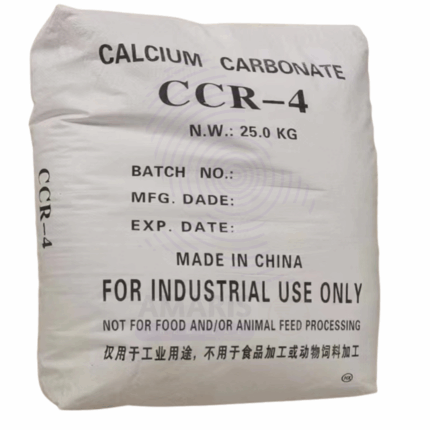
Calcium Carbonate Filler
Calcium Carbonate Filler is a high-quality, uncoated ground calcium carbonate (GCC) specially engineered for use as a filler in polyethylene (PE) and other polyolefin resins. This grade of calcium carbonate is designed to enhance the physical and mechanical properties of plastics while providing cost-effective bulk and improved processing. It is a fine, white, odorless powder with excellent brightness, high purity, and uniform particle size distribution. Its use improves stiffness, impact resistance, dimensional stability, and surface finish in polyethylene applications such as films, sheets, pipes, and molded parts.
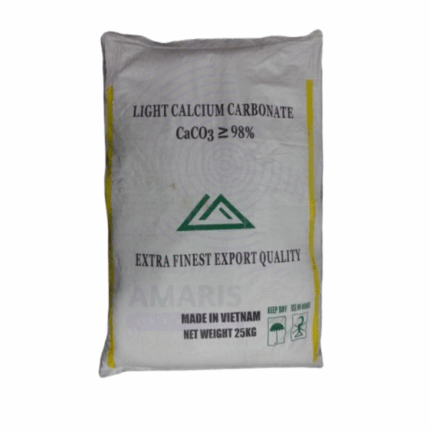
Calcium Carbonate Light
Calcium Carbonate Light is a finely ground, low bulk density natural mineral composed primarily of calcium carbonate (CaCO₃). Compared to standard grades, it has a lower density and larger particle size distribution, making it suitable for applications where light weight and high brightness are important. This form is extensively used as a filler and extender in industries such as plastics, paints, rubber, paper, adhesives, and construction materials to improve opacity, brightness, and texture, while maintaining low weight and cost efficiency. Its chemical inertness and whiteness provide functional and aesthetic advantages across formulations.
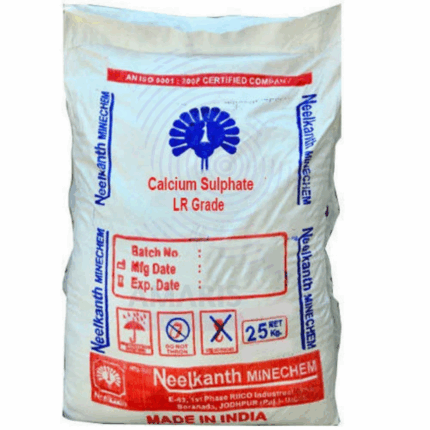
Calcium Sulphate
Calcium Sulphate is an inorganic compound composed of calcium, sulfur, and oxygen, commonly found in two forms: dihydrate (gypsum, CaSO4·2H2O) and anhydrous (CaSO4). It appears as a white or off-white crystalline powder or granules with low solubility in water. Calcium Sulphate is widely used in construction, agriculture, pharmaceuticals, food industry, and various industrial applications. It acts as a filler, hardening agent, and drying agent due to its physical and chemical properties. The dihydrate form (gypsum) is notable for use in plaster and cement, while the anhydrous form is often used as a drying agent and in refractory materials.
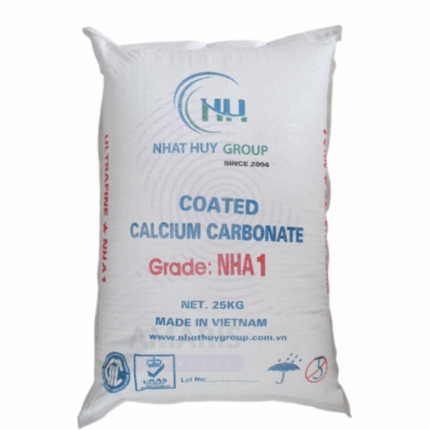
Coated Calcium Carbonate
Coated Calcium Carbonate is a fine, white, odorless powder consisting of naturally occurring ground calcium carbonate (CaCO₃) treated with a surface coating—typically stearic acid or other fatty acids—to enhance compatibility with non-polar matrices. This coating improves dispersion in plastic and rubber formulations, reduces moisture pickup, and enhances the physical properties of the final product. Compared to uncoated grades, coated calcium carbonate offers better hydrophobicity, improved flow properties, and stronger interfacial bonding in polymeric systems. It is widely used in plastics, rubber, paints, sealants, adhesives, paper, and more.
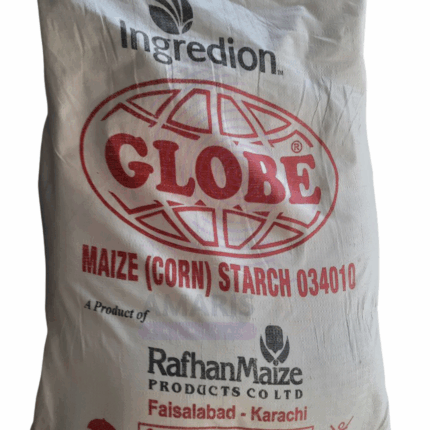
Corn Starch Food Grade
Corn Starch Food Grade is a fine, white, powdery carbohydrate extracted from the endosperm of corn kernels (Zea mays). It is a natural, tasteless, and odorless polysaccharide composed primarily of amylose and amylopectin. Corn starch is widely used as a thickening, stabilizing, and binding agent in food products due to its excellent gelatinization properties. It serves as a gluten-free alternative to wheat flour in many culinary and industrial applications. Corn starch is valued for its versatility, digestibility, and neutral flavor profile, making it a staple ingredient in both home cooking and commercial food production.

Talcum Powder (Talc)
Talcum Powder is a naturally occurring mineral composed primarily of hydrated magnesium silicate. It is known for its softness, absorbency, and lubricating properties. Talc is widely used in cosmetic, pharmaceutical, industrial, and consumer products due to its ability to absorb moisture, improve texture, and provide a smooth, silky feel. The powder form allows easy dispersion and application across diverse sectors.

Whiting
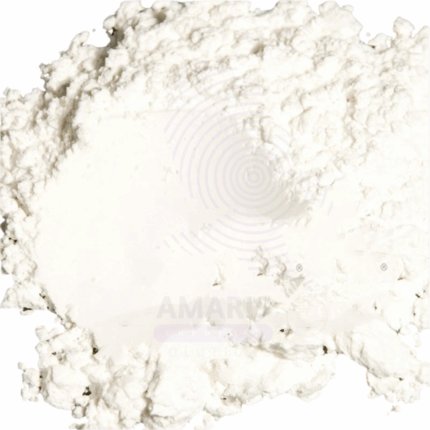
Whiting is a finely ground, white, chalky substance primarily composed of calcium carbonate (CaCO₃). It is widely used as a pigment, filler, and extender in various industrial and commercial applications. Whiting provides opacity, brightness, and smoothness to products, enhancing their appearance and physical properties. Its natural abundance and versatility make it an economical additive in multiple manufacturing processes.












