

 Preservatives(food)
 Flavor Enhancers
 Acidulants
 Sweeteners
 Antioxidants
 Colorants(food)
 Nutraceutical Ingredients (food)
 Nutrient Supplements
 Emulsifiers
 Collectors
 Dust Suppressants
 Explosives and Blasting Agents
 Flocculants and Coagulants
 Frothers
 Leaching Agents
 pH Modifiers
 Precious Metal Extraction Agents
 Antioxidants(plastic)
 Colorants (Pigments, Dyes)
 Fillers and Reinforcements
 Flame Retardants
 Monomers
 Plasticizers
 Polymerization Initiators
 Stabilizers (UV, Heat)
 Antifoaming Agents
 Chelating Agents
 Coagulants and Flocculants
 Corrosion Inhibitors
 Disinfectants and Biocides
 Oxidizing Agents
 pH Adjusters
 Scale Inhibitors( water)
 Antioxidants(cosmetic)
 Emollients
 Fragrances and Essential Oils
 Humectants
 Preservatives
 Surfactants(cosmetic)
 Thickeners
 UV Filters
 Fertilizers
 Soil Conditioners
 Plant Growth Regulators
 Animal Feed Additives
 Biostimulants
 Pesticides (Herbicides, Insecticides, Fungicides)
 Active Pharmaceutical Ingredients (APIs)
 Excipients
 Solvents(pharmaceutical)
 Antibiotics
 Antiseptics and Disinfectants
 Vaccine Adjuvants
 Nutraceutical Ingredients (pharmaceutical)
 Analgesics & Antipyretics
 Analytical Reagents
 Solvents(lab)
 Chromatography Chemicals
 Spectroscopy Reagents
 microbiology-and-cell-culture-reagents
 Molecular Biology Reagents
 Biochemical Reagents
 Inorganic and Organic Standards
 Laboratory Safety Chemicals
 Specialty Laboratory Chemicals(Special Laboratory Equipment)
 Demulsifiers
 Hydraulic Fracturing Fluids
 Scale Inhibitors(oil)
 Surfactants(oil)
 Drilling Fluids
 Dyes and Pigments
 Bleaching Agents
 Softening Agents
 Finishing Agents
 Antistatic Agents
 Admixtures
 Waterproofing Agents
 Sealants and Adhesives
 Curing Compounds
 Concrete Repair Chemicals
 Anti-Corrosion Coatings
 Surfactants(cleaning)
 Builders
 Enzymes
 Solvents (Cleaning)
 Fragrances
 Electronic Chemicals
 Catalysts
 Lubricants
 Photographic Chemicals
 Refrigerants
 Automotive chemicals
 Pyrotechnic Chemicals
 Biodegradable Surfactants
 Bio-based Solvents
 Renewable Polymers
 Carbon Capture Chemicals
 Wastewater Treatment Chemicals
 Pigments
 Solvents(paint)
 Specialty Coatings
 Binders/Resins
 Additives
 Driers
 Anti-Corrosion Agents
 Functional Coatings
 Application-Specific Coatings
 Leavening Agents
 Dough Conditioners
 Flour Treatments
 Fat Replacers
 Decoratives
 Preservatives(baking)
 Plasticizers & Softeners
 Reinforcing Agents
 Adhesion Promoters
 Vulcanizing Agents
 Antidegradants
 Blowing Agents
 Fillers & Extenders
 Accelerators & Retarders

Derminol Liquor
Derminol Liquor is a high-performance fatliquor used in the leather tanning industry, specifically during the retanning and fatliquoring stages of wet-end leather processing. It is an emulsified blend of synthetic, semi-synthetic, or natural-based oils designed to impart softness, flexibility, and lubricity to leathers. Derminol Liquor provides deep penetration, excellent grain lubrication, uniform softness, and high lightfastness. It is compatible with both chrome-tanned and vegetable-tanned leathers. Derminol Liquor enhances leather feel, milling behavior, and aging resistance, and can be used alone or in combination with other fatliquors to achieve specific leather characteristics. It also contributes to environmental compliance by offering low BOD/COD values in effluents.
Derminol Liquor Uses
Primary Uses
- Leather Tanning and Retanning
- Used in the fatliquoring stage to reintroduce essential oils into leather after tanning, restoring softness and flexibility lost during tanning.
- Ensures deep fiber penetration and even distribution of lubricants throughout the hide.
- Suitable for full-grain, corrected grain, split leathers, and nubuck.
- Enhances grain tightness, reduces brittleness, and improves resistance to cracking during flexing.
- Provides softness without tackiness, allowing for easy mechanical handling and further processing.
- Used in the production of garments, footwear uppers, upholstery, belts, and automotive leathers.
- Grain Lubrication and Milling Behavior
- Improves grain break and surface smoothness, ensuring a soft handle and silky touch.
- Promotes uniform milling, allowing for enhanced grain pattern and character in finished leather.
- Helps prevent grain rupture during mechanical operations like staking or toggling.
- Heat and Light Stability
- Provides heat stability to leather, making it suitable for hot plate pressing and drying.
- Offers excellent lightfastness, making it ideal for pale or pastel-colored leathers.
- Dye Affinity Enhancement
- Improves dye penetration and uniformity by opening up the fiber structure.
- Facilitates deeper, richer coloration in dyed leathers.
Secondary Uses
- Water-Repellent Leather Formulations
- Certain Derminol variants provide moderate hydrophobicity, useful in the production of water-resistant or water-repellent leathers.
- Used in combination with hydrophobic agents for waterproof footwear and outdoor leather goods.
- Specialized Leather Effects
- Employed in the creation of suede, nubuck, and brushed leathers to achieve unique surface textures.
- Supports the development of soft, waxy, or oily leathers with deep, luxurious hand-feel.
- Low Environmental Impact Leather Processing
- Formulated to reduce COD (Chemical Oxygen Demand) and BOD (Biological Oxygen Demand) values in wastewater.
- Suitable for use in eco-friendly or ZDHC-compliant leather production systems.
- Leather Restoration and Reconditioning
- Used in post-tanning or restoration processes to soften and rejuvenate dried or aged leather.
- Improves feel and pliability of restored leather without altering original color or finish.
1. Basic Identification Attributes
- Chemical Name (IUPAC): Not applicable (mixture of emulsified oils and synthetic esters)
- Common/Trade Name: Derminol Liquor
- CAS Number: Not assigned (mixture)
- HS Code: 3403.91.00
- Molecular Formula: Not applicable (complex mixture)
- Synonyms:
- Synthetic Fatliquor
- Leather Softening Agent
- Emulsified Oil Blend for Leather
2. Physical & Chemical Properties
- Physical State: Liquid (emulsified)
- Color & Odor: Milky white to pale amber; mild oily odor
- pH (1% solution): 6.0–8.0
- Density: ~0.95–1.05 g/cm³ at 25°C
- Viscosity: Medium (easily pumpable and dispersible in water)
- Solubility: Forms stable emulsions in water; insoluble in organic solvents
- Stability: Stable under normal wet-end processing conditions; non-separating emulsion
- Compatibility: Compatible with most anionic and non-ionic tanning auxiliaries and dyes
3. Safety & Hazard Attributes
- Hazard Class (GHS): Not classified as hazardous
- NFPA Ratings:
- Health: 1
- Flammability: 1
- Reactivity: 0
- Exposure Limits: Not established
- Toxicity: Non-toxic under normal industrial use; avoid ingestion or prolonged skin contact
- Reactivity: Non-reactive; stable emulsion
4. Storage & Handling Attributes
- Storage Conditions: Store in cool, dry, well-ventilated area; avoid freezing and direct sunlight
- Container Type: HDPE drums or IBCs with tightly sealed lids
- Shelf Life: Up to 12 months in unopened containers
- Special Handling:
- Stir or agitate gently before use to ensure uniform consistency
- Avoid contamination with strong acids, alkalis, or oxidizing agents
5. Regulatory & Compliance Attributes
- REACH Status: Compliant (non-hazardous formulation)
- ZDHC Compliance: Formulated to meet ZDHC MRSL 2.0 standards (depending on variant)
- FDA Status: Not intended for food or pharmaceutical applications
- Transportation: Non-hazardous for road, sea, or air transport
- Waste Disposal: Dispose in accordance with local and national regulations; biodegradable emulsion
6. Environmental & Health Impact
- Ecotoxicity: Low; biodegradable emulsifiers and oils
- Persistence: Biodegradable under aerobic conditions
- Bioaccumulation: Not expected
- Carcinogenicity/Mutagenicity: Not classified as carcinogenic or mutagenic
- Biodegradability: Readily biodegradable in effluent treatment systems
Safety Handling Precautions
Personal Protective Equipment (PPE):
- Protective gloves (nitrile or rubber)
- Safety goggles or face shield
- Protective clothing or apron
- Ensure adequate ventilation in work area
Handling Measures:
- Avoid contact with eyes and prolonged skin contact
- Do not breathe mist or spray; use in well-ventilated area
- Wash hands thoroughly after handling
Storage Measures:
- Store in original container, tightly closed
- Keep away from sources of heat and ignition
- Avoid freezing; if frozen, thaw and homogenize before use
Hygiene Practices:
- Do not eat, drink, or smoke while handling
- Maintain clean working environment to prevent contamination
First Aid Measures
- Inhalation: Move person to fresh air; seek medical attention if symptoms persist
- Skin Contact: Wash thoroughly with soap and water; remove contaminated clothing
- Eye Contact: Rinse immediately with plenty of water for at least 15 minutes; consult physician if irritation occurs
- Ingestion: Rinse mouth with water; do not induce vomiting; seek medical attention
Firefighting Measures
- Fire Hazards: Low flammability; may emit smoke or fumes when heated excessively
- Extinguishing Media: Foam, dry chemical, or carbon dioxide
- Special Precautions: Wear full protective gear and self-contained breathing apparatus
- Decomposition Products: Carbon dioxide, carbon monoxide, trace organic vapors
Related products
African Potato Extract
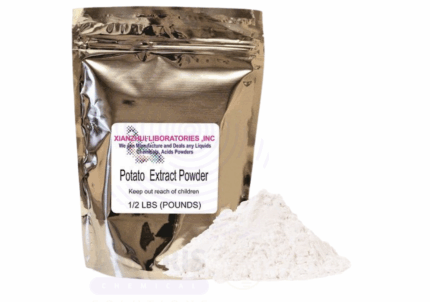
African Potato Extract is derived from the plant Hypoxis hemerocallidea, a medicinal plant native to southern Africa. It is commonly used in traditional African medicine for its anti-inflammatory, antioxidant, and immune-boosting properties. The active compound in the extract is hypoxoside, which is converted in the body to rooperol, a potent antioxidant. African Potato Extract is often used as a complementary treatment for conditions like arthritis, prostate issues, and certain infections, though scientific evidence on its effectiveness is still limited.
Aloe Vera Gel
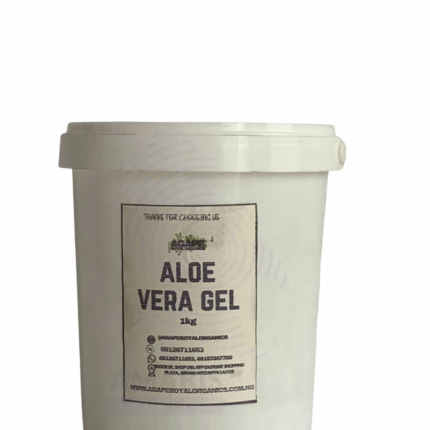
Aloe Vera Gel is a clear, jelly-like substance extracted from the inner leaf of the Aloe vera plant. It is widely used in skincare for its soothing, hydrating, and healing properties. Rich in vitamins (especially A, C, and E), enzymes, and amino acids, Aloe Vera Gel is commonly applied to treat sunburns, minor cuts, skin irritation, and dryness. It also has mild anti-inflammatory and antibacterial effects, making it a popular natural remedy in both cosmetic and medicinal products.
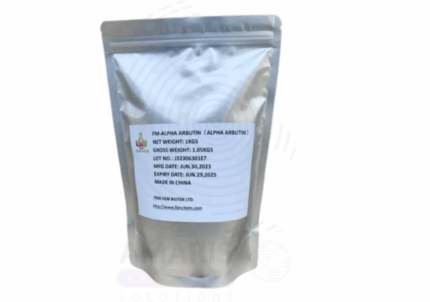
Alpha Arbutin
Alpha Arbutin is a biosynthetic active ingredient derived from hydroquinone and glucose. It is widely used in cosmetic and skincare formulations for its skin-brightening and spot-reducing properties. Alpha Arbutin inhibits tyrosinase, an enzyme involved in melanin production, thereby helping to reduce pigmentation, dark spots, and uneven skin tone. It is more stable and effective than its beta counterpart and is suitable for all skin types, including sensitive skin.
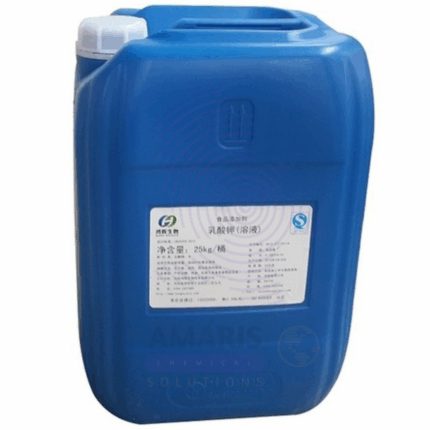
Ammonium Lactate
Ammonium Lactate is the ammonium salt of lactic acid, appearing as a clear, hygroscopic liquid or syrupy solution. It is widely used in pharmaceutical, cosmetic, and food industries primarily for its moisturizing, pH adjusting, and antimicrobial properties. In topical formulations, it acts as a keratolytic agent to help exfoliate and hydrate skin, making it popular in treatments for dry, scaly, or ichthyotic skin conditions. Its biocompatibility and mild acidic nature make it a versatile ingredient in various industrial and personal care products.
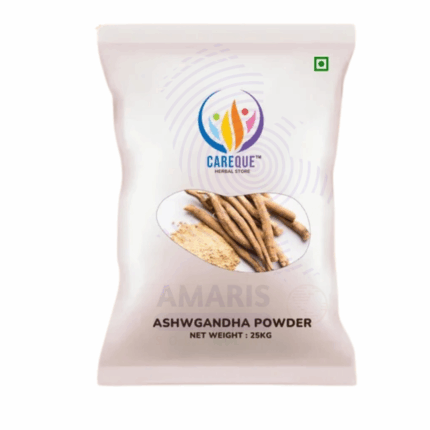
Ashawaganha Powder
Ashawaganha Powder is derived from the dried roots of Withania somnifera, a renowned herb in Ayurvedic and traditional medicine systems. Known as Indian ginseng or winter cherry, Ashwagandha is valued for its adaptogenic properties, helping the body combat stress, enhance vitality, and support overall wellness. The powder is finely ground root material, rich in bioactive compounds such as withanolides, alkaloids, and steroidal lactones. It is widely used as a dietary supplement, in herbal formulations, cosmetics, and traditional medicine.

Methylene Glycol
Methylene Glycol is a chemical compound formed by the reversible reaction of formaldehyde with water. It exists in equilibrium with formaldehyde in aqueous solutions and is commonly used as a disinfectant, preservative, and industrial biocide. Due to its antimicrobial properties, it is widely applied in water treatment, cosmetics, and embalming fluids.
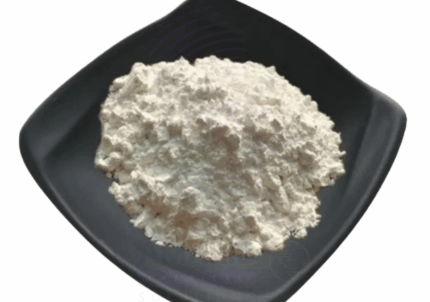
Phloretin
Phloretin is a natural dihydrochalcone flavonoid primarily extracted from apple tree leaves and other fruit sources. It is recognized for its potent antioxidant properties and its ability to inhibit melanin synthesis, making it highly valued in cosmetic and pharmaceutical industries. Phloretin is a yellowish crystalline powder with low solubility in water but good solubility in organic solvents. It is widely used in skincare formulations for its skin-brightening, anti-aging, and anti-inflammatory benefits.
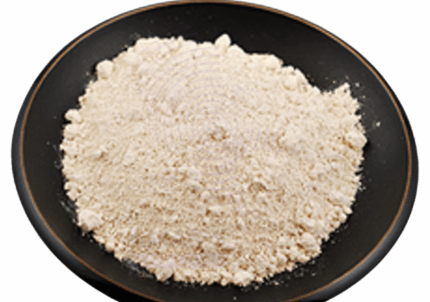
Silk Proteins
Silk Proteins are hydrolyzed proteins derived from natural silk fibers, typically composed of fibroin and sericin. They are water-soluble, bioactive compounds known for their excellent film-forming, moisture-retaining, and conditioning properties. Silk proteins are widely used in cosmetics, personal care products, pharmaceuticals, and textiles due to their biocompatibility, smooth texture, and ability to penetrate and protect surfaces like skin, hair, and fabric.












