

 Preservatives(food)
 Flavor Enhancers
 Acidulants
 Sweeteners
 Antioxidants
 Colorants(food)
 Nutraceutical Ingredients (food)
 Nutrient Supplements
 Emulsifiers
 Collectors
 Dust Suppressants
 Explosives and Blasting Agents
 Flocculants and Coagulants
 Frothers
 Leaching Agents
 pH Modifiers
 Precious Metal Extraction Agents
 Antioxidants(plastic)
 Colorants (Pigments, Dyes)
 Fillers and Reinforcements
 Flame Retardants
 Monomers
 Plasticizers
 Polymerization Initiators
 Stabilizers (UV, Heat)
 Antifoaming Agents
 Chelating Agents
 Coagulants and Flocculants
 Corrosion Inhibitors
 Disinfectants and Biocides
 Oxidizing Agents
 pH Adjusters
 Scale Inhibitors( water)
 Antioxidants(cosmetic)
 Emollients
 Fragrances and Essential Oils
 Humectants
 Preservatives
 Surfactants(cosmetic)
 Thickeners
 UV Filters
 Fertilizers
 Soil Conditioners
 Plant Growth Regulators
 Animal Feed Additives
 Biostimulants
 Pesticides (Herbicides, Insecticides, Fungicides)
 Active Pharmaceutical Ingredients (APIs)
 Excipients
 Solvents(pharmaceutical)
 Antibiotics
 Antiseptics and Disinfectants
 Vaccine Adjuvants
 Nutraceutical Ingredients (pharmaceutical)
 Analgesics & Antipyretics
 Analytical Reagents
 Solvents(lab)
 Chromatography Chemicals
 Spectroscopy Reagents
 microbiology-and-cell-culture-reagents
 Molecular Biology Reagents
 Biochemical Reagents
 Inorganic and Organic Standards
 Laboratory Safety Chemicals
 Specialty Laboratory Chemicals(Special Laboratory Equipment)
 Demulsifiers
 Hydraulic Fracturing Fluids
 Scale Inhibitors(oil)
 Surfactants(oil)
 Drilling Fluids
 Dyes and Pigments
 Bleaching Agents
 Softening Agents
 Finishing Agents
 Antistatic Agents
 Admixtures
 Waterproofing Agents
 Sealants and Adhesives
 Curing Compounds
 Concrete Repair Chemicals
 Anti-Corrosion Coatings
 Surfactants(cleaning)
 Builders
 Enzymes
 Solvents (Cleaning)
 Fragrances
 Electronic Chemicals
 Catalysts
 Lubricants
 Photographic Chemicals
 Refrigerants
 Automotive chemicals
 Pyrotechnic Chemicals
 Biodegradable Surfactants
 Bio-based Solvents
 Renewable Polymers
 Carbon Capture Chemicals
 Wastewater Treatment Chemicals
 Pigments
 Solvents(paint)
 Specialty Coatings
 Binders/Resins
 Additives
 Driers
 Anti-Corrosion Agents
 Functional Coatings
 Application-Specific Coatings
 Leavening Agents
 Dough Conditioners
 Flour Treatments
 Fat Replacers
 Decoratives
 Preservatives(baking)
 Plasticizers & Softeners
 Reinforcing Agents
 Adhesion Promoters
 Vulcanizing Agents
 Antidegradants
 Blowing Agents
 Fillers & Extenders
 Accelerators & Retarders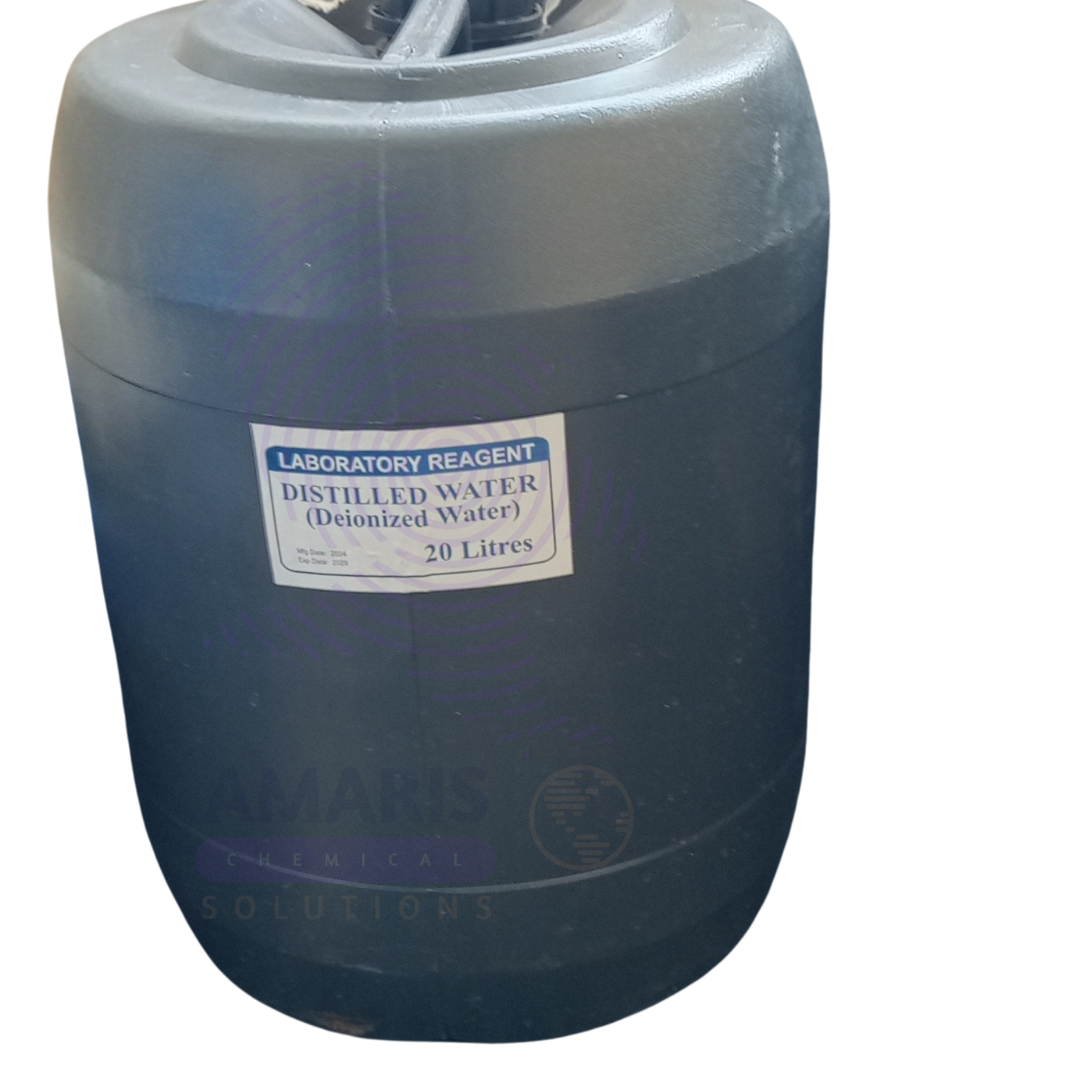



Distilled Water
Original price was: $ 1.00.$ 0.33Current price is: $ 0.33.
Distilled Water is purified water that has been processed through distillation, a method involving evaporation and subsequent condensation to remove impurities, salts, minerals, and organic matter. This results in ultra-pure, clear, odorless, and tasteless water free of dissolved solids and contaminants. Distilled water is non-conductive, neutral in pH under ideal storage, and chemically stable. It is widely used across pharmaceutical, laboratory, medical, industrial, and consumer applications where high water purity is critical.
Distilled Water
Primary Uses
Pharmaceuticals & Healthcare
- Used as a solvent and diluent in the preparation of injections, eye drops, and oral medications.
- Essential in the manufacture of sterile pharmaceutical products and intravenous fluids (after terminal sterilization).
- Utilized for equipment rinsing and cleaning in sterile processing environments.
- Integral in wound care, surgical procedures, and laboratory diagnostics.
- Supports CPAP machines and nebulizers to avoid mineral buildup and contamination.
Laboratory & Research
- Provides a chemically neutral and consistent water source for experiments and solution preparation.
- Used in analytical chemistry, molecular biology, and cell culture to avoid introducing variables from ions or impurities.
- Prevents interference in sensitive tests such as spectrophotometry, chromatography, and PCR.
- Used in cleaning and rinsing of glassware and instruments to prevent contamination from residues.
Cosmetics & Personal Care
- Serves as a base ingredient in creams, lotions, serums, and cleansers.
- Prevents microbial contamination and mineral reaction with active cosmetic ingredients.
- Used to enhance the texture, absorption, and purity of skincare formulations.
- Found in hair products to improve product performance and consistency.
Automotive & Batteries
- Used as battery water in lead-acid automotive and industrial batteries to prevent mineral scale and extend battery life.
- Employed in engine cooling systems to avoid corrosion and mineral deposits in radiators.
- Included in windshield washer fluids to prevent streaks and residue on glass.
Industrial & Manufacturing
- Used in high-precision manufacturing such as electronics, semiconductors, and optics.
- Supports boiler feedwater systems and autoclaves to prevent scaling and system contamination.
- Integral to quality control environments requiring ultrapure water.
- Used in the mixing of high-purity chemicals and formulations.
Food & Beverage Industry
- Utilized for preparation of food-grade products requiring impurity-free water.
- Employed in quality assurance labs and product development where consistent water quality is essential.
- Used in water-based beverages like distilled water-based teas or for cleaning and rinsing purposes.
Secondary Uses
Medical Devices
- Used in autoclaves and sterilizers to ensure residue-free sterilization.
- Integral in hydrotherapy, dialysis machines, and surgical instrument cleaning.
Household Applications
- Used in irons, humidifiers, and vaporizers to prevent scaling and mineral deposits.
- Preferred for aquarium top-offs to avoid introducing minerals that alter water chemistry.
- Employed in home brewing and cosmetic DIYs where water purity matters.
Photography
- Used in photographic film processing and darkroom solutions to prevent staining and residue.
Cleaning Applications
- Used to rinse delicate surfaces such as lab glassware, jewelry, and electronics without leaving mineral spots.
- Employed in high-end car detailing and final rinses for a spot-free finish.
Basic Identification Attributes
- Chemical Name (IUPAC): Water
- Common/Trade Name: Distilled Water
- CAS Number: 7732-18-5
- HS Code: 2853.90.10 (for chemical-grade distilled water)
- Molecular Formula: H₂O
- Synonyms:
- Purified Water (when conforming to pharmacopeial specifications)
- Aqua destillata
- Demineralized Water (not technically the same, but often related)
Physical & Chemical Properties
- Physical State: Clear, colorless liquid
- Odor: Odorless
- Melting Point: 0°C (32°F)
- Boiling Point: 100°C (212°F) at 1 atm
- Solubility: Miscible with all common solvents
- pH: Neutral (approx. 5.5–7 due to dissolved CO₂)
- Conductivity: Extremely low (typically <10 µS/cm)
- Stability: Chemically stable under ambient conditions
- Impurities: Practically free from organic, inorganic, and microbial contaminants
Safety & Hazard Attributes
- Hazard Class (GHS): Not classified as hazardous
- Toxicity: Non-toxic; safe for human and animal use
- Exposure Limits: Not applicable
Storage & Handling Attributes
- Storage Conditions: Store in clean, sealed containers away from contamination sources
- Container Type: HDPE bottles, glass containers, stainless steel vessels (for high-purity storage)
- Shelf Life: Indefinite if stored properly and sterile; generally 2 years for packaged products
- Handling Precautions: Avoid contamination through contact with unclean tools or containers
Regulatory & Compliance Attributes
- Meets specifications for USP, EP, BP (when labeled as “Water for Injection” or “Purified Water”)
- Approved for use in food and pharmaceuticals globally
- Compliant with WHO, FDA, and REACH regulations depending on application
Environmental & Health Impact
- Ecotoxicity: No environmental hazard; safe for disposal
- Persistence: Fully biodegradable; part of natural water cycle
- Bioaccumulation: Not applicable
Carcinogenicity/Mutagenicity: Not applicable
-
Safety Handling Precautions
PPE Required (in industrial or sterile settings):
- Gloves (to maintain product sterility)
- Safety goggles (if risk of splashing)
- Clean lab coat or gown (for sterile zones)
Handling Guidelines:
- Use sterile tools and containers to avoid contamination
- Avoid contact with non-sterile surfaces if water is to be used in medical or lab environments
Storage Measures:
- Keep tightly sealed and away from direct sunlight
- Use containers that do not leach contaminants (e.g., HDPE, glass)
- Avoid exposure to airborne particles in cleanroom or sterile environments
Hygiene Practices:
- Wash hands before handling for sterile applications
- Keep dispensing tools clean and disinfected
- Do not reuse opened containers in medical/pharma environments without microbial control
First Aid Measures
- Inhalation: No adverse effects expected
- Skin Contact: No irritation expected
- Eye Contact: No irritation expected; flush with water if any discomfort occurs
- Ingestion: Safe; no harmful effects expected in normal quantities
Firefighting Measures
- Fire Hazards: Non-flammable; will not support combustion
- Extinguishing Media: Not applicable (use media appropriate to surrounding fire)
- Special Precautions: None
Decomposition Products: None
Related products

Acticide HF (Incan)
Acticide HF is a proven, broad-spectrum industrial biocide manufactured by Thor Group specifically for in-can preservation of water-based industrial products. It is a clear, colorless to pale blue or pale green liquid with a mild odor, designed for easy incorporation into aqueous formulations. The product is based on a synergistic combination of active ingredients including 5-Chloro-2-methyl-4-isothiazolin-3-one (CIT), 2-Methyl-4-isothiazolin-3-one (MIT), and formaldehyde. This well-established formulation protects water-based formulations against bacteria, molds, and yeasts, ensuring product stability and extended shelf life across demanding conditions. Technical grade Acticide HF is manufactured for industrial use and is not intended for direct human consumption, medical applications, or food preservation.
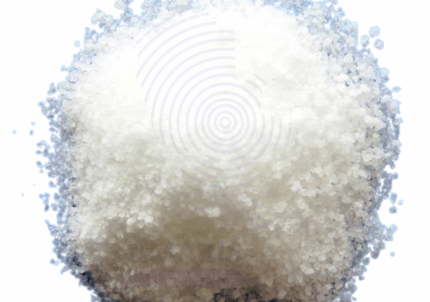
Ammonium Cupric Chloride
Ammonium Cupric Chloride is a blue-green crystalline inorganic compound composed of copper, ammonium, and chloride ions. It is widely used as a source of copper in agricultural fungicides and bactericides, as well as in electroplating, chemical synthesis, and textile dyeing. Its antimicrobial properties make it valuable for controlling fungal and bacterial infections in plants. Additionally, it serves as a precursor in various industrial and laboratory applications.
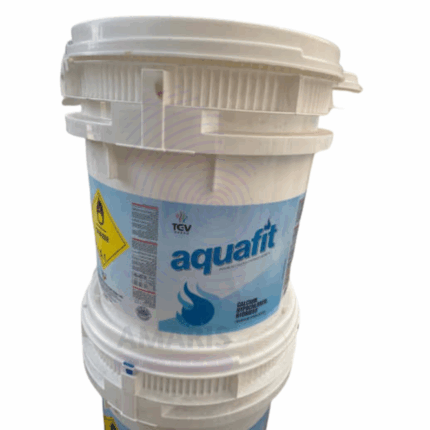
Calcium Hypochlorite
Calcium Hypochlorite Chlorine is a white to slightly yellow crystalline powder or granules known for its strong oxidizing and disinfectant properties. The 65% grade indicates the available chlorine content, making it a powerful bleaching, sanitizing, and oxidizing agent. It is commonly used for water treatment, sanitation, and as a bleaching agent in industrial and household applications. Calcium Hypochlorite dissolves in water to release hypochlorous acid, which effectively kills bacteria, viruses, and fungi.
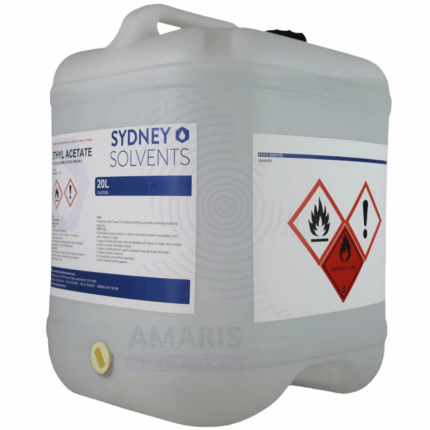
Ethyl Acetate
Ethyl Acetate is a clear, colorless, volatile organic solvent with a characteristic sweet, fruity odor reminiscent of pear drops. It is an ester formed by the condensation of ethanol and acetic acid. Known for its excellent solvency, low toxicity, and rapid evaporation rate, Ethyl Acetate is widely used as a solvent in coatings, adhesives, inks, pharmaceuticals, and chemical synthesis. It is miscible with most organic solvents and partially soluble in water. Ethyl Acetate offers high volatility, making it ideal for quick-drying formulations.
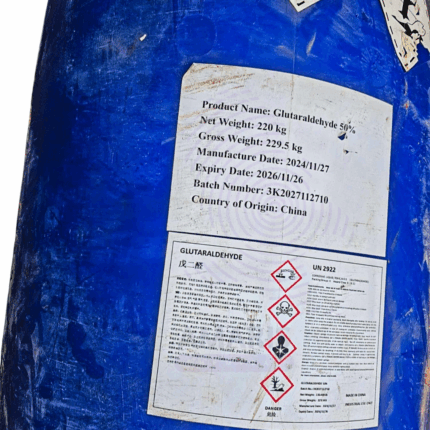
Glutardehyde
Glutardehydeis a potent biocidal agent and chemical sterilant widely used in healthcare, water treatment, and industrial applications. It is a colorless to pale yellow oily liquid with a pungent, sharp odor. Chemically, it is a dialdehyde, primarily valued for its ability to cross-link proteins, making it highly effective as a disinfectant, fixative, and preservative. Typically supplied in concentrations of 25% or 50% aqueous solutions, Glutaraldehyde is used where high-level disinfection is needed—especially against bacteria, viruses, fungi, and spores. Its versatility also extends to tanning, laboratory science, and wastewater treatment.
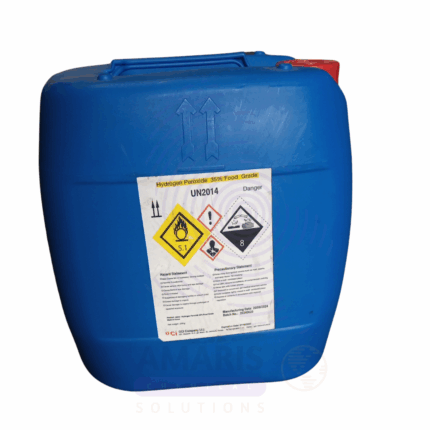

Hydrogen Peroxide Food Grade
Hydrogen Peroxide Food Grade is a highly concentrated aqueous solution of hydrogen peroxide (H₂O₂), formulated specifically for use in food processing and related applications. It appears as a clear, colorless liquid with a slightly sharp, acrid odor. Renowned for its powerful oxidizing and bleaching properties, hydrogen peroxide is a strong antimicrobial agent and environmentally friendly disinfectant that decomposes into water and oxygen, leaving no harmful residues. The food-grade designation ensures compliance with strict purity standards, making it suitable for direct and indirect food contact uses, including sterilization, sanitation, and preservation.

Lysol (Cresol BP)
Lysol (Cresol BP) is a concentrated solution of cresol, a phenolic compound derived from coal tar or petroleum. It is a potent disinfectant and antiseptic with strong antimicrobial properties. This product typically contains 50% cresol in water or solvent and is used extensively in industrial, healthcare, agricultural, and household settings for its broad-spectrum efficacy against bacteria, fungi, and viruses. It appears as a colorless to pale yellow liquid with a characteristic phenolic odor and is highly effective for sterilization, deodorization, and sanitation.
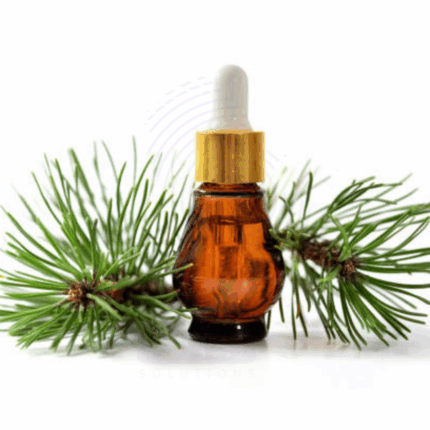
Pine Oil
Pine Oil is a powerful, aromatic essential oil obtained through the steam distillation of the needles, twigs, and cones of pine trees, primarily Pinus sylvestris or other Pinus species. It features a sharp, woody, and fresh scent with natural disinfectant and deodorizing properties. Rich in monoterpenes such as alpha-pinene and beta-pinene, Pine Oil is widely utilized in cleaning products, disinfectants, air care, cosmetics, and industrial formulations. It is valued for its antimicrobial, anti-inflammatory, and degreasing capabilities, making it an effective multi-purpose ingredient across various sectors.












