

 Preservatives(food)
 Flavor Enhancers
 Acidulants
 Sweeteners
 Antioxidants
 Colorants(food)
 Nutraceutical Ingredients (food)
 Nutrient Supplements
 Emulsifiers
 Collectors
 Dust Suppressants
 Explosives and Blasting Agents
 Flocculants and Coagulants
 Frothers
 Leaching Agents
 pH Modifiers
 Precious Metal Extraction Agents
 Antioxidants(plastic)
 Colorants (Pigments, Dyes)
 Fillers and Reinforcements
 Flame Retardants
 Monomers
 Plasticizers
 Polymerization Initiators
 Stabilizers (UV, Heat)
 Antifoaming Agents
 Chelating Agents
 Coagulants and Flocculants
 Corrosion Inhibitors
 Disinfectants and Biocides
 Oxidizing Agents
 pH Adjusters
 Scale Inhibitors( water)
 Antioxidants(cosmetic)
 Emollients
 Fragrances and Essential Oils
 Humectants
 Preservatives
 Surfactants(cosmetic)
 Thickeners
 UV Filters
 Fertilizers
 Soil Conditioners
 Plant Growth Regulators
 Animal Feed Additives
 Biostimulants
 Pesticides (Herbicides, Insecticides, Fungicides)
 Active Pharmaceutical Ingredients (APIs)
 Excipients
 Solvents(pharmaceutical)
 Antibiotics
 Antiseptics and Disinfectants
 Vaccine Adjuvants
 Nutraceutical Ingredients (pharmaceutical)
 Analgesics & Antipyretics
 Analytical Reagents
 Solvents(lab)
 Chromatography Chemicals
 Spectroscopy Reagents
 microbiology-and-cell-culture-reagents
 Molecular Biology Reagents
 Biochemical Reagents
 Inorganic and Organic Standards
 Laboratory Safety Chemicals
 Specialty Laboratory Chemicals(Special Laboratory Equipment)
 Demulsifiers
 Hydraulic Fracturing Fluids
 Scale Inhibitors(oil)
 Surfactants(oil)
 Drilling Fluids
 Dyes and Pigments
 Bleaching Agents
 Softening Agents
 Finishing Agents
 Antistatic Agents
 Admixtures
 Waterproofing Agents
 Sealants and Adhesives
 Curing Compounds
 Concrete Repair Chemicals
 Anti-Corrosion Coatings
 Surfactants(cleaning)
 Builders
 Enzymes
 Solvents (Cleaning)
 Fragrances
 Electronic Chemicals
 Catalysts
 Lubricants
 Photographic Chemicals
 Refrigerants
 Automotive chemicals
 Pyrotechnic Chemicals
 Biodegradable Surfactants
 Bio-based Solvents
 Renewable Polymers
 Carbon Capture Chemicals
 Wastewater Treatment Chemicals
 Pigments
 Solvents(paint)
 Specialty Coatings
 Binders/Resins
 Additives
 Driers
 Anti-Corrosion Agents
 Functional Coatings
 Application-Specific Coatings
 Leavening Agents
 Dough Conditioners
 Flour Treatments
 Fat Replacers
 Decoratives
 Preservatives(baking)
 Plasticizers & Softeners
 Reinforcing Agents
 Adhesion Promoters
 Vulcanizing Agents
 Antidegradants
 Blowing Agents
 Fillers & Extenders
 Accelerators & Retarders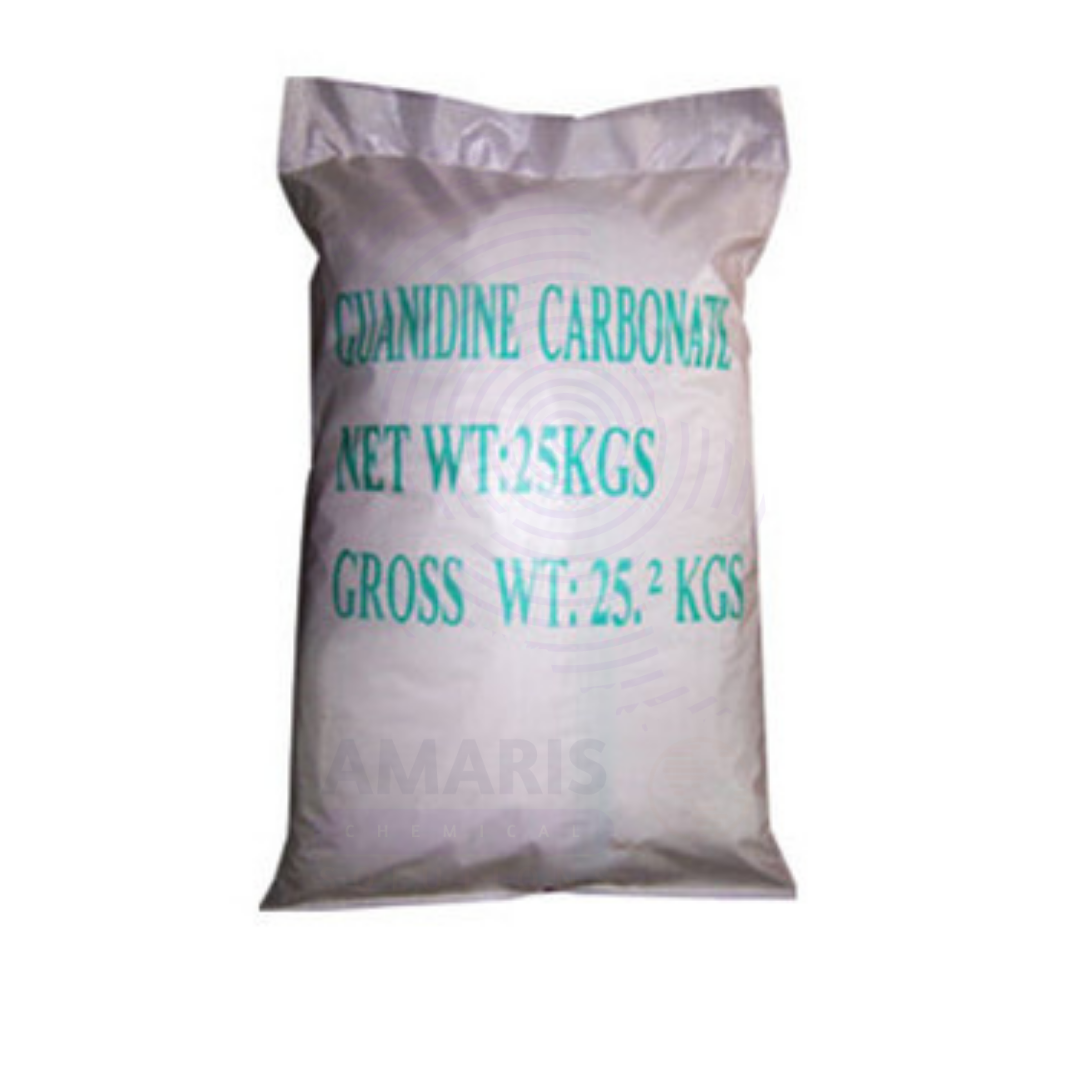


Guanidine Carbonate
Guanidine Carbonate is a white crystalline powder, highly soluble in water, with strong basicity and high nitrogen content. It’s a versatile chemical intermediate widely used in pharmaceuticals, agriculture, polymer chemistry, textiles, and laboratory research. Its buffering properties and reactivity make it valuable in synthesis, pH regulation, and as a nitrogen source.
Guanidine Carbonate
Primary Uses
- Pharmaceutical Industry
- Precursor in the synthesis of antidiabetic drugs such as metformin and related biguanides.
- Intermediate for antiviral, antihypertensive, and antibacterial compounds containing guanidine moieties.
- Used in formulation pH control and buffering systems for stable drug preparations.
- Incorporated in veterinary medicines for similar pharmaceutical applications.
- Agriculture
- Used as a nitrogen-rich fertilizer to promote plant growth and yield.
- Intermediate in the synthesis of herbicides, insecticides, and fungicides.
- Functions as a soil conditioner by moderating pH and improving nutrient availability.
- Chemical Industry
- Key raw material in production of guanidine-based resins, adhesives, and curing agents for epoxy and polyurethane systems.
- Employed in the textile industry for dye fixation and as a pH buffer during fabric processing.
- Used in rubber vulcanization accelerators and in manufacture of plasticizers.
- Important reagent in organic synthesis for preparation of amidines, guanidines, and heterocyclic compounds.
- Used in the manufacture of dyes, pigments, and photographic chemicals.
- Laboratory and Research
- Utilized as a denaturant for proteins and nucleic acids in molecular biology research.
- Employed in biochemical assays and enzymatic reactions requiring controlled pH.
- Used as a reagent in analytical chemistry and synthetic organic chemistry protocols.
Secondary Uses
- Cosmetics and Personal Care
- Used in trace amounts as a pH adjuster and buffering agent in skincare and cosmetic formulations.
- Environmental and Wastewater Treatment
- Investigated as an agent for removing heavy metals and nitrogenous wastes from contaminated water.
- Utilized in biodegradation enhancement during treatment of industrial effluents.
- Food Industry
- Occasionally used as a processing aid or pH regulator in niche food applications (regulated and limited).
- Miscellaneous
- Employed in corrosion inhibitors for metal protection in industrial processes.
- Used in photographic chemical preparations and flame retardants synthesis.
- Investigated as an intermediate in battery electrolyte formulations and fuel additives.
1. Basic Identification Attributes
- Chemical Name (IUPAC): Guanidinium carbonate
- Common/Trade Name: Guanidine Carbonate
- CAS Number: 593-85-1
- HS Code: 2921.49.00
- Molecular Formula: C2H8N4O3
- Molecular Weight: 116.09 g/mol
- Synonyms: Guanidinium carbonate; Carbonic acid guanidine salt; Guanidine bicarbonate (related)
2. Physical & Chemical Properties
- Physical State: Crystalline powder
- Color & Odor: White; odorless
- Melting Point: Decomposes above 160 °C
- Solubility: Highly soluble in water; slightly soluble in alcohol
- pH (1% aqueous solution): Alkaline (~11)
- Stability: Stable under normal conditions
3. Safety & Hazard Attributes
- GHS Classification: Not classified hazardous; alkaline substance
- Toxicity: Low; mild irritant potential
- Irritation: May irritate skin, eyes, respiratory tract upon exposure
4. Storage & Handling Attributes
- Container Type: Sealed polyethylene bags or drums
- Storage Conditions: Cool, dry, ventilated area away from moisture and acids
- Shelf Life: 2–3 years
- Handling Notes: Avoid dust; PPE recommended
5. Regulatory & Compliance Attributes
- Complies with REACH, industrial chemical safety standards
- Approved for use in manufacturing across regulated industries
6. Environmental & Health Impact
- Biodegradability: Biodegradable
- Ecotoxicity: Low at environmental concentrations
- Bioaccumulation: Not expected
- Carcinogenicity/Mutagenicity: None known
Safety Handling Precautions
- PPE Required: Gloves, goggles, dust mask/respirator
- Handling Guidelines: Avoid dust inhalation, skin and eye contact; use adequate ventilation
- Hygiene Practices: Wash hands after handling; no food/drink in work areas
First Aid Measures
- Inhalation: Fresh air, seek medical help if symptoms persist
- Skin Contact: Wash with soap and water; seek medical advice if irritated
- Eye Contact: Rinse thoroughly with water for 15+ minutes; consult physician if irritation remains
- Ingestion: Rinse mouth, do not induce vomiting; seek immediate medical care
Firefighting Measures
- Fire Hazards: Not highly flammable; decomposes releasing toxic gases under intense heat
- Extinguishing Media: Water spray, foam, dry chemical, CO₂
- Combustion Products: Nitrogen oxides, carbon monoxide, carbon dioxide
- Firefighter PPE: SCBA and protective clothing
Related products
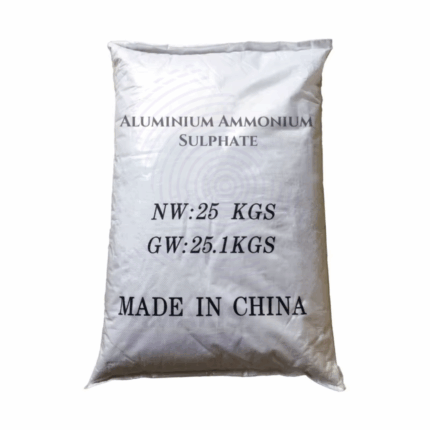
Aluminum Ammonium Sulphate
Aluminum ammonium sulphate, commonly known as ammonium alum or ammonium aluminum sulfate, is a crystalline chemical compound consisting of aluminum, ammonium, and sulfate ions. It typically appears as a colorless or white crystalline solid with astringent properties. It is widely used for its excellent coagulating, clarifying, and antiseptic properties. Aluminum ammonium sulphate finds applications in water purification, cosmetics, food processing, textile dyeing, and pharmaceuticals. Its ability to precipitate impurities and act as a mordant makes it invaluable in industries requiring precise control of chemical reactions, such as in the preparation of baking powder and fireproof textiles.
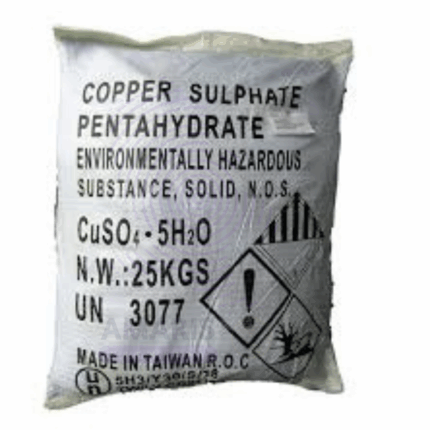
Copper Sulphate Pentahydrate
Copper Sulphate Pentahydrate (CuSO₄·5H₂O) is a bright blue crystalline solid widely used as a chemical reagent, agricultural fungicide, and analytical reagent. It consists of copper, sulfur, oxygen, and water molecules, forming a distinctive pentahydrate structure. This inorganic salt is highly soluble in water, exhibiting antifungal, algaecidal, and bactericidal properties. Copper Sulphate Pentahydrate is extensively employed in agriculture, industry, and laboratory applications due to its effectiveness, affordability, and well-understood chemistry.
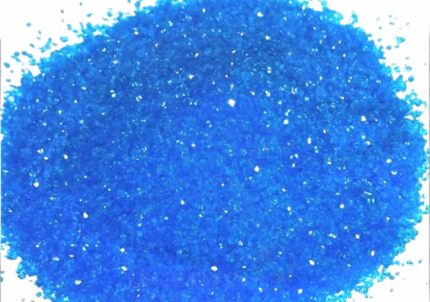
Cupric Sulphate Pentahydrate
Cupric Sulphate Pentahydrate (Copper(II) sulfate pentahydrate) is a bright blue crystalline solid with the chemical formula CuSO₄·5H₂O. It is the hydrated form of copper sulfate and is highly soluble in water. This compound is widely used in agriculture, chemical manufacturing, and laboratory applications due to its fungicidal, algicidal, and micronutrient properties. The pentahydrate form is the most common and commercially available, known for its vivid blue color and versatile reactivity.
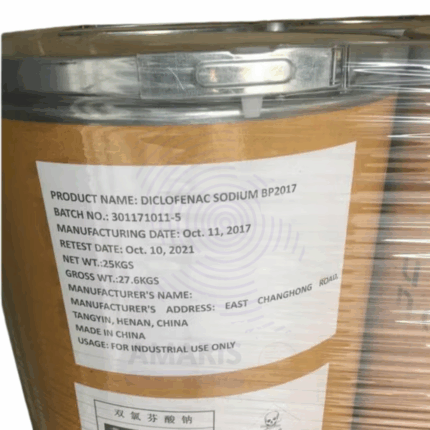
Diclofenac Sodium BP
Diclofenac Sodium is a nonsteroidal anti-inflammatory drug (NSAID) widely used for its potent analgesic, anti-inflammatory, and antipyretic properties. It is the sodium salt form of diclofenac, providing enhanced solubility and rapid absorption. Diclofenac Sodium BP (British Pharmacopoeia standard) ensures pharmaceutical-grade purity and compliance with stringent quality standards. It is commonly formulated in oral tablets, topical gels, injections, and ophthalmic preparations.
Diloxanide Furoate
Diloxanide Furoate is an orally administered antiprotozoal agent used primarily for the treatment of amoebiasis. It is a furan-based derivative that acts as a luminal amoebicide, effectively targeting Entamoeba histolytica cysts and trophozoites within the intestinal lumen. This compound is well-regarded for its efficacy in eradicating asymptomatic cyst carriers and as a follow-up treatment after systemic amoebicidal therapy. Diloxanide Furoate has good oral bioavailability and a favorable safety profile.

Diphenhydramine HCL BP
Diphenhydramine HCL BP is a first-generation antihistamine with potent anticholinergic, sedative, and antiemetic properties. It is commonly used to relieve symptoms associated with allergies, hay fever, the common cold, and motion sickness. Diphenhydramine HCL is a white crystalline powder, highly soluble in water, making it suitable for oral, topical, and injectable pharmaceutical formulations. Due to its ability to cross the blood-brain barrier, it causes sedation and is often used as a sleep aid and for managing Parkinson’s disease symptoms.
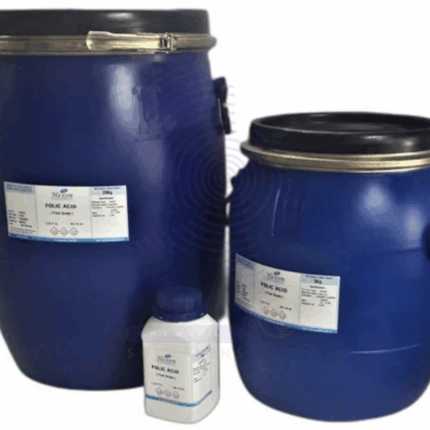
Folic Acid
Folic Acid, also known as Vitamin B9 or pteroylmonoglutamic acid, is a water-soluble vitamin essential for numerous physiological processes including DNA synthesis, repair, and methylation, as well as amino acid metabolism. It appears as a yellow to orange-yellow crystalline powder, odorless or with a faint characteristic odor. Folic Acid is vital for cell division and growth, making it critical during pregnancy and periods of rapid growth. It is widely used in the pharmaceutical, nutraceutical, food fortification, and cosmetic industries due to its role in preventing folate deficiency anemia, neural tube defects in newborns, and supporting overall cellular health.
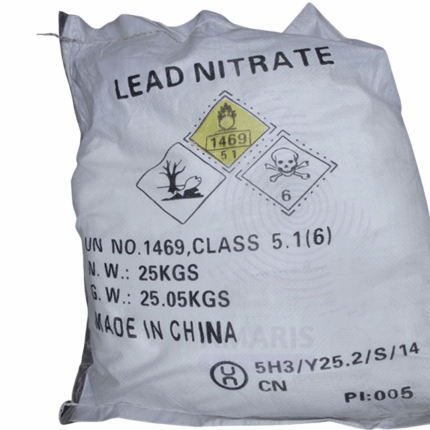
Lead Nitrate
Lead Nitrate is a white crystalline inorganic compound composed of lead and nitrate ions. It is highly soluble in water and commonly used in laboratories and industrial applications as an oxidizing agent, in the preparation of other lead compounds, and as a reagent in chemical synthesis. Lead Nitrate is known for its strong oxidizing properties and must be handled with care due to its toxicity and environmental hazards.












