

 Preservatives(food)
 Flavors
 Acidulants
 Sweeteners
 Antioxidants
 Colorants(food)
 Nutraceutical Ingredients (food)
 Nutrient Supplements
 Emulsifiers
 Collectors
 Dust Suppressants
 Explosives and Blasting Agents
 Flocculants and Coagulants
 Frothers
 Leaching Agents
 pH Modifiers
 Precious Metal Extraction Agents
 Antioxidants(plastic)
 Colorants (Pigments, Dyes)
 Fillers and Reinforcements
 Flame Retardants
 Monomers
 Plasticizers
 Polymerization Initiators
 Stabilizers (UV, Heat)
 Antifoaming Agents
 Chelating Agents
 Coagulants and Flocculants
 Corrosion Inhibitors
 Disinfectants and Biocides
 Oxidizing Agents
 pH Adjusters
 Scale Inhibitors( water)
 Antioxidants(cosmetic)
 Emollients
 Oils
Oils Carrier Oills
 Essential Oils
 Humectants
 Preservatives
 Surfactants(cosmetic)
 Thickeners
 UV Filters
 Fragrance (Cosmetics)
 Fertilizers
 Soil Conditioners
 Plant Growth Regulators
 Animal Feed Additives
 Biostimulants
 Pesticides (Herbicides, Insecticides, Fungicides)
 Active Pharmaceutical Ingredients (APIs)
 Excipients
 Solvents(pharmaceutical)
 Antibiotics
 Antiseptics and Disinfectants
 Vaccine Adjuvants
 Nutraceutical Ingredients (pharmaceutical)
 Analgesics & Antipyretics
 Analytical Reagents
 Solvents(lab)
 Chromatography Chemicals
 Spectroscopy Reagents
 microbiology-and-cell-culture-reagents
 Molecular Biology Reagents
 Biochemical Reagents
 Inorganic and Organic Standards
 Laboratory Safety Chemicals
 Specialty Laboratory Chemicals(Special Laboratory Equipment)
 Demulsifiers
 Hydraulic Fracturing Fluids
 Scale Inhibitors(oil)
 Surfactants(oil)
 Drilling Fluids
 Dyes and Pigments
 Bleaching Agents
 Softening Agents
 Finishing Agents
 Antistatic Agents
 Admixtures
 Waterproofing Agents
 Sealants and Adhesives
 Curing Compounds
 Concrete Repair Chemicals
 Anti-Corrosion Coatings
 Surfactants(cleaning)
 Builders
 Enzymes
 Solvents (Cleaning)
 Electronic Chemicals
 Catalysts
 Lubricants
 Photographic Chemicals
 Refrigerants
 Automotive chemicals
 Pyrotechnic Chemicals
 Biodegradable Surfactants
 Bio-based Solvents
 Renewable Polymers
 Carbon Capture Chemicals
 Wastewater Treatment Chemicals
 Pigments
 Solvents(paint)
 Specialty Coatings
 Binders/Resins
 Additives
 Driers
 Anti-Corrosion Agents
 Functional Coatings
 Application-Specific Coatings
 Leavening Agents
 Dough Conditioners
 Flour Treatments
 Fat Replacers
 Decoratives
 Preservatives(baking)
 Plasticizers & Softeners
 Reinforcing Agents
 Adhesion Promoters
 Vulcanizing Agents
 Antidegradants
 Blowing Agents
 Fillers & Extenders
 Accelerators & Retarders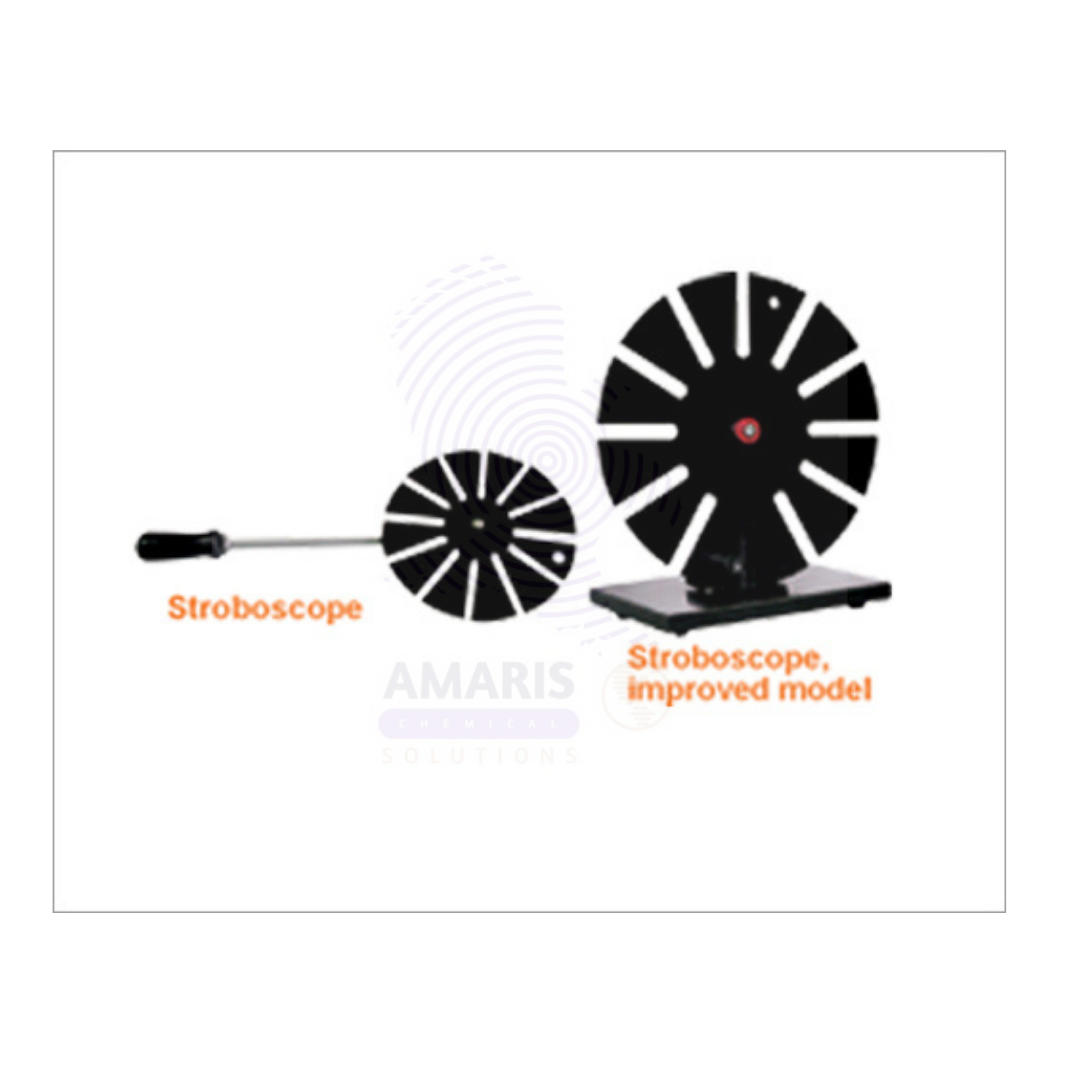



Hand Stroboscope
Original price was: $ 22.57.$ 22.45Current price is: $ 22.45.
Hand Stroboscope is a handheld optical device used to observe and analyze motion by producing regular flashes of light. It allows for the visual “freezing” or slowing down of moving objects by matching the strobe frequency with the motion frequency. Typically used in laboratories, mechanical workshops, and educational settings, the device assists in studying vibration, rotation, and motion behavior without physical contact. Hand stroboscopes are compact, battery-operated, and adjustable in frequency, making them ideal for on-site diagnostics and demonstration purposes.
Hand Stroboscope
Primary Uses
- Mechanical and Laboratory Applications
- Analyzing the motion of rotating machinery, such as motors and fans.
- Detecting imbalance, misalignment, or vibration issues in mechanical systems.
- Studying repetitive or oscillating motions in physics experiments.
- Observing timing and synchronization in rotating devices.
- Non-intrusive inspection of moving parts in industrial environments.
Secondary Uses
- Educational and Industrial Applications
- Teaching concepts of frequency, motion, and visual perception in physics classes.
- Quality control checks in assembly lines and production environments.
- Visual examination of printing press rollers, gear teeth, and textile machines.
- Used in photography and cinematography for visual effects and motion analysis.
1.Basic Identification Attributes
- Material: Durable plastic or metal casing with LED or xenon flash source
- Components: Light emitter, frequency dial or control, power supply (battery or rechargeable)
- Frequency Range: Adjustable flash rate (typically up to several thousand flashes per minute)
2.Physical & Chemical Properties
- Lightweight, portable, and ergonomically designed for handheld use
- Produces high-intensity flashes with minimal heat output
3.Safety & Hazard Attributes
- Flashing light may pose risk to individuals with photosensitive epilepsy
- Should not be pointed directly into the eyes
4.Storage & Handling Attributes
- Store in a cool, dry place away from direct sunlight and moisture
- Recharge or replace batteries as needed to maintain performance
5.Regulatory & Compliance Attributes
- Manufactured to meet safety and laboratory electrical equipment standards
6.Environmental & Health Impact
- Low environmental impact with proper battery disposal
- Reusable and energy-efficient with LED-based models
Safety Handling Precautions
- Do not disassemble or modify internal electrical components
- Avoid using in explosive or highly flammable environments
First Aid Measures
- In case of eye strain or discomfort from strobe exposure, rest eyes and avoid further exposure
- For electrical shock (in case of damage), disconnect power and seek medical attention if needed
Firefighting Measures
- Non-flammable casing; use standard extinguishers for surrounding materials
- Disconnect battery or power source if safe to do so during fire
Related products
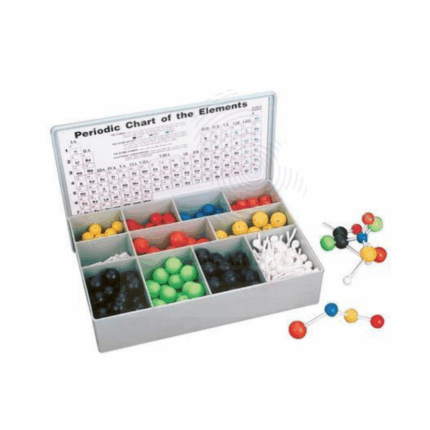
Atomic Model Set
The Atomic Model Set is an educational tool designed to visually demonstrate the structure of atoms and molecules. It consists of color-coded balls representing protons, neutrons, and electrons, connected by rods to simulate atomic bonds. This set is widely used in classrooms, laboratories, and training centers to aid in the teaching of atomic theory, molecular geometry, chemical bonding, and related concepts. Made from durable plastic materials, the set provides a hands-on, interactive experience that enhances understanding of complex scientific principles.
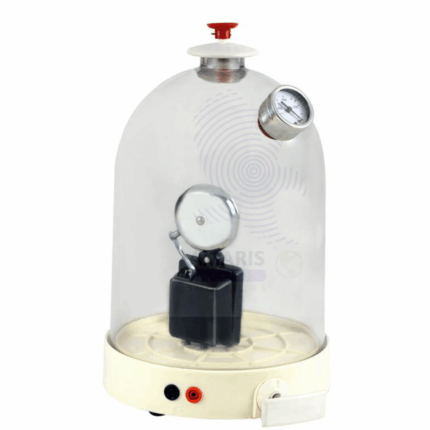
Bell in Vacuum with Air Pump with Plate
Bell in Vacuum with Air Pump with Plate is an integrated vacuum apparatus used to create and maintain low-pressure environments for laboratory and industrial applications. This assembly includes a vacuum bell, an air pump to evacuate air from the chamber, and a sturdy plate to support or seal samples or components during vacuum processes. Designed for durability and reliability, it is widely used in experiments requiring controlled atmospheric pressure, including vacuum filtration, drying, and physical science demonstrations.

Chromatogram Paper
Chromatogram Paper is a specialized high-quality absorbent paper used primarily in chromatography techniques for the separation and analysis of chemical substances. Manufactured to have consistent texture and porosity, it facilitates effective migration of solvents and analytes, allowing clear and reproducible chromatographic patterns. Widely utilized in laboratories for qualitative and quantitative chemical analysis, Chromatogram Paper is essential for research, quality control, and educational purposes.

Contact key
Product Description
The Contact Key is a fundamental switching device used in electrical circuits to manually open or close the flow of current. Commonly used in physics laboratories for demonstration and experimentation with circuits, it enables controlled activation of current for brief or sustained durations. Made from durable, conductive metals with insulating bases, Contact Keys are essential components in circuit testing, timing devices, and low-voltage experimental setups.
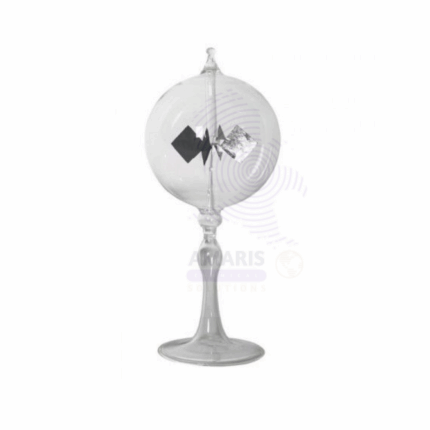
Crookes radiometer
The Crookes Radiometer, also known as a light mill, is a scientific apparatus consisting of a glass bulb containing a partial vacuum and a rotor with vanes coated black on one side and white or silver on the other. When exposed to light or radiant energy, the vanes rotate due to differential thermal transpiration, demonstrating principles of gas kinetics and energy conversion. It is commonly used for educational demonstrations of light pressure and thermodynamics.
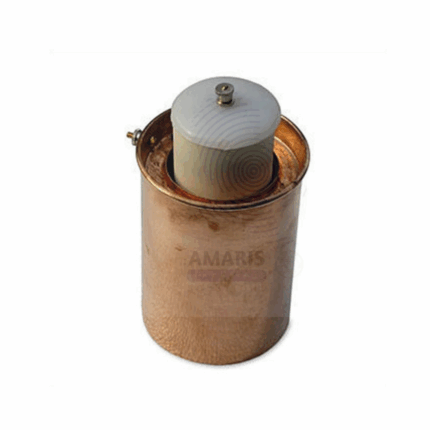
Daniel cell
The Daniel Cell is a classic electrochemical cell consisting of zinc and copper electrodes immersed in their respective sulfate solutions and connected by a salt bridge. It generates electrical energy through redox reactions and is used primarily for educational and laboratory demonstrations in electrochemistry.
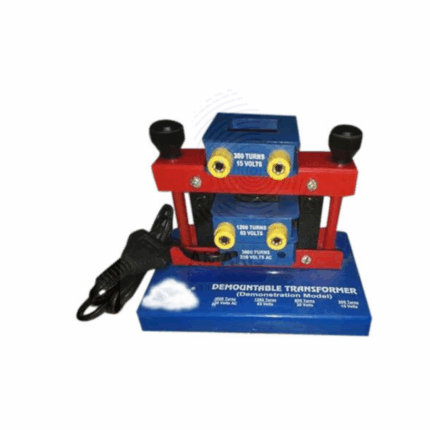
Demonstration transformer
The Demonstration Transformer is an educational and laboratory device designed to illustrate the principles of electromagnetic induction, voltage transformation, and mutual inductance. Typically composed of a laminated iron core with interchangeable primary and secondary coils, it allows for hands-on experiments involving step-up and step-down voltage transformation. Ideal for both laboratory demonstrations and industrial training settings, it supports a range of voltage and current inputs and can safely demonstrate real-time transformer behavior using AC power sources.
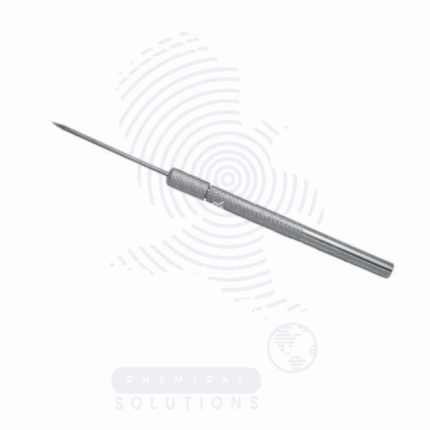
Dissecting Needle
A Dissecting Needle is a fine, pointed instrument used in biological and medical dissections to tease apart tissues, separate layers, and manipulate small structures. Typically constructed from stainless steel or surgical-grade metal, the needle has a sharp tip mounted on a rigid handle, providing precision and control during delicate procedures. Dissecting needles are essential tools in anatomy labs, research facilities, and surgical settings for detailed tissue work, facilitating clearer visibility and accurate separation without causing unnecessary damage.












