

 Preservatives(food)
 Flavor Enhancers
 Acidulants
 Sweeteners
 Antioxidants
 Colorants(food)
 Nutraceutical Ingredients (food)
 Nutrient Supplements
 Emulsifiers
 Collectors
 Dust Suppressants
 Explosives and Blasting Agents
 Flocculants and Coagulants
 Frothers
 Leaching Agents
 pH Modifiers
 Precious Metal Extraction Agents
 Antioxidants(plastic)
 Colorants (Pigments, Dyes)
 Fillers and Reinforcements
 Flame Retardants
 Monomers
 Plasticizers
 Polymerization Initiators
 Stabilizers (UV, Heat)
 Antifoaming Agents
 Chelating Agents
 Coagulants and Flocculants
 Corrosion Inhibitors
 Disinfectants and Biocides
 Oxidizing Agents
 pH Adjusters
 Scale Inhibitors( water)
 Antioxidants(cosmetic)
 Emollients
 Fragrances and Essential Oils
 Humectants
 Preservatives
 Surfactants(cosmetic)
 Thickeners
 UV Filters
 Fertilizers
 Soil Conditioners
 Plant Growth Regulators
 Animal Feed Additives
 Biostimulants
 Pesticides (Herbicides, Insecticides, Fungicides)
 Active Pharmaceutical Ingredients (APIs)
 Excipients
 Solvents(pharmaceutical)
 Antibiotics
 Antiseptics and Disinfectants
 Vaccine Adjuvants
 Nutraceutical Ingredients (pharmaceutical)
 Analgesics & Antipyretics
 Analytical Reagents
 Solvents(lab)
 Chromatography Chemicals
 Spectroscopy Reagents
 microbiology-and-cell-culture-reagents
 Molecular Biology Reagents
 Biochemical Reagents
 Inorganic and Organic Standards
 Laboratory Safety Chemicals
 Specialty Laboratory Chemicals(Special Laboratory Equipment)
 Demulsifiers
 Hydraulic Fracturing Fluids
 Scale Inhibitors(oil)
 Surfactants(oil)
 Drilling Fluids
 Dyes and Pigments
 Bleaching Agents
 Softening Agents
 Finishing Agents
 Antistatic Agents
 Admixtures
 Waterproofing Agents
 Sealants and Adhesives
 Curing Compounds
 Concrete Repair Chemicals
 Anti-Corrosion Coatings
 Surfactants(cleaning)
 Builders
 Enzymes
 Solvents (Cleaning)
 Fragrances
 Electronic Chemicals
 Catalysts
 Lubricants
 Photographic Chemicals
 Refrigerants
 Automotive chemicals
 Pyrotechnic Chemicals
 Biodegradable Surfactants
 Bio-based Solvents
 Renewable Polymers
 Carbon Capture Chemicals
 Wastewater Treatment Chemicals
 Pigments
 Solvents(paint)
 Specialty Coatings
 Binders/Resins
 Additives
 Driers
 Anti-Corrosion Agents
 Functional Coatings
 Application-Specific Coatings
 Leavening Agents
 Dough Conditioners
 Flour Treatments
 Fat Replacers
 Decoratives
 Preservatives(baking)
 Plasticizers & Softeners
 Reinforcing Agents
 Adhesion Promoters
 Vulcanizing Agents
 Antidegradants
 Blowing Agents
 Fillers & Extenders
 Accelerators & Retarders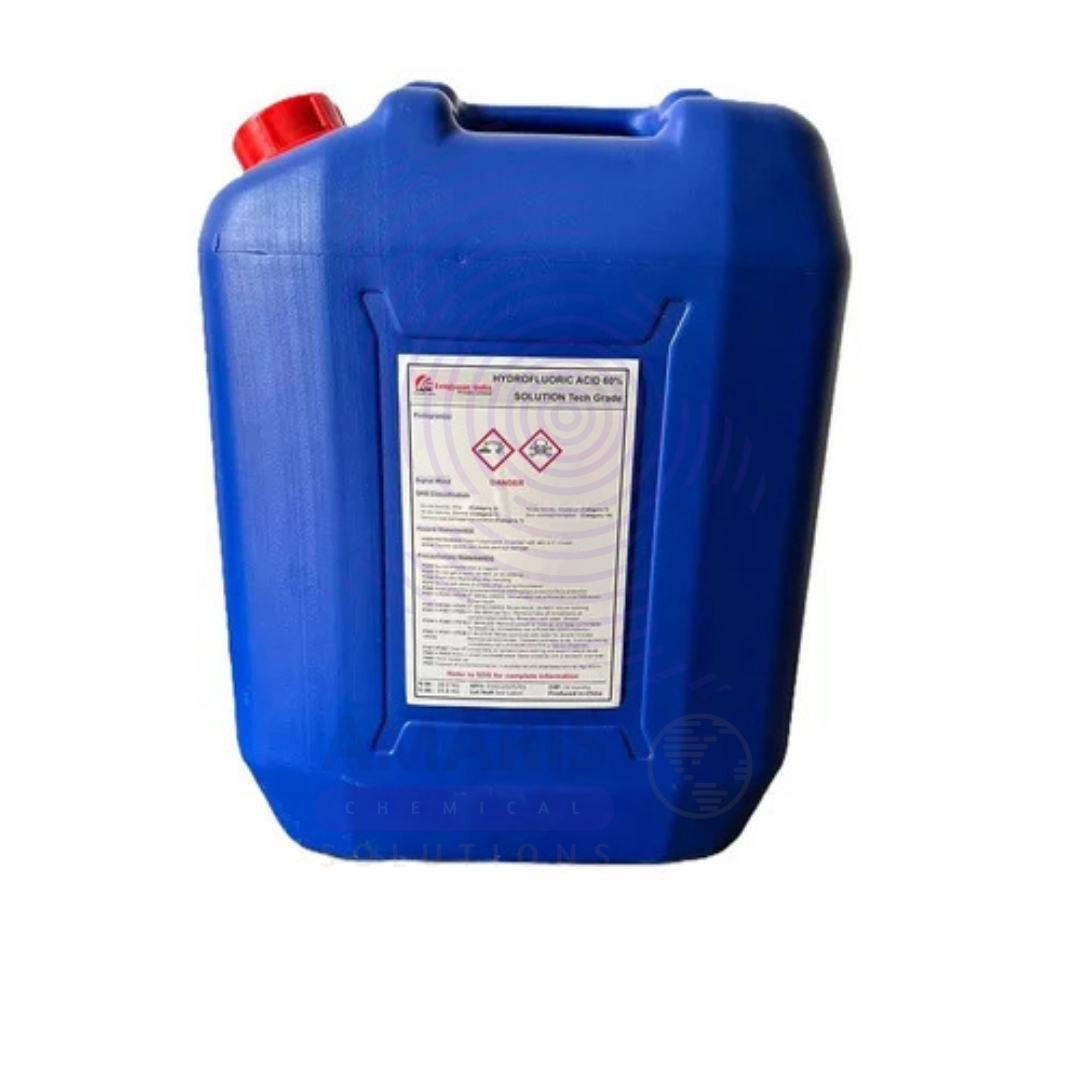




Hydrofluoric Acid
Original price was: $ 7.90.$ 7.74Current price is: $ 7.74.
Hydrofluoric Acid is a highly corrosive aqueous solution of hydrogen fluoride gas dissolved in water. It is a colorless to pale yellow fuming liquid with a strong pungent odor. Unlike other mineral acids, HF is a weak acid chemically but uniquely reactive due to its ability to dissolve silica and glass, and penetrate tissues deeply. This makes it invaluable in numerous industrial, laboratory, and specialized applications but also highly hazardous.
Hydrofluoric Acid
Primary Uses
- Industrial and Manufacturing Applications
- Glass and Quartz Etching: HF is extensively used for precise etching, frosting, and engraving on glass, quartz, and silica-based materials for decorative, optical, and industrial purposes.
- Metal Cleaning and Pickling: Efficient at removing oxides, rust, and scales from stainless steel, aluminum, and other metals prior to plating or fabrication.
- Chemical Synthesis: Key reagent and catalyst in the manufacture of fluorinated compounds, such as hydrofluorocarbons (HFCs), fluoropolymers (e.g., PTFE/Teflon), refrigerants, and pharmaceuticals.
- Petroleum Refining: Used as a catalyst in the alkylation process to produce high-octane gasoline components, improving fuel quality.
- Silicon and Semiconductor Processing: Critical in microelectronics for etching silicon wafers and cleaning delicate components in chip manufacturing.
- Laboratory and Analytical Uses
- Sample Preparation: For elemental analysis, HF digests silicate and mineral samples by dissolving silica matrices to allow metal analysis.
- Surface Treatment: Used to clean and prepare surfaces of ceramics and electronic materials.
- Environmental and Waste Treatment
- Occasionally employed in highly controlled settings to neutralize or break down fluorinated wastes or residues.
Secondary Uses
- Dental and Medical Applications
- Dental Etching: Used at much lower concentrations to etch tooth enamel during restorative dentistry procedures, enhancing bonding of fillings and sealants.
- Art and Craft
- Used by artists and glassmakers to create frost patterns and textures on glass objects and artworks.
- Specialized Industrial Cleaning
- Cleaning of scale and deposits in industrial equipment, pipelines, and reactors where silica or metal oxides accumulate.
- Electronics and Optics
- Etching and cleaning optical fibers, lenses, and precision glass instruments to improve clarity and performance.
- Research and Development
- Used in chemical research for synthesis and as a reagent for fluoride ion introduction in complex organic reactions.
1. Basic Identification Attributes
- Chemical Name (IUPAC): Hydrogen fluoride (aqueous)
- Common/Trade Name: Hydrofluoric Acid 50%
- CAS Number: 7664-39-3
- HS Code: 2811.12.00
- Molecular Formula: HF (aqueous)
- Synonyms: Fluoric acid; Hydrogen fluoride solution
2. Physical & Chemical Properties
- Physical State: Liquid
- Color & Odor: Colorless to pale yellow; sharp, pungent odor
- Boiling Point: Approx. 108 °C at 50% concentration
- Density: ~1.15 g/cm³
- Solubility: Miscible with water
- pH: <1 (strongly acidic)
- Corrosivity: Highly corrosive to skin, glass, metals, and tissues
3. Safety & Hazard Attributes
- GHS Classification:
- Skin corrosion/irritation: Category 1A
- Serious eye damage/irritation: Category 1
- Specific target organ toxicity (single exposure): Category 3 (respiratory irritation)
- Toxicity: Extremely toxic via skin contact, inhalation, and ingestion
- Exposure Limits: OSHA PEL 3 ppm; ACGIH TLV 0.5 ppm (ceiling)
4. Storage & Handling Attributes
- Container Type: Polyethylene, Teflon, or HF-resistant plastic containers only
- Storage Conditions: Cool, dry, ventilated area, away from bases, metals, and oxidizers
- Shelf Life: Stable up to 24 months if stored properly
- Handling Notes: Extreme care with full PPE and emergency protocols
5. Regulatory & Compliance Attributes
- Regulated as hazardous substance by OSHA, EPA, REACH, and transport authorities
- Labeling and documentation required for transport and storage
6. Environmental & Health Impact
- Not biodegradable; environmentally hazardous to aquatic organisms
- Not bioaccumulative but highly toxic in environmental exposures
- No known carcinogenicity but severe acute toxicity and systemic effects
Safety Handling Precautions
- PPE: Acid-resistant gloves, full-face shield, protective apron, respirator with acid gas cartridges
- Handling: Use in fume hoods; avoid skin contact and inhalation; calcium gluconate gel must be readily available for emergency treatment
- Hygiene: No eating or smoking; thorough washing after use
First Aid Measures
- Inhalation: Move to fresh air immediately; provide oxygen if necessary; seek urgent medical attention
- Skin Contact: Rinse with water continuously for 15+ minutes; apply calcium gluconate gel; urgent medical care required
- Eye Contact: Flush eyes with water for at least 15 minutes; immediate medical attention essential
- Ingestion: Do NOT induce vomiting; rinse mouth; seek emergency care immediately
Firefighting Measures
- Fire Hazards: Not flammable but reacts with metals releasing flammable hydrogen gas
- Extinguishing Media: Water spray preferred; foam, dry chemical, CO₂ acceptable for surrounding fire
- Precautions: Firefighters require SCBA and acid-resistant gear
- Decomposition Products: Toxic fluorine-containing gases and hydrogen gas
Related products
Hexane
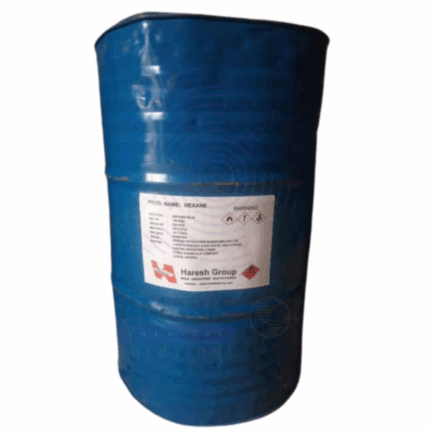
Hexane is a colorless, volatile, and highly flammable hydrocarbon solvent belonging to the alkane series with the chemical formula C6H14. It is a mixture of isomers, primarily n-hexane, with a faint gasoline-like odor. Hexane is widely used as an industrial solvent due to its non-polar characteristics, low boiling point, and excellent ability to dissolve oils, fats, waxes, and resins. It is commonly obtained from petroleum refining and is a key component in formulations requiring rapid evaporation and strong solvency. Hexane finds broad applications in chemical synthesis, extraction, cleaning, and manufacturing sectors.
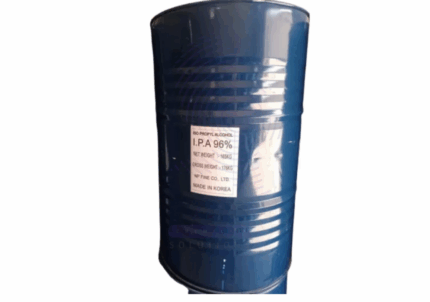
Isopropyl Alcohol Tech Grade (IPA)
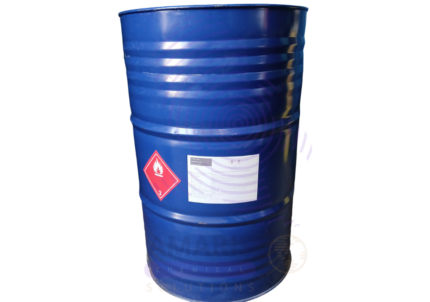
Isopropyl Alcohol Tech Grade is a colorless, flammable liquid with a strong, characteristic alcohol odor. It is a solution containing approximately 85% isopropanol by volume, with the remainder primarily water. This technical-grade IPA is widely used as a solvent, disinfectant, and cleaning agent in industrial, pharmaceutical, and household applications. The 85% concentration balances efficacy with safety and evaporation rate, making it versatile for various uses.
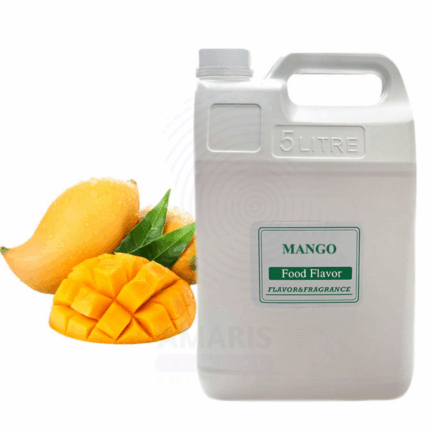
Mango Liquid Flavor
Mango Liquid Flavor Food Grade is a vibrant and natural-tasting flavoring agent that replicates the sweet, juicy, and tropical essence of ripe mangoes. This high-quality liquid flavor is specially formulated for use in food and beverage applications, providing a consistent and authentic mango aroma and taste. Its excellent solubility and stability make it ideal for use in beverages, confectionery, dairy products, baked goods, and other food formulations, enhancing product appeal with a fresh tropical note.
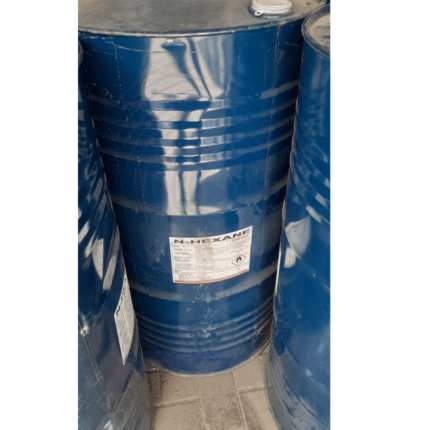
Normal Hexane
Normal Hexane is a colorless, highly flammable liquid hydrocarbon with the chemical formula C6H14. It belongs to the aliphatic hydrocarbon family and is primarily used as a solvent due to its excellent ability to dissolve oils, fats, and various organic compounds. It has a low boiling point and evaporates quickly, making it ideal for industrial and laboratory applications.
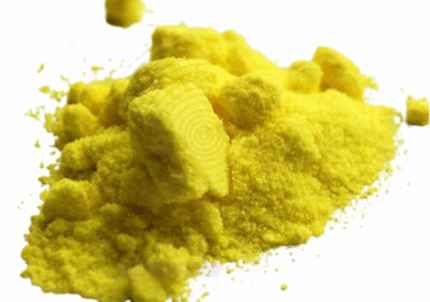
Potassium Chromate
Potassium Chromate is an inorganic chemical compound and a bright yellow crystalline solid commonly used as an oxidizing agent and pigment. It serves as a source of chromate ions in various chemical, industrial, and laboratory applications. Due to its toxic and carcinogenic nature, careful handling and strict regulatory compliance are essential. Potassium Chromate is widely used in corrosion inhibition, dyeing, and chemical synthesis processes.
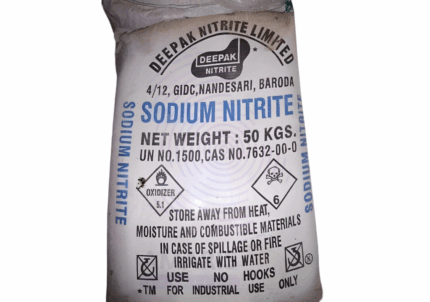
Sodium Nitrite
Sodium Nitrite is an inorganic white to slightly yellowish crystalline powder with the chemical formula NaNO₂. This versatile chemical serves as a powerful reducing agent, corrosion inhibitor, and food preservative, widely used in meat curing, pharmaceutical synthesis, and industrial applications. Its oxidative properties make it valuable for dye manufacturing and rubber processing while requiring careful handling due to its toxicity.
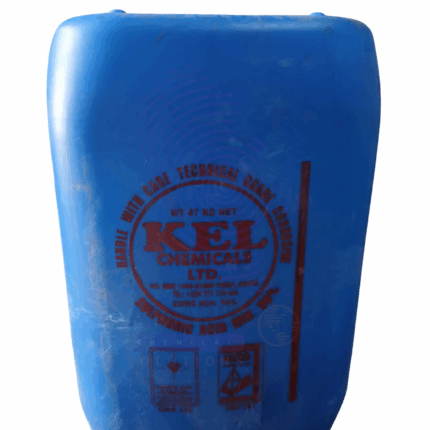
Sulphuric Acid
Sulphuric Acid is a dense, highly corrosive, and strong mineral acid widely used as a fundamental chemical reagent and industrial raw material. It serves as a key component in fertilizer production, chemical synthesis, petroleum refining, and many other industrial processes. The 98% concentration is the concentrated, nearly pure form commonly utilized for manufacturing and processing applications demanding high acid strength and purity.
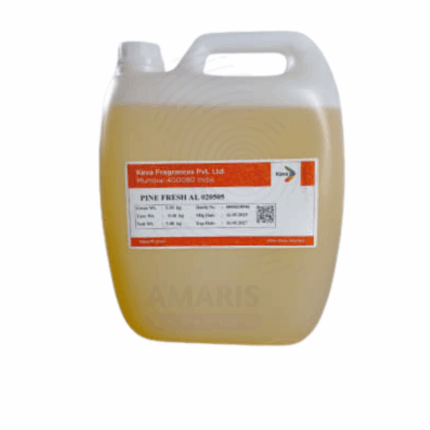
Unipine Fragrance Water Soluble
Unipine Fragrance Water Soluble is a fresh, crisp, pine-based aromatic compound formulated for use in water-based systems. It replicates the clean, invigorating scent of pine forests with subtle herbal and woody undertones, making it a popular choice in air fresheners, cleaning agents, and personal care formulations. Its water-soluble nature allows for easy incorporation into aqueous products without the need for emulsifiers, ensuring even fragrance dispersion and stability. Unipine fragrance offers excellent performance in both homecare and hygiene applications where a natural, clean aroma is desired.












