

 Preservatives(food)
 Flavor Enhancers
 Acidulants
 Sweeteners
 Antioxidants
 Colorants(food)
 Nutraceutical Ingredients (food)
 Nutrient Supplements
 Emulsifiers
 Collectors
 Dust Suppressants
 Explosives and Blasting Agents
 Flocculants and Coagulants
 Frothers
 Leaching Agents
 pH Modifiers
 Precious Metal Extraction Agents
 Antioxidants(plastic)
 Colorants (Pigments, Dyes)
 Fillers and Reinforcements
 Flame Retardants
 Monomers
 Plasticizers
 Polymerization Initiators
 Stabilizers (UV, Heat)
 Antifoaming Agents
 Chelating Agents
 Coagulants and Flocculants
 Corrosion Inhibitors
 Disinfectants and Biocides
 Oxidizing Agents
 pH Adjusters
 Scale Inhibitors( water)
 Antioxidants(cosmetic)
 Emollients
 Fragrances and Essential Oils
 Humectants
 Preservatives
 Surfactants(cosmetic)
 Thickeners
 UV Filters
 Fertilizers
 Soil Conditioners
 Plant Growth Regulators
 Animal Feed Additives
 Biostimulants
 Pesticides (Herbicides, Insecticides, Fungicides)
 Active Pharmaceutical Ingredients (APIs)
 Excipients
 Solvents(pharmaceutical)
 Antibiotics
 Antiseptics and Disinfectants
 Vaccine Adjuvants
 Nutraceutical Ingredients (pharmaceutical)
 Analgesics & Antipyretics
 Analytical Reagents
 Solvents(lab)
 Chromatography Chemicals
 Spectroscopy Reagents
 microbiology-and-cell-culture-reagents
 Molecular Biology Reagents
 Biochemical Reagents
 Inorganic and Organic Standards
 Laboratory Safety Chemicals
 Specialty Laboratory Chemicals(Special Laboratory Equipment)
 Demulsifiers
 Hydraulic Fracturing Fluids
 Scale Inhibitors(oil)
 Surfactants(oil)
 Drilling Fluids
 Dyes and Pigments
 Bleaching Agents
 Softening Agents
 Finishing Agents
 Antistatic Agents
 Admixtures
 Waterproofing Agents
 Sealants and Adhesives
 Curing Compounds
 Concrete Repair Chemicals
 Anti-Corrosion Coatings
 Surfactants(cleaning)
 Builders
 Enzymes
 Solvents (Cleaning)
 Fragrances
 Electronic Chemicals
 Catalysts
 Lubricants
 Photographic Chemicals
 Refrigerants
 Automotive chemicals
 Pyrotechnic Chemicals
 Biodegradable Surfactants
 Bio-based Solvents
 Renewable Polymers
 Carbon Capture Chemicals
 Wastewater Treatment Chemicals
 Pigments
 Solvents(paint)
 Specialty Coatings
 Binders/Resins
 Additives
 Driers
 Anti-Corrosion Agents
 Functional Coatings
 Application-Specific Coatings
 Leavening Agents
 Dough Conditioners
 Flour Treatments
 Fat Replacers
 Decoratives
 Preservatives(baking)
 Plasticizers & Softeners
 Reinforcing Agents
 Adhesion Promoters
 Vulcanizing Agents
 Antidegradants
 Blowing Agents
 Fillers & Extenders
 Accelerators & Retarders


Light White Mineral Oil Tech Grade
Light White Mineral Oil Tech Grade is a highly refined, colorless, odorless, and tasteless petroleum-derived oil. It is characterized by its low viscosity and excellent lubricating properties. This technical-grade mineral oil undergoes stringent purification processes to remove impurities, making it suitable for various industrial, cosmetic, pharmaceutical, and food-related applications. Its chemical stability, non-reactivity, and safety profile make it a versatile ingredient and lubricant in many manufacturing and processing sectors.
Light White Mineral Oil Tech Grade
Primary Uses
- Industrial Applications
- Lubricant: Used as a general-purpose lubricant for machinery, bearings, and equipment where light, non-staining oils are required.
- Hydraulic Fluids: Acts as a base oil in hydraulic systems for smooth and consistent operation.
- Metalworking: Employed in metal cutting, grinding, and polishing processes to reduce friction and heat.
- Pharmaceutical and Cosmetic Industry
- Ingredient in ointments, creams, lotions, and baby oils due to its inert and non-irritating nature.
- Used as a base or carrier oil for active ingredients in topical formulations.
- Emollient: Provides moisturizing properties in skin care products.
- Food Industry
- Food-grade versions (with additional refining) are used as release agents, lubricants, or anti-foaming agents in food processing machinery.
- Chemical Industry
- Solvent and diluent for certain chemicals and formulations requiring inert, stable oils.
Secondary Uses
- Agriculture
- Used as a carrier oil for pesticides and herbicides, enhancing application and adhesion.
- Textile Industry
- Acts as a finishing oil for fabrics to improve texture and softness.
- Household Products
- Ingredient in polishes, conditioners, and protective sprays for wood and leather.
1. Basic Identification Attributes
- Chemical Name (IUPAC): Mixture of saturated hydrocarbons (C15–C40)
- Common/Trade Name: Light White Mineral Oil; Technical Grade Mineral Oil
- CAS Number: 8042-47-5
- HS Code: 2710.19.23
- Synonyms: Paraffinic oil; white oil; liquid paraffin (technical grade)
2. Physical & Chemical Properties
- Physical State: Clear, colorless liquid
- Odor: Odorless
- Viscosity: Low to medium, depending on grade
- Density: Approx. 0.85 g/cm³
- Flash Point: Typically >150 °C
- Solubility: Insoluble in water; soluble in organic solvents
3. Safety & Hazard Attributes
- GHS Classification: Not classified as hazardous
- Toxicity: Low toxicity; generally considered safe for industrial use
- Exposure Limits: No specific occupational limits, but avoid prolonged skin contact
4. Storage & Handling Attributes
- Storage Conditions: Store in a cool, dry, well-ventilated area away from ignition sources
- Container Type: Stored in sealed metal or plastic drums and containers
- Shelf Life: Typically 3-5 years if stored properly
- Handling Precautions: Avoid skin contact and inhalation of mist or vapors
5. Regulatory & Compliance Attributes
- Complies with relevant industrial and cosmetic regulatory standards depending on grade
- Food-grade mineral oil variants meet FDA and EFSA regulations for indirect food contact
6. Environmental & Health Impact
- Biodegradability: Slowly biodegradable; persistent in the environment
- Ecotoxicity: Low toxicity but avoid release to waterways to prevent contamination
- Bioaccumulation: Potential to bioaccumulate in aquatic organisms
- Carcinogenicity/Mutagenicity: Not classified as carcinogenic
Safety Handling Precautions
- PPE Required: Gloves and protective clothing recommended for prolonged exposure
- Handling Guidelines: Use adequate ventilation; avoid skin and eye contact
- Storage Measures: Keep containers tightly closed; avoid exposure to heat and ignition sources
First Aid Measures
- Inhalation: Move to fresh air if respiratory irritation occurs
- Skin Contact: Wash with soap and water; seek medical advice if irritation develops
- Eye Contact: Rinse immediately with water for at least 15 minutes; seek medical attention if irritation persists
- Ingestion: Rinse mouth; seek medical attention if symptoms occur
Firefighting Measures
- Fire Hazards: Combustible liquid; may form explosive mixtures with air at elevated temperatures
- Extinguishing Media: Use foam, dry chemical, or CO2 extinguishers
- Special Precautions: Wear full protective equipment and self-contained breathing apparatus in confined spaces
- Hazardous Combustion Products: Carbon monoxide, carbon dioxide, and hydrocarbons
Related products

Chlorinated Paraffin
Chlorinated paraffins are complex mixtures of polychlorinated n-alkanes produced by reacting chlorine gas with unbranched paraffin fractions derived from petroleum distillation. They appear as colorless or yellowish viscous liquids or solids depending on chain length and chlorine content. Chlorinated paraffins are classified based on carbon chain length into short-chain, medium-chain, and long-chain varieties. Technical grade chlorinated paraffins are manufactured for industrial applications including plasticizers, flame retardants, metalworking additives, and surface coatings. They exhibit excellent compatibility with polymers, high thermal stability, water resistance, and chemical resistance.
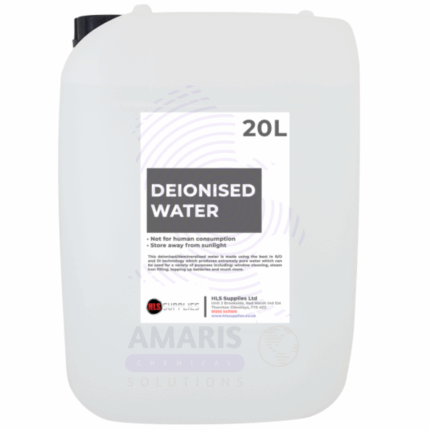
Deionized Water
Deionized Water (DI Water), also known as demineralized water, is highly purified water that has had almost all of its mineral ions (such as sodium, calcium, iron, copper, chloride, and sulfate) removed through ion exchange, reverse osmosis, or other purification methods. It is a clear, colorless, odorless liquid with extremely low electrical conductivity and is considered chemically pure. Deionized water is used in applications where water purity is critical, including pharmaceuticals, electronics, cosmetics, laboratory use, and various industrial processes. Its lack of minerals makes it highly reactive with contaminants, which makes it both useful and sensitive in technical applications.
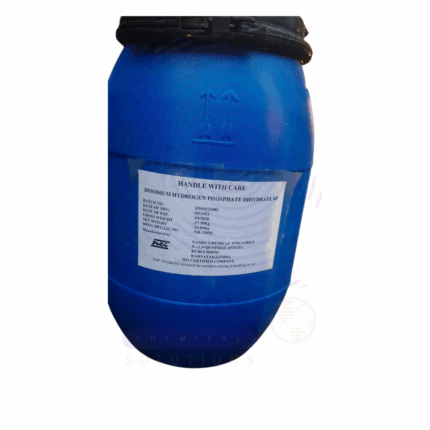
Disodium Hydrogen Phosphate Dihydrate
Disodium Hydrogen Phosphate Dihydrate is the hydrated form of disodium hydrogen phosphate, a white crystalline powder commonly used as a buffering agent, emulsifier, and sequestrant. The dihydrate form contains two water molecules per formula unit, which affects its physical properties such as melting point and solubility. It is widely applied in food, pharmaceutical, water treatment, and industrial processes to maintain pH stability, improve texture, and supply essential sodium and phosphate ions.
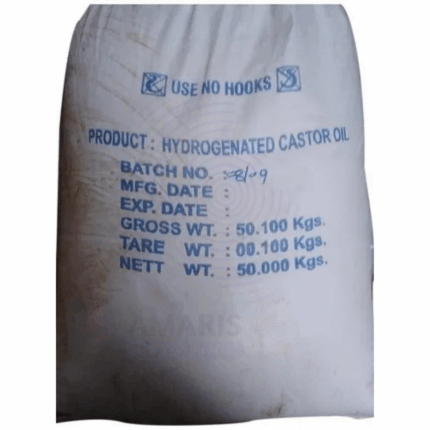
Hydrogenated Castor Oil
Hydrogenated Castor Oil, also known as castor wax, is a hard, brittle, and high-melting-point wax derived by the hydrogenation of pure castor oil. This white to off-white, odorless substance is non-toxic and insoluble in water but dispersible in surfactant systems. Its primary component is hydrogenated ricinoleic acid triglyceride, and it is prized for its excellent lubricating, emulsifying, thickening, and consistency-enhancing properties.
Due to its stability, non-reactivity, and film-forming capability, Hydrogenated Castor Oil is widely used in cosmetics, personal care, pharmaceuticals, industrial lubricants, coatings, plastics, and more. It improves product texture, enhances emulsion stability, and provides moisture retention in skincare applications.
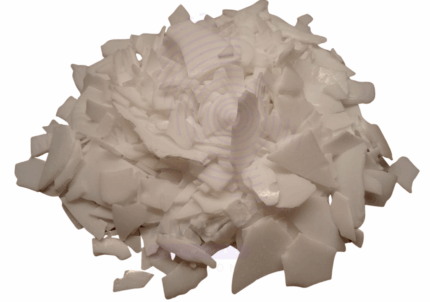
Polyvinyl Chloride PE Wax
Polyvinyl Chloride PE Wax is a polyethylene-based wax additive used in PVC formulations to improve processing, lubrication, and surface finish. It serves as an internal and external lubricant in both rigid and flexible PVC products, enhancing extrusion, molding, and calendaring operations. It also contributes to better dispersion of fillers and pigments, reduced friction, and improved thermal stability. PE Wax for PVC is available in powder, flake, or granule form and is valued for its compatibility, thermal resistance, and cost-effectiveness.

Potassium Sorbate FCC
Potassium Sorbate FCC (Food Chemical Codex) is the potassium salt of sorbic acid, a white crystalline powder widely used as a food preservative. It effectively inhibits the growth of molds, yeasts, and some bacteria, thus extending the shelf life of various food and beverage products. Known for its low toxicity and minimal impact on flavor, Potassium Sorbate is a preferred preservative in food, cosmetics, and pharmaceutical industries.

Renolin B
Renolin B is a high-quality mineral oil-based lubricant commonly used as a hydraulic oil, compressor oil, and general-purpose industrial lubricant. It features excellent oxidation stability, good thermal properties, and effective anti-wear performance. Renolin B is suitable for a wide range of industrial machinery and equipment, providing reliable lubrication, corrosion protection, and extended service life under moderate operating conditions

Zinc Stearate
Zinc Stearate is a fine, white powder composed of zinc salts of stearic acid. It is a hydrophobic, non-toxic metal soap widely used as a lubricant, release agent, and stabilizer in plastics, rubber, paints, coatings, and personal care industries. Known for its excellent mold-release properties and compatibility with a range of polymers, Zinc Stearate offers thermal stability and processing efficiency across industrial applications.












