

 Preservatives(food)
 Flavor Enhancers
 Acidulants
 Sweeteners
 Antioxidants
 Colorants(food)
 Nutraceutical Ingredients (food)
 Nutrient Supplements
 Emulsifiers
 Collectors
 Dust Suppressants
 Explosives and Blasting Agents
 Flocculants and Coagulants
 Frothers
 Leaching Agents
 pH Modifiers
 Precious Metal Extraction Agents
 Antioxidants(plastic)
 Colorants (Pigments, Dyes)
 Fillers and Reinforcements
 Flame Retardants
 Monomers
 Plasticizers
 Polymerization Initiators
 Stabilizers (UV, Heat)
 Antifoaming Agents
 Chelating Agents
 Coagulants and Flocculants
 Corrosion Inhibitors
 Disinfectants and Biocides
 Oxidizing Agents
 pH Adjusters
 Scale Inhibitors( water)
 Antioxidants(cosmetic)
 Emollients
 Fragrances and Essential Oils
 Humectants
 Preservatives
 Surfactants(cosmetic)
 Thickeners
 UV Filters
 Fertilizers
 Soil Conditioners
 Plant Growth Regulators
 Animal Feed Additives
 Biostimulants
 Pesticides (Herbicides, Insecticides, Fungicides)
 Active Pharmaceutical Ingredients (APIs)
 Excipients
 Solvents(pharmaceutical)
 Antibiotics
 Antiseptics and Disinfectants
 Vaccine Adjuvants
 Nutraceutical Ingredients (pharmaceutical)
 Analgesics & Antipyretics
 Analytical Reagents
 Solvents(lab)
 Chromatography Chemicals
 Spectroscopy Reagents
 microbiology-and-cell-culture-reagents
 Molecular Biology Reagents
 Biochemical Reagents
 Inorganic and Organic Standards
 Laboratory Safety Chemicals
 Specialty Laboratory Chemicals(Special Laboratory Equipment)
 Demulsifiers
 Hydraulic Fracturing Fluids
 Scale Inhibitors(oil)
 Surfactants(oil)
 Drilling Fluids
 Dyes and Pigments
 Bleaching Agents
 Softening Agents
 Finishing Agents
 Antistatic Agents
 Admixtures
 Waterproofing Agents
 Sealants and Adhesives
 Curing Compounds
 Concrete Repair Chemicals
 Anti-Corrosion Coatings
 Surfactants(cleaning)
 Builders
 Enzymes
 Solvents (Cleaning)
 Fragrances
 Electronic Chemicals
 Catalysts
 Lubricants
 Photographic Chemicals
 Refrigerants
 Automotive chemicals
 Pyrotechnic Chemicals
 Biodegradable Surfactants
 Bio-based Solvents
 Renewable Polymers
 Carbon Capture Chemicals
 Wastewater Treatment Chemicals
 Pigments
 Solvents(paint)
 Specialty Coatings
 Binders/Resins
 Additives
 Driers
 Anti-Corrosion Agents
 Functional Coatings
 Application-Specific Coatings
 Leavening Agents
 Dough Conditioners
 Flour Treatments
 Fat Replacers
 Decoratives
 Preservatives(baking)
 Plasticizers & Softeners
 Reinforcing Agents
 Adhesion Promoters
 Vulcanizing Agents
 Antidegradants
 Blowing Agents
 Fillers & Extenders
 Accelerators & Retarders

Malachite Green
Malachite Green is a synthetic organic compound classified as a triarylmethane dye. It appears as a green crystalline powder with a brilliant metallic sheen and is highly soluble in water and alcohol. While originally developed as a textile dye, Malachite Green is widely used in aquaculture, microbiology, and histology due to its antifungal, antibacterial, and staining properties. It is typically available in two forms: the oxalate and hydrochloride salts. Although effective in many industrial and biological applications, its use in food and veterinary contexts is restricted or banned in several countries due to toxicity concerns.
Malachite Green
Primary Uses
- Aquaculture & Fisheries
- Antifungal Agent: Widely used to treat fungal infections (such as Saprolegnia) on fish eggs and freshwater fish.
- Antiparasitic: Used to control protozoan parasites like Ichthyophthirius multifiliis (“Ich”) and other external infections in ornamental and aquaculture species.
- Disinfectant: Applied to tanks, nets, and water systems to reduce microbial load and prevent disease outbreaks.
- Textile Industry
- Dye for Silk, Wool, and Leather: Used for direct dyeing of protein-based fibers due to its bright green color and affinity for animal-based substrates.
- Mordant Dyeing: Utilized in combination with mordants to dye cotton and cellulose fibers.
- Colorant in Paper and Ink: Occasionally used for coloration of specialty papers and inks.
- Biological and Laboratory Applications
- Microbiological Staining: Employed as a counterstain in bacterial spore staining (e.g., Schaeffer-Fulton method).
- Histological Dye: Stains tissues and cell components, particularly nuclei and cytoplasm, in microscopy.
- DNA Staining: Sometimes used in gel electrophoresis staining protocols.
- Analytical Chemistry
- Redox Indicator: Functions as a redox indicator in titrations and various analytical procedures due to its color change on oxidation/reduction.
- Adsorption Studies: Common test compound in dye adsorption experiments for environmental and chemical research.
Secondary Uses
- Biocide in Agriculture
- Occasionally used as a fungicide in seeds and crop protection (now largely phased out due to toxicity).
- Forensics and Detection
- Used in forensic science to detect latent fingerprints or biological samples when combined with other chemicals.
- Art and Pigments
- Historically used in art for green pigments in inks and paints (now replaced with safer alternatives).
- Education & Training
- Demonstration chemical in school laboratories for redox reactions, dye behavior, and biological staining.
1. Basic Identification Attributes
- Chemical Name (IUPAC): [4-[(4-dimethylaminophenyl)-phenyl-methylene]-N,N-dimethylaniline] chloride
- Common/Trade Name: Malachite Green
- CAS Number: 569-64-2 (oxalate); 2437-29-8 (hydrochloride)
- HS Code: 3204.13.00
- Synonyms: Basic Green 4; Aniline Green; Diamond Green B; Victoria Green B; C.I. 42000
2. Physical & Chemical Properties
- Physical State: Crystalline powder
- Color & Odor: Deep green; odorless
- Solubility: Soluble in water and alcohol
- Melting Point: 150–160 °C (decomposes)
- Molecular Formula: C₂₃H₂₅ClN₂ (hydrochloride salt)
- Molecular Weight: ~364.91 g/mol
- pH (1% solution): ~4.0–6.0
- Stability: Stable under normal storage; sensitive to light and heat
3. Safety & Hazard Attributes
- GHS Classification:
- Acute Toxicity (Oral) – Category 3
- Eye Irritation – Category 2A
- Skin Sensitizer – Category 1
- Aquatic Toxicity – Very toxic to aquatic life with long-lasting effects
- Toxicity:
- Known to be toxic if ingested or absorbed; linked to mutagenic and carcinogenic effects in lab studies
- Banned in food fish production in many countries
- Exposure Limits: No established TLV, but minimize exposure
- Carcinogenicity: Suspected carcinogen (animal studies)
4. Storage & Handling Attributes
- Storage Conditions: Store in a tightly sealed container in a cool, dry, well-ventilated area; protect from light
- Container Type: HDPE or glass containers, UV-resistant if long-term storage
- Shelf Life: 2–3 years under proper storage
- Handling Precautions: Avoid inhalation and skin contact; do not release into environment
5. Regulatory & Compliance Attributes
- Banned for use in aquaculture and food-producing animals in EU, US, and several other jurisdictions
- May still be used under veterinary supervision in ornamental fish
- Subject to REACH restrictions and classified as hazardous under CLP
- Must be labeled with appropriate hazard statements (H301, H411, etc.)
6. Environmental & Health Impact
- Biodegradability: Poor; persistent in aquatic environments
- Ecotoxicity: Highly toxic to aquatic organisms
- Bioaccumulation: Potential to bioaccumulate in aquatic species
- Carcinogenicity/Mutagenicity: Evidence from animal studies suggests genotoxic and carcinogenic effects
Safety Handling Precautions
- PPE Required: Chemical-resistant gloves, safety goggles, lab coat, dust mask or respirator for powder
- Handling Guidelines: Avoid dust formation; work in well-ventilated area or fume hood
- Storage Measures: Store away from incompatible substances (oxidizers, acids); protect from UV light
First Aid Measures
- Inhalation: Move to fresh air; seek medical help if respiratory symptoms occur
- Skin Contact: Wash thoroughly with soap and water; remove contaminated clothing
- Eye Contact: Flush with water for at least 15 minutes; seek medical attention
- Ingestion: Rinse mouth; do not induce vomiting; seek immediate medical assistance
Firefighting Measures
- Fire Hazards: Combustible but not highly flammable
- Extinguishing Media: Use water spray, foam, CO₂, or dry chemical
- Special Precautions: Use self-contained breathing apparatus and protective gear
- Hazardous Combustion Products: Carbon oxides, nitrogen oxides, toxic fumes
Related products
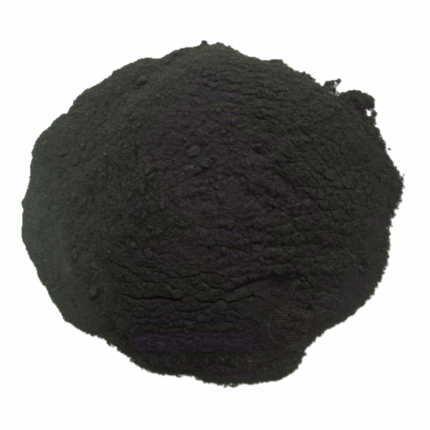
Acid Black 2 Powder
Acid Black 2 Powder is a synthetic anionic disazo dye belonging to the acid dye class, specifically formulated for intense black coloration with excellent light and wash fastness properties. This high-purity powder (100% active) exhibits superior solubility in aqueous solutions, making it particularly suitable for dyeing protein-based fibers like wool, silk, and nylon under acidic conditions. As a chromium-complex dye, it delivers enhanced color depth and improved fastness characteristics compared to non-metalized acid dyes. The powder form ensures precise dosing, consistent batch-to-batch reproducibility, and long-term stability when stored properly. Its molecular structure features sulfonic acid groups that facilitate strong ionic bonding with amino groups in fibers, resulting in vibrant, penetration-rich coloration with minimal bleeding.
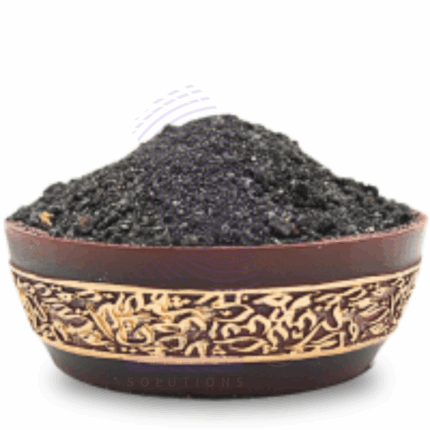
Black Jawi
Black Jawi is a natural, mineral-rich volcanic sand or powder, traditionally harvested from volcanic regions. Its high content of silica, iron oxides, magnesium, and trace minerals makes it a versatile material for agriculture, construction, cosmetics, and industrial applications. Packaged in 30kg bulk quantities, it is ideal for large-scale projects requiring durability, soil enhancement, or therapeutic properties.

Black Pigment Dye
Black Pigment Dye is a synthetic pigment dispersion formulated to provide intense, deep black coloration with excellent stability and uniformity. It is commonly used in various industries for coloring applications requiring high opacity and fastness. The pigment exhibits excellent resistance to light, heat, and chemicals, ensuring durability in end-use products. It is highly compatible with multiple substrates including textiles, plastics, coatings, and inks, making it versatile for industrial and specialty applications.
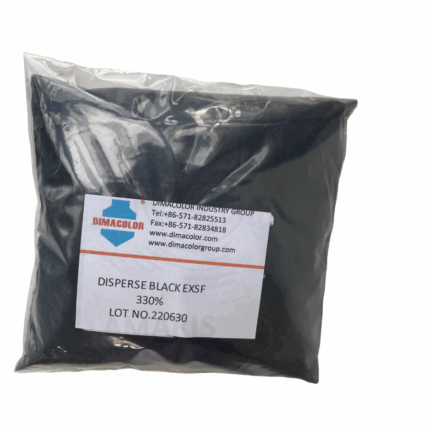
Disperse Black
Disperse Black is a synthetic dye belonging to the class of disperse dyes, primarily used for dyeing hydrophobic fibers such as polyester, nylon, acetate, and other synthetic textiles. It is characterized by its fine particle size, high tinctorial strength, excellent fastness properties (wash, light, and rubbing), and ability to produce deep, uniform black shades. Disperse Black dyes are water-insoluble and applied in aqueous dispersion form during high-temperature dyeing processes. These dyes are favored in the textile industry for their vibrant colors and durability.
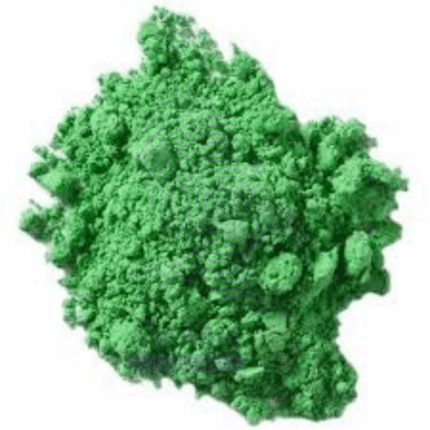
Green Pigment
Green Pigment is a concentrated dispersion of green pigment particles in a suitable carrier, designed for use in a variety of industrial and commercial applications. Known for its vivid green color and excellent stability, this pigment offers good resistance to heat, light, and chemicals. It is widely employed in plastics, coatings, inks, and other manufacturing processes where vibrant, durable green coloration is required.
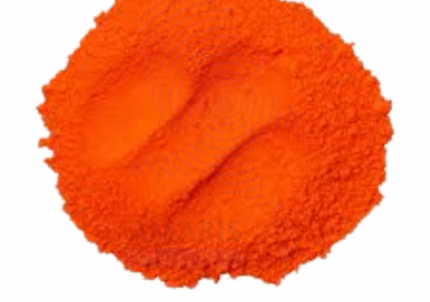
Pigment Orange
Pigment Orange is a concentrated dispersion of synthetic orange pigment particles in a suitable carrier, designed to deliver bright, vivid orange coloration. It offers excellent stability, heat resistance, and chemical inertness, making it suitable for diverse industrial applications including paints, plastics, inks, and coatings. This pigment ensures consistent color strength and durability across a variety of substrates.
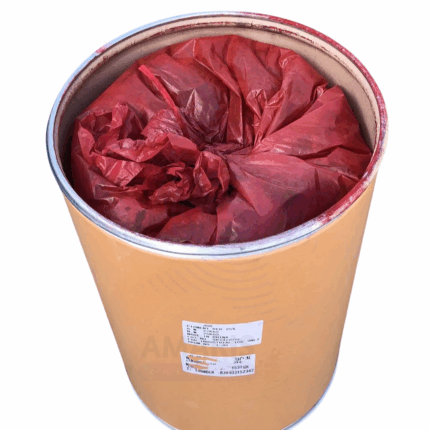
Solvent oil red 24 OSH
Solvent Oil Red 24 OSH is a bright, oil-soluble azo dye used primarily for coloring petroleum-based solvents, oils, waxes, and greases. Known for its excellent solubility in hydrocarbon mediums, this dye delivers a vivid red hue with good thermal stability and moderate lightfastness. Its OSH (Oil Soluble High) formulation ensures optimized dispersion in non-polar systems.
Solvent Oil Red 24 OSH is used in applications requiring visual identification, fuel marking, and product differentiation across industrial environments. It is available in powdered or granulated form and is manufactured to meet industrial-grade quality standards.
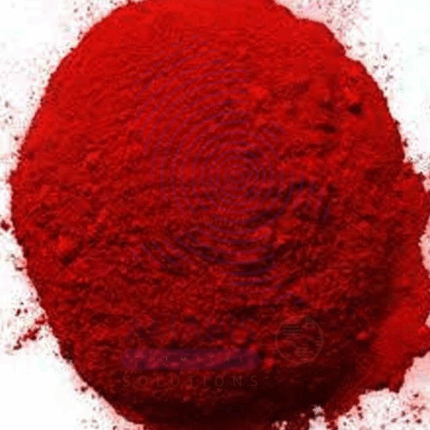
Tomato Red Dye
Tomato Red Dye is a synthetic azo dye prized for its vibrant, bright red coloration and excellent water solubility. It delivers consistent, vivid red shades that are stable under a variety of environmental conditions, including exposure to light, heat, and washing. This dye is extensively used across multiple industries including food and beverage, cosmetics, pharmaceuticals, and textiles. In food applications, it enhances the visual appeal of products such as beverages, confectionery, sauces, and baked goods. Its compatibility with different formulation types and regulatory approvals make it a reliable choice for cosmetic products like lipsticks, blushes, and nail polishes, as well as pharmaceutical tablets and syrups for identification and aesthetic purposes. The dye's superior performance, combined with strict adherence to safety and quality standards, ensures that it meets the requirements of manufacturers and regulatory bodies worldwide.












