

 Preservatives(food)
 Flavors
 Acidulants
 Sweeteners
 Antioxidants
 Colorants(food)
 Nutraceutical Ingredients (food)
 Nutrient Supplements
 Emulsifiers
 Collectors
 Dust Suppressants
 Explosives and Blasting Agents
 Flocculants and Coagulants
 Frothers
 Leaching Agents
 pH Modifiers
 Precious Metal Extraction Agents
 Antioxidants(plastic)
 Colorants (Pigments, Dyes)
 Fillers and Reinforcements
 Flame Retardants
 Monomers
 Plasticizers
 Polymerization Initiators
 Stabilizers (UV, Heat)
 Antifoaming Agents
 Chelating Agents
 Coagulants and Flocculants
 Corrosion Inhibitors
 Disinfectants and Biocides
 Oxidizing Agents
 pH Adjusters
 Scale Inhibitors( water)
 Antioxidants(cosmetic)
 Emollients
 Oils
Oils Carrier Oills
 Essential Oils
 Humectants
 Preservatives
 Surfactants(cosmetic)
 Thickeners
 UV Filters
 Fragrance (Cosmetics)
 Fertilizers
 Soil Conditioners
 Plant Growth Regulators
 Animal Feed Additives
 Biostimulants
 Pesticides (Herbicides, Insecticides, Fungicides)
 Active Pharmaceutical Ingredients (APIs)
 Excipients
 Solvents(pharmaceutical)
 Antibiotics
 Antiseptics and Disinfectants
 Vaccine Adjuvants
 Nutraceutical Ingredients (pharmaceutical)
 Analgesics & Antipyretics
 Analytical Reagents
 Solvents(lab)
 Chromatography Chemicals
 Spectroscopy Reagents
 microbiology-and-cell-culture-reagents
 Molecular Biology Reagents
 Biochemical Reagents
 Inorganic and Organic Standards
 Laboratory Safety Chemicals
 Specialty Laboratory Chemicals(Special Laboratory Equipment)
 Demulsifiers
 Hydraulic Fracturing Fluids
 Scale Inhibitors(oil)
 Surfactants(oil)
 Drilling Fluids
 Dyes and Pigments
 Bleaching Agents
 Softening Agents
 Finishing Agents
 Antistatic Agents
 Admixtures
 Waterproofing Agents
 Sealants and Adhesives
 Curing Compounds
 Concrete Repair Chemicals
 Anti-Corrosion Coatings
 Surfactants(cleaning)
 Builders
 Enzymes
 Solvents (Cleaning)
 Electronic Chemicals
 Catalysts
 Lubricants
 Photographic Chemicals
 Refrigerants
 Automotive chemicals
 Pyrotechnic Chemicals
 Biodegradable Surfactants
 Bio-based Solvents
 Renewable Polymers
 Carbon Capture Chemicals
 Wastewater Treatment Chemicals
 Pigments
 Solvents(paint)
 Specialty Coatings
 Binders/Resins
 Additives
 Driers
 Anti-Corrosion Agents
 Functional Coatings
 Application-Specific Coatings
 Leavening Agents
 Dough Conditioners
 Flour Treatments
 Fat Replacers
 Decoratives
 Preservatives(baking)
 Plasticizers & Softeners
 Reinforcing Agents
 Adhesion Promoters
 Vulcanizing Agents
 Antidegradants
 Blowing Agents
 Fillers & Extenders
 Accelerators & Retarders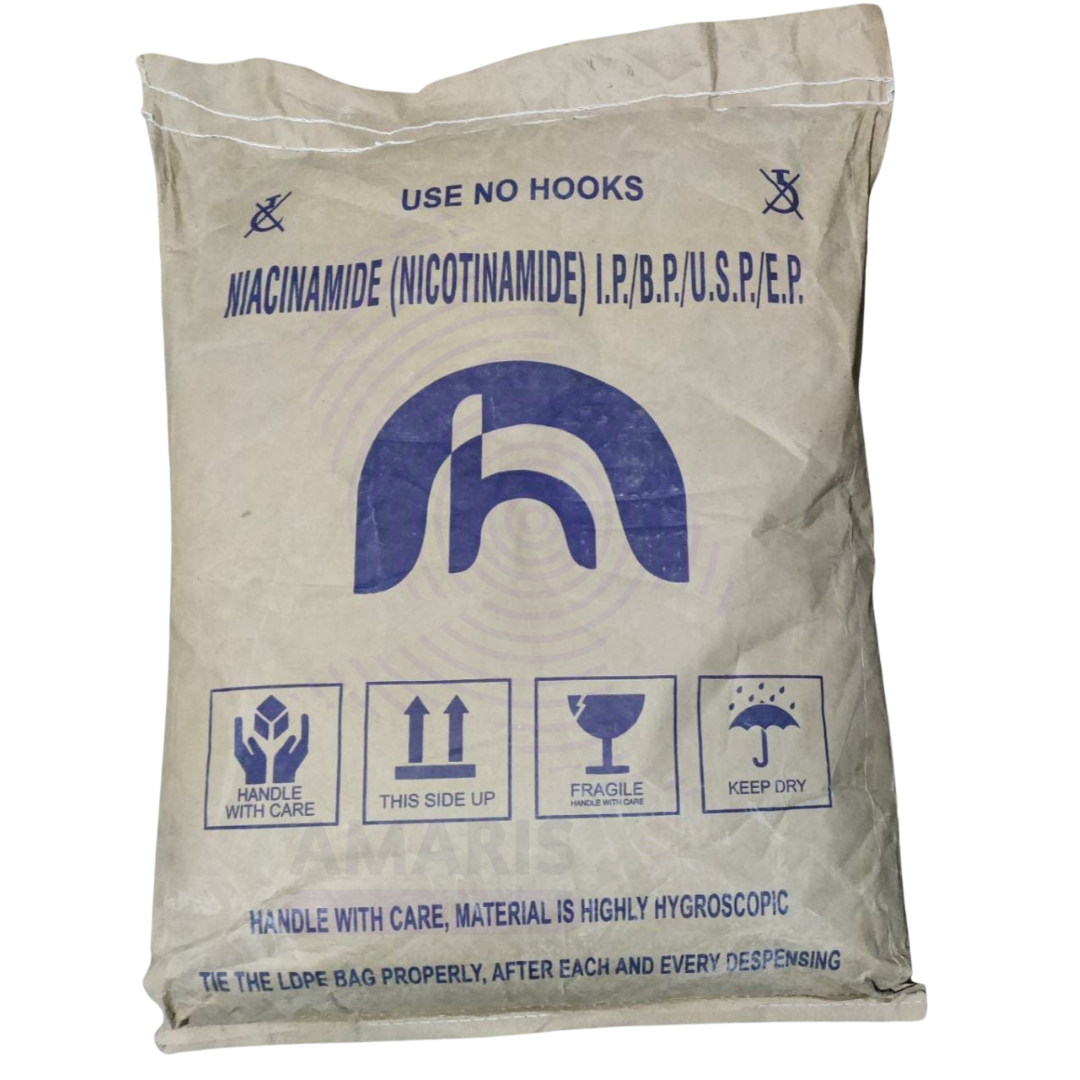


Nicotinamide BP
Nicotinamide BP, also known as niacinamide, is a water-soluble form of vitamin B3 (niacin). It is a vital nutrient involved in numerous cellular processes, including energy metabolism, DNA repair, and antioxidant activity. Widely used in pharmaceutical, cosmetic, and nutritional applications, Nicotinamide supports skin health, improves barrier function, and exhibits anti-inflammatory properties. It is commonly found in dietary supplements, skincare formulations, and medical treatments for various dermatological conditions.
Nicotinamide BP
Primary Uses
- Pharmaceutical Applications
- Used in supplements to prevent and treat niacin deficiency (pellagra).
- Incorporated in treatments for acne, rosacea, and other inflammatory skin disorders.
- Supports nervous system health and energy metabolism.
- Cosmetic Industry
- Added to skincare products for its anti-aging, moisturizing, and skin-brightening effects.
- Helps reduce hyperpigmentation and improves skin elasticity.
- Acts as an anti-inflammatory agent to soothe irritated skin.
- Nutritional Supplements
- Formulated into vitamins and multivitamins to support overall health.
- Enhances cellular metabolism and energy production.
Secondary Uses
- Medical Research
- Investigated for roles in neurodegenerative disease prevention and management.
- Explored for potential benefits in diabetes management and cardiovascular health.
- Food Fortification
- Used to fortify foods and beverages with vitamin B3 to improve nutritional value.
- Animal Nutrition
- Included in animal feed to prevent deficiency and support growth and metabolism.
1. Basic Identification Attributes
- Chemical Name (IUPAC): Pyridine-3-carboxamide
- Common/Trade Name: Nicotinamide, Niacinamide
- CAS Number: 98-92-0
- HS Code: 2934.99.90
- Synonyms: Niacinamide, Vitamin B3 amide
2. Physical & Chemical Properties
- Physical State: White crystalline powder
- Color & Odor: Odorless or faint odor
- Solubility: Soluble in water, alcohol; slightly soluble in ether
- Melting Point: 129–131°C
- Molecular Formula: C₆H₆N₂O
3. Safety & Hazard Attributes
- GHS Classification: Not classified as hazardous under normal use
- Toxicity: Low toxicity; generally recognized as safe (GRAS) for oral consumption
- Exposure Limits: No specific occupational exposure limits
4. Storage & Handling Attributes
- Storage Conditions: Store in a cool, dry, well-ventilated place away from direct sunlight
- Container Type: Sealed plastic or glass containers
- Shelf Life: Typically 2–3 years if stored properly
- Handling Precautions: Avoid dust formation; use protective mask if dusty
5. Regulatory & Compliance Attributes
- Complies with USP, BP, and FCC standards for pharmaceutical and food-grade use
- Approved by regulatory bodies as a vitamin supplement and cosmetic ingredient
- Listed in WHO Essential Medicines list for niacin deficiency treatment
6. Environmental & Health Impact
- Biodegradability: Biodegradable under normal environmental conditions
- Ecotoxicity: Low environmental toxicity
- Bioaccumulation: Not expected to bioaccumulate
- Carcinogenicity/Mutagenicity: Not classified as carcinogenic or mutagenic
Safety Handling Precautions
- PPE Required: Gloves and dust mask recommended when handling powders
- Handling Guidelines: Use in well-ventilated areas; avoid inhalation of dust
- Storage Measures: Keep containers tightly closed and away from incompatible substances
First Aid Measures
- Inhalation: Move to fresh air; seek medical attention if symptoms persist
- Skin Contact: Wash with soap and water; discontinue use if irritation develops
- Eye Contact: Rinse immediately with plenty of water for 15 minutes; seek medical help if irritation continues
- Ingestion: Generally safe; in case of overdose, seek medical advice
Firefighting Measures
- Fire Hazards: Non-flammable
- Extinguishing Media: Use water spray, foam, dry chemical, or CO₂ extinguisher
- Special Precautions: None specific; standard firefighting procedures apply
- Hazardous Combustion Products: May emit carbon oxides and nitrogen oxides under fire
Related products
Ashawaganha Powder
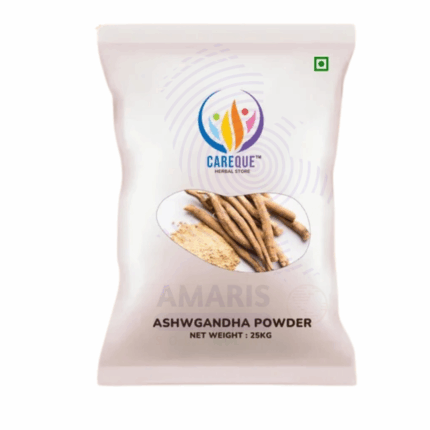
Ashawaganha Powder is derived from the dried roots of Withania somnifera, a renowned herb in Ayurvedic and traditional medicine systems. Known as Indian ginseng or winter cherry, Ashwagandha is valued for its adaptogenic properties, helping the body combat stress, enhance vitality, and support overall wellness. The powder is finely ground root material, rich in bioactive compounds such as withanolides, alkaloids, and steroidal lactones. It is widely used as a dietary supplement, in herbal formulations, cosmetics, and traditional medicine.
Beta Carotene
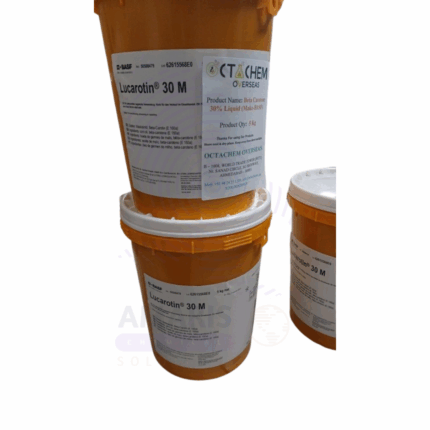
Beta Carotene is a concentrated formulation of beta carotene, a naturally occurring red-orange pigment found in plants and fruits. It is a precursor to vitamin A and a potent antioxidant that helps protect cells from oxidative damage. This product, typically suspended in an oil base or suitable carrier, is widely used as a natural colorant, nutritional supplement, and cosmetic ingredient. Beta Carotene 30% SUN offers enhanced stability under sunlight exposure, making it ideal for food, feed, and cosmetic applications where light stability is critical.

Blueberry Toppings
Blueberry Toppings are sweet, fruit-based condiment preparations made primarily from blueberries, sugar, and thickening agents. They are characterized by a vibrant blue-purple color, fruity aroma, and a sweet-tart flavor profile. Typically semi-viscous with chunks or pureed pieces of blueberry, these toppings are used as finishing ingredients in desserts, breakfast foods, and beverages. Blueberry toppings may be prepared as preserves, syrups, or glazes and often contain natural flavors and preservatives to enhance shelf life and sensory appeal.
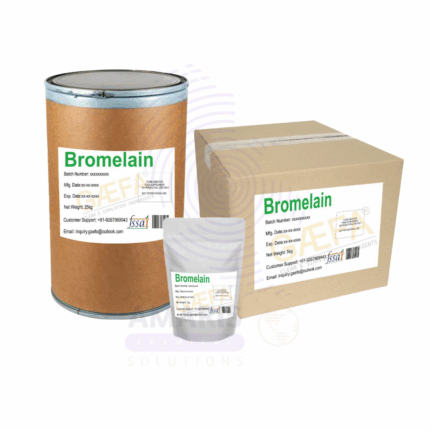
Bromelain
Bromelain is a natural mixture of proteolytic enzymes derived primarily from the stem and fruit of the pineapple plant (Ananas comosus). It appears as a pale yellow to off-white powder with a characteristic mild odor and is water-soluble. Bromelain exhibits protease activity, breaking down proteins into peptides and amino acids, making it valuable in medical, food, and industrial applications. It is widely used as an anti-inflammatory agent, digestive aid, meat tenderizer, and in cosmetic formulations due to its enzymatic and therapeutic properties.
Calcium D-Panthothenate
Calcium D-Panthothenate is the calcium salt of D-pantothenic acid (vitamin B5), appearing as a white or off-white crystalline powder. It is a stable, water-soluble compound widely used as a dietary supplement and pharmaceutical ingredient to supply vitamin B5, essential for coenzyme A synthesis and normal metabolism of carbohydrates, proteins, and fats. Calcium D-Panthothenate supports adrenal function, wound healing, and nervous system health, and is frequently incorporated into multivitamins, nutritional supplements, fortified foods, and topical formulations.
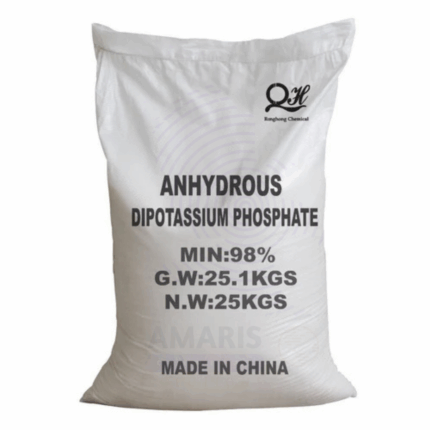
Dipotassium Hydrogen Phosphate
Dipotassium Hydrogen Phosphate (also known as dipotassium phosphate, DKP) is an inorganic salt used widely as a buffering agent, emulsifier, and nutritional supplement in various industries. It is a white, crystalline, highly water-soluble powder with alkaline properties. DKP plays a vital role in food processing, pharmaceuticals, water treatment, and agriculture due to its ability to stabilize pH, improve texture, and supply essential potassium and phosphate ions.
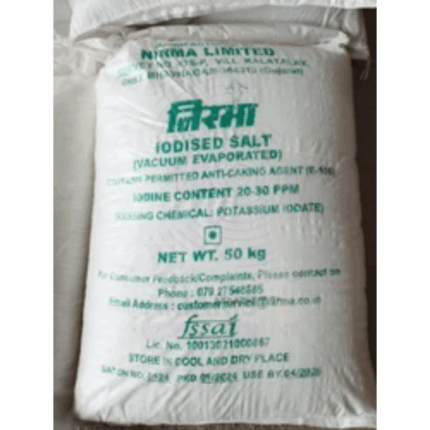
Iodised Salt
Iodised Salt is table salt (sodium chloride) fortified with a small, controlled amount of iodine, typically in the form of potassium iodate or potassium iodide. It appears as fine white crystalline granules, odorless, and with a characteristic salty taste. The addition of iodine helps prevent iodine deficiency disorders (IDD) such as goiter, mental impairment, and developmental abnormalities. Iodised Salt is widely used in households, food processing, and animal nutrition to ensure adequate dietary iodine intake.
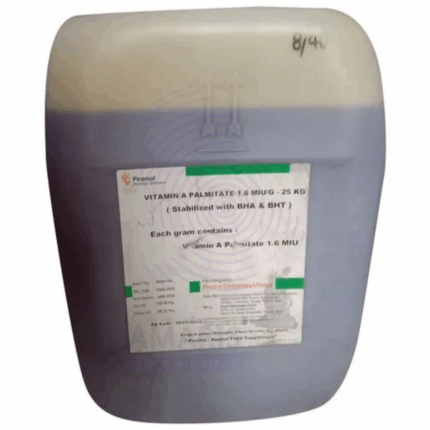
Powdered Vitamin A Palmitate
Powdered Vitamin A Palmitate is a stable, fat-soluble ester of vitamin A widely used as a dietary supplement and food fortification ingredient. It is an essential nutrient important for vision, immune function, skin health, and cellular growth. The powdered form offers ease of handling and incorporation into various food, pharmaceutical, and cosmetic products due to its stability and bioavailability.












