

 Preservatives(food)
 Flavor Enhancers
 Acidulants
 Sweeteners
 Antioxidants
 Colorants(food)
 Nutraceutical Ingredients (food)
 Nutrient Supplements
 Emulsifiers
 Collectors
 Dust Suppressants
 Explosives and Blasting Agents
 Flocculants and Coagulants
 Frothers
 Leaching Agents
 pH Modifiers
 Precious Metal Extraction Agents
 Antioxidants(plastic)
 Colorants (Pigments, Dyes)
 Fillers and Reinforcements
 Flame Retardants
 Monomers
 Plasticizers
 Polymerization Initiators
 Stabilizers (UV, Heat)
 Antifoaming Agents
 Chelating Agents
 Coagulants and Flocculants
 Corrosion Inhibitors
 Disinfectants and Biocides
 Oxidizing Agents
 pH Adjusters
 Scale Inhibitors( water)
 Antioxidants(cosmetic)
 Emollients
 Fragrances and Essential Oils
 Humectants
 Preservatives
 Surfactants(cosmetic)
 Thickeners
 UV Filters
 Fertilizers
 Soil Conditioners
 Plant Growth Regulators
 Animal Feed Additives
 Biostimulants
 Pesticides (Herbicides, Insecticides, Fungicides)
 Active Pharmaceutical Ingredients (APIs)
 Excipients
 Solvents(pharmaceutical)
 Antibiotics
 Antiseptics and Disinfectants
 Vaccine Adjuvants
 Nutraceutical Ingredients (pharmaceutical)
 Analgesics & Antipyretics
 Analytical Reagents
 Solvents(lab)
 Chromatography Chemicals
 Spectroscopy Reagents
 microbiology-and-cell-culture-reagents
 Molecular Biology Reagents
 Biochemical Reagents
 Inorganic and Organic Standards
 Laboratory Safety Chemicals
 Specialty Laboratory Chemicals(Special Laboratory Equipment)
 Demulsifiers
 Hydraulic Fracturing Fluids
 Scale Inhibitors(oil)
 Surfactants(oil)
 Drilling Fluids
 Dyes and Pigments
 Bleaching Agents
 Softening Agents
 Finishing Agents
 Antistatic Agents
 Admixtures
 Waterproofing Agents
 Sealants and Adhesives
 Curing Compounds
 Concrete Repair Chemicals
 Anti-Corrosion Coatings
 Surfactants(cleaning)
 Builders
 Enzymes
 Solvents (Cleaning)
 Fragrances
 Electronic Chemicals
 Catalysts
 Lubricants
 Photographic Chemicals
 Refrigerants
 Automotive chemicals
 Pyrotechnic Chemicals
 Biodegradable Surfactants
 Bio-based Solvents
 Renewable Polymers
 Carbon Capture Chemicals
 Wastewater Treatment Chemicals
 Pigments
 Solvents(paint)
 Specialty Coatings
 Binders/Resins
 Additives
 Driers
 Anti-Corrosion Agents
 Functional Coatings
 Application-Specific Coatings
 Leavening Agents
 Dough Conditioners
 Flour Treatments
 Fat Replacers
 Decoratives
 Preservatives(baking)
 Plasticizers & Softeners
 Reinforcing Agents
 Adhesion Promoters
 Vulcanizing Agents
 Antidegradants
 Blowing Agents
 Fillers & Extenders
 Accelerators & Retarders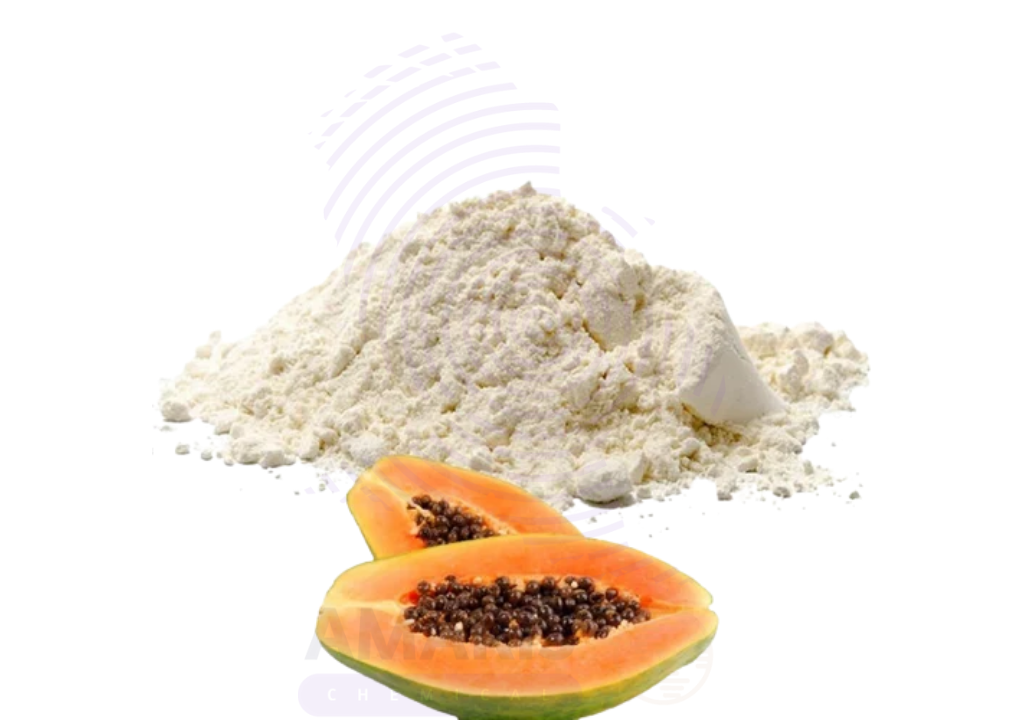



papain
Papain is a proteolytic enzyme extracted from the latex of the papaya fruit (Carica papaya). It breaks down proteins into peptides and amino acids, making it widely used in various industries. Papain has excellent catalytic activity and works effectively across a broad pH range, especially in neutral to slightly alkaline conditions. It is valued for its meat tenderizing, digestive aid, and therapeutic properties.
papain
Primary Uses
- Food Industry
- Used as a meat tenderizer by breaking down tough muscle fibers.
- Employed in brewing and beverage production to clarify beer and juice.
- Added to chewing gums as a proteolytic agent to enhance texture.
- Utilized in protein hydrolysis for flavor enhancement and nutritional supplements.
- Pharmaceutical & Medical Applications
- Used in digestive enzyme supplements to aid protein digestion.
- Applied topically in wound care products for debridement of dead tissue.
- Incorporated in anti-inflammatory and anti-edema formulations.
- Used in enzyme therapy to reduce swelling and inflammation.
- Cosmetics & Personal Care
- Incorporated in exfoliating and skin care products for gentle removal of dead skin cells.
- Used in hair care formulations to improve scalp health and reduce dandruff.
Secondary Uses
- Textile Industry
- Used in the treatment of fibers and fabric processing for biopolishing.
- Leather Industry
- Applied in leather softening and dehairing processes.
- Research Applications
- Employed in biochemical studies involving protein digestion and peptide mapping.
- Agriculture
- Used as a natural pesticide and plant growth enhancer in some formulations.
1. Basic Identification Attributes
- Chemical Name (IUPAC): Papain (EC 3.4.22.2)
- Common/Trade Name: Papain
- CAS Number: 9001-73-4
- HS Code: 3507.90.00
- Synonyms: Papaya enzyme; papaya proteinase; papaya latex enzyme
2. Physical & Chemical Properties
- Physical State: Fine, off-white to light yellow powder
- Color & Odor: Slight characteristic odor
- Solubility: Soluble in water
- pH Optimum: 6.0 – 7.0
- Enzyme Activity: Measured in units (varies by grade and purity)
- Molecular Weight: Approx. 23-25 kDa
3. Safety & Hazard Attributes
- GHS Classification: Generally regarded as non-hazardous
- Toxicity: Low toxicity; may cause allergic skin reactions in sensitive individuals
- Exposure Limits: No specific limits; standard enzyme handling precautions advised
4. Storage & Handling Attributes
- Storage Conditions: Store in a cool, dry place below 25°C, protected from moisture and light
- Container Type: Supplied in sealed plastic or glass containers
- Shelf Life: 12–24 months if stored properly
- Handling Precautions: Avoid inhalation of dust and direct skin contact to prevent sensitization
5. Regulatory & Compliance Attributes
- Complies with food-grade enzyme standards (FCC)
- Approved for use in food, pharmaceutical, and cosmetic industries by relevant authorities
- Meets purity and activity requirements set by ISO and JECFA
6. Environmental & Health Impact
- Biodegradability: Fully biodegradable
- Ecotoxicity: Low environmental risk
- Allergenic Potential: Possible respiratory sensitizer; avoid inhalation of dust
- Safety: Non-carcinogenic and non-mutagenic
Safety Handling Precautions
- PPE Required: Use gloves, masks, and protective clothing when handling powder
- Handling Guidelines: Use in well-ventilated areas; avoid dust generation
- Storage Measures: Keep containers tightly closed and dry
First Aid Measures
- Inhalation: Move to fresh air; seek medical attention if respiratory irritation occurs
- Skin Contact: Wash with soap and water; discontinue use if irritation or allergic reaction develops
- Eye Contact: Rinse thoroughly with water for at least 15 minutes; seek medical advice if irritation persists
- Ingestion: Rinse mouth; seek medical advice if large quantities ingested
Firefighting Measures
- Fire Hazards: Non-flammable
- Extinguishing Media: Use water spray, foam, or dry chemical extinguishers
- Special Precautions: Avoid inhalation of dust during fire
- Hazardous Combustion Products: May produce carbon oxides and nitrogen oxides upon burning
Related products
Betamethasone Sodium Phosphate BP
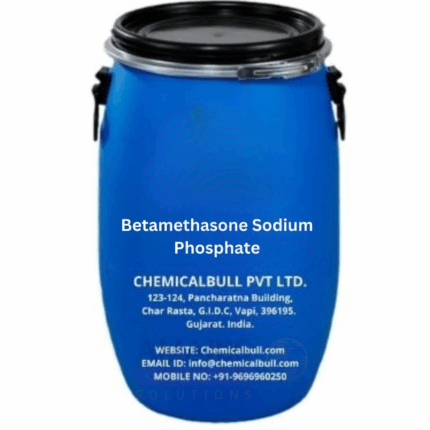
Betamethasone Sodium Phosphate BP is a synthetic corticosteroid ester in its water-soluble sodium salt form. It is widely used for its strong anti-inflammatory and immunosuppressive properties in medical and veterinary applications. It is typically formulated as an injectable or ophthalmic solution to manage acute or chronic inflammatory and autoimmune conditions, including severe allergic reactions, asthma, arthritis, and dermatological disorders. Its rapid onset of action and high potency make it valuable in emergency and systemic therapy.
Bromelain
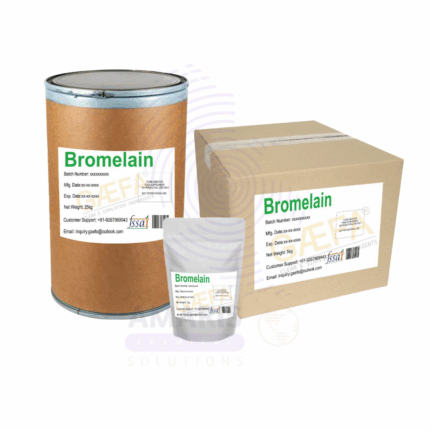
Bromelain is a natural mixture of proteolytic enzymes derived primarily from the stem and fruit of the pineapple plant (Ananas comosus). It appears as a pale yellow to off-white powder with a characteristic mild odor and is water-soluble. Bromelain exhibits protease activity, breaking down proteins into peptides and amino acids, making it valuable in medical, food, and industrial applications. It is widely used as an anti-inflammatory agent, digestive aid, meat tenderizer, and in cosmetic formulations due to its enzymatic and therapeutic properties.
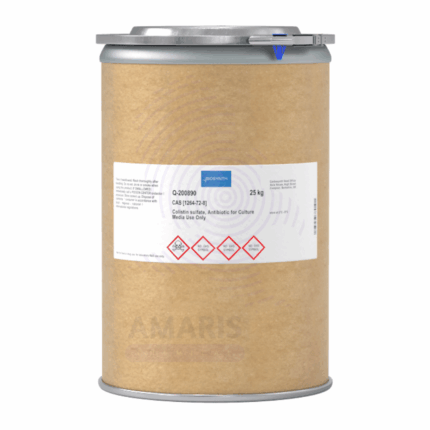
Colistin Sulphate BP
Colistin Sulphate BP is an antibiotic belonging to the polymyxin class, derived from the bacterium Paenibacillus polymyxa. It is a white to pale yellow powder, soluble in water, and used primarily for its potent bactericidal activity against Gram-negative bacteria, including multidrug-resistant strains. Colistin Sulphate BP is used in both human and veterinary medicine, often as a last-resort treatment for serious infections caused by multidrug-resistant Pseudomonas, Acinetobacter, and Klebsiella species. Due to its efficacy and narrow therapeutic index, its use is carefully monitored. The “BP” denotes compliance with the British Pharmacopoeia standards.
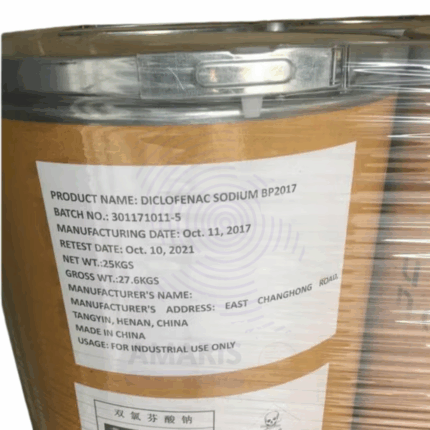
Diclofenac Sodium BP
Diclofenac Sodium is a nonsteroidal anti-inflammatory drug (NSAID) widely used for its potent analgesic, anti-inflammatory, and antipyretic properties. It is the sodium salt form of diclofenac, providing enhanced solubility and rapid absorption. Diclofenac Sodium BP (British Pharmacopoeia standard) ensures pharmaceutical-grade purity and compliance with stringent quality standards. It is commonly formulated in oral tablets, topical gels, injections, and ophthalmic preparations.
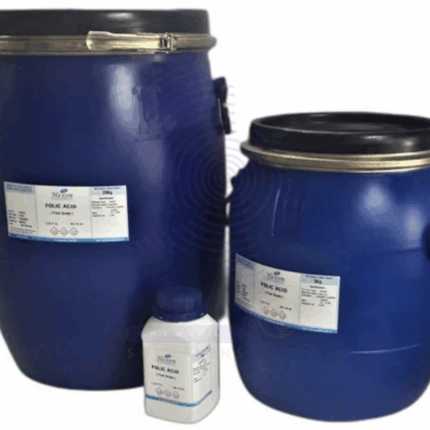
Folic Acid
Folic Acid, also known as Vitamin B9 or pteroylmonoglutamic acid, is a water-soluble vitamin essential for numerous physiological processes including DNA synthesis, repair, and methylation, as well as amino acid metabolism. It appears as a yellow to orange-yellow crystalline powder, odorless or with a faint characteristic odor. Folic Acid is vital for cell division and growth, making it critical during pregnancy and periods of rapid growth. It is widely used in the pharmaceutical, nutraceutical, food fortification, and cosmetic industries due to its role in preventing folate deficiency anemia, neural tube defects in newborns, and supporting overall cellular health.
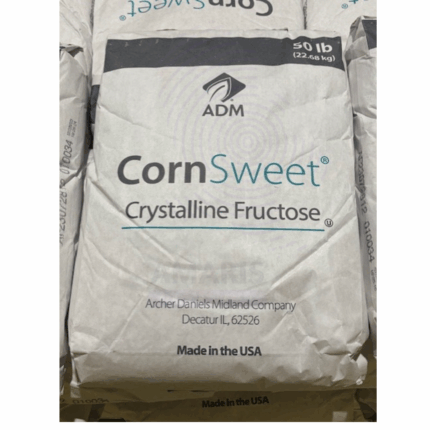
Fructose
Fructose, also known as fruit sugar, is a naturally occurring monosaccharide found in many plants, fruits, honey, and root vegetables. It is a simple sugar with a sweet taste and is one of the three dietary monosaccharides, alongside glucose and galactose. Fructose appears as a white crystalline powder, highly soluble in water, and is commonly used as a sweetener in food and beverage industries due to its high relative sweetness. It plays important roles in metabolism and is used extensively in the production of high-fructose corn syrup (HFCS) and other sweetening agents.
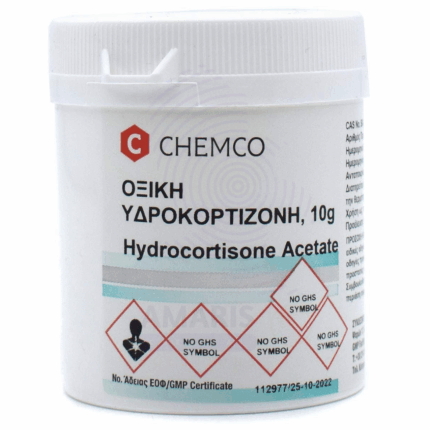
Hydrocortisone Acetate
Hydrocortisone Acetate is a synthetic corticosteroid ester derived from hydrocortisone (cortisol). It is a white to off-white crystalline powder, practically insoluble in water but soluble in alcohol and acetone. This compound exhibits potent anti-inflammatory, immunosuppressive, and anti-allergic properties, making it widely used in pharmaceutical and dermatological formulations. Hydrocortisone Acetate acts by modulating gene expression to reduce the production of inflammatory mediators, thereby alleviating symptoms in various inflammatory and autoimmune conditions.

Manganous Dihydrogen Phosphate
Manganous Dihydrogen Phosphate is an inorganic manganese compound with the formula Mn(H₂PO₄)₂. It is typically encountered as a hydrated crystalline solid that is soluble in water. This compound serves as a valuable source of manganese and phosphorus in agricultural and industrial applications. It is primarily used as a micronutrient fertilizer component, an additive in animal feed, and a reagent in chemical syntheses. Its high solubility makes it effective for foliar sprays and soil applications to correct manganese deficiencies in crops.












