

 Preservatives(food)
 Flavor Enhancers
 Acidulants
 Sweeteners
 Antioxidants
 Colorants(food)
 Nutraceutical Ingredients (food)
 Nutrient Supplements
 Emulsifiers
 Collectors
 Dust Suppressants
 Explosives and Blasting Agents
 Flocculants and Coagulants
 Frothers
 Leaching Agents
 pH Modifiers
 Precious Metal Extraction Agents
 Antioxidants(plastic)
 Colorants (Pigments, Dyes)
 Fillers and Reinforcements
 Flame Retardants
 Monomers
 Plasticizers
 Polymerization Initiators
 Stabilizers (UV, Heat)
 Antifoaming Agents
 Chelating Agents
 Coagulants and Flocculants
 Corrosion Inhibitors
 Disinfectants and Biocides
 Oxidizing Agents
 pH Adjusters
 Scale Inhibitors( water)
 Antioxidants(cosmetic)
 Emollients
 Fragrances and Essential Oils
 Humectants
 Preservatives
 Surfactants(cosmetic)
 Thickeners
 UV Filters
 Fertilizers
 Soil Conditioners
 Plant Growth Regulators
 Animal Feed Additives
 Biostimulants
 Pesticides (Herbicides, Insecticides, Fungicides)
 Active Pharmaceutical Ingredients (APIs)
 Excipients
 Solvents(pharmaceutical)
 Antibiotics
 Antiseptics and Disinfectants
 Vaccine Adjuvants
 Nutraceutical Ingredients (pharmaceutical)
 Analgesics & Antipyretics
 Analytical Reagents
 Solvents(lab)
 Chromatography Chemicals
 Spectroscopy Reagents
 microbiology-and-cell-culture-reagents
 Molecular Biology Reagents
 Biochemical Reagents
 Inorganic and Organic Standards
 Laboratory Safety Chemicals
 Specialty Laboratory Chemicals(Special Laboratory Equipment)
 Demulsifiers
 Hydraulic Fracturing Fluids
 Scale Inhibitors(oil)
 Surfactants(oil)
 Drilling Fluids
 Dyes and Pigments
 Bleaching Agents
 Softening Agents
 Finishing Agents
 Antistatic Agents
 Admixtures
 Waterproofing Agents
 Sealants and Adhesives
 Curing Compounds
 Concrete Repair Chemicals
 Anti-Corrosion Coatings
 Surfactants(cleaning)
 Builders
 Enzymes
 Solvents (Cleaning)
 Fragrances
 Electronic Chemicals
 Catalysts
 Lubricants
 Photographic Chemicals
 Refrigerants
 Automotive chemicals
 Pyrotechnic Chemicals
 Biodegradable Surfactants
 Bio-based Solvents
 Renewable Polymers
 Carbon Capture Chemicals
 Wastewater Treatment Chemicals
 Pigments
 Solvents(paint)
 Specialty Coatings
 Binders/Resins
 Additives
 Driers
 Anti-Corrosion Agents
 Functional Coatings
 Application-Specific Coatings
 Leavening Agents
 Dough Conditioners
 Flour Treatments
 Fat Replacers
 Decoratives
 Preservatives(baking)
 Plasticizers & Softeners
 Reinforcing Agents
 Adhesion Promoters
 Vulcanizing Agents
 Antidegradants
 Blowing Agents
 Fillers & Extenders
 Accelerators & Retarders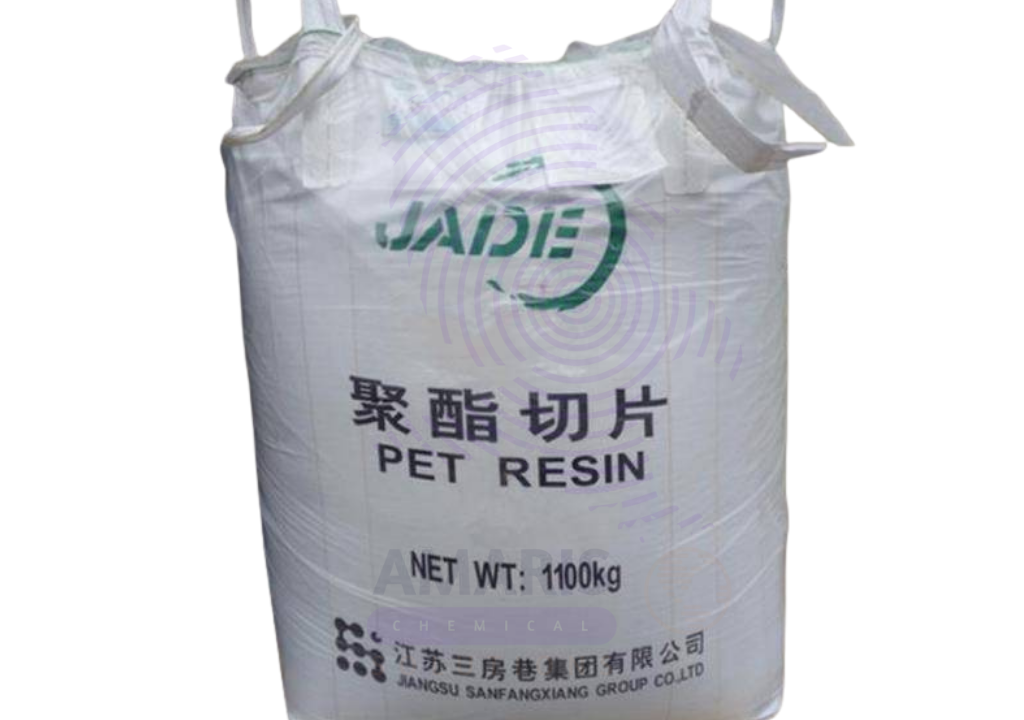

PET Resin (Polyethylene Terephthalate)
Original price was: $ 38.46.$ 36.54Current price is: $ 36.54.
PET Resin (Polyethylene Terephthalate) is a thermoplastic polymer resin of the polyester family, produced primarily from purified terephthalic acid (PTA) and monoethylene glycol (MEG). It exists in two main forms: amorphous (transparent) and semi-crystalline (opaque). In its technical/industrial grade, it is a clear, strong, and lightweight plastic material renowned for its excellent barrier properties against moisture and gases, high impact strength, and chemical resistance. It is a key raw material for manufacturing rigid containers and packaging but is not typically used for high-heat applications (like ovenware) or high-purity pharmaceutical uses in this grade. It is 100% recyclable (#1 plastic).
PET Resin (Polyethylene Terephthalate)
Primary Uses
1. Packaging Industry
-
Bottle manufacturing: The predominant use for carbonated soft drink bottles, water bottles, juice bottles, and food containers via stretch blow molding.
-
Food packaging trays and clamshells: Used for thermoforming applications to produce transparent containers for fresh produce, baked goods, and ready meals.
-
Jars and containers: For packaging peanut butter, salad dressings, spices, and other food products.
2. Film and Sheet Production
-
Thermoforming sheets: Produced as amorphous sheets (APET) for blister packs and transparent display packaging.
-
Packaging films: Used as a component in high-barrier, flexible packaging laminates for snacks and perishable foods.
3. Textile and Fiber Industry
-
Polyester fiber production: A major feedstock for producing polyester staple fiber and filament used in clothing, upholstery, carpets, and industrial fabrics (e.g., tire cord).
Secondary Uses
1. Technical and Industrial Applications
-
Strapping: Used to produce strong, durable plastic strapping for palletizing and bundling.
-
Engineering resins: As a base material or blend component for glass-filled or other reinforced engineering plastics.
-
Blister and clamshell packaging: For consumer goods, electronics, and hardware items.
1. Basic Identification Attributes
-
-
Chemical Name: Poly(ethylene terephthalate)
-
Common/Trade Name: PET Resin, Polyester Resin
-
CAS Number: 25038-59-9
-
Recycling Code: #1 (PETE)
-
-
Synonyms:
-
-
PETE
-
Polyester resin (thermoplastic)
-
Bottle-grade PET
-
2. Physical & Chemical Properties
-
Physical State: Solid pellets or flakes (recycled).
-
Color: Naturally transparent/colorless; can be compounded with colorants.
-
Melting Point: ~250 - 260°C
-
Glass Transition Temp (Tg): ~70 - 80°C
-
Density: ~1.33 - 1.38 g/cm³
-
Intrinsic Viscosity (IV): Key grade indicator (e.g., 0.70-0.85 dL/g for bottles).
-
Moisture Content: Must be < 0.005% (50 ppm) before processing (highly hygroscopic).
3. Safety & Hazard Attributes
-
Hazard Class (GHS): Generally not classified as hazardous. Solid polymer is non-toxic.
-
Processing Hazards: Thermal decomposition during high-temperature processing (>300°C) can release acetaldehyde and other volatile organic compounds (VOCs).
-
Exposure Limits: Dust exposure limits apply for respirable polymer dust (typically 10 mg/m³ total dust, 3 mg/m³ respirable fraction).
4. Storage & Handling Attributes
-
Storage Conditions: MUST be stored in a dry, sealed environment below 40°C and 40% relative humidity to prevent moisture absorption, which degrades the polymer during melting.
-
Container Type: Sealed aluminum-foil-lined bags, bulk silos, or boxes.
-
Shelf Life: Indefinite if kept dry and away from UV light.
-
Handling Precautions: Use standard industrial material handling. Ground equipment to prevent static discharge with fine flakes or powder.
5. Regulatory & Compliance Attributes
-
Food Contact Compliance: Virgin food-grade resins must comply with FDA 21 CFR or EU 10/2011 regulations for food contact materials.
-
Recycled Content: Regulations govern the use of post-consumer recycled (PCR) PET in new food contact applications.
6. Environmental & Health Impact
-
Biodegradability: Not biodegradable; persists in the environment if littered.
-
Recyclability: Highly recyclable (mechanical and chemical). A cornerstone of the circular economy for plastics.
-
Carbon Footprint: Lower than many alternatives like glass or aluminum for packaging when considering weight and transportation.
Safety Handling Precautions
-
PPE Required: Safety glasses, gloves, and dust mask when handling fines or dust. Normal work clothing.
-
Handling Guidelines: Ensure material is thoroughly dried in a desiccant hopper dryer before processing to prevent hydrolysis and loss of properties.
-
Storage Measures: CRITICAL: Keep original packaging sealed until use. Use first-in, first-out (FIFO) inventory.
-
Hygiene Practices: Standard industrial hygiene.
First Aid Measures
-
Inhalation (dust): Move to fresh air.
-
Skin Contact: Wash with soap and water.
-
Eye Contact: Rinse with water.
-
Ingestion: Not anticipated. Rinse mouth. Seek medical advice if large amounts are swallowed.
Firefighting Measures
-
Fire Hazards: Combustible solid. Burns with a sooty, yellow flame and dripping.
-
Extinguishing Media: Water spray, foam, CO₂, dry chemical.
-
Special Precautions: Wear self-contained breathing apparatus (SCBA). Toxic fumes (carbon monoxide, acetaldehyde) are produced in fire.
-
Decomposition Products: Carbon monoxide, carbon dioxide, aromatic hydrocarbons.
Related products
Pigment Orange
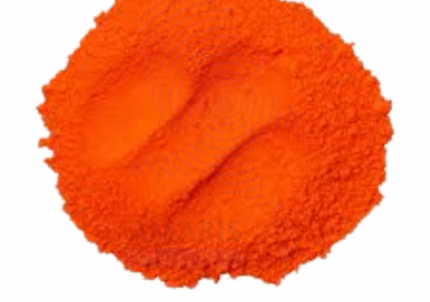
Pigment Orange is a concentrated dispersion of synthetic orange pigment particles in a suitable carrier, designed to deliver bright, vivid orange coloration. It offers excellent stability, heat resistance, and chemical inertness, making it suitable for diverse industrial applications including paints, plastics, inks, and coatings. This pigment ensures consistent color strength and durability across a variety of substrates.
Polyvinyl Chloride Resin 701
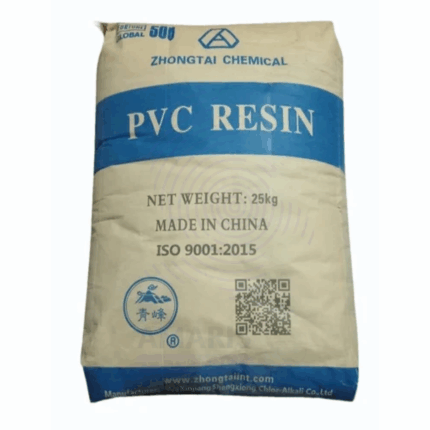
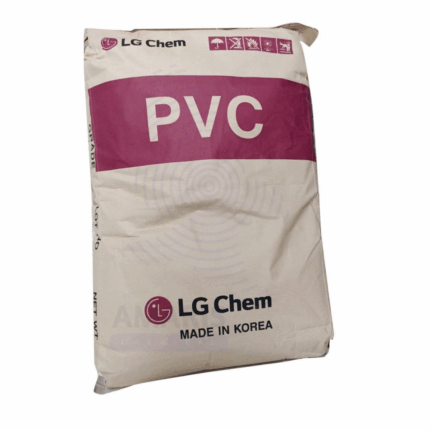
Polyvinyl Chloride Resin 701 is a high-quality suspension-grade polyvinyl chloride resin with a K-value of approximately 70–71, indicating high molecular weight. It is widely used in the production of flexible PVC products where excellent strength, elongation, and plasticizer absorption are required. PVC Resin 701 offers superior mechanical properties, high thermal stability, and good compatibility with plasticizers, making it suitable for calendaring, extrusion, and molding applications in diverse industries.
Polyvinyl Chloride Resin 702
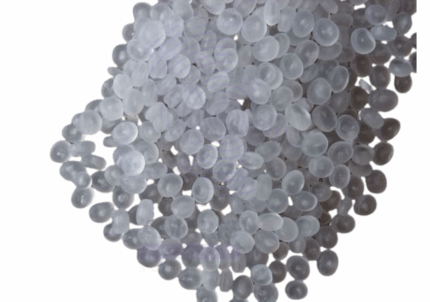
Polyvinyl Chloride Resin 702 is a high molecular weight, suspension-grade polyvinyl chloride resin with a K-value around 70–72. It is specifically formulated for use in soft and flexible PVC products due to its excellent plasticizer absorption and high mechanical strength. Its superior elongation, thermal stability, and processability make it highly suitable for calendaring, extrusion, injection molding, and dip molding operations. PVC Resin 702 is extensively used across the cable, synthetic leather, film, and footwear industries.
PP Raffia RH03( Wooven)
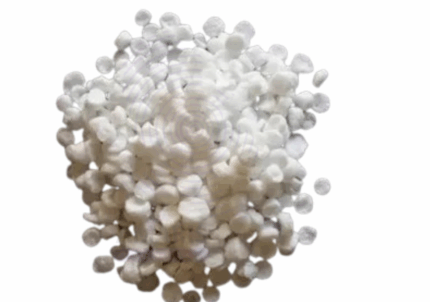
PP Raffia RH03( Wooven) is a woven polypropylene fabric made from homopolymer polypropylene resin, designed for high strength, durability, and excellent dimensional stability. It is widely used in the manufacturing of woven sacks, bags, and other flexible packaging solutions. The woven structure enhances tear resistance and load-bearing capacity, making it suitable for industrial and agricultural packaging applications.
Styrene Polymer Copolymer
Styrene Polymer Copolymer is a high-performance copolymer consisting primarily of styrene combined with other monomers such as acrylonitrile or butadiene, designed to offer enhanced mechanical properties, chemical resistance, and processability. Supplied in bulk packaging of 230kg, it is widely used in plastics, adhesives, coatings, and rubber industries. This copolymer provides excellent toughness, thermal stability, and versatility, making it suitable for demanding industrial applications.












