

 Preservatives(food)
 Flavor Enhancers
 Acidulants
 Sweeteners
 Antioxidants
 Colorants(food)
 Nutraceutical Ingredients (food)
 Nutrient Supplements
 Emulsifiers
 Collectors
 Dust Suppressants
 Explosives and Blasting Agents
 Flocculants and Coagulants
 Frothers
 Leaching Agents
 pH Modifiers
 Precious Metal Extraction Agents
 Antioxidants(plastic)
 Colorants (Pigments, Dyes)
 Fillers and Reinforcements
 Flame Retardants
 Monomers
 Plasticizers
 Polymerization Initiators
 Stabilizers (UV, Heat)
 Antifoaming Agents
 Chelating Agents
 Coagulants and Flocculants
 Corrosion Inhibitors
 Disinfectants and Biocides
 Oxidizing Agents
 pH Adjusters
 Scale Inhibitors( water)
 Antioxidants(cosmetic)
 Emollients
 Fragrances and Essential Oils
 Humectants
 Preservatives
 Surfactants(cosmetic)
 Thickeners
 UV Filters
 Fertilizers
 Soil Conditioners
 Plant Growth Regulators
 Animal Feed Additives
 Biostimulants
 Pesticides (Herbicides, Insecticides, Fungicides)
 Active Pharmaceutical Ingredients (APIs)
 Excipients
 Solvents(pharmaceutical)
 Antibiotics
 Antiseptics and Disinfectants
 Vaccine Adjuvants
 Nutraceutical Ingredients (pharmaceutical)
 Analgesics & Antipyretics
 Analytical Reagents
 Solvents(lab)
 Chromatography Chemicals
 Spectroscopy Reagents
 microbiology-and-cell-culture-reagents
 Molecular Biology Reagents
 Biochemical Reagents
 Inorganic and Organic Standards
 Laboratory Safety Chemicals
 Specialty Laboratory Chemicals(Special Laboratory Equipment)
 Demulsifiers
 Hydraulic Fracturing Fluids
 Scale Inhibitors(oil)
 Surfactants(oil)
 Drilling Fluids
 Dyes and Pigments
 Bleaching Agents
 Softening Agents
 Finishing Agents
 Antistatic Agents
 Admixtures
 Waterproofing Agents
 Sealants and Adhesives
 Curing Compounds
 Concrete Repair Chemicals
 Anti-Corrosion Coatings
 Surfactants(cleaning)
 Builders
 Enzymes
 Solvents (Cleaning)
 Fragrances
 Electronic Chemicals
 Catalysts
 Lubricants
 Photographic Chemicals
 Refrigerants
 Automotive chemicals
 Pyrotechnic Chemicals
 Biodegradable Surfactants
 Bio-based Solvents
 Renewable Polymers
 Carbon Capture Chemicals
 Wastewater Treatment Chemicals
 Pigments
 Solvents(paint)
 Specialty Coatings
 Binders/Resins
 Additives
 Driers
 Anti-Corrosion Agents
 Functional Coatings
 Application-Specific Coatings
 Leavening Agents
 Dough Conditioners
 Flour Treatments
 Fat Replacers
 Decoratives
 Preservatives(baking)
 Plasticizers & Softeners
 Reinforcing Agents
 Adhesion Promoters
 Vulcanizing Agents
 Antidegradants
 Blowing Agents
 Fillers & Extenders
 Accelerators & Retarders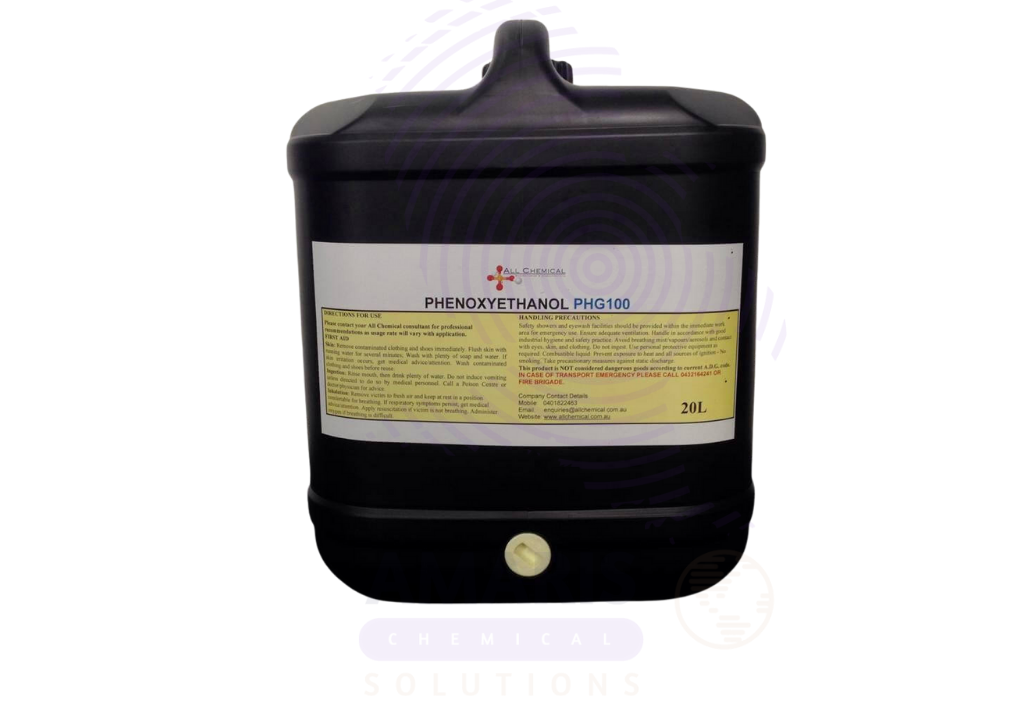

Phenoxyethanol
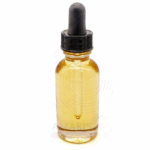
Phenoxyethanol 10 is a glycol ether commonly used as a preservative and antimicrobial agent in cosmetic and pharmaceutical formulations. It is a clear, colorless to pale yellow liquid with a mild floral scent. Phenoxyethanol offers broad-spectrum antibacterial and antifungal properties, making it an effective alternative to parabens in many products. Its stability, low toxicity, and compatibility with various ingredients make it a popular choice in personal care and industrial applications.
Phenoxyethanol
Primary Uses
- Cosmetics and Personal Care Products
- Acts as a preservative in creams, lotions, shampoos, and makeup to prevent microbial contamination.
- Enhances shelf life without compromising product safety or efficacy.
- Pharmaceuticals
- Used as a preservative in injectable drugs, vaccines, and topical medications.
- Provides antimicrobial protection to ensure product sterility.
- Industrial Applications
- Included in disinfectants, cleaners, and antiseptics for microbial control.
- Used in inks, paints, and coatings as a stabilizer and preservative.
Secondary Uses
- Perfumes and Fragrances
- Acts as a solvent and stabilizer for fragrance ingredients.
- Household Products
- Found in air fresheners and laundry detergents for antimicrobial benefits.
- Textile Industry
- Used in fabric treatments to prevent microbial growth and odors.
1. Basic Identification Attributes
- Chemical Name (IUPAC): 2-Phenoxyethanol
- Common/Trade Name: Phenoxyethanol 10
- CAS Number: 122-99-6
- HS Code: 2909.19.00
- Synonyms: Ethylene glycol monophenyl ether, Phenoxytol
2. Physical & Chemical Properties
- Physical State: Liquid
- Color & Odor: Clear to pale yellow; mild floral odor
- pH: Neutral to slightly acidic
- Boiling Point: Approx. 247°C
- Solubility: Miscible with water and alcohols
- Density: 1.1 g/cm³
3. Safety & Hazard Attributes
- GHS Classification: Not classified as hazardous at typical use levels
- Toxicity: Low toxicity; mild skin and eye irritant possible
- Exposure Limits: Standard chemical handling precautions advised
4. Storage & Handling Attributes
- Storage Conditions: Store in a cool, dry, well-ventilated area away from strong oxidizers
- Container Type: Supplied in sealed drums or bottles
- Shelf Life: 2 years when stored properly
- Handling Precautions: Avoid prolonged skin contact and inhalation of vapors
5. Regulatory & Compliance Attributes
- Complies with cosmetic regulatory standards including IFRA and EU Cosmetic Regulation
- Registered under relevant chemical safety regulations (e.g., REACH)
6. Environmental & Health Impact
- Biodegradability: Readily biodegradable
- Ecotoxicity: Low environmental impact when used as directed
- Bioaccumulation: Not expected to bioaccumulate
- Safety: Generally regarded as safe with proper handling
Safety Handling Precautions
- PPE Required: Gloves and safety goggles recommended
- Handling Guidelines: Use in well-ventilated areas; avoid direct skin and eye contact
- Storage Measures: Keep containers tightly closed and stored away from incompatible materials
First Aid Measures
- Inhalation: Move to fresh air if irritation occurs
- Skin Contact: Wash thoroughly with soap and water
- Eye Contact: Rinse with plenty of water for at least 15 minutes; seek medical advice if irritation persists
- Ingestion: Rinse mouth; seek medical advice if discomfort occurs
Firefighting Measures
- Fire Hazards: Combustible liquid
- Extinguishing Media: Use foam, dry chemical, or CO₂ extinguishers
- Special Precautions: Use standard protective equipment
- Hazardous Combustion Products: Carbon oxides and phenolic compounds
Related products
Benzoic Acid
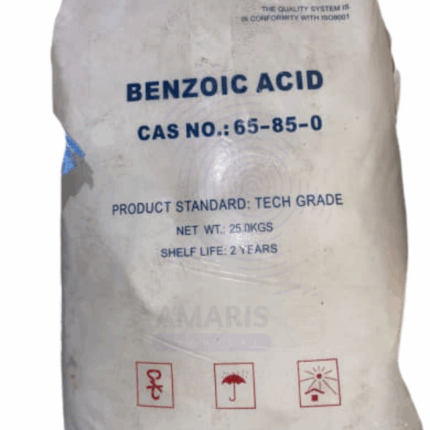
Benzoic Acid is a white crystalline solid with a faint, pleasant odor, classified as a simple aromatic carboxylic acid. It is widely used as a food preservative, antimicrobial agent, and chemical intermediate. Naturally occurring in many plants, it is commercially produced through oxidation of toluene or extraction from natural sources. Benzoic acid is valued for its ability to inhibit the growth of mold, yeast, and certain bacteria, making it essential in food preservation and cosmetic formulations. It also serves as a precursor in the manufacture of various pharmaceuticals, dyes, and plasticizers.
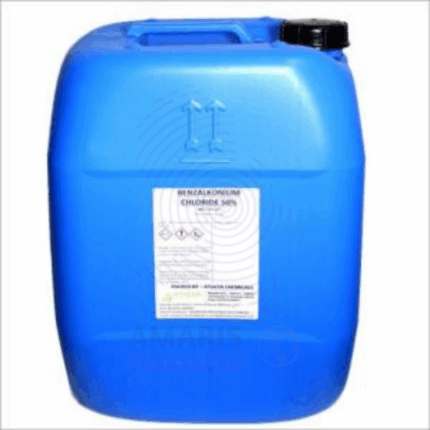
Benzyl Konium Chloride
Benzyl Konium Chloride (BAC) 50% is a quaternary ammonium compound with potent antimicrobial and disinfectant properties. It is a cationic surfactant widely used for its bactericidal, fungicidal, and virucidal effects. This clear to pale yellow liquid concentrate is highly soluble in water and is commonly used in healthcare, sanitation, and industrial hygiene applications. BAC 50% solutions serve as active ingredients in disinfectants, sanitizers, and antiseptics due to their effectiveness against a broad spectrum of microorganisms.
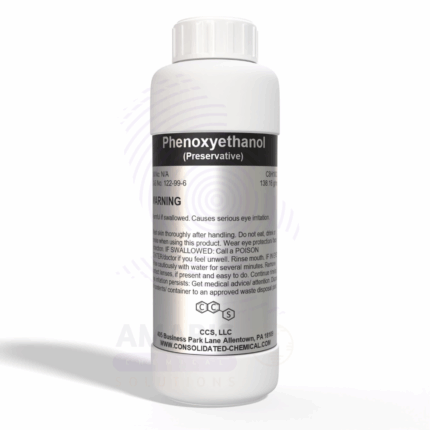
Phenoxyethano Extra Pure
Phenoxyethano Extra Pure is a high-purity aromatic glycol ether widely used as a preservative, solvent, and stabilizer in pharmaceutical, cosmetic, and laboratory formulations. This colorless, slightly viscous liquid possesses a mild pleasant odor and offers effective antimicrobial properties, particularly against Gram-negative bacteria.
Due to its excellent solvency and low volatility, Phenoxyethanol is ideal for use in creams, lotions, serums, and vaccines, where it extends shelf life by preventing microbial growth. In laboratory settings, it serves as a dependable solvent for dyes, resins, and plasticizers. Its low toxicity and compatibility with other preservatives make it a preferred alternative to parabens in personal care products.
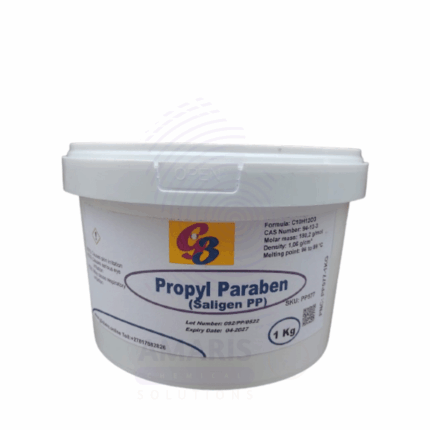
Propyl paraben
Propyl Paraben is a widely used preservative belonging to the paraben family, known for its antimicrobial properties. It is commonly employed to inhibit the growth of bacteria, mold, and yeast in cosmetic, pharmaceutical, and food products. Propyl Paraben is favored for its effectiveness, low toxicity, and compatibility with a broad range of formulations, helping extend product shelf life while maintaining safety.
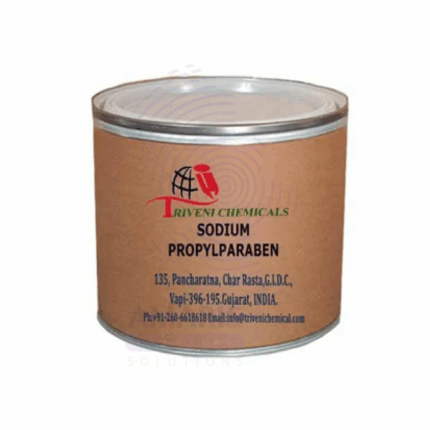
Propyl Paraben Sodium BP
Propyl Paraben Sodium BP is the sodium salt derivative of propyl paraben, widely used as an effective antimicrobial preservative. It offers improved water solubility compared to propyl paraben and is commonly employed in pharmaceutical, cosmetic, and food products to inhibit the growth of bacteria, molds, and yeasts, thereby extending shelf life and ensuring product safety.
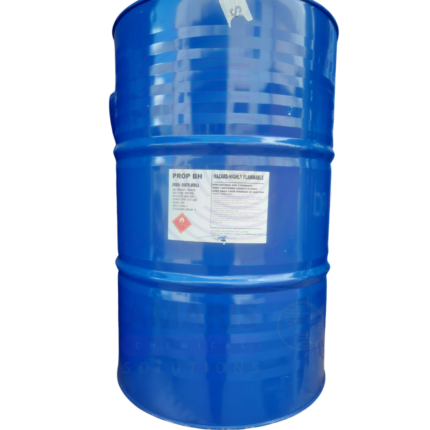
Propylparaben (Prop BH)
Prop BH, also known as Propylparaben or Propyl 4-Hydroxybenzoate, is an organic compound belonging to the paraben family of preservatives. It appears as colorless small crystals or a white crystalline powder with a characteristic mild odor and a slightly bitter taste. The compound is practically insoluble in cold water but readily soluble in alcohols, ethers, and other organic solvents. Propylparaben is widely recognized for its broad-spectrum antimicrobial activity, particularly effective against molds, yeasts, and bacteria. Propylparaben is manufactured for use as a preservative in various industrial applications and is not intended for direct human consumption without appropriate certification.
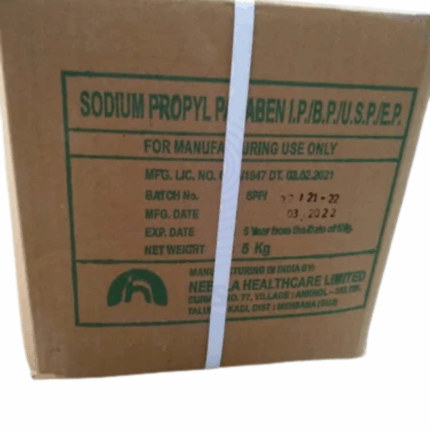
Sodium Propyl Paraben
Sodium Propyl Paraben is the sodium salt of propylparaben, a white to off-white crystalline powder or granule with the chemical formula C₁₀H₁₂NaO₃. It is a water-soluble antimicrobial preservative used extensively in personal care, pharmaceutical, and food products. Packaged in 25kg containers, it offers excellent stability and effectiveness over a wide pH range. Its antifungal and antibacterial properties make it a reliable choice for preventing microbial contamination and extending shelf life.

Zinc Pyrithione
Zinc Pyrithione is a high-purity antimicrobial and antifungal compound derived from the coordination of zinc with pyrithione (1-hydroxy-2-pyridinethione). It is widely used as an active ingredient in personal care formulations, industrial coatings, and materials preservation due to its broad-spectrum biocidal efficacy against bacteria, fungi, and algae. Its excellent thermal stability and compatibility with various systems make it ideal for diverse industrial and cosmetic applications.












