Preservatives(food)
 Flavor Enhancers
 Acidulants
 Sweeteners
 Antioxidants
 Colorants(food)
 Nutraceutical Ingredients (food)
 Nutrient Supplements
 Emulsifiers
 Collectors
 Dust Suppressants
 Explosives and Blasting Agents
 Flocculants and Coagulants
 Frothers
 Leaching Agents
 pH Modifiers
 Precious Metal Extraction Agents
 Antioxidants(plastic)
 Colorants (Pigments, Dyes)
 Fillers and Reinforcements
 Flame Retardants
 Monomers
 Plasticizers
 Polymerization Initiators
 Stabilizers (UV, Heat)
 Antifoaming Agents
 Chelating Agents
 Coagulants and Flocculants
 Corrosion Inhibitors
 Disinfectants and Biocides
 Oxidizing Agents
 pH Adjusters
 Scale Inhibitors( water)
 Antioxidants(cosmetic)
 Emollients
 Fragrances and Essential Oils
 Humectants
 Preservatives
 Surfactants(cosmetic)
 Thickeners
 UV Filters
 Fertilizers
 Soil Conditioners
 Plant Growth Regulators
 Animal Feed Additives
 Biostimulants
 Pesticides (Herbicides, Insecticides, Fungicides)
 Active Pharmaceutical Ingredients (APIs)
 Excipients
 Solvents(pharmaceutical)
 Antibiotics
 Antiseptics and Disinfectants
 Vaccine Adjuvants
 Nutraceutical Ingredients (pharmaceutical)
 Analgesics & Antipyretics
 Analytical Reagents
 Solvents(lab)
 Chromatography Chemicals
 Spectroscopy Reagents
 microbiology-and-cell-culture-reagents
 Molecular Biology Reagents
 Biochemical Reagents
 Inorganic and Organic Standards
 Laboratory Safety Chemicals
 Specialty Laboratory Chemicals(Special Laboratory Equipment)
 Demulsifiers
 Hydraulic Fracturing Fluids
 Scale Inhibitors(oil)
 Surfactants(oil)
 Drilling Fluids
 Dyes and Pigments
 Bleaching Agents
 Softening Agents
 Finishing Agents
 Antistatic Agents
 Admixtures
 Waterproofing Agents
 Sealants and Adhesives
 Curing Compounds
 Concrete Repair Chemicals
 Anti-Corrosion Coatings
 Surfactants(cleaning)
 Builders
 Enzymes
 Solvents (Cleaning)
 Fragrances
 Electronic Chemicals
 Catalysts
 Lubricants
 Photographic Chemicals
 Refrigerants
 Automotive chemicals
 Pyrotechnic Chemicals
 Biodegradable Surfactants
 Bio-based Solvents
 Renewable Polymers
 Carbon Capture Chemicals
 Wastewater Treatment Chemicals
 Pigments
 Solvents(paint)
 Specialty Coatings
 Binders/Resins
 Additives
 Driers
 Anti-Corrosion Agents
 Functional Coatings
 Application-Specific Coatings
 Leavening Agents
 Dough Conditioners
 Flour Treatments
 Fat Replacers
 Decoratives
 Preservatives(baking)
 Plasticizers & Softeners
 Reinforcing Agents
 Adhesion Promoters
 Vulcanizing Agents
 Antidegradants
 Blowing Agents
 Fillers & Extenders
 Accelerators & Retarders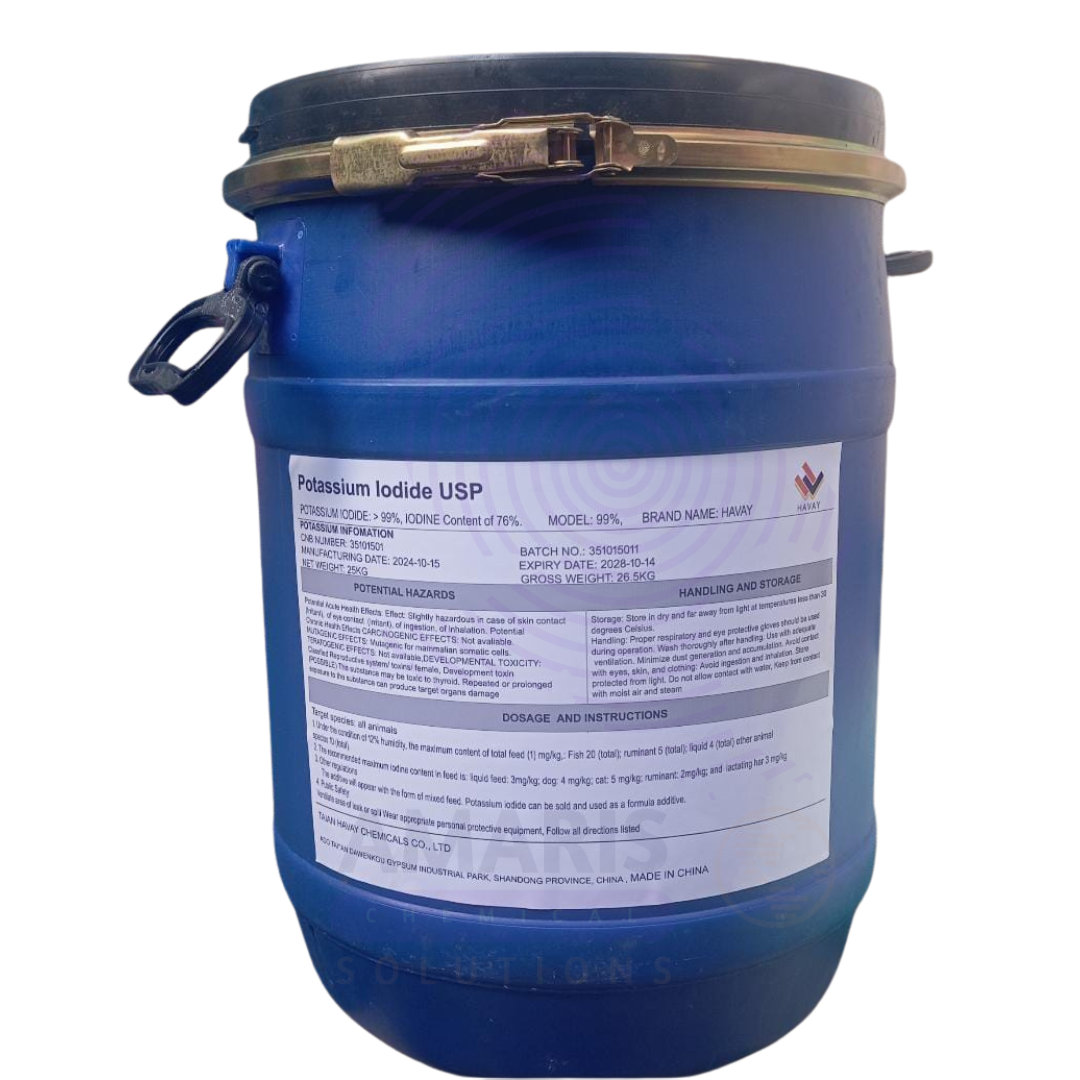




Potassium Iodide USP
Original price was: $ 50.00.$ 47.50Current price is: $ 47.50.
Potassium Iodide USP is a high-purity inorganic halogenated salt that meets the strict quality and purity standards of the United States Pharmacopeia (USP). It appears as white crystalline granules or powder, is odorless, and has a characteristic saline taste. This pharmaceutical-grade compound is valued for its ability to act as a source of iodide ions, its high solubility in water, and its stability when properly stored. It is slightly hygroscopic and may become yellow upon prolonged exposure to air due to liberation of iodine, with light and moisture accelerating decomposition, requiring careful packaging and storage. Potassium Iodide USP is manufactured under current Good Manufacturing Practices (cGMP) and is suitable for human pharmaceutical applications, nutritional supplements, and other uses requiring the highest purity standards.
Potassium Iodide USP
Primary Uses
1. Pharmaceutical Chemicals
-
Active Pharmaceutical Ingredient (API): Used in the manufacture of pharmaceutical tablets for thyroid protection, including radiation emergency preparedness (potassium iodide tablets) to block radioactive iodine uptake by the thyroid gland.
-
Excipient: Functions as a stabilizing agent in various pharmaceutical formulations and in the preparation of tincture of iodine and iodine solutions.
-
Antiseptic preparations: Used in wound sprays, topical disinfectant formulations, and preoperative skin preparations.
-
Expectorant: Included in cough syrups and respiratory medications to thin mucus and promote expulsion in conditions such as chronic bronchitis and asthma.
-
Antifungal treatments: Used in topical preparations for certain fungal infections, particularly sporotrichosis.
-
Thyroid blocking agent: Prescribed before administration of radioactive iodine diagnostic or therapeutic procedures to protect the thyroid.
-
Radiation protection: Stockpiled by government agencies and healthcare facilities for distribution in nuclear emergencies.
-
Thyroid disease management: Used in the treatment of hyperthyroidism in preparation for surgery and in the management of thyrotoxic crisis.
-
Dermatological preparations: Incorporated into topical formulations for certain skin conditions.
2. Food and Beverage Chemicals
-
Nutrient Supplements: Serves as a source of elemental dietary iodine in nutritional supplements for humans, including multivitamins, mineral tablets, and prenatal vitamins.
-
Iodized salt additive: Used to fortify table salt with iodine to prevent iodine deficiency disorders, including goiter and cretinism.
-
Infant nutrition: Added to infant formulas and baby foods to ensure adequate iodine intake for proper neurological development.
3. Laboratory Chemicals
-
Analytical Reagents: USP grade is used as a primary standard for various analytical procedures including iodometric titrations.
-
Biochemical Reagents: Employed in biochemical research, protein crystallization, and testing applications requiring pharmaceutical-grade purity.
-
Chromatography Chemicals: Used in preparation of mobile phases and detection reagents where high purity is essential.
-
Spectroscopy Reagents: Utilized in UV-VIS spectroscopy applications as a standard for iodine determination.
-
Inorganic and Organic Standards: Used as a certified reference standard in analytical chemistry.
Secondary Uses
1. Veterinary Medicine
-
Veterinary pharmaceuticals: Incorporated into medications for treating respiratory conditions and iodine deficiency in livestock, horses, and companion animals.
-
Trace mineral supplement: Added to veterinary formulations for iodine-deficient animals.
2. Cosmetic and Personal Care Chemicals
-
Oral care products: Added to some therapeutic toothpaste formulations for gum health.
-
Hair care: Used in specialized hair treatment products for scalp conditions.
3. Specialty and Fine Chemicals
-
Chemical Intermediates: Used as a high-purity raw material in the synthesis of pharmaceutical-grade iodo compounds.
-
Research applications: Employed in pharmaceutical research and development.
1. Basic Identification Attributes
-
Chemical Name (IUPAC): Potassium iodide
-
Common/Trade Name: Potassium Iodide USP; KI USP
-
CAS Number: 7681-11-0
-
HS Code: 2827.60
-
Molecular Formula: KI
-
Molecular Weight: 166.00 g/mol
-
Synonyms:
-
Iodide salt of potassium
-
Potassium monoiodide
-
ThyroShield (brand name)
-
IOSAT (brand name)
-
Potassium iodide USP
-
Potassium iodide pharmaceutical grade
-
2. Physical & Chemical Properties
-
Physical State: Crystalline powder or granules
-
Color & Odor: White, odorless (may yellow with age due to iodine liberation; USP allows slight yellowing but specifies limits)
-
Melting Point: 681°C
-
Boiling Point: 1,330°C
-
Density: 3.12 g/cm³
-
pH (5% solution): 7.0–9.0 (slightly alkaline)
-
Solubility: Highly soluble in water (1.4 g/mL), glycerol, and ethanol; slightly soluble in methanol
-
Hygroscopicity: Slightly hygroscopic; absorbs moisture from air
-
Stability: Stable under recommended storage conditions; sensitive to light and moisture
-
Loss on Drying: ≤ 1.0% (USP specification)
-
Heavy Metals: ≤ 0.001% (USP specification)
-
Iodate Limit: Passes USP limit test
-
Thiosulfate Limit: Passes USP limit test
-
Barium Limit: Passes USP limit test
-
Assay: 99.0–101.5% (USP specification)
3. Safety & Hazard Attributes
-
GHS Classification:
-
H319: Causes serious eye irritation
-
H361: Suspected of damaging fertility or the unborn child (at high therapeutic doses)
-
H372: Causes damage to thyroid through prolonged or repeated exposure (at high doses exceeding therapeutic levels)
-
-
Therapeutic Safety: Safe and effective when used at recommended doses under medical supervision
-
Contraindications: Not for use in individuals with known hypersensitivity to iodine; caution in pregnancy and breastfeeding (use only under medical supervision)
-
Irritation: May cause eye irritation
-
Exposure Limits: Regulated as a pharmaceutical; occupational exposure should be minimized
4. Storage & Handling Attributes
-
Storage Conditions: Store in tightly closed, light-resistant containers in a cool, dry, well-ventilated area. Protect from light, moisture, and air. USP requires storage in tight, light-resistant containers.
-
Container Type: Amber glass bottles with tight closures, HDPE drums with liner, foil-lined bags
-
Shelf Life: 24–36 months when stored under recommended conditions
-
Handling Precautions:
-
Avoid dust formation and inhalation
-
Use in well-ventilated areas with local exhaust ventilation
-
Avoid contact with eyes, skin, and clothing
-
Wash thoroughly after handling
-
Follow pharmaceutical good handling practices
-
-
Storage Measures: Light-sensitive; use opaque or amber containers; maintain dry conditions; protect from air
5. Regulatory & Compliance Attributes
-
Regulatory Status:
-
USP: Meets United States Pharmacopeia monograph requirements
-
FDA: Approved for pharmaceutical and food applications
-
cGMP: Manufactured under current Good Manufacturing Practices
-
TSCA (USA): Listed
-
DSL (Canada): Listed
-
EINECS/ELINCS (EU): 231-659-4
-
REACH: Registered for pharmaceutical and industrial use
-
-
Certifications: USP grade certification available; Certificate of Analysis provided with each lot
-
Labeling Requirements: Must carry USP designation; appropriate pharmaceutical labeling; GHS hazard labeling for occupational safety
6. Environmental & Health Impact
-
Biodegradability: Inorganic compound; does not biodegrade
-
Ecotoxicity: Very toxic to aquatic life; pharmaceutical manufacturers must prevent environmental release
-
Bioaccumulation: Iodine can bioaccumulate in aquatic organisms
-
Environmental Fate: Highly soluble; persists in water; must be handled as pharmaceutical waste
-
Disposal Considerations: Dispose in accordance with pharmaceutical waste regulations; do not release to environment
1. Safety Handling Precautions
-
PPE Required:
-
Eyes: Chemical splash goggles or safety glasses with side shields
-
Skin: Chemical-resistant gloves (nitrile recommended), lab coat or cleanroom attire
-
Respiratory: Use NIOSH-approved N95 or N100 respirator if airborne dust concentrations exceed occupational exposure limits
-
Other: Eyewash station accessible in handling area
-
-
Handling Guidelines:
-
Use in controlled environments with appropriate ventilation
-
Minimize dust generation and accumulation
-
Follow pharmaceutical good handling practices
-
Prevent cross-contamination with other materials
-
Maintain lot traceability
-
-
Storage Measures:
-
Store in USP-compliant containers (tight, light-resistant)
-
Protect from light, moisture, and air
-
Monitor expiry dates; rotate stock using FIFO method
-
Store at controlled room temperature (15–30°C)
-
-
Hygiene Practices:
-
Wash hands thoroughly before breaks and after handling
-
Remove contaminated clothing and launder before reuse
-
Shower at end of shift
-
Do not eat, drink, or smoke in handling areas
-
2. First Aid Measures
-
Inhalation: Remove the person to fresh air immediately. If breathing is difficult, administer oxygen. Seek medical attention if respiratory irritation or symptoms develop.
-
Skin Contact: Remove contaminated clothing immediately. Rinse skin with plenty of water for at least 15 minutes. Wash with soap and water. Seek medical attention if irritation develops.
-
Eye Contact: Immediately rinse eyes with lukewarm, gently flowing water for at least 15 minutes while holding eyelids open. Remove contact lenses if present. Seek immediate medical attention.
-
Ingestion: For occupational exposure (unintentional ingestion): Rinse mouth thoroughly. Do NOT induce vomiting. Drink milk or several glasses of water. Seek immediate medical attention. For pharmaceutical use, follow prescribing information and medical guidance.
3. Firefighting Measures
-
Fire Hazards: Non-flammable solid. May evolve toxic and corrosive iodine vapor when heated to decomposition.
-
Extinguishing Media: Use water spray, fog, or mist; dry chemical; carbon dioxide. Select media appropriate for surrounding materials.
-
Special Firefighting Procedures:
-
Wear full protective clothing and self-contained breathing apparatus (SCBA)
-
Use water spray to cool exposed containers and disperse vapors
-
Contain firefighting runoff to prevent environmental contamination
-
-
Hazardous Combustion Products: Iodine vapor, hydrogen iodide, oxides of potassium
Related products
Atropine Sulphate
Atropine Sulphate is a crystalline, water-soluble alkaloid salt derived from the belladonna plant (Atropa belladonna) and other Solanaceae family members. It is a tropane alkaloid with potent anticholinergic properties, widely used in medicine for its ability to block muscarinic acetylcholine receptors. Atropine Sulphate is employed in ophthalmology, emergency medicine, and anesthesia for its effects on the eyes, heart, and smooth muscles. It acts by inhibiting parasympathetic nerve impulses, resulting in pupil dilation, increased heart rate, and reduced gland secretions.
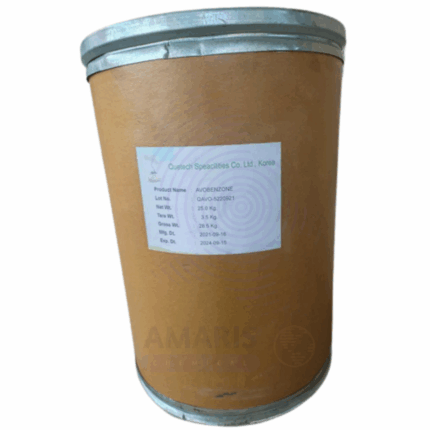
Avobenzone
Avobenzone (chemical name: Butyl Methoxydibenzoylmethane) is an oil-soluble organic compound widely used as a UVA filter in sunscreen formulations. It is valued for its ability to absorb a broad spectrum of ultraviolet A (UVA) rays (320–400 nm), protecting the skin from premature aging and damage caused by sun exposure. Avobenzone is often combined with other UV filters to provide broad-spectrum sun protection. It is a pale yellow liquid or crystalline powder, soluble in oils and alcohols but unstable in sunlight unless stabilized with other agents.
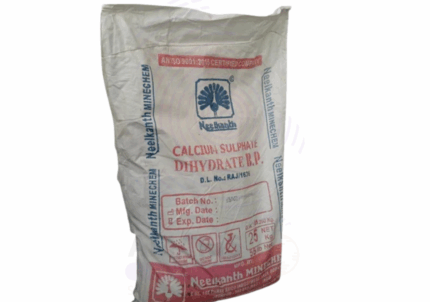
Calcium Sulphate Dihydrate
Calcium Sulphate Dihydrate, commonly known as gypsum, is a naturally occurring mineral widely used in agriculture, construction, and various industrial processes. It appears as a white or slightly translucent crystalline powder with moderate solubility in water. The compound is primarily used as a soil conditioner to improve soil structure and supply calcium and sulfur nutrients essential for plant growth. It also finds applications in the manufacture of plaster, cement, and as a filler in various products.
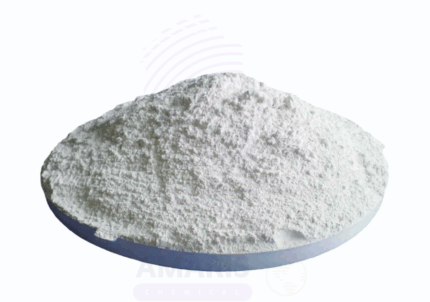
Diloxanide Furoate
Diloxanide Furoate is an orally administered antiprotozoal agent used primarily for the treatment of amoebiasis. It is a furan-based derivative that acts as a luminal amoebicide, effectively targeting Entamoeba histolytica cysts and trophozoites within the intestinal lumen. This compound is well-regarded for its efficacy in eradicating asymptomatic cyst carriers and as a follow-up treatment after systemic amoebicidal therapy. Diloxanide Furoate has good oral bioavailability and a favorable safety profile.
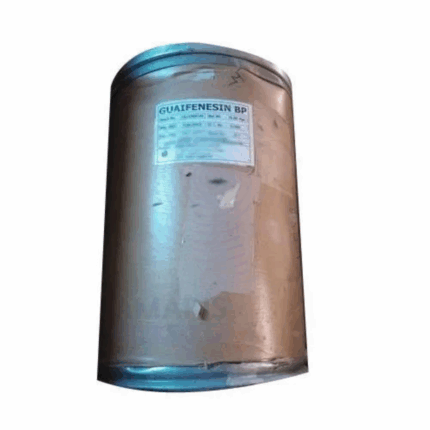
Guaiphenesin BP
Guaiphenesin BP is a white crystalline powder or granules with a faint characteristic odor, classified as an expectorant used primarily in pharmaceutical formulations to relieve chest congestion. It works by loosening and thinning mucus in the airways, making it easier to cough up and clear from the respiratory tract. It is widely utilized in cough syrups, tablets, and cold remedies. Recognized for its mucolytic and muscle-relaxant properties, Guaiphenesin is included in both prescription and over-the-counter medications worldwide.
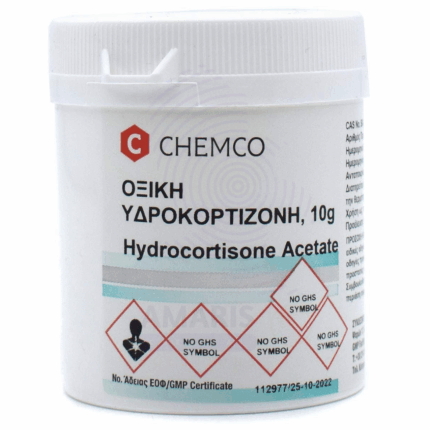
Hydrocortisone Acetate
Hydrocortisone Acetate is a synthetic corticosteroid ester derived from hydrocortisone (cortisol). It is a white to off-white crystalline powder, practically insoluble in water but soluble in alcohol and acetone. This compound exhibits potent anti-inflammatory, immunosuppressive, and anti-allergic properties, making it widely used in pharmaceutical and dermatological formulations. Hydrocortisone Acetate acts by modulating gene expression to reduce the production of inflammatory mediators, thereby alleviating symptoms in various inflammatory and autoimmune conditions.

Passion Liquid Flavor
Passion Liquid Flavor is a concentrated, vibrant flavoring agent designed to impart the sweet and tangy taste of passion fruit in food and beverage products. This high-quality liquid flavor is formulated for excellent solubility and stability in various aqueous and non-aqueous food systems. It is widely used in confectionery, beverages, dairy products, bakery, and snacks to deliver a natural tropical fruit flavor profile. Manufactured following stringent food safety standards, Passion Liquid Flavor ensures consistent taste, purity, and compliance with regulatory requirements for food-grade ingredients.