

 Preservatives(food)
 Flavor Enhancers
 Acidulants
 Sweeteners
 Antioxidants
 Colorants(food)
 Nutraceutical Ingredients (food)
 Nutrient Supplements
 Emulsifiers
 Collectors
 Dust Suppressants
 Explosives and Blasting Agents
 Flocculants and Coagulants
 Frothers
 Leaching Agents
 pH Modifiers
 Precious Metal Extraction Agents
 Antioxidants(plastic)
 Colorants (Pigments, Dyes)
 Fillers and Reinforcements
 Flame Retardants
 Monomers
 Plasticizers
 Polymerization Initiators
 Stabilizers (UV, Heat)
 Antifoaming Agents
 Chelating Agents
 Coagulants and Flocculants
 Corrosion Inhibitors
 Disinfectants and Biocides
 Oxidizing Agents
 pH Adjusters
 Scale Inhibitors( water)
 Antioxidants(cosmetic)
 Emollients
 Fragrances and Essential Oils
 Humectants
 Preservatives
 Surfactants(cosmetic)
 Thickeners
 UV Filters
 Fertilizers
 Soil Conditioners
 Plant Growth Regulators
 Animal Feed Additives
 Biostimulants
 Pesticides (Herbicides, Insecticides, Fungicides)
 Active Pharmaceutical Ingredients (APIs)
 Excipients
 Solvents(pharmaceutical)
 Antibiotics
 Antiseptics and Disinfectants
 Vaccine Adjuvants
 Nutraceutical Ingredients (pharmaceutical)
 Analgesics & Antipyretics
 Analytical Reagents
 Solvents(lab)
 Chromatography Chemicals
 Spectroscopy Reagents
 microbiology-and-cell-culture-reagents
 Molecular Biology Reagents
 Biochemical Reagents
 Inorganic and Organic Standards
 Laboratory Safety Chemicals
 Specialty Laboratory Chemicals(Special Laboratory Equipment)
 Demulsifiers
 Hydraulic Fracturing Fluids
 Scale Inhibitors(oil)
 Surfactants(oil)
 Drilling Fluids
 Dyes and Pigments
 Bleaching Agents
 Softening Agents
 Finishing Agents
 Antistatic Agents
 Admixtures
 Waterproofing Agents
 Sealants and Adhesives
 Curing Compounds
 Concrete Repair Chemicals
 Anti-Corrosion Coatings
 Surfactants(cleaning)
 Builders
 Enzymes
 Solvents (Cleaning)
 Fragrances
 Electronic Chemicals
 Catalysts
 Lubricants
 Photographic Chemicals
 Refrigerants
 Automotive chemicals
 Pyrotechnic Chemicals
 Biodegradable Surfactants
 Bio-based Solvents
 Renewable Polymers
 Carbon Capture Chemicals
 Wastewater Treatment Chemicals
 Pigments
 Solvents(paint)
 Specialty Coatings
 Binders/Resins
 Additives
 Driers
 Anti-Corrosion Agents
 Functional Coatings
 Application-Specific Coatings
 Leavening Agents
 Dough Conditioners
 Flour Treatments
 Fat Replacers
 Decoratives
 Preservatives(baking)
 Plasticizers & Softeners
 Reinforcing Agents
 Adhesion Promoters
 Vulcanizing Agents
 Antidegradants
 Blowing Agents
 Fillers & Extenders
 Accelerators & Retarders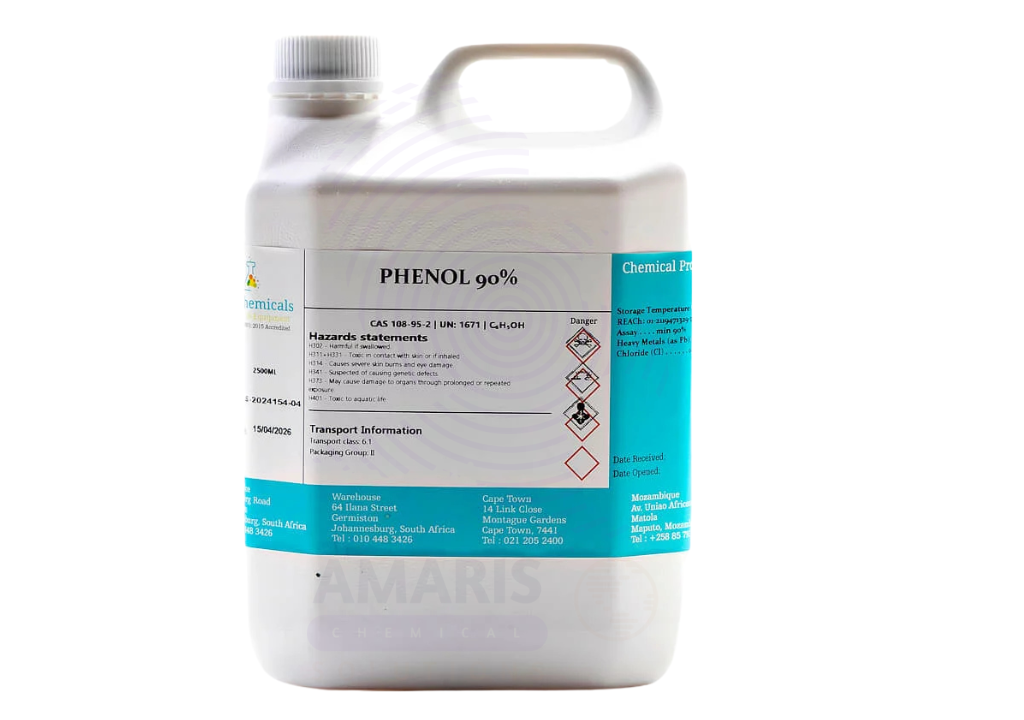


Sasol Phenol
Sasol Phenol is a high-purity, industrial-grade phenol produced by Sasol, widely used as a key raw material in the manufacture of plastics, resins, and chemicals. Phenol is an aromatic organic compound characterized by a hydroxyl group (-OH) attached to a benzene ring. It serves as a precursor in producing bisphenol A, caprolactam, and phenolic resins. Sasol Phenol is known for its consistent quality, purity, and suitability for diverse industrial applications including chemical synthesis, pharmaceuticals, and adhesives.
Sasol Phenol
Primary Uses
- Chemical Manufacturing
- Used as a precursor for bisphenol A, essential in producing polycarbonate plastics and epoxy resins.
- Key raw material for phenolic resins used in molding compounds, laminates, and adhesives.
- Involved in the production of caprolactam, a monomer for nylon-6 synthesis.
- Pharmaceuticals
- Used as a solvent and intermediate in the synthesis of various pharmaceuticals.
- Industrial Applications
- Employed as a disinfectant and antiseptic in industrial settings.
- Used in the manufacture of herbicides, dyes, and detergents.
Secondary Uses
- Laboratory & Research
- Used as a reagent in organic synthesis and analytical chemistry.
- Cosmetics
- Small amounts are used in some cosmetic formulations as a precursor or solvent, under strict regulatory limits.
1. Basic Identification Attributes
- Chemical Name (IUPAC): Phenol (Hydroxybenzene)
- Common/Trade Name: Sasol Phenol
- CAS Number: 108-95-2
- HS Code: 2907.11
- Synonyms: Carbolic acid, Hydroxybenzene
2. Physical & Chemical Properties
- Physical State: Clear, colorless to light pink liquid
- Odor: Characteristic phenolic odor
- Melting Point: 40.5 °C
- Boiling Point: 181.7 °C
- Density: Approx. 1.07 g/cm³
- Solubility: Miscible with water and organic solvents
3. Safety & Hazard Attributes
- GHS Classification: Toxic, corrosive, flammable
- Toxicity: Harmful if inhaled, ingested, or absorbed through skin
- Exposure Limits: Follow occupational exposure limits and safety guidelines
4. Storage & Handling Attributes
- Storage Conditions: Store in cool, dry, well-ventilated area away from ignition sources and incompatible materials such as strong oxidizers
- Container Type: Supplied in steel drums or tankers with secure sealing
- Shelf Life: Stable if stored properly, typically 1-2 years
- Handling Precautions: Use full protective equipment; avoid skin contact and inhalation
5. Regulatory & Compliance Attributes
- Complies with international chemical safety regulations including OSHA, REACH, and TSCA
6. Environmental & Health Impact
- Biodegradability: Biodegradable under aerobic conditions
- Ecotoxicity: Toxic to aquatic life; avoid environmental discharge
- Bioaccumulation: Low potential
Safety Handling Precautions
- PPE Required: Chemical-resistant gloves, goggles, face shield, and protective clothing
- Handling Guidelines: Use in well-ventilated areas; avoid inhalation and skin contact
- Storage Measures: Keep containers tightly closed and stored in a dry environment
First Aid Measures
- Inhalation: Move to fresh air; seek immediate medical attention if symptoms occur
- Skin Contact: Wash thoroughly with soap and water; remove contaminated clothing; seek medical advice if irritation persists
- Eye Contact: Rinse immediately with plenty of water for at least 15 minutes; get urgent medical care
- Ingestion: Do not induce vomiting; seek immediate medical attention
Firefighting Measures
- Fire Hazards: Flammable liquid; vapors can form explosive mixtures with air
- Extinguishing Media: Foam, dry chemical, CO₂, water spray
- Special Precautions: Use full protective equipment and self-contained breathing apparatus
- Hazardous Combustion Products: Carbon monoxide, carbon dioxide, phenolic compounds
Related products
Hexane
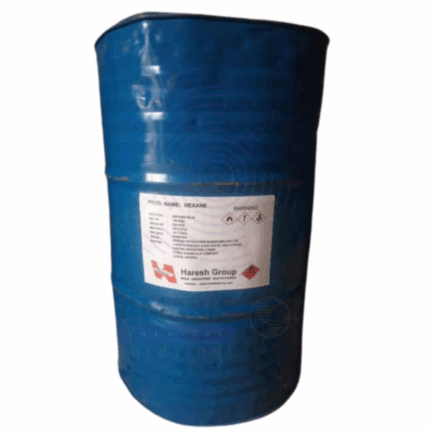
Hexane is a colorless, volatile, and highly flammable hydrocarbon solvent belonging to the alkane series with the chemical formula C6H14. It is a mixture of isomers, primarily n-hexane, with a faint gasoline-like odor. Hexane is widely used as an industrial solvent due to its non-polar characteristics, low boiling point, and excellent ability to dissolve oils, fats, waxes, and resins. It is commonly obtained from petroleum refining and is a key component in formulations requiring rapid evaporation and strong solvency. Hexane finds broad applications in chemical synthesis, extraction, cleaning, and manufacturing sectors.
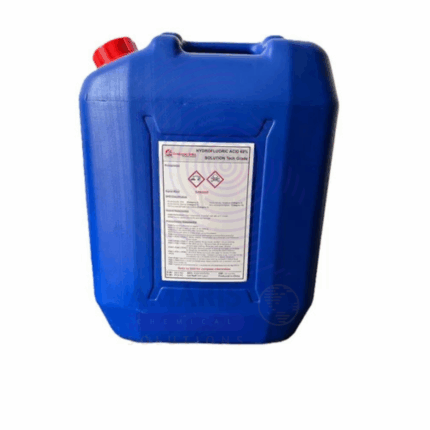
Hydrofluoric Acid
Hydrofluoric Acid is a highly corrosive aqueous solution of hydrogen fluoride gas dissolved in water. It is a colorless to pale yellow fuming liquid with a strong pungent odor. Unlike other mineral acids, HF is a weak acid chemically but uniquely reactive due to its ability to dissolve silica and glass, and penetrate tissues deeply. This makes it invaluable in numerous industrial, laboratory, and specialized applications but also highly hazardous.
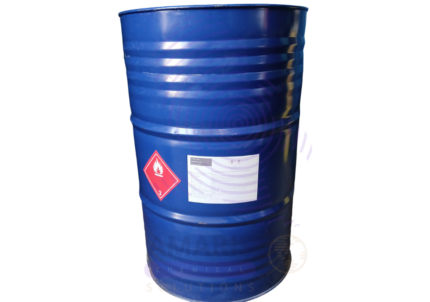
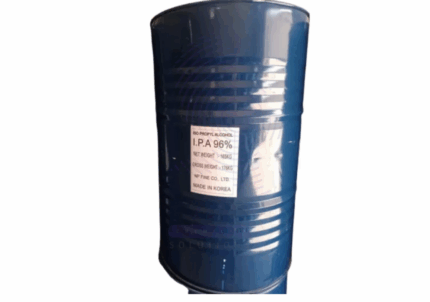
Isopropyl Alcohol Tech Grade (IPA)
Isopropyl Alcohol Tech Grade is a colorless, flammable liquid with a strong, characteristic alcohol odor. It is a solution containing approximately 85% isopropanol by volume, with the remainder primarily water. This technical-grade IPA is widely used as a solvent, disinfectant, and cleaning agent in industrial, pharmaceutical, and household applications. The 85% concentration balances efficacy with safety and evaporation rate, making it versatile for various uses.
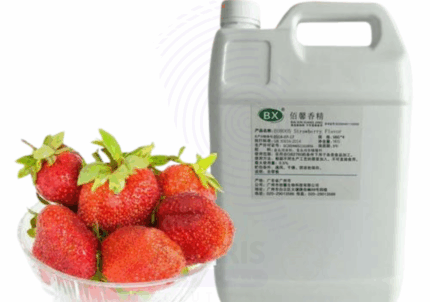
Liquid Strawberry Flavor
Liquid Strawberry Flavor is a premium quality flavoring agent that captures the fresh, sweet, and slightly tart essence of ripe strawberries. Widely used in the food and beverage industry, this flavor enhances the taste and aroma of a variety of products including beverages, confectionery, dairy, and baked goods. It is water and alcohol soluble, allowing easy incorporation into multiple formulations. The natural and authentic strawberry profile makes it ideal for creating flavorful and appealing consumer products.
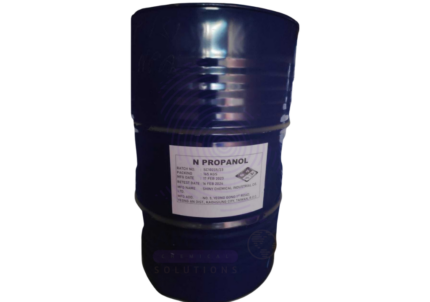
N-Propanol
N-Propanol, also known as n-Propyl Alcohol or 1-Propanol, is a clear, colorless, low-viscosity liquid with a characteristic mild alcohol-like odor. It is a primary alcohol with the molecular formula C₃H₈O, fully miscible with water and common organic solvents such as alcohols, ketones, ethers, glycols, and hydrocarbons. This high-purity, semi-volatile, polar solvent serves as both a versatile solvent and a chemical intermediate across multiple industrial sectors. N-Propanol has a flash point of 15–23°C and is classified as a highly flammable liquid. Technical grade N-Propanol is manufactured for industrial applications and is not intended for direct human consumption unless specifically certified as USP or Food Grade.
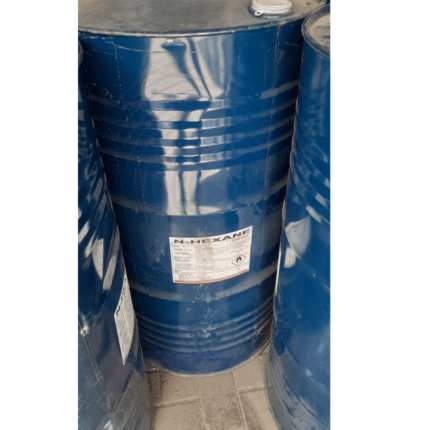
Normal Hexane
Normal Hexane is a colorless, highly flammable liquid hydrocarbon with the chemical formula C6H14. It belongs to the aliphatic hydrocarbon family and is primarily used as a solvent due to its excellent ability to dissolve oils, fats, and various organic compounds. It has a low boiling point and evaporates quickly, making it ideal for industrial and laboratory applications.
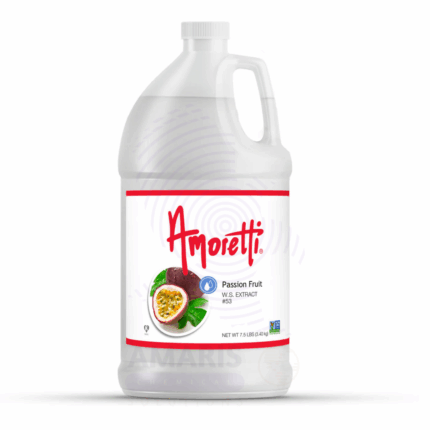
Passion Fragrance Water Soluble
Passion Fragrance Water Soluble is a fresh and vibrant fragrance designed to deliver the sweet, tropical aroma of passion fruit in water-based formulations. Its excellent solubility in water makes it ideal for use in a variety of cosmetic, personal care, and household products such as body sprays, lotions, shampoos, and air fresheners. This fragrance oil is formulated to maintain scent stability and longevity in aqueous systems while providing a clean, refreshing tropical note. Manufactured under strict quality standards, it ensures consistent performance and safety for various applications.
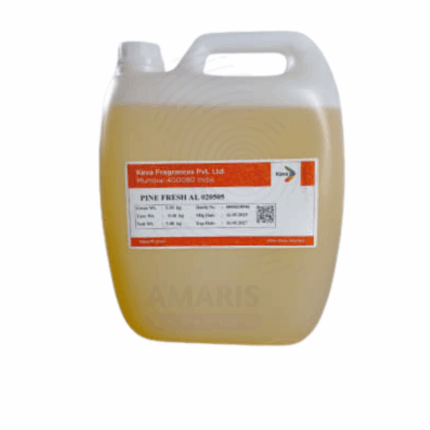
Unipine Fragrance Water Soluble
Unipine Fragrance Water Soluble is a fresh, crisp, pine-based aromatic compound formulated for use in water-based systems. It replicates the clean, invigorating scent of pine forests with subtle herbal and woody undertones, making it a popular choice in air fresheners, cleaning agents, and personal care formulations. Its water-soluble nature allows for easy incorporation into aqueous products without the need for emulsifiers, ensuring even fragrance dispersion and stability. Unipine fragrance offers excellent performance in both homecare and hygiene applications where a natural, clean aroma is desired.












