

 Preservatives(food)
 Flavors
 Acidulants
 Sweeteners
 Antioxidants
 Colorants(food)
 Nutraceutical Ingredients (food)
 Nutrient Supplements
 Emulsifiers
 Collectors
 Dust Suppressants
 Explosives and Blasting Agents
 Flocculants and Coagulants
 Frothers
 Leaching Agents
 pH Modifiers
 Precious Metal Extraction Agents
 Antioxidants(plastic)
 Colorants (Pigments, Dyes)
 Fillers and Reinforcements
 Flame Retardants
 Monomers
 Plasticizers
 Polymerization Initiators
 Stabilizers (UV, Heat)
 Antifoaming Agents
 Chelating Agents
 Coagulants and Flocculants
 Corrosion Inhibitors
 Disinfectants and Biocides
 Oxidizing Agents
 pH Adjusters
 Scale Inhibitors( water)
 Antioxidants(cosmetic)
 Emollients
 Oils
Oils Carrier Oills
 Essential Oils
 Humectants
 Preservatives
 Surfactants(cosmetic)
 Thickeners
 UV Filters
 Fragrance (Cosmetics)
 Fertilizers
 Soil Conditioners
 Plant Growth Regulators
 Animal Feed Additives
 Biostimulants
 Pesticides (Herbicides, Insecticides, Fungicides)
 Active Pharmaceutical Ingredients (APIs)
 Excipients
 Solvents(pharmaceutical)
 Antibiotics
 Antiseptics and Disinfectants
 Vaccine Adjuvants
 Nutraceutical Ingredients (pharmaceutical)
 Analgesics & Antipyretics
 Analytical Reagents
 Solvents(lab)
 Chromatography Chemicals
 Spectroscopy Reagents
 microbiology-and-cell-culture-reagents
 Molecular Biology Reagents
 Biochemical Reagents
 Inorganic and Organic Standards
 Laboratory Safety Chemicals
 Specialty Laboratory Chemicals(Special Laboratory Equipment)
 Demulsifiers
 Hydraulic Fracturing Fluids
 Scale Inhibitors(oil)
 Surfactants(oil)
 Drilling Fluids
 Dyes and Pigments
 Bleaching Agents
 Softening Agents
 Finishing Agents
 Antistatic Agents
 Admixtures
 Waterproofing Agents
 Sealants and Adhesives
 Curing Compounds
 Concrete Repair Chemicals
 Anti-Corrosion Coatings
 Surfactants(cleaning)
 Builders
 Enzymes
 Solvents (Cleaning)
 Electronic Chemicals
 Catalysts
 Lubricants
 Photographic Chemicals
 Refrigerants
 Automotive chemicals
 Pyrotechnic Chemicals
 Biodegradable Surfactants
 Bio-based Solvents
 Renewable Polymers
 Carbon Capture Chemicals
 Wastewater Treatment Chemicals
 Pigments
 Solvents(paint)
 Specialty Coatings
 Binders/Resins
 Additives
 Driers
 Anti-Corrosion Agents
 Functional Coatings
 Application-Specific Coatings
 Leavening Agents
 Dough Conditioners
 Flour Treatments
 Fat Replacers
 Decoratives
 Preservatives(baking)
 Plasticizers & Softeners
 Reinforcing Agents
 Adhesion Promoters
 Vulcanizing Agents
 Antidegradants
 Blowing Agents
 Fillers & Extenders
 Accelerators & Retarders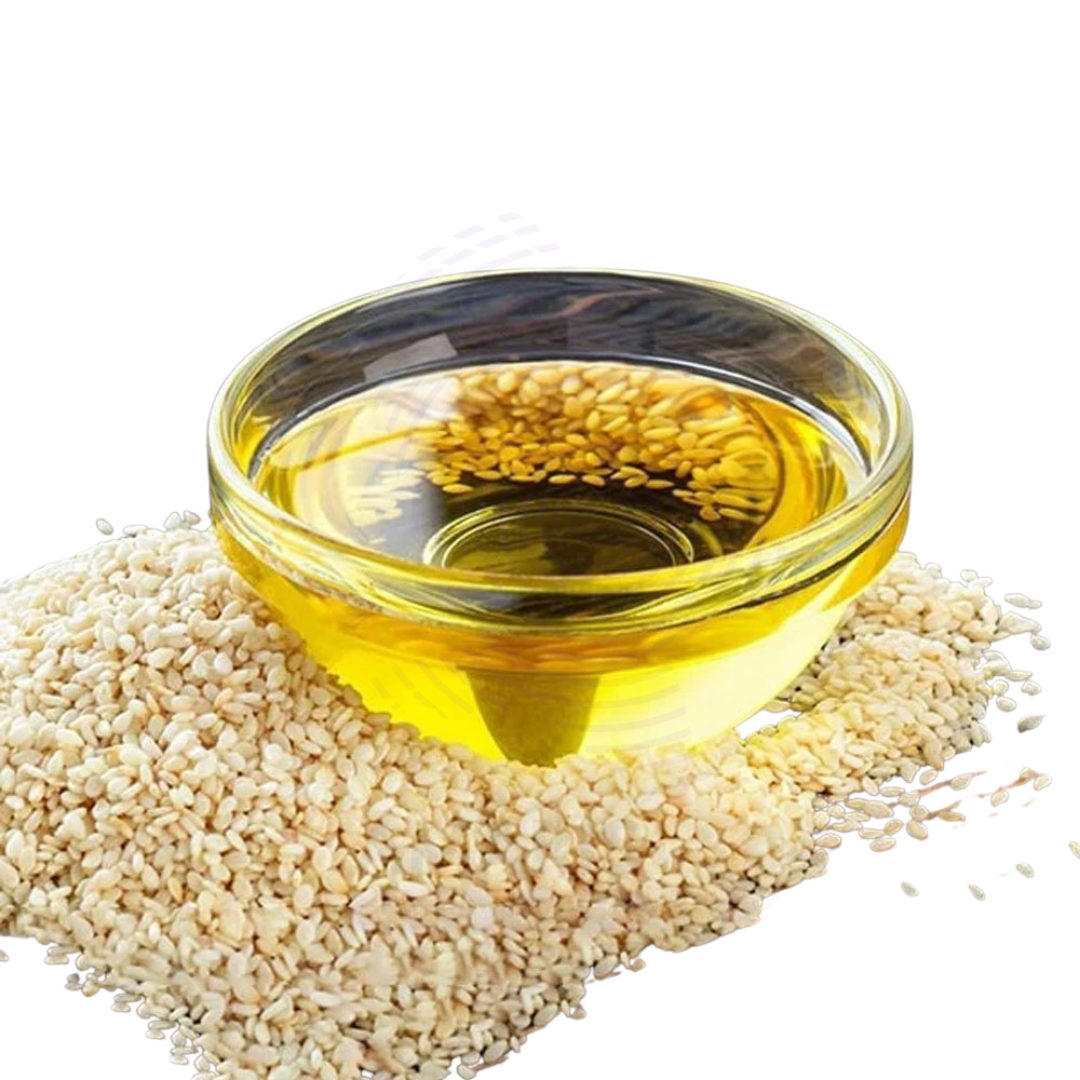



Sesame oil
Original price was: $ 18.10.$ 17.97Current price is: $ 17.97.
Sesame oil is a versatile vegetable oil extracted from sesame seeds (Sesamum indicum). It is available in both unrefined (light color, nutty flavor) and refined (neutral flavor) varieties. Rich in antioxidants like sesamol and sesamin, as well as unsaturated fats, it is valued for its stability, nutritional benefits, and mild skin-conditioning properties. It is widely used in cooking, cosmetics, and pharmaceutical formulations.
Sesame oil
Primary Uses
- Food and Beverage Chemicals
- Used as a cooking oil for frying, sautéing, and salad dressings.
- Added to baked goods, condiments, and processed foods as a flavor enhancer and preservative.
- Cosmetic and Personal Care Chemicals
- Incorporated into moisturizers, creams, and serums as an emollient and antioxidant.
- Used in hair oils, conditioners, and scalp treatments to nourish and strengthen hair.
- Added to soaps, lip balms, and massage oils for its soothing properties.
- Pharmaceutical Chemicals
- Employed as a carrier oil for topical medications and therapeutic formulations.
- Used in supplements for its anti-inflammatory and cardiovascular benefits.
Secondary Uses
- Industrial Applications
- Used in the production of paints, varnishes, and lubricants.
- Incorporated into insecticides and fungicides in organic farming.
1. Basic Identification Attributes
- Botanical Name: Sesamum indicum
- Common/Trade Name: Sesame Oil
- INCI Name: Sesamum Indicum Seed Oil
- CAS Number: 8008-74-0
- HS Code: 1515.50
- Synonyms: Gingerly Oil, Teel Oil
2. Physical & Chemical Properties
- Physical State: Light to medium viscosity liquid
- Color & Odor: Pale yellow (refined) to golden (unrefined); mild nutty aroma
- Solubility: Insoluble in water; soluble in organic solvents
- Specific Gravity: 0.915 – 0.924
- Main Components: Linoleic acid, oleic acid, sesamin, sesamol, vitamin E
3. Safety & Hazard Attributes
- GHS Classification: Not classified as hazardous
- Toxicity: Non-toxic; safe for topical and dietary use
- Exposure Limits: No specific occupational exposure limits
4. Storage & Handling Attributes
- Storage Conditions: Store in a cool, dark place away from direct sunlight
- Container Type: Food-grade plastic, glass, or stainless steel containers
- Shelf Life: Up to 24 months under proper storage
- Handling Precautions: Avoid contamination; keep containers tightly sealed
5. Regulatory & Compliance Attributes
- Complies with FDA, EFSA, and FSSAI standards for food and cosmetics
- Suitable for halal, kosher, and vegan certifications
- Produced in GMP-compliant facilities
6. Environmental & Health Impact
- Biodegradability: Fully biodegradable
- Ecotoxicity: Low environmental impact
- Bioaccumulation: Not expected
Safety Handling Precautions
- PPE Required: Gloves recommended for bulk handling
- Handling Guidelines: Avoid contact with eyes; use clean, dry equipment
First Aid Measures
- Inhalation: Not applicable under normal use
- Skin Contact: Wash with soap and water if irritation occurs
- Eye Contact: Rinse thoroughly with clean water
- Ingestion: Safe in food-grade form; no action needed
Firefighting Measures
- Fire Hazards: Combustible at high temperatures
- Extinguishing Media: CO₂, foam, or dry chemical
- Special Precautions: Use protective gear when dealing with fire
Related products
Areal Fragrance Oil
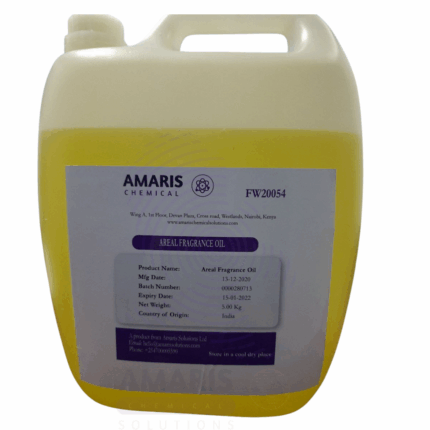
Areal Fragrance Oil is a premium synthetic fragrance blend designed to replicate the crisp, clean scent of fresh linen with subtle floral and breezy undertones. This fragrance oil is widely used across personal care and home fragrance applications due to its light, refreshing profile and excellent stability in both water- and oil-based systems. Its long-lasting scent makes it ideal for formulating products that evoke cleanliness, freshness, and comfort. Areal Fragrance Oil is compatible with various product bases and performs well under high-temperature processing conditions.

Bubble Gum Fragrance Oil
Bubble Gum Fragrance Oil is a high-quality aromatic oil designed to impart the classic sweet, fruity, and nostalgic scent of bubble gum. This fragrance oil is widely used in a variety of personal care and household products to provide a fun and playful aroma. It is carefully formulated for stability and long-lasting scent performance, making it ideal for use in soaps, candles, air fresheners, and cosmetic formulations.

Camphor White Oil
Camphor White Oil is a steam-distilled essential oil obtained from the wood of the Camphor tree (Cinnamomum camphora), primarily from the white fraction, which is rich in 1,8-cineole, camphor, and linalool. This fraction is the most commonly used in aromatherapy and topical preparations due to its potent but relatively balanced composition compared to brown or yellow fractions. The oil has a sharp, penetrating aroma with a cooling, medicinal character.
Traditionally used in topical pain relief, respiratory care, and soothing balms, Camphor White Oil is known for its anti-inflammatory, decongestant, antiseptic, and stimulating effects. It is widely used in cosmetics, personal care, pharmaceuticals, and aromatherapy formulations.
Carnation Water Soluble Fragrance
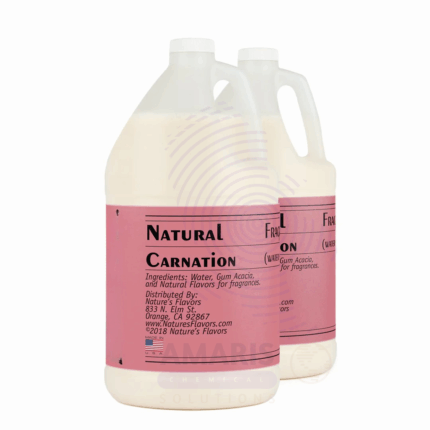
Carnation Water Soluble Fragrance is a delicately formulated aromatic blend that captures the spicy-floral essence of carnation petals in a water-compatible form. This fragrance is designed to dissolve completely in water-based systems without clouding or separation, making it ideal for use in a variety of personal care, household, and specialty applications. Its classic floral character imparts a soft, comforting scent, perfect for enhancing the sensory appeal of creams, sprays, cleansers, and other aqueous formulations. Known for its elegance and freshness, Carnation Fragrance adds a timeless aroma profile to any product.
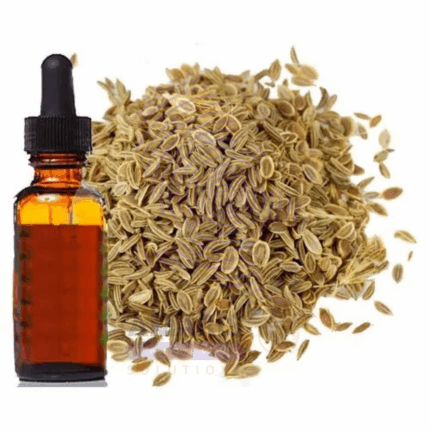
Celery Seed Oil
Celery Seed Oil is a concentrated essential oil obtained by steam distillation from the dried seeds of the Apium graveolens plant. It features a warm, spicy, earthy aroma with slightly bitter undertones and is rich in compounds like limonene, sedanolide, and selinene. Traditionally used in natural medicine for its anti-inflammatory, digestive, and diuretic properties, Celery Seed Oil is also increasingly recognized in cosmetic, aromatherapy, and flavoring applications. It is distinct from celery leaf oil, carrying a denser, more resinous aromatic profile and a stronger pharmacological potency.

Cinnamon Leaf Oil
Cinnamon Leaf Oil is an essential oil obtained by steam distillation of the leaves of the Cinnamomum zeylanicum or Cinnamomum verum tree. It has a warm, spicy, and slightly sweet aroma, distinct from cinnamon bark oil, with high levels of eugenol. This oil is prized for its antimicrobial, antioxidant, and analgesic properties. It is widely used in perfumery, aromatherapy, personal care, and natural medicine.
Used traditionally for respiratory relief, oral health, and topical analgesia, cinnamon leaf oil is now integrated into natural formulations for skincare, oral hygiene, massage, and household cleaning products. Its invigorating scent and therapeutic versatility make it valuable across cosmetic, pharmaceutical, and cleaning industries.
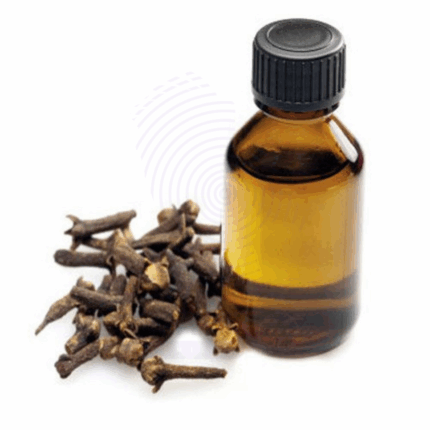
Clove Bud Oil
Clove Bud Oil is a potent essential oil obtained through steam distillation of the flower buds of the Syzygium aromaticum (formerly Eugenia caryophyllata) tree. Renowned for its strong, spicy, and warm aroma, it is rich in eugenol — a powerful natural compound with significant antiseptic, analgesic, and antimicrobial properties.
Used historically in dental care, traditional medicine, and perfumery, Clove Bud Oil is now widely applied in cosmetics, oral care, food flavoring, wellness, and natural cleaning products. It is also valued in aromatherapy for its grounding and energizing effects.

Coffee Oil
Coffee Oil is a natural oil extracted from roasted or green coffee beans (Coffea arabica or Coffea canephora) through cold pressing or solvent extraction. It possesses a rich, warm, roasted coffee aroma and is packed with beneficial compounds including caffeine, diterpenes, and antioxidant-rich fatty acids. Due to its emollient and antioxidant properties, it is widely used in cosmetic, aromatherapy, food, and fragrance applications.
Coffee Oil is known to help stimulate circulation, reduce inflammation, and provide anti-aging support in skincare. Its energizing scent also makes it popular in perfumes and wellness blends. Food-grade versions are used to enhance flavors in gourmet and specialty food products.












