

 Preservatives(food)
 Flavors
 Acidulants
 Sweeteners
 Antioxidants
 Colorants(food)
 Nutraceutical Ingredients (food)
 Nutrient Supplements
 Emulsifiers
 Collectors
 Dust Suppressants
 Explosives and Blasting Agents
 Flocculants and Coagulants
 Frothers
 Leaching Agents
 pH Modifiers
 Precious Metal Extraction Agents
 Antioxidants(plastic)
 Colorants (Pigments, Dyes)
 Fillers and Reinforcements
 Flame Retardants
 Monomers
 Plasticizers
 Polymerization Initiators
 Stabilizers (UV, Heat)
 Antifoaming Agents
 Chelating Agents
 Coagulants and Flocculants
 Corrosion Inhibitors
 Disinfectants and Biocides
 Oxidizing Agents
 pH Adjusters
 Scale Inhibitors( water)
 Antioxidants(cosmetic)
 Emollients
 Oils
Oils Carrier Oills
 Essential Oils
 Humectants
 Preservatives
 Surfactants(cosmetic)
 Thickeners
 UV Filters
 Fragrance (Cosmetics)
 Fertilizers
 Soil Conditioners
 Plant Growth Regulators
 Animal Feed Additives
 Biostimulants
 Pesticides (Herbicides, Insecticides, Fungicides)
 Active Pharmaceutical Ingredients (APIs)
 Excipients
 Solvents(pharmaceutical)
 Antibiotics
 Antiseptics and Disinfectants
 Vaccine Adjuvants
 Nutraceutical Ingredients (pharmaceutical)
 Analgesics & Antipyretics
 Analytical Reagents
 Solvents(lab)
 Chromatography Chemicals
 Spectroscopy Reagents
 microbiology-and-cell-culture-reagents
 Molecular Biology Reagents
 Biochemical Reagents
 Inorganic and Organic Standards
 Laboratory Safety Chemicals
 Specialty Laboratory Chemicals(Special Laboratory Equipment)
 Demulsifiers
 Hydraulic Fracturing Fluids
 Scale Inhibitors(oil)
 Surfactants(oil)
 Drilling Fluids
 Dyes and Pigments
 Bleaching Agents
 Softening Agents
 Finishing Agents
 Antistatic Agents
 Admixtures
 Waterproofing Agents
 Sealants and Adhesives
 Curing Compounds
 Concrete Repair Chemicals
 Anti-Corrosion Coatings
 Surfactants(cleaning)
 Builders
 Enzymes
 Solvents (Cleaning)
 Electronic Chemicals
 Catalysts
 Lubricants
 Photographic Chemicals
 Refrigerants
 Automotive chemicals
 Pyrotechnic Chemicals
 Biodegradable Surfactants
 Bio-based Solvents
 Renewable Polymers
 Carbon Capture Chemicals
 Wastewater Treatment Chemicals
 Pigments
 Solvents(paint)
 Specialty Coatings
 Binders/Resins
 Additives
 Driers
 Anti-Corrosion Agents
 Functional Coatings
 Application-Specific Coatings
 Leavening Agents
 Dough Conditioners
 Flour Treatments
 Fat Replacers
 Decoratives
 Preservatives(baking)
 Plasticizers & Softeners
 Reinforcing Agents
 Adhesion Promoters
 Vulcanizing Agents
 Antidegradants
 Blowing Agents
 Fillers & Extenders
 Accelerators & Retarders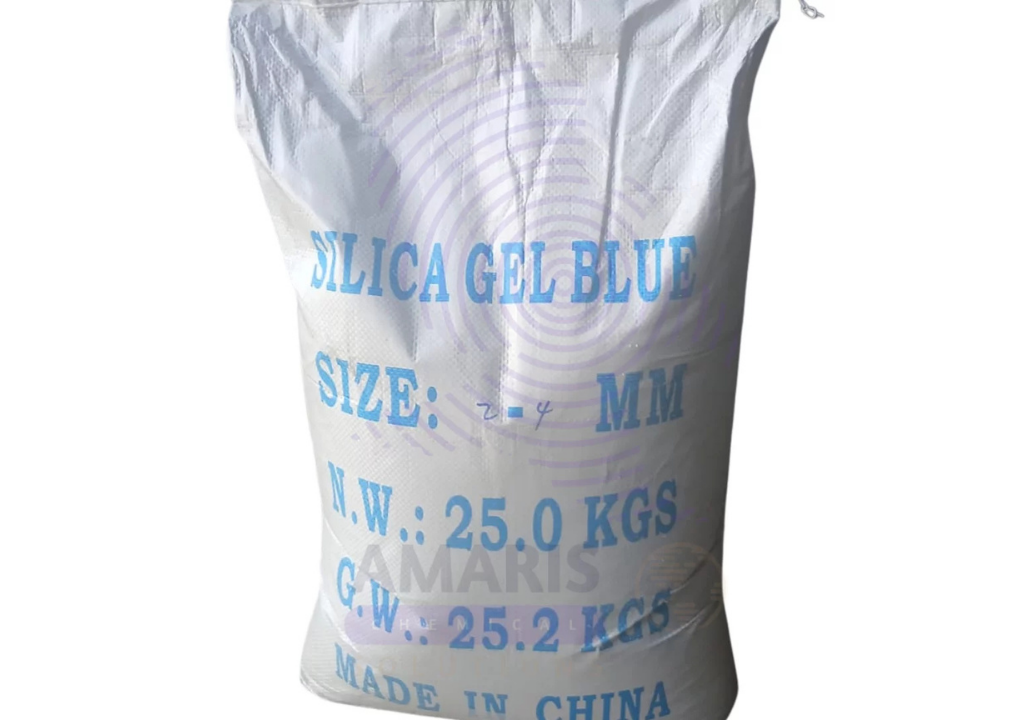


Silica Gel Blue
Original price was: $ 5.80.$ 5.74Current price is: $ 5.74.
Silica Gel Blue is a granular, porous form of amorphous silica that contains a moisture-sensitive cobalt compound. The blue color changes to pink as the silica absorbs moisture, providing a visual indication of saturation. Packaged in 25kg quantities, this self-indicating desiccant is widely used in industrial, commercial, and consumer applications for moisture control, preservation, and protection of sensitive materials. Its high surface area, non-corrosive nature, and easy regeneration make it a preferred drying agent across various industries.
Silica Gel Blue
Primary Uses
- Packaging & Storage Protection
- Used to control humidity in the packaging of electronics, optics, instruments, and pharmaceuticals.
- Included in shipping containers and product packaging to prevent moisture damage during transit and storage.
- Protects documents, photos, and archival materials from mold and degradation.
- Industrial Drying & Dehumidification
- Used in compressed air and gas drying systems to remove water vapor.
- Applied in sealed containers and cabinets where moisture control is critical (e.g., toolboxes, electrical enclosures).
- Common in transformer breathers to prevent moisture ingress into insulating oil.
- Pharmaceuticals & Healthcare
- Protects capsules, tablets, and powders from humidity during storage and shipping.
- Used in pharmaceutical cleanrooms and laboratory desiccators for moisture-sensitive substances.
- Laboratories & Scientific Applications
- Maintains dry conditions in desiccators and drying chambers.
- Helps preserve reagents, chemicals, and lab instruments from humidity-related degradation.
- Electronics & Optics
- Maintains moisture-free environments for sensitive devices such as sensors, semiconductors, and lenses.
- Used in storage of optical instruments, cameras, and night-vision equipment.
Secondary Uses
- Food Industry
- Used as a desiccant in non-edible product packaging (e.g., spice sachets, jerky packets) to prolong shelf life.
- Employed in food machinery parts or packaging machines to prevent condensation. (Note: Not food-grade)
- Military & Aerospace
- Ensures moisture protection of weapons systems, avionics, and mission-critical gear during long-term storage.
- Museums & Archival Storage
- Controls humidity in display cases and storage vaults to preserve textiles, artworks, and rare books.
- Consumer Use
- Used in closets, shoe boxes, gun safes, and camera bags to keep personal items dry.
1. Basic Identification Attributes
- Chemical Name (IUPAC): Silicon dioxide (SiO₂), amorphous, with cobalt(II) chloride indicator
- Common/Trade Name: Silica Gel Blue Self-Indicating
- CAS Number: 7631-86-9 (silica), 7646-79-9 (cobalt(II) chloride)
- HS Code: 2811.22.00 (Silica gel)
- Synonyms: Blue Silica Gel, Indicating Desiccant, Self-Indicating Silica
2. Physical & Chemical Properties
- Physical State: Solid (granules or beads)
- Color & Odor: Blue when dry, turns pink when saturated; odorless
- Particle Size: Typically 1–5 mm diameter
- Surface Area: 600–800 m²/g
- Moisture Capacity: Up to 40% of its own weight
- Solubility: Insoluble in water and most solvents
- Regeneration Temperature: 120°C–150°C (for moisture release and reuse)
3. Safety & Hazard Attributes
- GHS Classification: Harmful due to cobalt content; potential carcinogen (when inhaled in dust form)
- Toxicity: Moderate (avoid ingestion or prolonged skin contact)
- Exposure Limits: Minimize exposure to cobalt compounds; follow workplace safety guidelines
4. Storage & Handling Attributes
- Storage Conditions: Store in tightly sealed, moisture-proof containers in a dry, cool environment
- Container Type: 25kg drum, bag, or pail (moisture-resistant packaging)
- Shelf Life: Indefinite if kept dry and sealed; color change indicates saturation
- Handling Precautions: Avoid creating dust; wear protective gloves and eyewear
5. Regulatory & Compliance Attributes
- Complies with industrial desiccant regulations and quality standards (e.g., MIL-D-3464E)
- Not approved for food or pharmaceutical direct contact (unless cobalt-free variants are used)
- Subject to hazardous material labeling in some regions due to cobalt chloride content
- REACH-compliant (restricted substance notifications may apply)
6. Environmental & Health Impact
- Biodegradability: Non-biodegradable
- Ecotoxicity: Cobalt chloride is toxic to aquatic life; handle spent material properly
- Bioaccumulation: Not likely for silica, but cobalt may pose risk if improperly disposed
- Disposal Considerations: Dispose as hazardous waste if saturated or contaminated
Safety Handling Precautions
- PPE Required: Gloves, dust mask or respirator, goggles
- Handling Guidelines: Avoid inhalation of dust; wash hands after handling
- Storage Measures: Keep containers tightly closed and stored in a dry environment
First Aid Measures
- Inhalation: Move to fresh air; seek medical attention if respiratory symptoms develop
- Skin Contact: Wash with soap and water; get medical advice if irritation develops
- Eye Contact: Flush with water for at least 15 minutes; seek medical attention
- Ingestion: Rinse mouth thoroughly; do not induce vomiting; consult a healthcare provider
Firefighting Measures
- Fire Hazards: Non-flammable; inert material
- Extinguishing Media: Use appropriate media for surrounding materials
- Special Precautions: Wear protective gear in case of contaminated surroundings
- Hazardous Combustion Products: None (inert under fire conditions)
Related products
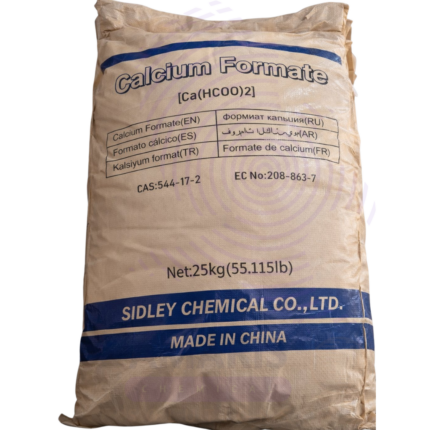
Calcium Formate
Calcium Formate is the calcium salt of formic acid, appearing as a white, free-flowing crystalline powder or granules. It is an odorless compound with a slightly bitter taste and is non-toxic. The chemical formula is Ca(HCOO)₂ with a molecular weight of 130.0 g/mol. Calcium Formate is slightly hygroscopic and readily soluble in water, with solubility of approximately 16.1 g/100 mL at 20°C. Its water solution is neutral with a pH of 6.0 to 8.0. The compound is stable under normal storage conditions and has a decomposition temperature exceeding 400°C. Technical grade Calcium Formate is manufactured for industrial applications including construction, animal feed, leather processing, and water treatment.
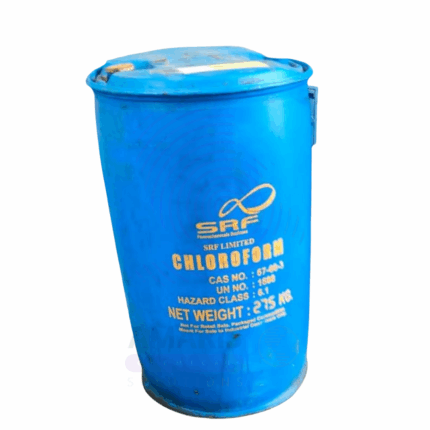
Chloroform
Chloroform (Trichloromethane) is a clear, colorless, volatile liquid with a sweet, pleasant odor. It is a widely used organic solvent with excellent solvency for many substances. Historically employed as an anesthetic, chloroform is now primarily used in laboratories and industry for extraction, degreasing, and chemical synthesis. It has moderate volatility and is heavier than air, requiring careful handling to avoid inhalation hazards. Its chemical stability and ability to dissolve fats, alkaloids, and other substances make it valuable in pharmaceutical, chemical, and industrial processes.
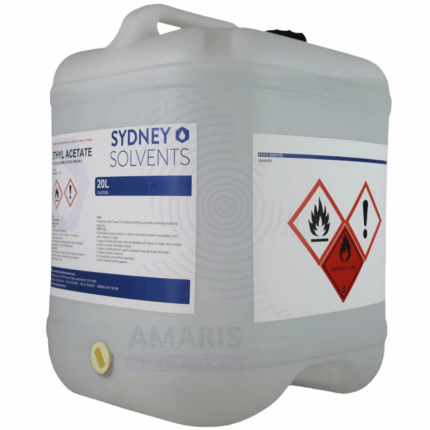
Ethyl Acetate
Ethyl Acetate is a clear, colorless, volatile organic solvent with a characteristic sweet, fruity odor reminiscent of pear drops. It is an ester formed by the condensation of ethanol and acetic acid. Known for its excellent solvency, low toxicity, and rapid evaporation rate, Ethyl Acetate is widely used as a solvent in coatings, adhesives, inks, pharmaceuticals, and chemical synthesis. It is miscible with most organic solvents and partially soluble in water. Ethyl Acetate offers high volatility, making it ideal for quick-drying formulations.
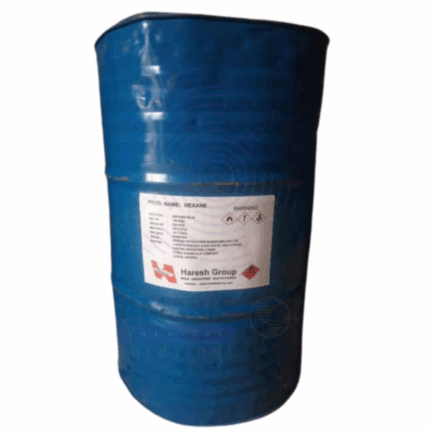
Hexane
Hexane is a colorless, volatile, and highly flammable hydrocarbon solvent belonging to the alkane series with the chemical formula C6H14. It is a mixture of isomers, primarily n-hexane, with a faint gasoline-like odor. Hexane is widely used as an industrial solvent due to its non-polar characteristics, low boiling point, and excellent ability to dissolve oils, fats, waxes, and resins. It is commonly obtained from petroleum refining and is a key component in formulations requiring rapid evaporation and strong solvency. Hexane finds broad applications in chemical synthesis, extraction, cleaning, and manufacturing sectors.

Hylac U94
Hylac is a high-performance, water-based acrylic polymer emulsion widely used as a binding agent and adhesive in coatings, paints, sealants, and construction materials. It offers excellent film formation, adhesion, flexibility, and weather resistance. Hylac U94 is formulated for superior compatibility with a wide range of fillers, pigments, and additives, making it ideal for both industrial and decorative applications. It delivers enhanced durability, water resistance, and color retention, suitable for indoor and outdoor uses.
Hytan RS
Hytan RS is a premium reactive silicone-based release agent engineered for efficient mold release, surface protection, and lubrication across diverse industrial sectors. Its unique formulation ensures the formation of a durable, non-stick, thin silicone film that facilitates easy demolding and improves surface finish quality on metals, plastics, rubber, and composite substrates. Its robust performance enhances production efficiency by reducing cycle times and minimizing defects.
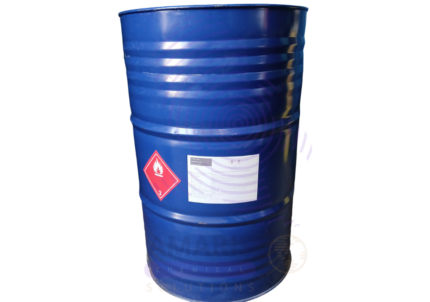
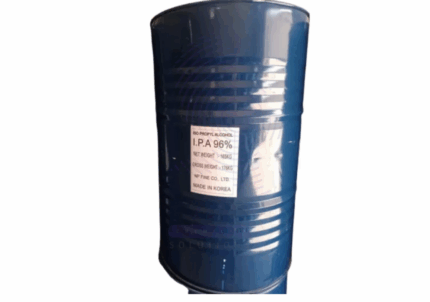
Isopropyl Alcohol Tech Grade (IPA)
Isopropyl Alcohol Tech Grade is a colorless, flammable liquid with a strong, characteristic alcohol odor. It is a solution containing approximately 85% isopropanol by volume, with the remainder primarily water. This technical-grade IPA is widely used as a solvent, disinfectant, and cleaning agent in industrial, pharmaceutical, and household applications. The 85% concentration balances efficacy with safety and evaporation rate, making it versatile for various uses.
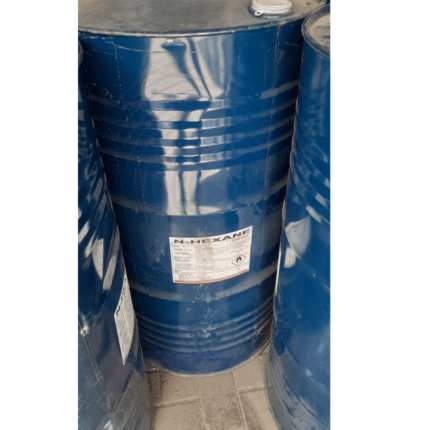
Normal Hexane
Normal Hexane is a colorless, highly flammable liquid hydrocarbon with the chemical formula C6H14. It belongs to the aliphatic hydrocarbon family and is primarily used as a solvent due to its excellent ability to dissolve oils, fats, and various organic compounds. It has a low boiling point and evaporates quickly, making it ideal for industrial and laboratory applications.












