

 Preservatives(food)
 Flavor Enhancers
 Acidulants
 Sweeteners
 Antioxidants
 Colorants(food)
 Nutraceutical Ingredients (food)
 Nutrient Supplements
 Emulsifiers
 Collectors
 Dust Suppressants
 Explosives and Blasting Agents
 Flocculants and Coagulants
 Frothers
 Leaching Agents
 pH Modifiers
 Precious Metal Extraction Agents
 Antioxidants(plastic)
 Colorants (Pigments, Dyes)
 Fillers and Reinforcements
 Flame Retardants
 Monomers
 Plasticizers
 Polymerization Initiators
 Stabilizers (UV, Heat)
 Antifoaming Agents
 Chelating Agents
 Coagulants and Flocculants
 Corrosion Inhibitors
 Disinfectants and Biocides
 Oxidizing Agents
 pH Adjusters
 Scale Inhibitors( water)
 Antioxidants(cosmetic)
 Emollients
 Fragrances and Essential Oils
 Humectants
 Preservatives
 Surfactants(cosmetic)
 Thickeners
 UV Filters
 Fertilizers
 Soil Conditioners
 Plant Growth Regulators
 Animal Feed Additives
 Biostimulants
 Pesticides (Herbicides, Insecticides, Fungicides)
 Active Pharmaceutical Ingredients (APIs)
 Excipients
 Solvents(pharmaceutical)
 Antibiotics
 Antiseptics and Disinfectants
 Vaccine Adjuvants
 Nutraceutical Ingredients (pharmaceutical)
 Analgesics & Antipyretics
 Analytical Reagents
 Solvents(lab)
 Chromatography Chemicals
 Spectroscopy Reagents
 microbiology-and-cell-culture-reagents
 Molecular Biology Reagents
 Biochemical Reagents
 Inorganic and Organic Standards
 Laboratory Safety Chemicals
 Specialty Laboratory Chemicals(Special Laboratory Equipment)
 Demulsifiers
 Hydraulic Fracturing Fluids
 Scale Inhibitors(oil)
 Surfactants(oil)
 Drilling Fluids
 Dyes and Pigments
 Bleaching Agents
 Softening Agents
 Finishing Agents
 Antistatic Agents
 Admixtures
 Waterproofing Agents
 Sealants and Adhesives
 Curing Compounds
 Concrete Repair Chemicals
 Anti-Corrosion Coatings
 Surfactants(cleaning)
 Builders
 Enzymes
 Solvents (Cleaning)
 Fragrances
 Electronic Chemicals
 Catalysts
 Lubricants
 Photographic Chemicals
 Refrigerants
 Automotive chemicals
 Pyrotechnic Chemicals
 Biodegradable Surfactants
 Bio-based Solvents
 Renewable Polymers
 Carbon Capture Chemicals
 Wastewater Treatment Chemicals
 Pigments
 Solvents(paint)
 Specialty Coatings
 Binders/Resins
 Additives
 Driers
 Anti-Corrosion Agents
 Functional Coatings
 Application-Specific Coatings
 Leavening Agents
 Dough Conditioners
 Flour Treatments
 Fat Replacers
 Decoratives
 Preservatives(baking)
 Plasticizers & Softeners
 Reinforcing Agents
 Adhesion Promoters
 Vulcanizing Agents
 Antidegradants
 Blowing Agents
 Fillers & Extenders
 Accelerators & Retarders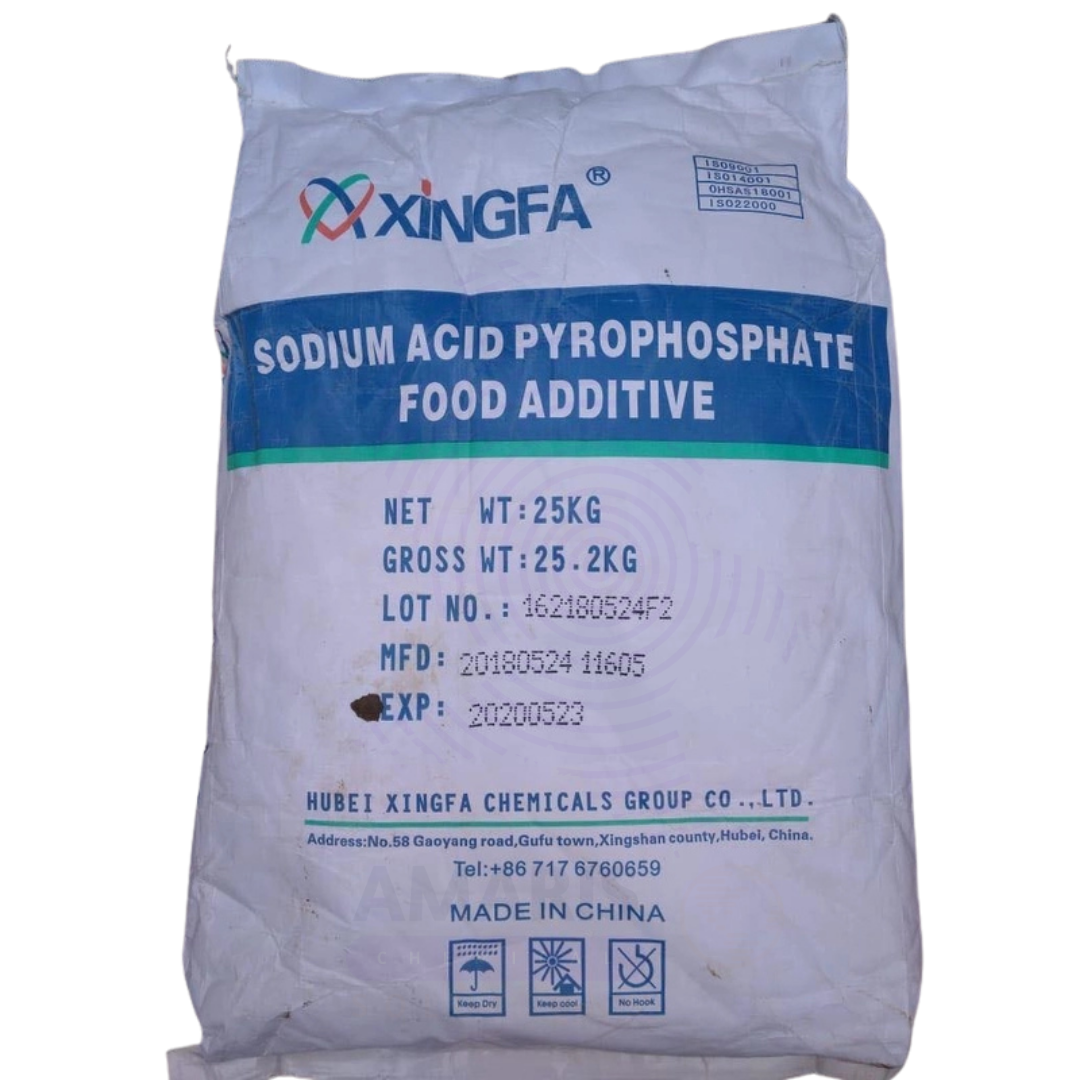

Sodium Acid Pyrophosphate
Sodium Acid Pyrophosphate (SAPP) is an inorganic compound with the chemical formula Na₂H₂P₂O₇. It is a white, crystalline powder or granular solid that serves as a versatile leavening agent, buffering agent, and sequestrant. SAPP is widely used in food processing, water treatment, and industrial applications due to its ability to control pH, chelate metals, and modify texture.
Sodium Acid Pyrophosphate
Primary Uses
- Food Industry (E450i)
- Leavening Agent: Releases carbon dioxide slowly in baked goods (e.g., cakes, muffins, refrigerated doughs).
- pH Control: Maintains acidity in processed cheeses, potato products, and canned seafood.
- Emulsifier & Stabilizer: Improves texture in puddings, whipped toppings, and meat products.
- Water Treatment
- Corrosion Inhibitor: Prevents scale formation in boilers and cooling towers.
- Metal Sequestrant: Binds iron and manganese to prevent discoloration in drinking water.
- Oil & Gas Industry
- Drilling Fluid Additive: Controls viscosity and prevents clay swelling.
- Cleaning Products
- Dishwasher Detergent: Softens water and enhances cleaning efficiency.
- Textile Industry
- Dyeing Auxiliary: Stabilizes hydrogen peroxide in bleaching processes.
- Industrial Applications
- Electroplating: Regulates bath pH and improves metal deposition.
Secondary Uses
- Concrete Setting
- Retarder: Slows cement hydration in hot climates.
- Pet Food
- Preservative & Texture Modifier: Extends shelf life and improves palatability.
- Photography
- Developer Component: Adjusts pH in photographic solutions.
- Ceramics
- Deflocculant: Aids in slurry viscosity control.
- Fire Retardants
- Synergist: Enhances flame resistance in materials.
- Pharmaceuticals
- Excipient: Used in effervescent tablets.
1. Basic Identification Attributes
- Chemical Name (IUPAC): Disodium dihydrogen diphosphate.
- Common/Trade Names: SAPP, Pyrophosphate.
- CAS Number: 7758-16-9.
- HS Code: 2835.39.00.
- Synonyms: Disodium pyrophosphate, Diphosphoric acid disodium salt.
2. Physical & Chemical Properties
- Physical State: White powder or granules.
- Color & Odor: White; odorless.
- Melting Point: Decomposes at 220°C.
- Solubility: Soluble in water (12 g/100 mL at 20°C).
- Density: 1.86 g/cm³.
- pH: 3.5–4.5 (1% solution).
3. Safety & Hazard Attributes
- GHS Classification: May cause skin/eye irritation (H315, H319).
- Toxicity: Low (LD₅₀ > 2,000 mg/kg oral, rat).
- Exposure Limits: Avoid dust inhalation; TWA 5 mg/m³ (respirable dust).
4. Storage & Handling Attributes
- Storage Conditions: Cool, dry place; keep sealed to prevent moisture absorption.
- Container Type: Polyethylene-lined bags or drums.
- Shelf Life: 2+ years if stored properly.
- Handling Precautions: Use gloves, goggles, and dust masks.
5. Regulatory & Compliance Attributes
- Food-Grade: FDA 21 CFR 182, EU E450i, JECFA compliant.
- Industrial: REACH registered; meets NSF/ANSI Standard 60 for water treatment.
6. Environmental & Health Impact
- Biodegradability: Not readily biodegradable.
- Ecotoxicity: Low; avoid excessive release into waterways.
- Disposal: Follow local regulations for inorganic salts.
Safety Handling Precautions
PPE Required:
- Gloves (nitrile/neoprene), goggles, dust mask, and protective clothing.
Handling Guidelines:
- Use in well-ventilated areas; avoid dust generation.
- Do not eat, drink, or smoke during handling.
Storage Measures:
- Keep in tightly closed containers, away from moisture and incompatible materials (acids, oxidizers
First Aid Measures
- Inhalation: Move to fresh air; seek medical attention if coughing persists.
- Skin Contact: Wash with soap and water.
- Eye Contact: Rinse with water for 15 minutes; consult a doctor.
- Ingestion: Rinse mouth; drink water; do not induce vomiting.
Firefighting Measures
- Fire Hazards: Non-flammable.
- Extinguishing Media: Water, foam, dry chemical.
- Hazardous Combustion Products: Phosphorus oxides (if decomposed at high temps).
Related products

Ammonium Bicarbonate
Ammonium bicarbonate is a white crystalline powder or granules with a slightly alkaline taste and a characteristic ammoniacal odor. It is a white solid that decomposes readily on heating, releasing ammonia, carbon dioxide, and water vapor. It is widely used in the food industry as a leavening agent, in chemical synthesis, and in various industrial applications. Its unique property of decomposing to release gases makes it valuable for baking and other processes where gas release is desired.
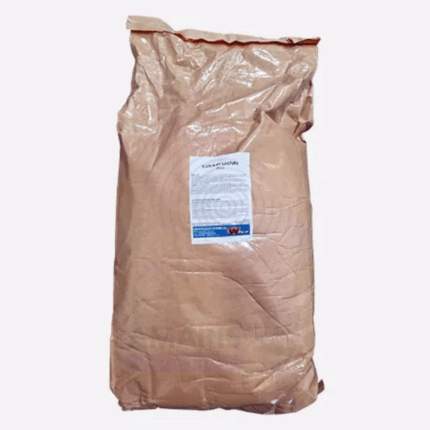
Calcium Lactate Pentahydrate
Calcium Lactate Pentahydrate is a white, crystalline, odorless powder that is the calcium salt of lactic acid with five molecules of water of crystallization. It is moderately soluble in water and has a slightly alkaline pH in solution. Widely used as a calcium supplement in the pharmaceutical and food industries, it is known for its good bioavailability and safety profile. Calcium Lactate Pentahydrate is utilized to prevent and treat calcium deficiencies and plays a role in bone health, muscle function, and enzyme activity. It also finds applications as a food additive and firming agent.
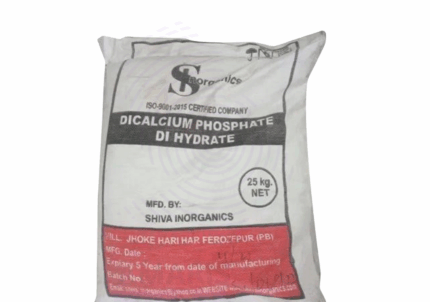
Dicalcium Phosphate Dihydrate
Dicalcium Phosphate Dihydrate (DCP Dihydrate) is an odorless, white crystalline powder or granule composed of calcium and phosphate in a hydrated form. It is widely used in the pharmaceutical, food, animal feed, and industrial sectors. It serves as a calcium and phosphorus supplement, excipient, and abrasive agent, valued for its stability, bioavailability, and neutral taste. DCP Dihydrate complies with various pharmacopeial standards (e.g., USP, BP, FCC) depending on the grade.
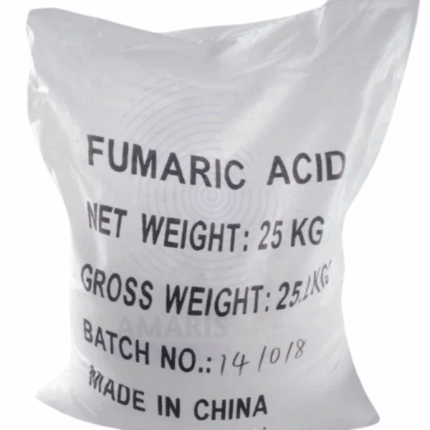
Fumaric Acid
Fumaric Acid is a naturally occurring dicarboxylic acid characterized by its white crystalline powder form and a slightly acidic taste. It is an unsaturated organic acid with the chemical formula C4H4O4 and is an intermediate in the Krebs cycle in biological systems. Fumaric Acid is commonly found in various plants and fungi and is commercially produced by isomerization of maleic acid or by fermentation. It is widely used in the food, pharmaceutical, chemical, and polymer industries due to its acidulant, antioxidant, and crosslinking properties.

Glycerol Monostearate
Glycerol Monostearate is a white to off-white, free-flowing powder composed of 50% monoglycerides of stearic and palmitic acids, typically derived from vegetable oils. It is a non-ionic emulsifier widely used in food, cosmetics, pharmaceuticals, plastics, and industrial applications. GMS functions as an emulsifying agent, stabilizer, thickener, anti-staling agent, and opacifier. In food, it improves texture and extends shelf life. In cosmetics and pharmaceuticals, it enhances creaminess and stability. GMS 50% is often blended with other emulsifiers or surfactants and is valued for its versatile functionality, safety, and compatibility with a wide range of ingredients.
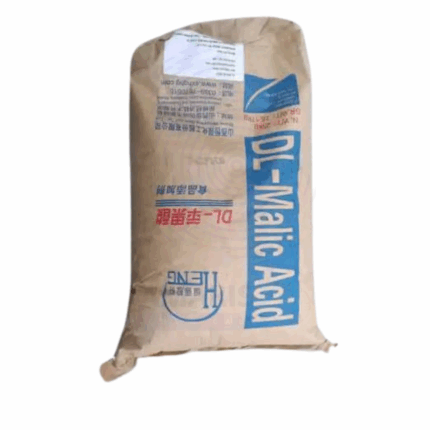
Malic Acid
Malic Acid is a naturally occurring dicarboxylic acid found in many fruits, particularly apples, and is commonly used as a food additive, flavor enhancer, and acidulant. It is available in crystalline or powder form and has a strong, tart taste. Commercially, it is produced synthetically or extracted from natural sources. Malic Acid exists in two isomeric forms: L-malic acid (naturally occurring and biologically active) and DL-malic acid (synthetic racemic mixture). It is highly soluble in water and widely used in food, beverage, cosmetics, and pharmaceutical industries.
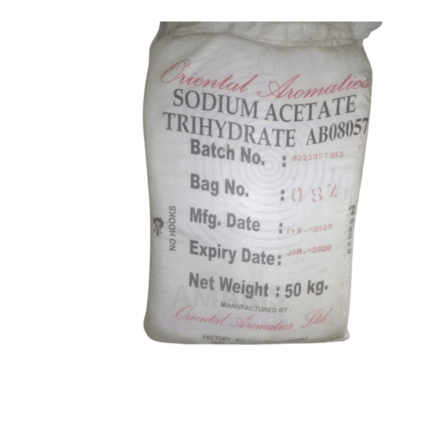
Sodium Acetate Trihydrate
Sodium Acetate Trihydrate is a white crystalline solid that is the hydrated form of sodium acetate. It is highly soluble in water and has a mildly alkaline pH in solution. Widely used in chemical, pharmaceutical, food, and textile industries, sodium acetate trihydrate serves as a buffering agent, pH regulator, and preservative. Its ability to stabilize pH and act as a neutralizing agent makes it valuable in various industrial and laboratory applications. Additionally, it is used for heat packs due to its exothermic crystallization properties.
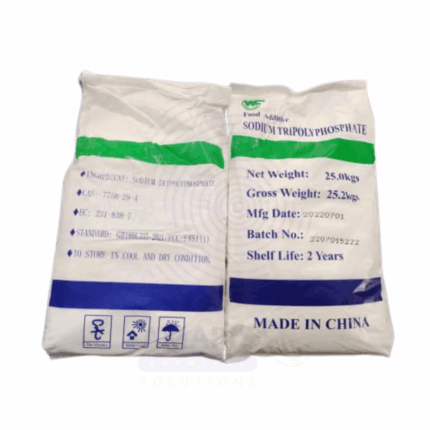
Sodium Tripolyphosphate
Sodium Tripolyphosphate (STPP), chemical formula Na₅P₃O₁₀, is a white, granular or powdery inorganic compound widely used as a sequestrant, dispersant, and detergent builder. This 25kg packaged product is highly soluble in water, forming alkaline solutions that effectively soften water by chelating calcium and magnesium ions. Its excellent emulsifying and dispersing properties make it an essential ingredient in detergents, water treatment, food processing, and industrial cleaning applications.












