

 Preservatives(food)
 Flavors
 Acidulants
 Sweeteners
 Antioxidants
 Colorants(food)
 Nutraceutical Ingredients (food)
 Nutrient Supplements
 Emulsifiers
 Collectors
 Dust Suppressants
 Explosives and Blasting Agents
 Flocculants and Coagulants
 Frothers
 Leaching Agents
 pH Modifiers
 Precious Metal Extraction Agents
 Antioxidants(plastic)
 Colorants (Pigments, Dyes)
 Fillers and Reinforcements
 Flame Retardants
 Monomers
 Plasticizers
 Polymerization Initiators
 Stabilizers (UV, Heat)
 Antifoaming Agents
 Chelating Agents
 Coagulants and Flocculants
 Corrosion Inhibitors
 Disinfectants and Biocides
 Oxidizing Agents
 pH Adjusters
 Scale Inhibitors( water)
 Antioxidants(cosmetic)
 Emollients
 Oils
Oils Carrier Oills
 Essential Oils
 Humectants
 Preservatives
 Surfactants(cosmetic)
 Thickeners
 UV Filters
 Fragrance (Cosmetics)
 Fertilizers
 Soil Conditioners
 Plant Growth Regulators
 Animal Feed Additives
 Biostimulants
 Pesticides (Herbicides, Insecticides, Fungicides)
 Active Pharmaceutical Ingredients (APIs)
 Excipients
 Solvents(pharmaceutical)
 Antibiotics
 Antiseptics and Disinfectants
 Vaccine Adjuvants
 Nutraceutical Ingredients (pharmaceutical)
 Analgesics & Antipyretics
 Analytical Reagents
 Solvents(lab)
 Chromatography Chemicals
 Spectroscopy Reagents
 microbiology-and-cell-culture-reagents
 Molecular Biology Reagents
 Biochemical Reagents
 Inorganic and Organic Standards
 Laboratory Safety Chemicals
 Specialty Laboratory Chemicals(Special Laboratory Equipment)
 Demulsifiers
 Hydraulic Fracturing Fluids
 Scale Inhibitors(oil)
 Surfactants(oil)
 Drilling Fluids
 Dyes and Pigments
 Bleaching Agents
 Softening Agents
 Finishing Agents
 Antistatic Agents
 Admixtures
 Waterproofing Agents
 Sealants and Adhesives
 Curing Compounds
 Concrete Repair Chemicals
 Anti-Corrosion Coatings
 Surfactants(cleaning)
 Builders
 Enzymes
 Solvents (Cleaning)
 Electronic Chemicals
 Catalysts
 Lubricants
 Photographic Chemicals
 Refrigerants
 Automotive chemicals
 Pyrotechnic Chemicals
 Biodegradable Surfactants
 Bio-based Solvents
 Renewable Polymers
 Carbon Capture Chemicals
 Wastewater Treatment Chemicals
 Pigments
 Solvents(paint)
 Specialty Coatings
 Binders/Resins
 Additives
 Driers
 Anti-Corrosion Agents
 Functional Coatings
 Application-Specific Coatings
 Leavening Agents
 Dough Conditioners
 Flour Treatments
 Fat Replacers
 Decoratives
 Preservatives(baking)
 Plasticizers & Softeners
 Reinforcing Agents
 Adhesion Promoters
 Vulcanizing Agents
 Antidegradants
 Blowing Agents
 Fillers & Extenders
 Accelerators & Retarders
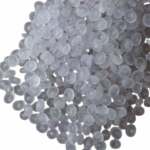
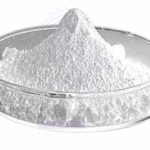

Malic Acid
Original price was: $ 7.45.$ 7.34Current price is: $ 7.34.
Malic Acid is a naturally occurring dicarboxylic acid found in many fruits, particularly apples, and is commonly used as a food additive, flavor enhancer, and acidulant. It is available in crystalline or powder form and has a strong, tart taste. Commercially, it is produced synthetically or extracted from natural sources. Malic Acid exists in two isomeric forms: L-malic acid (naturally occurring and biologically active) and DL-malic acid (synthetic racemic mixture). It is highly soluble in water and widely used in food, beverage, cosmetics, and pharmaceutical industries.
Malic Acid
Primary Uses
- Food & Beverage Industry
- Acidulant: Adds tartness and enhances flavor in beverages, candies, fruit preparations, jams, and jellies.
- Preservative: Lowers pH to inhibit microbial growth and prolong shelf life.
- Flavor Enhancer: Intensifies fruit flavors and balances sweetness in soft drinks and desserts.
- pH Control Agent: Used to adjust acidity in processed foods and beverages.
- Leavening Agent: In baking powders (when combined with bicarbonates), improves leavening efficiency.
- Pharmaceutical Industry
- Excipient: Acts as a flavoring agent in chewable tablets, syrups, and effervescent formulations.
- Buffering Agent: Helps stabilize pH in oral medicines and topical products.
- Chelating Agent: Used to bind metal ions and enhance bioavailability of active ingredients.
- Active Ingredient: Occasionally used in formulations for kidney stone prevention and metabolic support.
- Cosmetic & Personal Care Products
- Exfoliant: Used in skincare products (e.g., peels, cleansers) for gentle exfoliation and skin renewal.
- pH Adjuster: Helps balance acidity in creams, lotions, and shampoos.
- Humectant: Attracts moisture to the skin, improving hydration in lotions and serums.
- Chemical & Industrial Applications
- Metal Cleaning & Surface Treatment: Functions as a chelating and descaling agent in industrial cleaners.
- Electroplating: Used in some metal plating processes for complexing metal ions.
- Polymer Additive: Occasionally used in biodegradable polymers and resins to improve flexibility or processing.
Secondary Uses
- Animal Nutrition
- Used as a feed additive to improve palatability and digestion in livestock and poultry.
- Agriculture & Horticulture
- Used in foliar sprays and nutrient solutions to enhance nutrient uptake through chelation.
- Sometimes added to crop treatments as a pH buffer and stabilizer.
- Dental Applications
- Incorporated in tooth whiteners and mouth rinses for pH control and flavor enhancement.
- Occasionally used in plaque-removing formulations.
- Laboratory & Research
- Used in biochemical research as a buffering or pH-adjusting agent in enzyme assays and fermentation processes.
- Beverage Mixes & Nutraceuticals
- Included in sports drinks, dietary supplements, and rehydration salts for tartness and mineral absorption.
1. Basic Identification Attributes
- Chemical Name (IUPAC): 2-Hydroxy-1,2,3-propane-tricarboxylic acid
- Common/Trade Name: Malic Acid
- CAS Number: 6915-15-7 (DL-malic acid); 97-67-6 (L-malic acid)
- HS Code: 2918.19.00
- Synonyms: Hydroxybutanedioic acid; Apple acid; DL-malic acid; L-malic acid
2. Physical & Chemical Properties
- Physical State: Crystalline solid or fine powder
- Color & Odor: White; odorless
- Solubility: Soluble in water and alcohol
- Melting Point: 100–130 °C (varies by isomer)
- Boiling Point: Decomposes before boiling
- Molecular Formula: C₄H₆O₅
- Molecular Weight: 134.09 g/mol
- pH (1% solution): 2.0–3.0
- Taste: Strongly acidic, sour
- Stability: Stable under dry, cool conditions
3. Safety & Hazard Attributes
- GHS Classification:
- Eye Irritant – Category 2
- Skin Irritant – Category 2 (in concentrated forms)
- Toxicity: Generally recognized as safe (GRAS) when used appropriately
- Exposure Limits: No established occupational exposure limits
- Carcinogenicity: Not classified as carcinogenic
4. Storage & Handling Attributes
- Storage Conditions: Store in a cool, dry place in a tightly sealed container
- Container Type: Food-grade plastic or fiber drums with inner liners
- Shelf Life: Typically 2 years under optimal storage conditions
- Handling Precautions: Avoid dust formation; wear protective gear when handling large quantities
5. Regulatory & Compliance Attributes
- Approved as food additive (E296) by FDA, EFSA, Codex Alimentarius
- Conforms to USP, FCC, and food-grade standards
- REACH registered and compliant with global chemical safety regulations
- Labeling must include purity grade and additive code when used in food
6. Environmental & Health Impact
- Biodegradability: Readily biodegradable
- Ecotoxicity: Low; minimal environmental risk under typical usage
- Bioaccumulation: Not expected to bioaccumulate
- Carcinogenicity/Mutagenicity: Not classified; safe for intended applications
Safety Handling Precautions
- PPE Required: Safety goggles, gloves, dust mask (for powder handling)
- Handling Guidelines: Use in well-ventilated area; avoid eye or prolonged skin contact
- Storage Measures: Keep tightly sealed to prevent moisture absorption; store away from strong oxidizers
First Aid Measures
- Inhalation: Move to fresh air if inhaled; seek medical attention if symptoms persist
- Skin Contact: Wash with soap and water; apply moisturizer if dryness occurs
- Eye Contact: Rinse thoroughly with water for 15 minutes; seek medical advice if irritation continues
- Ingestion: Rinse mouth; non-toxic in small amounts, but seek advice if large quantity is consumed
Firefighting Measures
- Fire Hazards: Not flammable, but may decompose at high temperatures
- Extinguishing Media: Use water spray, foam, dry chemical, or CO₂
- Special Precautions: Wear appropriate protective equipment and breathing apparatus
- Hazardous Combustion Products: May produce carbon oxides (CO, CO₂)
Related products
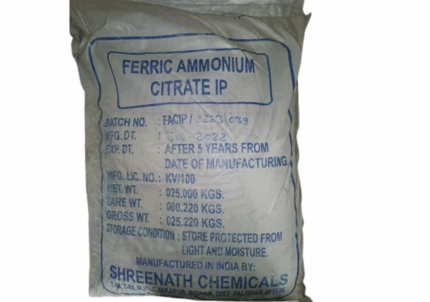
Ferric Ammonium Citrate
Ferric Ammonium Citrate is a dark green to black crystalline or granular inorganic compound composed of iron, ammonium ions, and citrate ions. It is a complex salt of citric acid with ferric iron (Fe³⁺) and ammonium. This compound is highly soluble in water, forming a greenish solution, and is widely utilized as a source of iron in various chemical, pharmaceutical, photographic, and food applications. It acts as a mild oxidizing agent and an iron supplement, valued for its bioavailability and ease of incorporation into formulations. Ferric Ammonium Citrate is typically available in different formulations distinguished by their water and ammonium content, such as green and brown types.
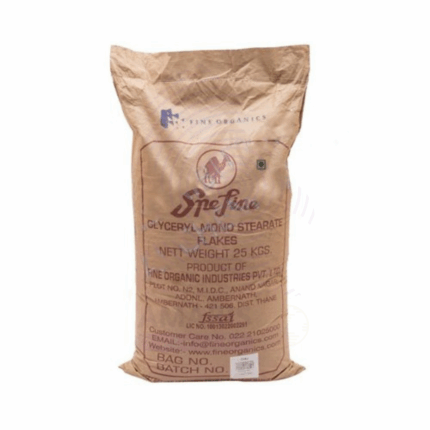
Glycerol Monostearate Flakes
Glycerol Monostearate Flakes is a white to off-white waxy flake form emulsifier composed of 40% monoglycerides of fatty acids, primarily stearic and palmitic acids, combined with other glycerides and esters. Derived mainly from vegetable oils, this food-grade emulsifier is widely utilized in food, cosmetic, pharmaceutical, and industrial sectors for its multifunctional properties. GMS 40% flakes serve as effective emulsifiers, stabilizers, anti-caking agents, and texture enhancers, with excellent compatibility and versatility in formulations requiring semi-solid or solid fats.

Guar Gum
Guar Gum is a natural polysaccharide extracted from the endosperm of the guar bean (Cyamopsis tetragonoloba). It appears as an off-white to cream-colored powder with a neutral odor and bland taste. Guar Gum is a galactomannan composed mainly of mannose and galactose units, known for its excellent water-binding, thickening, and stabilizing properties. It forms highly viscous solutions even at low concentrations, making it a versatile hydrocolloid used widely across food, pharmaceutical, cosmetic, oilfield, and industrial applications.

Magnesium Chloride
Magnesium Chloride is a white crystalline salt or granular solid composed of magnesium and chloride ions, commonly found as the hexahydrate form (MgCl₂·6H₂O). It is highly soluble in water, forming a clear, colorless solution with a slightly bitter saline taste. Magnesium Chloride is valued for its hygroscopic properties and is widely used across multiple industries including de-icing, chemical manufacturing, agriculture, food, pharmaceutical, and textile applications. It acts as a source of magnesium, a vital mineral for various biological and industrial processes.
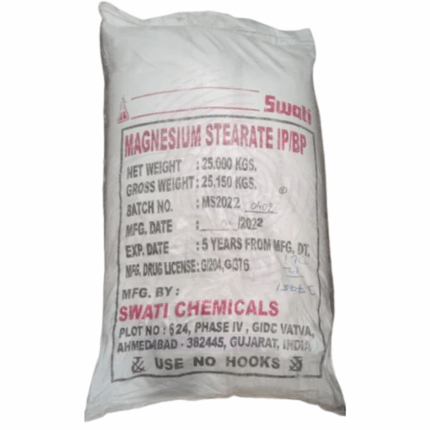
Magnesium Stearate BP
Magnesium Stearate BP is a fine, white, hydrophobic powder composed of the magnesium salt of stearic acid. It is widely used in the pharmaceutical industry as a lubricant and anti-adherent in tablet and capsule manufacturing. Due to its excellent flow-enhancing properties, Magnesium Stearate BP improves powder flowability and prevents ingredients from sticking to equipment during processing. It is also used in cosmetics, food, and various industrial applications for its emulsifying and stabilizing properties.

Maltitol Powder
Maltitol Powder is a white, crystalline polyol (sugar alcohol) derived from hydrogenated maltose obtained from starch sources like corn or wheat. It is a low-calorie, high-sweetness sugar substitute with about 90% the sweetness of sucrose but significantly fewer calories (approximately 2.1 kcal/g vs. 4 kcal/g for sugar). It has excellent solubility, low hygroscopicity, and provides a clean, sweet taste without an aftertaste. Maltitol Powder is widely used in food, pharmaceutical, and nutraceutical applications for its sugar-like properties, making it suitable for diabetic, low-carb, and dental-friendly formulations.
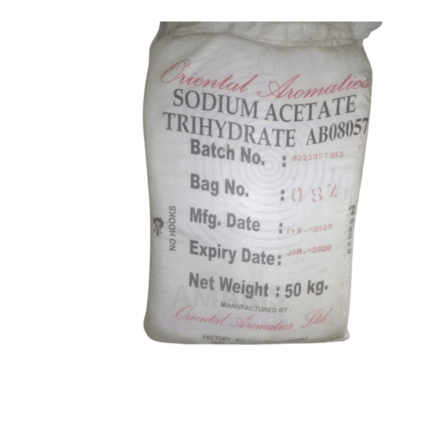
Sodium Acetate Trihydrate
Sodium Acetate Trihydrate is a white crystalline solid that is the hydrated form of sodium acetate. It is highly soluble in water and has a mildly alkaline pH in solution. Widely used in chemical, pharmaceutical, food, and textile industries, sodium acetate trihydrate serves as a buffering agent, pH regulator, and preservative. Its ability to stabilize pH and act as a neutralizing agent makes it valuable in various industrial and laboratory applications. Additionally, it is used for heat packs due to its exothermic crystallization properties.
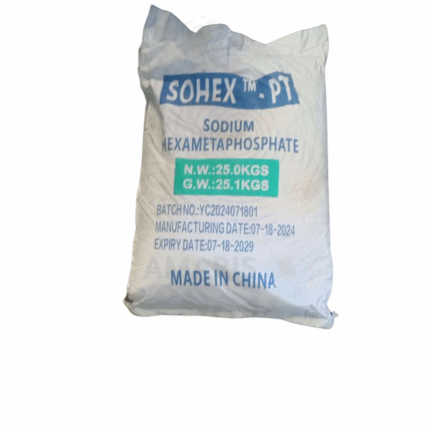
Sodium Hexametaphosphate Food Grade
Sodium Hexametaphosphate Food Grade is a white, granular or powdery inorganic compound composed of sodium and metaphosphoric acid polymers. It is highly soluble in water and acts as an effective sequestrant, dispersing agent, and water softener. SHMP is widely used across various industries including food processing, water treatment, detergents, ceramics, and metallurgy. It helps control hardness, prevent scale formation, and stabilize formulations, making it valuable in both industrial and consumer applications.












