

 Preservatives(food)
 Flavor Enhancers
 Acidulants
 Sweeteners
 Antioxidants
 Colorants(food)
 Nutraceutical Ingredients (food)
 Nutrient Supplements
 Emulsifiers
 Collectors
 Dust Suppressants
 Explosives and Blasting Agents
 Flocculants and Coagulants
 Frothers
 Leaching Agents
 pH Modifiers
 Precious Metal Extraction Agents
 Antioxidants(plastic)
 Colorants (Pigments, Dyes)
 Fillers and Reinforcements
 Flame Retardants
 Monomers
 Plasticizers
 Polymerization Initiators
 Stabilizers (UV, Heat)
 Antifoaming Agents
 Chelating Agents
 Coagulants and Flocculants
 Corrosion Inhibitors
 Disinfectants and Biocides
 Oxidizing Agents
 pH Adjusters
 Scale Inhibitors( water)
 Antioxidants(cosmetic)
 Emollients
 Fragrances and Essential Oils
 Humectants
 Preservatives
 Surfactants(cosmetic)
 Thickeners
 UV Filters
 Fertilizers
 Soil Conditioners
 Plant Growth Regulators
 Animal Feed Additives
 Biostimulants
 Pesticides (Herbicides, Insecticides, Fungicides)
 Active Pharmaceutical Ingredients (APIs)
 Excipients
 Solvents(pharmaceutical)
 Antibiotics
 Antiseptics and Disinfectants
 Vaccine Adjuvants
 Nutraceutical Ingredients (pharmaceutical)
 Analgesics & Antipyretics
 Analytical Reagents
 Solvents(lab)
 Chromatography Chemicals
 Spectroscopy Reagents
 microbiology-and-cell-culture-reagents
 Molecular Biology Reagents
 Biochemical Reagents
 Inorganic and Organic Standards
 Laboratory Safety Chemicals
 Specialty Laboratory Chemicals(Special Laboratory Equipment)
 Demulsifiers
 Hydraulic Fracturing Fluids
 Scale Inhibitors(oil)
 Surfactants(oil)
 Drilling Fluids
 Dyes and Pigments
 Bleaching Agents
 Softening Agents
 Finishing Agents
 Antistatic Agents
 Admixtures
 Waterproofing Agents
 Sealants and Adhesives
 Curing Compounds
 Concrete Repair Chemicals
 Anti-Corrosion Coatings
 Surfactants(cleaning)
 Builders
 Enzymes
 Solvents (Cleaning)
 Fragrances
 Electronic Chemicals
 Catalysts
 Lubricants
 Photographic Chemicals
 Refrigerants
 Automotive chemicals
 Pyrotechnic Chemicals
 Biodegradable Surfactants
 Bio-based Solvents
 Renewable Polymers
 Carbon Capture Chemicals
 Wastewater Treatment Chemicals
 Pigments
 Solvents(paint)
 Specialty Coatings
 Binders/Resins
 Additives
 Driers
 Anti-Corrosion Agents
 Functional Coatings
 Application-Specific Coatings
 Leavening Agents
 Dough Conditioners
 Flour Treatments
 Fat Replacers
 Decoratives
 Preservatives(baking)
 Plasticizers & Softeners
 Reinforcing Agents
 Adhesion Promoters
 Vulcanizing Agents
 Antidegradants
 Blowing Agents
 Fillers & Extenders
 Accelerators & Retarders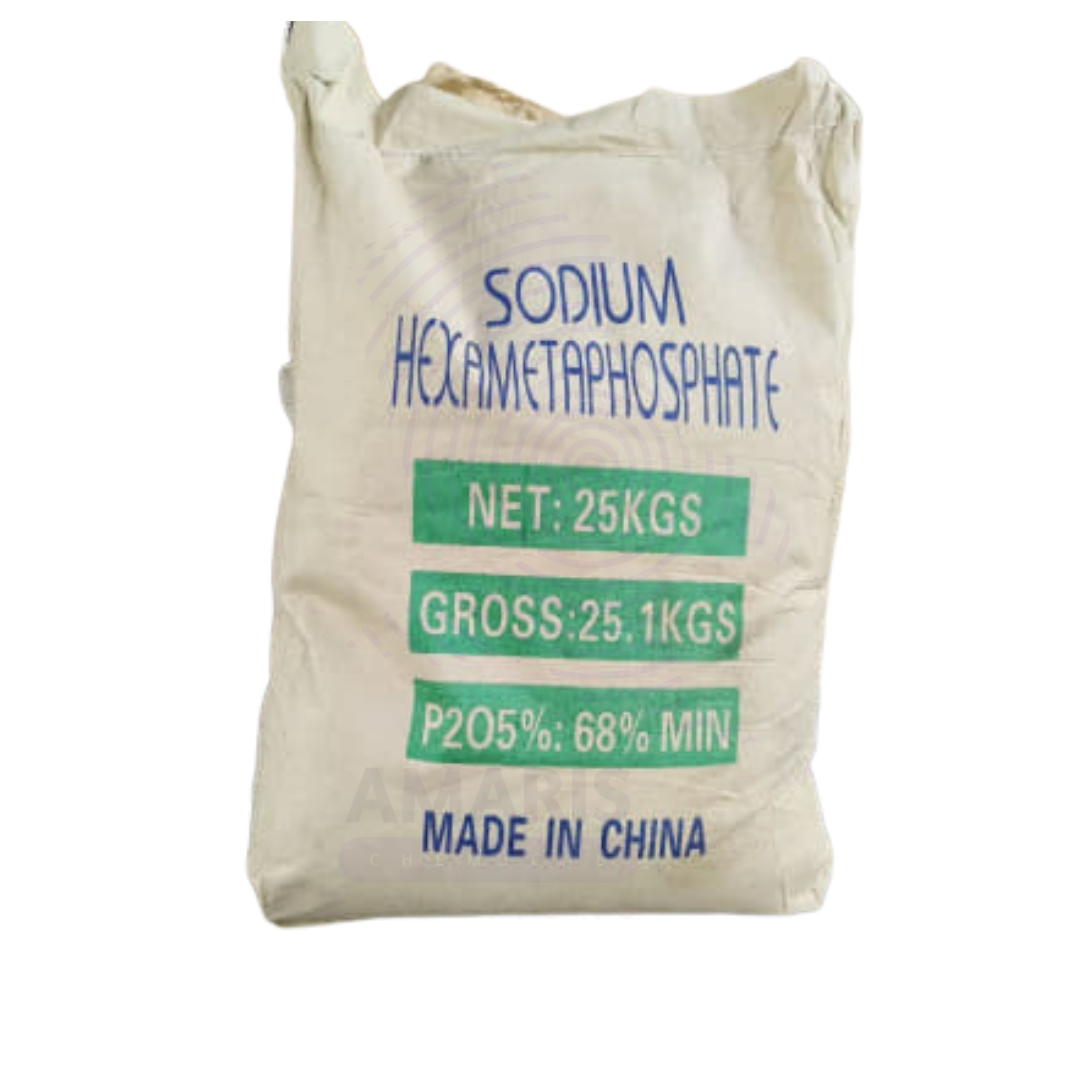

Sodium Hexametaphosphate
Original price was: $ 2.55.$ 2.44Current price is: $ 2.44.
Sodium Hexametaphosphate (SHMP) is a high-efficiency sequestrant and dispersing agent widely used across industrial applications. It appears as a white, odorless powder or granule, highly soluble in water, and is valued for its ability to chelate metal ions, soften water, and disperse solids. Its role in preventing scale formation and stabilizing chemical formulations makes it a key ingredient in water treatment, cleaning agents, and textile processing. It is the primary active ingredient in many commercial and industrial water treatment formulations, most notably as the original key component in the Calgon® brand of water softeners and scale inhibitors. While modern “Calgon” products may contain blended formulations, the term has become a common genericized reference for polyphosphate-based scale prevention, rooted in this chemical’s function.
Sodium Hexametaphosphate Industrial Grade
Primary Uses
1. Cleaning and Detergent Chemicals
- Water softener and scale inhibitor: Acts as a water softener and scale inhibitor in industrial and household cleaning products. It is the foundational chemical in branded scale prevention products, such as the historically significant Calgon, used to prevent limescale buildup in appliances.
- Dispersing agent: Functions as a dispersing agent in detergent formulations to prevent soil redeposition.
2. Water Treatment Chemicals
- Sequestrant for scale prevention: Used in boiler and cooling water systems to sequester calcium and magnesium ions, preventing scale build-up and corrosion. This is the core technology behind many industrial water conditioning programs.
- Corrosion and scale control: Prevents scale build-up and corrosion in industrial water systems, including those treated with commercial formulations derived from SHMP.
3. Textile Chemicals
- Dyeing and printing aid: Aids in dyeing and printing processes by preventing metal salt precipitation, which can cause spotty coloration.
- Process water softening: Improves wet processing efficiency by softening water, leading to better chemical uptake and more consistent results.
Secondary Uses
1. Oil and Gas Chemicals
- Drilling and injection fluid additive: Used in drilling fluids and water injection systems to control scale and hardness, protecting downstream equipment.
2. Specialty and Fine Chemicals
- Industrial dispersant and chelator: Functions as a dispersant and chelating agent in various industrial formulations, including ceramics, paper, and paint.
1. Basic Identification Attributes
- Chemical Name (IUPAC): Sodium hexametaphosphate
- Common/Trade Name: SHMP Industrial Grade
- CAS Number: 10124-56-8
- HS Code: 2835.39
- Synonyms:
- SHMP
- Graham’s Salt
- Calgon (commercial product reference)
- Sodium polyphosphate
- Note on "Calgon": "Calgon" is a registered trademark for consumer and industrial water treatment products whose original and primary active ingredient was sodium hexametaphosphate. This synonym reflects its historical and functional identity as the key scale-inhibiting component.
2. Physical & Chemical Properties
- Physical State: Solid (powder or granules)
- Color & Odor: White, odorless
- pH: 5.5–7.5 (1% aqueous solution)
- Density: Approx. 2.48 g/cm³
- Solubility: Freely soluble in water
- Melting Point: Decomposes before melting (~616°C)
3. Safety & Hazard Attributes
- GHS Classification: Not classified as hazardous under normal conditions.
- Toxicity: Low oral toxicity; may cause mild irritation on contact with dust (eyes, skin, respiratory tract).
- Exposure Limits: Follow workplace exposure guidelines for nuisance dust.
4. Storage & Handling Attributes
- Storage Conditions: Store in a cool, dry area in tightly closed containers to prevent caking due to moisture absorption.
- Container Type: Multi-layer paper bags, drums, or bulk containers.
- Shelf Life: Up to 24 months if stored properly in a dry environment.
- Handling Precautions: Avoid dust formation; use protective equipment. Minimize prolonged skin contact.
- Storage Measures: Keep away from moisture and strong acids.
5. Regulatory & Compliance Attributes
- Regulatory Status: Complies with industrial-grade chemical safety standards.
- Labeling: Meets GHS labeling and handling requirements.
- Use Restriction: Not intended for direct food, beverage, or pharmaceutical use. For those applications, Food Grade SHMP is required.
6. Environmental & Health Impact
- Biodegradability: Inorganic; does not degrade biologically.
- Ecotoxicity: Low environmental toxicity in typical usage; however, phosphate release into waterways can contribute to eutrophication.
- Bioaccumulation: Not expected to bioaccumulate.
Safety Handling Precautions
- PPE Required: Use gloves, goggles, and a dust mask during handling, especially when transferring or dumping powder.
- Handling Guidelines: Avoid inhalation of dust; minimize skin and eye contact. Use local exhaust ventilation in enclosed spaces.
- Storage Measures: Store separately from acids and moisture sources.
- Hygiene Practices: Wash hands thoroughly after handling.
First Aid Measures
- Inhalation: Move to fresh air; seek medical help if symptoms (coughing, irritation) persist.
- Skin Contact: Wash with water and mild soap.
- Eye Contact: Rinse thoroughly with water for several minutes, holding eyelids open; seek medical advice if irritation continues.
- Ingestion: Rinse mouth; do not induce vomiting; seek medical attention if large quantities are swallowed.
Firefighting Measures
- Fire Hazards: Non-flammable.
- Extinguishing Media: Water spray, foam, dry chemical, CO₂. Use the media most suitable for the surrounding fire.
- Special Precautions: Use appropriate PPE for surrounding fire conditions. No specific chemical hazards from SHMP itself.
- Hazardous Combustion Products: If involved in a fire and exposed to extreme heat, it may emit fumes of sodium oxides and phosphorus oxides.
Related products
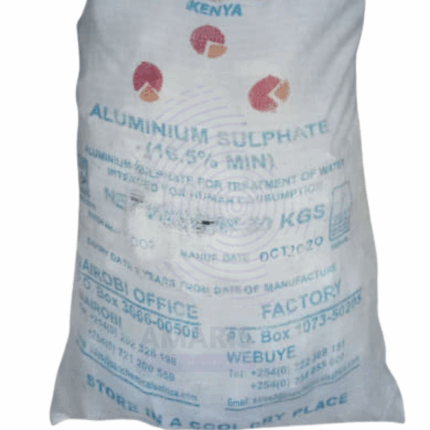
Aluminium Sulphate Alum Rock
Aluminium Sulphate Alum Rock, commonly referred to as simply Aluminum Sulphate or Alum Rock, is a white crystalline solid widely used across various industries. It is primarily known for its strong coagulating properties, making it essential in water purification, wastewater treatment, and paper manufacturing. When dissolved in water, it reacts to form aluminum hydroxide, which binds with impurities and suspended particles, facilitating their removal. In addition, alum rock finds applications in dyeing, tanning, and as a mordant in textile industries. It has astringent and antiseptic properties, making it useful in cosmetics and personal care products such as deodorants and styptic pencils. Its cost-effectiveness and multifunctionality make it a staple chemical in environmental, industrial, and consumer sectors.
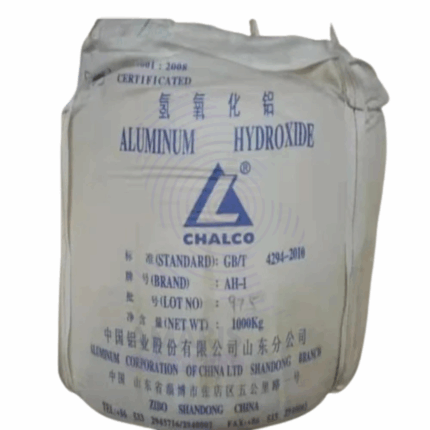
Aluminum hydroxide
Aluminum Hydroxide, chemically known as Al(OH)₃, is a white, odorless, and odorless powder or gelatinous substance. It is widely used in pharmaceuticals as an antacid to neutralize stomach acid and relieve indigestion and heartburn. Beyond healthcare, aluminum hydroxide is a crucial component in water purification, fire retardants, and as a precursor or filler in various industrial applications. It functions as a flame retardant by releasing water upon heating, thus cooling the material and diluting flammable gases. Due to its amphoteric nature, it can react both as an acid and base, enhancing its versatility. Aluminum hydroxide is often utilized in manufacturing aluminum salts and in producing aluminum oxide.
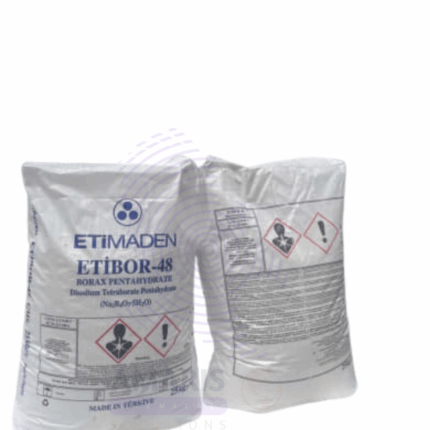
Borax Pentahydrate
Borax Pentahydrate (sodium tetraborate pentahydrate) is an inorganic compound and a hydrated form of borax. It typically appears as colorless to white crystalline granules or powder. This compound contains five molecules of water of crystallization per formula unit, distinguishing it from other borax hydrates such as the decahydrate form. Borax Pentahydrate is widely used across industries including detergents, glass production, agriculture, and cosmetics, valued for its buffering capacity, emulsification, and antiseptic properties. It is soluble in water and exhibits alkaline properties in aqueous solution.
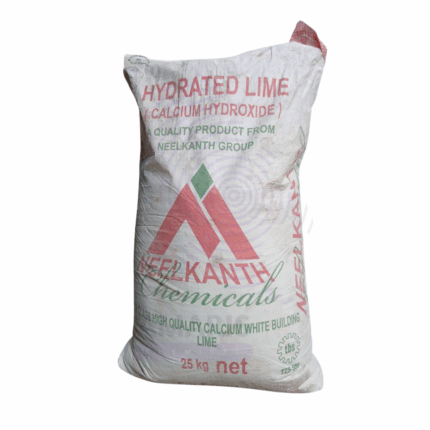
Calcium Hydroxide Hydrated Lime
Calcium Hydroxide Hydrated Lime, commonly known as Hydrated Lime or Slaked Lime, is an inorganic compound with the chemical formula Ca(OH)₂. It appears as a white, odorless, powder or crystalline solid. It is produced by treating quicklime (calcium oxide) with water in a process called slaking. Calcium Hydroxide is moderately soluble in water, forming a strongly alkaline solution known as limewater. It is widely used in construction, environmental, chemical, agricultural, and water treatment applications due to its caustic, neutralizing, and flocculating properties.
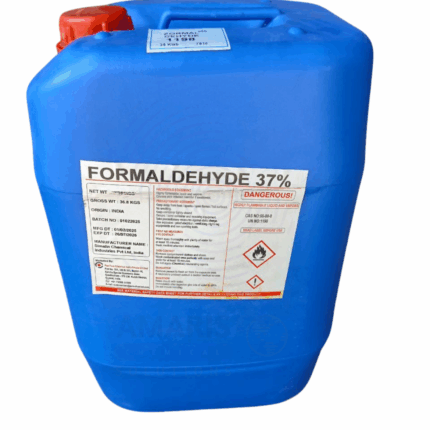
Formaldehyde (Formalin)
Formaldehyde (Formalin) is an aqueous solution containing approximately 37% formaldehyde by weight, stabilized typically with 10-15% methanol to prevent polymerization. It is a clear, colorless liquid with a pungent, penetrating odor. Formaldehyde is a simple aldehyde widely used as a disinfectant, preservative, and chemical intermediate. Formalin’s powerful antimicrobial and tissue-fixation properties make it essential in medical, laboratory, industrial, and manufacturing applications. It is one of the most commonly used chemicals worldwide for sterilization, embalming, and resin production.
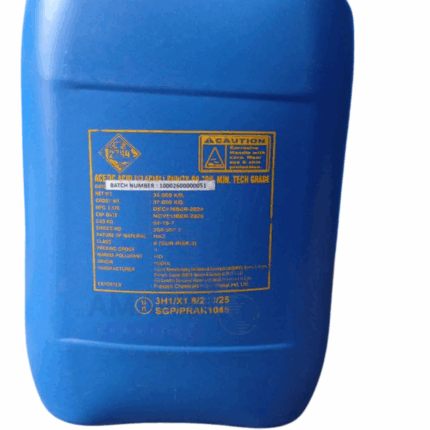
Glacial Acetic Acid Tech grade
Glacial Acetic Acid Tech grade is a clear, colorless liquid with a pungent vinegar-like odor. It is a less refined form of acetic acid primarily used for industrial and technical applications rather than food or pharmaceutical uses. Typically available in concentrations ranging from 80% to glacial (99-100%), it serves as a crucial chemical reagent, solvent, and intermediate in various industrial processes.

Nyclone (Chlorine)
Nyclone (Chlorine) is a high-purity chlorine-based chemical used primarily as a disinfectant and bleaching agent. It delivers effective sanitization in water treatment, industrial cleaning, and chemical manufacturing. Known for its strong oxidizing properties, Nyclone (Chlorine) is widely applied to control microbial contamination, remove stains, and support various chemical synthesis processes.
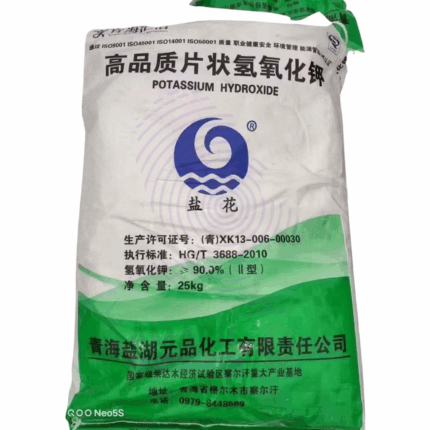
Potassium Hydroxide
Potassium Hydroxide is a highly concentrated, caustic alkaline chemical available as a solid (pellets, flakes) or concentrated aqueous solution. It is a strong base widely used in industrial processes, chemical manufacturing, and as a reagent. Potassium Hydroxide provides excellent neutralizing, saponifying, and cleaning properties and is essential in producing potassium soaps, biodiesel, fertilizers, and various chemical compounds. Its high purity and concentration (90%) make it suitable for demanding applications requiring strong alkalinity.












