

 Preservatives(food)
 Flavors
 Acidulants
 Sweeteners
 Antioxidants
 Colorants(food)
 Nutraceutical Ingredients (food)
 Nutrient Supplements
 Emulsifiers
 Collectors
 Dust Suppressants
 Explosives and Blasting Agents
 Flocculants and Coagulants
 Frothers
 Leaching Agents
 pH Modifiers
 Precious Metal Extraction Agents
 Antioxidants(plastic)
 Colorants (Pigments, Dyes)
 Fillers and Reinforcements
 Flame Retardants
 Monomers
 Plasticizers
 Polymerization Initiators
 Stabilizers (UV, Heat)
 Antifoaming Agents
 Chelating Agents
 Coagulants and Flocculants
 Corrosion Inhibitors
 Disinfectants and Biocides
 Oxidizing Agents
 pH Adjusters
 Scale Inhibitors( water)
 Antioxidants(cosmetic)
 Emollients
 Oils
Oils Carrier Oills
 Essential Oils
 Humectants
 Preservatives
 Surfactants(cosmetic)
 Thickeners
 UV Filters
 Fragrance (Cosmetics)
 Fertilizers
 Soil Conditioners
 Plant Growth Regulators
 Animal Feed Additives
 Biostimulants
 Pesticides (Herbicides, Insecticides, Fungicides)
 Active Pharmaceutical Ingredients (APIs)
 Excipients
 Solvents(pharmaceutical)
 Antibiotics
 Antiseptics and Disinfectants
 Vaccine Adjuvants
 Nutraceutical Ingredients (pharmaceutical)
 Analgesics & Antipyretics
 Analytical Reagents
 Solvents(lab)
 Chromatography Chemicals
 Spectroscopy Reagents
 microbiology-and-cell-culture-reagents
 Molecular Biology Reagents
 Biochemical Reagents
 Inorganic and Organic Standards
 Laboratory Safety Chemicals
 Specialty Laboratory Chemicals(Special Laboratory Equipment)
 Demulsifiers
 Hydraulic Fracturing Fluids
 Scale Inhibitors(oil)
 Surfactants(oil)
 Drilling Fluids
 Dyes and Pigments
 Bleaching Agents
 Softening Agents
 Finishing Agents
 Antistatic Agents
 Admixtures
 Waterproofing Agents
 Sealants and Adhesives
 Curing Compounds
 Concrete Repair Chemicals
 Anti-Corrosion Coatings
 Surfactants(cleaning)
 Builders
 Enzymes
 Solvents (Cleaning)
 Electronic Chemicals
 Catalysts
 Lubricants
 Photographic Chemicals
 Refrigerants
 Automotive chemicals
 Pyrotechnic Chemicals
 Biodegradable Surfactants
 Bio-based Solvents
 Renewable Polymers
 Carbon Capture Chemicals
 Wastewater Treatment Chemicals
 Pigments
 Solvents(paint)
 Specialty Coatings
 Binders/Resins
 Additives
 Driers
 Anti-Corrosion Agents
 Functional Coatings
 Application-Specific Coatings
 Leavening Agents
 Dough Conditioners
 Flour Treatments
 Fat Replacers
 Decoratives
 Preservatives(baking)
 Plasticizers & Softeners
 Reinforcing Agents
 Adhesion Promoters
 Vulcanizing Agents
 Antidegradants
 Blowing Agents
 Fillers & Extenders
 Accelerators & Retarders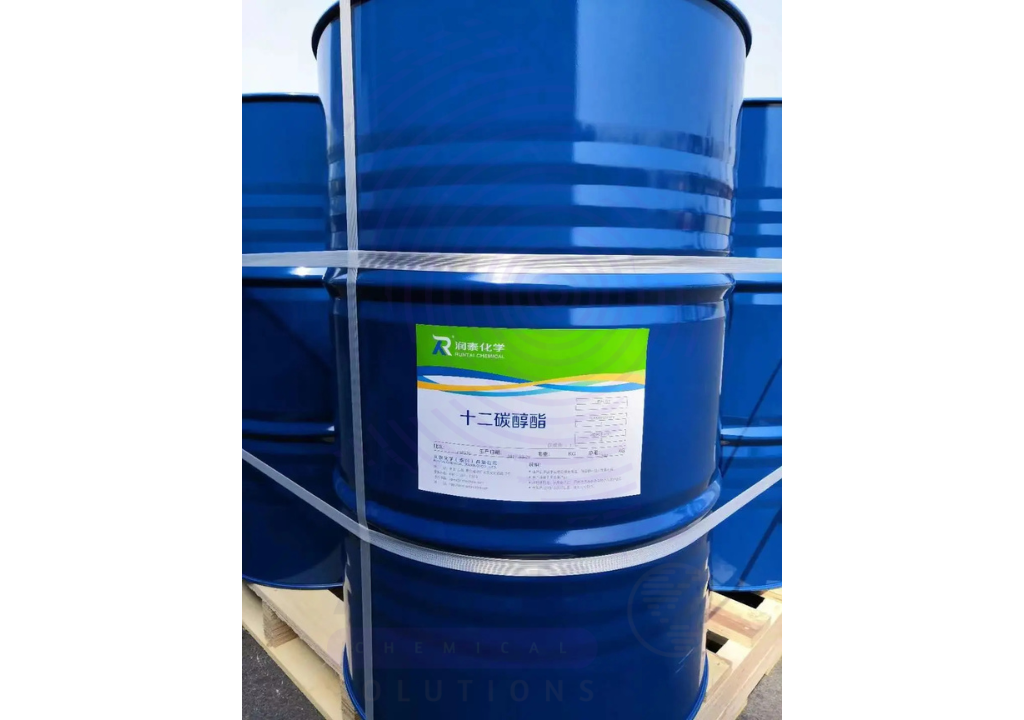


Texanol
Texanol is the commercial name for 2,2,4-Trimethyl-1,3-pentanediol monoisobutyrate, a high-performance coalescent and solvent widely used in latex paints, coatings, inks, and adhesives. It helps film formation at lower temperatures, enhances flow, improves gloss, and increases storage stability. Texanol is prized for its low odor, low volatility, and excellent balance between solvency and environmental compliance, making it a preferred coalescing agent in waterborne systems.
Texanol
Primary Uses
- Paints & Coatings Industry
- Coalescing Agent: Essential in water-based paints to soften latex particles, enabling proper film formation during drying.
- Gloss Enhancer: Improves surface appearance and gloss in decorative and industrial coatings.
- Flow and Leveling Agent: Enhances application properties by promoting smoother surface finishes.
- Low-VOC Formulations: Used in compliant coatings to reduce overall volatile organic compound (VOC) content.
- Inks & Printing
- Solvent in Water-Based Inks: Used to dissolve or disperse pigments, improve drying, and enhance print quality.
- Film-Forming Additive: Aids in continuous film formation on substrates in waterborne ink systems.
- Adhesives & Sealants
- Plasticizer/Coalescent: Improves adhesion and flexibility in pressure-sensitive and construction adhesives.
- Stabilizer: Prevents premature solidification and improves open time during application.
Secondary Uses
- Textile Finishes
- Binder Coalescent: Helps form flexible and durable films in textile coating and finishing formulations.
- Cleaning Products
- Solvent Additive: Occasionally used in specialty cleaning agents and polishes for its solvency and compatibility with aqueous systems.
- Construction Materials
- Binder Modifier: Used in construction emulsions and joint compounds to improve film integrity and workability.
1. Basic Identification Attributes
- Chemical Name (IUPAC): 2,2,4-Trimethyl-1,3-pentanediol monoisobutyrate
- Common/Trade Name: Texanol
- CAS Number: 25265-77-4
- HS Code: 2915.90.90
- Synonyms: TMPD-MIB, TMPD monoisobutyrate, Coalescing solvent
2. Physical & Chemical Properties
- Physical State: Clear, colorless liquid
- Color & Odor: Faint ester-like odor
- Boiling Point: Approx. 254 °C
- Flash Point: Approx. 121 °C (closed cup)
- Solubility: Slightly soluble in water; miscible with organic solvents
- Density: Approx. 0.95 g/cm³
- Vapor Pressure: Low (0.01 mmHg at 20 °C)
3. Safety & Hazard Attributes
- GHS Classification: Not classified as hazardous under normal use
- Toxicity: Low acute toxicity; may cause mild irritation to eyes or skin with prolonged contact
- Exposure Limits: No specific occupational exposure limits established; general good practice applies
4. Storage & Handling Attributes
- Storage Conditions: Store in cool, dry, well-ventilated area away from oxidizing agents
- Container Type: Drums or bulk containers made of compatible material (e.g., HDPE, stainless steel)
- Shelf Life: Minimum 12–24 months in sealed containers under recommended conditions
- Handling Precautions: Avoid prolonged inhalation or contact; ensure proper ventilation when handling large volumes
5. Regulatory & Compliance Attributes
- Compliant with REACH, OSHA, TSCA, and GHS regulations
- Listed on major global chemical inventories (EU, US, Canada, Australia, Japan, etc.)
- VOC-exempt status may apply under certain air quality management regulations
- Used in formulations that comply with LEED, Green Seal, and EcoLabel standards
6. Environmental & Health Impact
- Biodegradability: Readily biodegradable under aerobic conditions
- Ecotoxicity: Low toxicity to aquatic organisms in typical use concentrations
- Bioaccumulation: Not expected to bioaccumulate significantly
Safety Handling Precautions
- PPE Required: Gloves, goggles, and protective clothing for bulk handling
- Handling Guidelines: Avoid direct contact with skin and eyes; use local exhaust ventilation if airborne concentrations are high
- Storage Measures: Keep containers tightly closed and stored upright away from incompatible substances
First Aid Measures
- Inhalation: Move to fresh air; seek medical attention if symptoms such as dizziness or headache occur
- Skin Contact: Wash thoroughly with soap and water
- Eye Contact: Flush eyes with water for at least 15 minutes; consult a physician if irritation persists
- Ingestion: Rinse mouth; do not induce vomiting; seek immediate medical attention
Firefighting Measures
- Fire Hazards: Combustible liquid
- Extinguishing Media: Use foam, dry chemical, or CO₂; avoid water jets
- Hazardous Combustion Products: Carbon monoxide, carbon dioxide, and other combustion gases
Related products
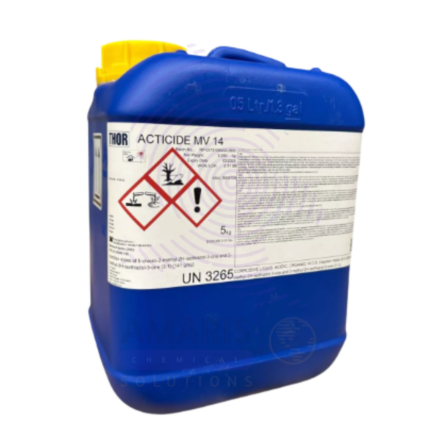
Acticide EPW (Dry Film)
Acticide EPW is a VOC-free, water-based dry film biocide manufactured by Thor Group specifically formulated to protect exterior and interior water-based coatings, paints, and inks from surface fungal and algal growth. It appears as a white to off-white milky dispersion or suspension with a mild odor. The product is based on a synergistic blend of active ingredients including benzimidazole carbamate, 2-n-octyl-4-isothiazolin-3-one (OIT), and a urea derivative with AMME™ technology. This alkali-stable and UV-stable formulation is free from AOX (Adsorbable Organic Halogens) and VOC (Volatile Organic Compounds), making it suitable for low-VOC and environmentally conscious product formulations. Acticide EPW is manufactured for industrial use and is not intended for direct human consumption, medical applications, or food preservation.
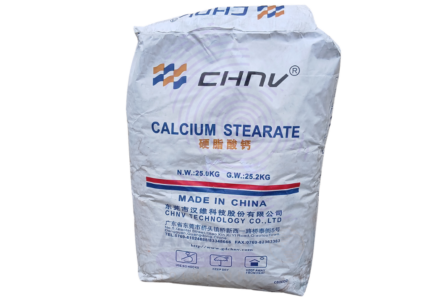
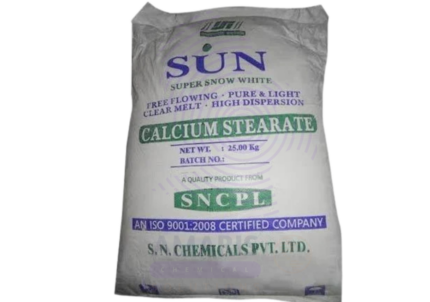
Calcium stearate
Calcium Stearate is a metallic stearate salt, appearing as a fine, white, hydrophobic powder. It is produced through the reaction of stearic acid (a fatty acid derived from natural oils and fats) with calcium oxide or calcium hydroxide. It functions primarily as an acid scavenger, lubricant, release agent, and stabilizer across multiple industrial sectors. Its unique combination of water repellency, low solubility, and high melting point makes it an essential processing additive in plastics, rubber, construction, and paper industries. Technical grade Calcium Stearate is manufactured for industrial performance applications and is not intended for direct food, pharmaceutical, or cosmetic use unless specifically certified and labeled for those applications.

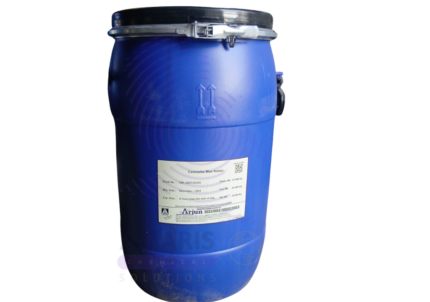
Carnauba Wax Prime Yellow
Carnauba Wax Prime Yellow, also known as Type 1 or Prime Yellow Grade, is the highest quality and purest form of carnauba wax derived from the leaves of the Copernicia cerifera palm tree, native to Brazil. It is a natural, vegetable-based wax prized for its exceptional hardness, high gloss, high melting point, and emulsification properties. Prime Yellow grade represents the finest classification, characterized by its light yellow to pale amber color, low impurities, and superior film-forming characteristics. It is obtained through a meticulous process of harvesting, drying, and processing the palm leaves to extract the waxy coating, which is then refined and graded. Carnauba Wax is often referred to as the "Queen of Waxes" due to its unique combination of properties unmatched by synthetic alternatives. Technical grade Carnauba Wax Prime Yellow is used across numerous industries for its ability to impart gloss, hardness, slip resistance, and moisture barrier properties. It is not intended for direct food consumption but is widely used in food-contact applications such as coatings and packaging.

Chlorinated Paraffin
Chlorinated paraffins are complex mixtures of polychlorinated n-alkanes produced by reacting chlorine gas with unbranched paraffin fractions derived from petroleum distillation. They appear as colorless or yellowish viscous liquids or solids depending on chain length and chlorine content. Chlorinated paraffins are classified based on carbon chain length into short-chain, medium-chain, and long-chain varieties. Technical grade chlorinated paraffins are manufactured for industrial applications including plasticizers, flame retardants, metalworking additives, and surface coatings. They exhibit excellent compatibility with polymers, high thermal stability, water resistance, and chemical resistance.
Dioctyl Adipate (DOA)
Dioctyl Adipate (DOA) is a clear, colorless, oily liquid that acts as a highly efficient, cold-resistant plasticizer. It is an organic compound produced from the reaction of adipic acid with 2-ethylhexanol. DOA is known for imparting excellent low-temperature flexibility and good lubricity to polymer systems. It is insoluble in water but dissolves readily in organic solvents. Technical grade Dioctyl Adipate is manufactured for industrial applications including plastic and rubber processing, coatings, and lubricants.
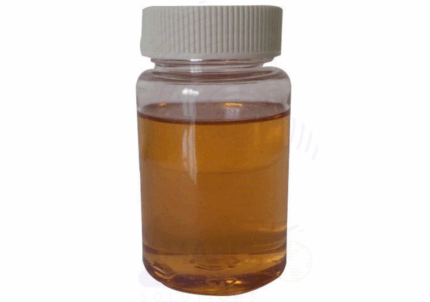
Linseed Oil Alkali Refined
Linseed Oil Alkali Refined is a vegetable oil extracted from flax seeds and then refined using alkali treatment to remove impurities, free fatty acids, and gums. This refining process enhances the oil’s stability, color, and odor, making it suitable for industrial, artistic, and manufacturing uses. It is a drying oil known for its excellent film-forming properties, quick drying time, and good adhesion to surfaces. Alkali refined linseed oil is widely used in paints, varnishes, inks, and as a raw material in chemical industries.
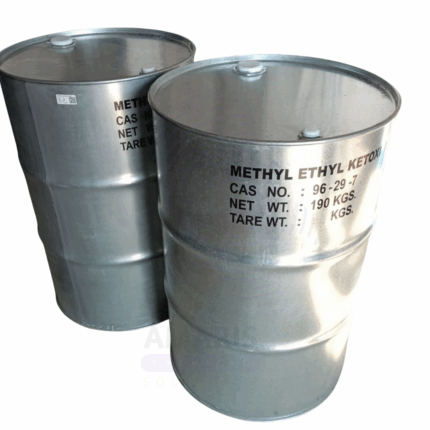
Methyl Ethyl Ketoxime
Methyl Ethyl Ketoxime is a clear, colorless to pale yellow liquid with a mild, characteristic odor. It is primarily used as a polymerization inhibitor and anti-skinning agent in coatings and paints, preventing premature curing during storage. MEKO is valued for its effectiveness in protecting alkyd and other resin-based coatings and enhancing shelf life.












