

 Preservatives(food)
 Flavor Enhancers
 Acidulants
 Sweeteners
 Antioxidants
 Colorants(food)
 Nutraceutical Ingredients (food)
 Nutrient Supplements
 Emulsifiers
 Collectors
 Dust Suppressants
 Explosives and Blasting Agents
 Flocculants and Coagulants
 Frothers
 Leaching Agents
 pH Modifiers
 Precious Metal Extraction Agents
 Antioxidants(plastic)
 Colorants (Pigments, Dyes)
 Fillers and Reinforcements
 Flame Retardants
 Monomers
 Plasticizers
 Polymerization Initiators
 Stabilizers (UV, Heat)
 Antifoaming Agents
 Chelating Agents
 Coagulants and Flocculants
 Corrosion Inhibitors
 Disinfectants and Biocides
 Oxidizing Agents
 pH Adjusters
 Scale Inhibitors( water)
 Antioxidants(cosmetic)
 Emollients
 Fragrances and Essential Oils
 Humectants
 Preservatives
 Surfactants(cosmetic)
 Thickeners
 UV Filters
 Fertilizers
 Soil Conditioners
 Plant Growth Regulators
 Animal Feed Additives
 Biostimulants
 Pesticides (Herbicides, Insecticides, Fungicides)
 Active Pharmaceutical Ingredients (APIs)
 Excipients
 Solvents(pharmaceutical)
 Antibiotics
 Antiseptics and Disinfectants
 Vaccine Adjuvants
 Nutraceutical Ingredients (pharmaceutical)
 Analgesics & Antipyretics
 Analytical Reagents
 Solvents(lab)
 Chromatography Chemicals
 Spectroscopy Reagents
 microbiology-and-cell-culture-reagents
 Molecular Biology Reagents
 Biochemical Reagents
 Inorganic and Organic Standards
 Laboratory Safety Chemicals
 Specialty Laboratory Chemicals(Special Laboratory Equipment)
 Demulsifiers
 Hydraulic Fracturing Fluids
 Scale Inhibitors(oil)
 Surfactants(oil)
 Drilling Fluids
 Dyes and Pigments
 Bleaching Agents
 Softening Agents
 Finishing Agents
 Antistatic Agents
 Admixtures
 Waterproofing Agents
 Sealants and Adhesives
 Curing Compounds
 Concrete Repair Chemicals
 Anti-Corrosion Coatings
 Surfactants(cleaning)
 Builders
 Enzymes
 Solvents (Cleaning)
 Fragrances
 Electronic Chemicals
 Catalysts
 Lubricants
 Photographic Chemicals
 Refrigerants
 Automotive chemicals
 Pyrotechnic Chemicals
 Biodegradable Surfactants
 Bio-based Solvents
 Renewable Polymers
 Carbon Capture Chemicals
 Wastewater Treatment Chemicals
 Pigments
 Solvents(paint)
 Specialty Coatings
 Binders/Resins
 Additives
 Driers
 Anti-Corrosion Agents
 Functional Coatings
 Application-Specific Coatings
 Leavening Agents
 Dough Conditioners
 Flour Treatments
 Fat Replacers
 Decoratives
 Preservatives(baking)
 Plasticizers & Softeners
 Reinforcing Agents
 Adhesion Promoters
 Vulcanizing Agents
 Antidegradants
 Blowing Agents
 Fillers & Extenders
 Accelerators & Retarders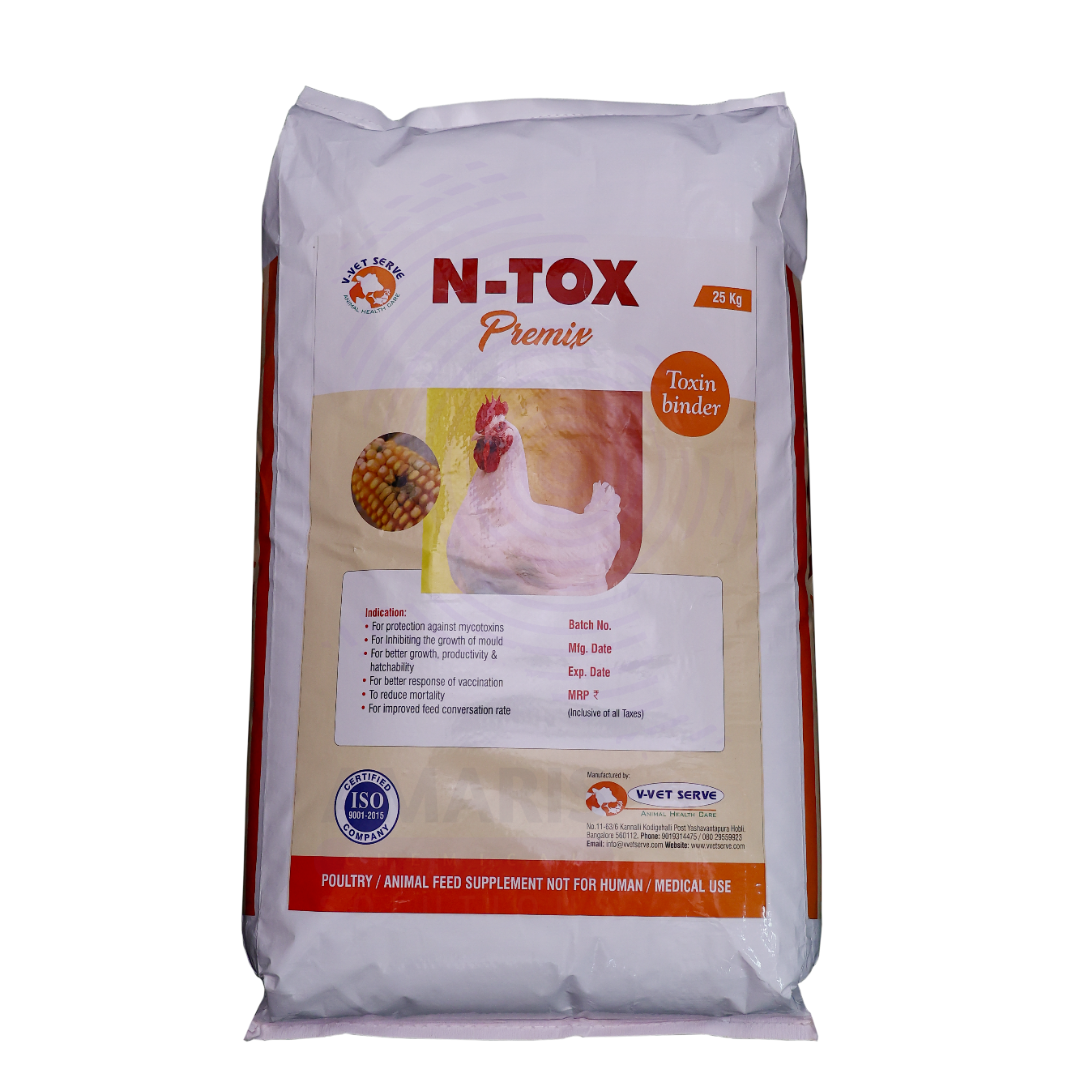
Litmus paper red
Original price was: $ 7.55.$ 7.43Current price is: $ 7.43.
Magnet bar
Original price was: $ 19.97.$ 19.87Current price is: $ 19.87.
Toxin Binder Premix
Whatsapp Order
Toxin Binder Premix is a specialized feed additive formulated to adsorb and neutralize a broad range of mycotoxins and other harmful toxins present in animal feed. It enhances animal health by preventing the absorption of toxins in the gastrointestinal tract, thereby improving feed efficiency and productivity. The premix typically contains activated clays, yeast cell wall components, and other natural or synthetic adsorbents designed for use in livestock, poultry, and aquaculture feeds. This product supports animal growth, immune function, and overall well-being by mitigating the adverse effects of feed contamination.
Description
Toxin Binder Premix
Primary Uses
- Animal Feed Industry
- Mycotoxin Adsorbent: Binds aflatoxins, ochratoxins, fumonisins, zearalenone, and other mycotoxins in feed to reduce toxicity.
- Feed Additive: Incorporated into livestock, poultry, and aquaculture feeds to protect animals from toxin-related health issues.
- Growth Promoter: Enhances nutrient utilization and weight gain by reducing toxin-related feed intake depression.
- Immune Support: Helps maintain immune system integrity by lowering toxin-induced immunosuppression.
Secondary Uses
- Pet Food Industry
- Used in pet food formulations to safeguard pets from toxin exposure in raw ingredients.
- Agricultural By-products
- Applied in the treatment of agricultural residues and by-products to reduce toxin contamination before use as feed.
- Storage and Transport
- Used as a preventative measure during feed storage and transportation to limit toxin development.
KEY PRODUCT FEATURES
1. Basic Identification Attributes
- Chemical Name (IUPAC): Not applicable (mixture of adsorbent compounds)
- Common/Trade Name: Toxin Binder Premix
- CAS Number: Not applicable
- HS Code: 2309.90.00
- Synonyms: Mycotoxin binder, mycotoxin adsorbent premix
2. Physical & Chemical Properties
- Physical State: Free-flowing powder or granules
- Color & Odor: Typically light brown or grayish; odorless or faint earthy odor
- Solubility: Insoluble in water
- Density: Varies by formulation, approx. 0.5 - 1.0 g/cm³
- pH: Neutral to slightly alkaline (typically 6-8)
3. Safety & Hazard Attributes
- GHS Classification: Generally not classified as hazardous
- Toxicity: Non-toxic under recommended use; safe for animals and handlers.
- Exposure Limits: No specific occupational exposure limits, but dust control is advised.
4. Storage & Handling Attributes
- Storage Conditions: Store in a cool, dry, well-ventilated area away from moisture and contaminants.
- Container Type: Bags or bulk containers designed to protect from moisture ingress.
- Shelf Life: Typically 12-24 months under proper storage.
- Handling Precautions: Minimize dust generation; use dust masks and gloves if handling large volumes.
5. Regulatory & Compliance Attributes
- Complies with feed additive regulations including FDA, EFSA, and other relevant authorities.
- Manufactured under Good Manufacturing Practices (GMP) for animal feed additives.
- Approved for use in various livestock and aquaculture feed formulations.
- Conforms to relevant REACH and environmental safety standards.
6. Environmental & Health Impact
- Biodegradability: Components are naturally derived or inert and environmentally benign.
- Ecotoxicity: Low environmental impact; non-toxic to aquatic and terrestrial life.
- Bioaccumulation: Not applicable.
SAFETY HANDLING PRECAUTIONS
Safety Handling Precautions
- PPE Required: Use gloves and dust masks when handling in bulk to avoid inhalation of dust.
- Handling Guidelines: Ensure good ventilation and avoid dust buildup.
- Storage Measures: Keep containers sealed and dry to maintain efficacy.
First Aid Measures
- Inhalation: Move to fresh air if dust inhaled; seek medical attention if respiratory symptoms persist.
- Skin Contact: Wash skin thoroughly with soap and water.
- Eye Contact: Flush eyes with water for 15 minutes; seek medical attention if irritation continues.
- Ingestion: Not expected to be harmful; rinse mouth and seek medical advice if large amounts swallowed.
Firefighting Measures
- Fire Hazards: Non-flammable and non-combustible.
- Extinguishing Media: Use water spray, foam, or dry chemical extinguishers as appropriate for surrounding fire.
- Hazardous Combustion Products: None known.
Related products
Choline Chloride Powder
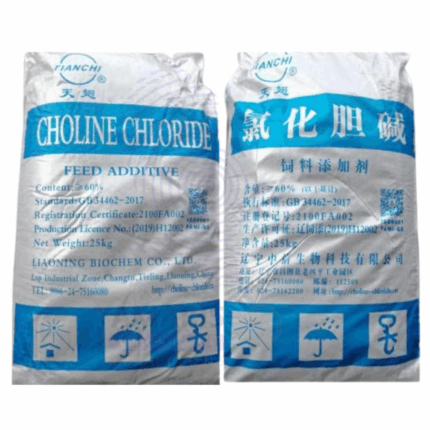
Choline Chloride Powder is a white to off-white crystalline powder containing 60% choline chloride, a quaternary ammonium salt essential as a nutrient in animal and poultry feed. It serves as a vital source of choline, an important component in fat metabolism, liver function, and cell membrane integrity. Produced through chemical synthesis, this powder form is highly soluble in water, making it easy to incorporate into feed premixes and supplements. Choline chloride is widely used in the agriculture industry to prevent choline deficiency, enhance growth performance, and improve overall health in livestock. Beyond animal nutrition, it finds applications in chemical manufacturing and pharmaceuticals.
Dicalcium Phosphate
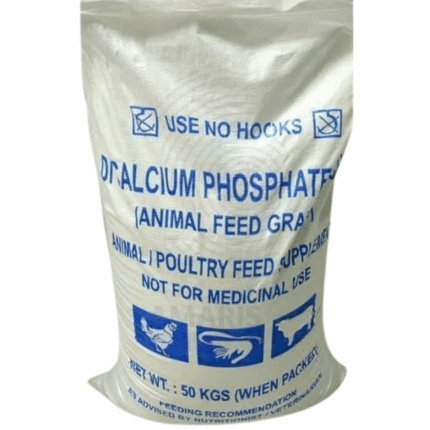
Dicalcium Phosphate (DCP) is an inorganic compound commonly used as a dietary supplement, food additive, and a key raw material in pharmaceuticals and animal nutrition. It appears as a white crystalline powder or granules and provides a highly bioavailable source of calcium and phosphorus, essential minerals for bone health, metabolic functions, and overall growth. DCP is widely used in the feed industry, pharmaceutical manufacturing, food processing, and various industrial applications, appreciated for its purity, stability, and nutritional value.
Fatty Acid
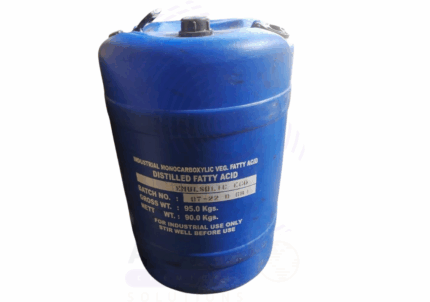
Fatty acids are a group of carboxylic acids consisting of long aliphatic chains, which can be either saturated or unsaturated. They are typically derived from natural fats and oils through hydrolysis or saponification and appear as colorless to pale yellow liquids or solids depending on the chain length and degree of saturation. Fatty acids are fundamental building blocks in biochemistry and industrial chemistry, serving as raw materials in the manufacture of soaps, detergents, lubricants, cosmetics, plastics, and food additives. Their amphiphilic nature—containing both hydrophilic (carboxyl group) and hydrophobic (alkyl chain) components—makes them versatile for various chemical and industrial applications.

Magnesium Oxide
Magnesium Oxide (MgO) is a white, odorless, alkaline earth metal oxide powder. It is produced by calcining magnesium carbonate or hydroxide at high temperatures, resulting in a fine, white powder with a high melting point. Magnesium Oxide is widely used for its refractory properties, chemical stability, and ability to neutralize acids. It serves important roles in pharmaceuticals, agriculture, environmental applications, and various industrial processes.
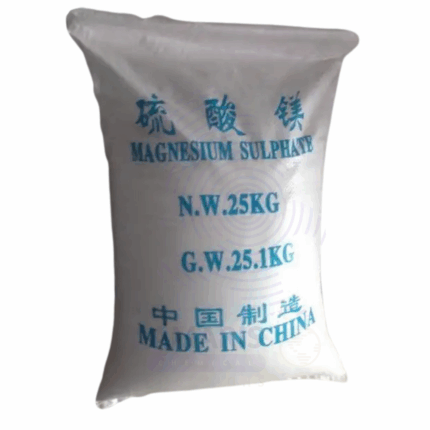
Manganese Sulphate Monohydrate
Manganese Sulphate Monohydrate is an inorganic chemical compound with the formula MnSO₄·H₂O. It appears as a pale pink crystalline powder and is highly soluble in water. It is primarily used as a source of manganese, an essential micronutrient, in fertilizers, animal feed, and industrial processes. This monohydrate form is the most stable and commonly used in agriculture and feed-grade applications. It also finds use in various chemical syntheses, electroplating, and as a reagent in laboratories.

Mineral lick ( Rock Salt)
Mineral Lick, commonly known as Rock Salt, is a naturally occurring mineral primarily composed of sodium chloride. It is harvested from salt deposits and widely used as a mineral supplement for livestock and wildlife, providing essential nutrients. Mineral Lick enhances animal health by promoting hydration, digestion, and mineral balance. It also has applications in industry, agriculture, and food processing.

Tylosin Tartrate
Tylosin Tartrate is a water-soluble macrolide antibiotic derived from Streptomyces fradiae, primarily used in veterinary medicine. It is the tartrate salt form of tylosin, enhancing its solubility and making it ideal for administration via drinking water or injectable solutions. Tylosin Tartrate is active against a wide range of Gram-positive bacteria and some Gram-negative organisms, as well as Mycoplasma spp. It is particularly effective for treating respiratory, gastrointestinal, and reproductive infections in livestock and poultry.
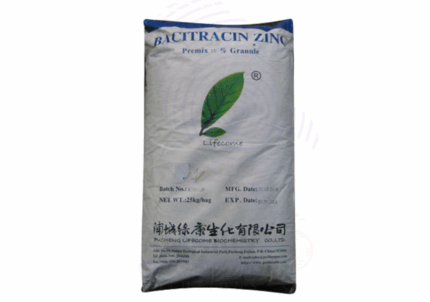
Zinc Bacitracin Premix Feed Grade
Zinc Bacitracin Premix Feed Grade is a veterinary-grade antibiotic premix formulated with 15% active zinc bacitracin, an antimicrobial peptide produced by Bacillus subtilis. It is commonly incorporated into animal feed to promote growth, prevent and control bacterial infections, and improve feed efficiency in livestock and poultry. This product is heat stable, easy to blend, and designed for uniform distribution in feed.












