

 Preservatives(food)
 Flavor Enhancers
 Acidulants
 Sweeteners
 Antioxidants
 Colorants(food)
 Nutraceutical Ingredients (food)
 Nutrient Supplements
 Emulsifiers
 Collectors
 Dust Suppressants
 Explosives and Blasting Agents
 Flocculants and Coagulants
 Frothers
 Leaching Agents
 pH Modifiers
 Precious Metal Extraction Agents
 Antioxidants(plastic)
 Colorants (Pigments, Dyes)
 Fillers and Reinforcements
 Flame Retardants
 Monomers
 Plasticizers
 Polymerization Initiators
 Stabilizers (UV, Heat)
 Antifoaming Agents
 Chelating Agents
 Coagulants and Flocculants
 Corrosion Inhibitors
 Disinfectants and Biocides
 Oxidizing Agents
 pH Adjusters
 Scale Inhibitors( water)
 Antioxidants(cosmetic)
 Emollients
 Fragrances and Essential Oils
 Humectants
 Preservatives
 Surfactants(cosmetic)
 Thickeners
 UV Filters
 Fertilizers
 Soil Conditioners
 Plant Growth Regulators
 Animal Feed Additives
 Biostimulants
 Pesticides (Herbicides, Insecticides, Fungicides)
 Active Pharmaceutical Ingredients (APIs)
 Excipients
 Solvents(pharmaceutical)
 Antibiotics
 Antiseptics and Disinfectants
 Vaccine Adjuvants
 Nutraceutical Ingredients (pharmaceutical)
 Analgesics & Antipyretics
 Analytical Reagents
 Solvents(lab)
 Chromatography Chemicals
 Spectroscopy Reagents
 microbiology-and-cell-culture-reagents
 Molecular Biology Reagents
 Biochemical Reagents
 Inorganic and Organic Standards
 Laboratory Safety Chemicals
 Specialty Laboratory Chemicals(Special Laboratory Equipment)
 Demulsifiers
 Hydraulic Fracturing Fluids
 Scale Inhibitors(oil)
 Surfactants(oil)
 Drilling Fluids
 Dyes and Pigments
 Bleaching Agents
 Softening Agents
 Finishing Agents
 Antistatic Agents
 Admixtures
 Waterproofing Agents
 Sealants and Adhesives
 Curing Compounds
 Concrete Repair Chemicals
 Anti-Corrosion Coatings
 Surfactants(cleaning)
 Builders
 Enzymes
 Solvents (Cleaning)
 Fragrances
 Electronic Chemicals
 Catalysts
 Lubricants
 Photographic Chemicals
 Refrigerants
 Automotive chemicals
 Pyrotechnic Chemicals
 Biodegradable Surfactants
 Bio-based Solvents
 Renewable Polymers
 Carbon Capture Chemicals
 Wastewater Treatment Chemicals
 Pigments
 Solvents(paint)
 Specialty Coatings
 Binders/Resins
 Additives
 Driers
 Anti-Corrosion Agents
 Functional Coatings
 Application-Specific Coatings
 Leavening Agents
 Dough Conditioners
 Flour Treatments
 Fat Replacers
 Decoratives
 Preservatives(baking)
 Plasticizers & Softeners
 Reinforcing Agents
 Adhesion Promoters
 Vulcanizing Agents
 Antidegradants
 Blowing Agents
 Fillers & Extenders
 Accelerators & Retarders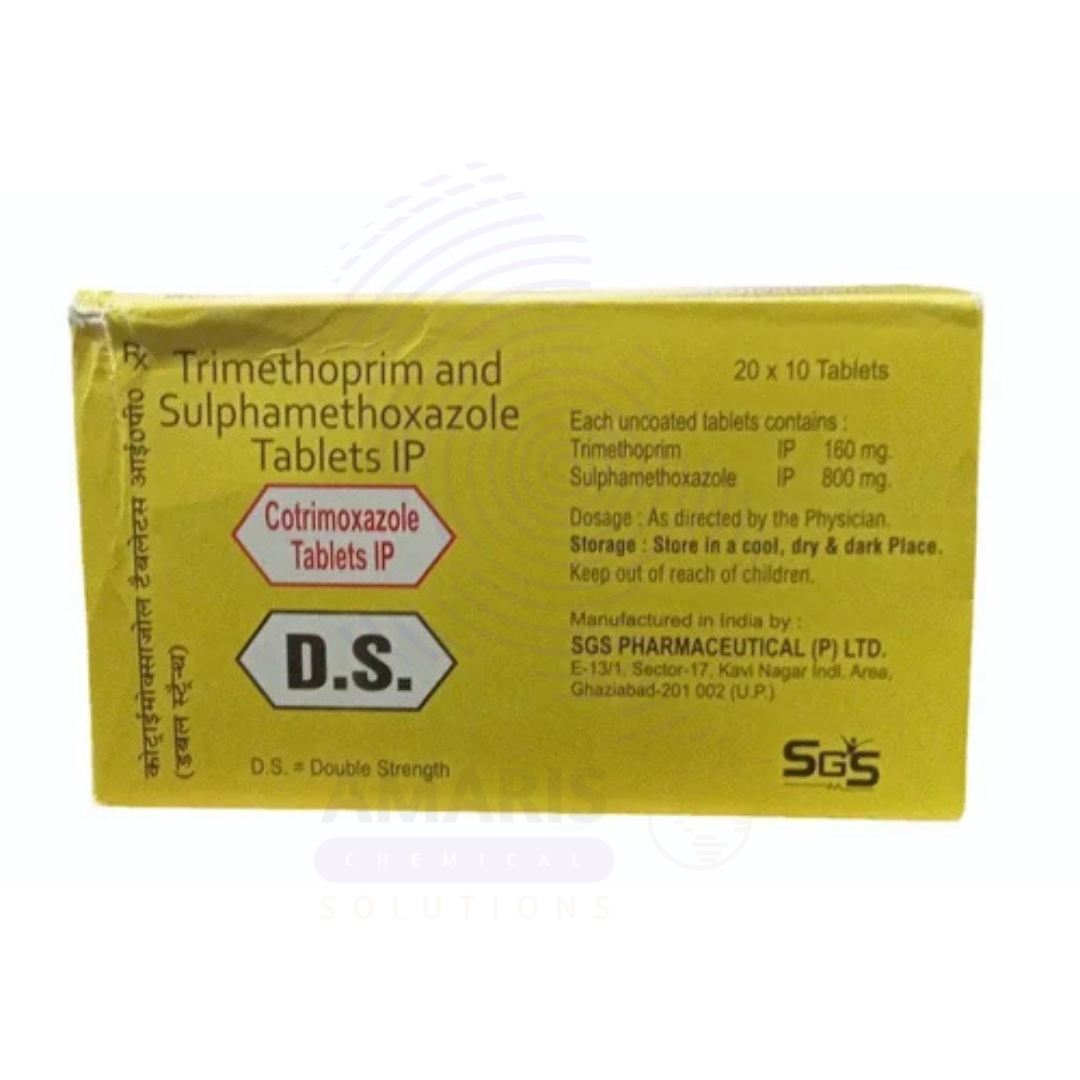




Trimethoprim BP Micronised
Trimethoprim BP Micronised is a high-purity, fine powdered form of trimethoprim, an antibiotic used primarily for its bacteriostatic properties. The micronisation process enhances its solubility and bioavailability, making it more effective in pharmaceutical formulations. Trimethoprim acts by inhibiting bacterial dihydrofolate reductase, thereby preventing bacterial DNA synthesis and growth. It is widely used alone or in combination therapies to treat a variety of bacterial infections.
Trimethoprim BP Micronised
Primary Uses
- Pharmaceutical Industry:
- Active pharmaceutical ingredient (API) in oral tablets, suspensions, and injectable formulations targeting urinary tract infections (UTIs), respiratory tract infections, and other bacterial infections.
- Used in combination with sulfamethoxazole (co-trimoxazole) for synergistic antibacterial effect.
Secondary Uses
- Veterinary Medicine:
- Incorporated in veterinary antibiotic formulations to treat bacterial infections in livestock and companion animals.
- Research & Development:
- Utilized in pharmaceutical research for developing new antibacterial drugs and formulations.
1. Basic Key Attributes
- Chemical Name (IUPAC): 5-[(3,4,5-Trimethoxyphenyl)methyl]pyrimidine-2,4-diamine
- Common/Trade Name: Trimethoprim BP Micronised
- CAS Number: 738-70-5
- HS Code: 2934.99.90
- Synonyms: Trimethoprim, 2,4-Diamino-5-(3,4,5-trimethoxybenzyl)pyrimidine
2. Physical & Chemical Properties
- Physical State: Fine crystalline powder
- Color & Odor: White to off-white; odorless
- Particle Size: Micronised to enhance solubility and bioavailability
- Melting Point: 199–201 °C
- Solubility: Slightly soluble in water; soluble in alcohol and organic solvents
- Purity: Complies with British Pharmacopoeia (BP) standards
3. Safety & Hazard Attributes
- GHS Classification: Not classified as hazardous under normal handling
- Toxicity: Low toxicity but may cause hypersensitivity or allergic reactions
- Exposure Limits: Follow pharmaceutical industry safety guidelines
4. Storage & Handling Attributes
- Storage Conditions: Store in a cool, dry, well-ventilated place away from light and moisture
- Container Type: Sealed, moisture-proof containers such as HDPE drums or bottles
- Shelf Life: Typically 24 months under recommended storage conditions
- Handling Precautions: Avoid inhalation of dust; use appropriate PPE including masks and gloves
5. Regulatory & Compliance Attributes
- Complies with British Pharmacopoeia (BP) standards
- Manufactured under Good Manufacturing Practices (GMP) ensuring pharmaceutical-grade quality
- Registered with relevant regulatory bodies for pharmaceutical use
6. Environmental & Health Impact
- Biodegradability: Not readily biodegradable; follow waste disposal regulations
- Ecotoxicity: Potentially harmful to aquatic organisms; avoid release into environment
- Bioaccumulation: Not significant
Safety Handling Precautions
- PPE Required: Dust mask, gloves, and eye protection recommended during handling
- Handling Guidelines: Use in well-ventilated areas; avoid dust generation
- Storage Measures: Keep containers tightly closed and protected from moisture
First Aid Measures
- Inhalation: Remove to fresh air; seek medical attention if symptoms develop
- Skin Contact: Wash thoroughly with soap and water
- Eye Contact: Rinse eyes with plenty of water; seek medical advice if irritation persists
- Ingestion: Rinse mouth; seek immediate medical attention
Firefighting Measures
- Fire Hazards: May burn but not easily ignitable
- Extinguishing Media: Use water spray, foam, or dry chemical extinguisher
- Hazardous Combustion Products: Carbon oxides and nitrogen oxides
Related products
Cetirizine Dihydrochloride
Cetirizine Dihydrochloride is a second-generation antihistamine widely used to relieve allergy symptoms such as hay fever, urticaria (hives), and other allergic conditions. It is the dihydrochloride salt form of cetirizine, presenting as a white to off-white crystalline powder that is odorless or nearly odorless and slightly bitter in taste. Cetirizine Dihydrochloride acts as a selective antagonist of peripheral H1 histamine receptors, preventing the effects of histamine and thereby reducing allergic symptoms without causing significant sedation. It is a commonly prescribed active pharmaceutical ingredient (API) in oral tablets, syrups, and capsules.
Cetirizine Hydrochloride
Cetirizine Hydrochloride is a widely used second-generation antihistamine effective for treating allergic conditions such as allergic rhinitis, chronic urticaria, and other allergy symptoms. It is the hydrochloride salt form of cetirizine, existing as a white to off-white crystalline powder with a slightly bitter taste. Cetirizine HCl acts by selectively blocking peripheral H1 histamine receptors, thereby reducing allergic symptoms without significant sedation or central nervous system depression. It is commonly formulated into tablets, syrups, and capsules as an active pharmaceutical ingredient.
Chloramphenicol Palmitate Micronised
Chloramphenicol Palmitate Micronised is a micronized, lipophilic ester derivative of chloramphenicol, designed for improved solubility and bioavailability compared to the parent drug. It appears as a fine, white to off-white powder with enhanced surface area due to micronization. This antibiotic is widely used for oral formulations, particularly pediatric suspensions, due to its palatability and controlled release properties. Chloramphenicol Palmitate exhibits broad-spectrum antibacterial activity against both Gram-positive and Gram-negative bacteria. Its ester form offers better stability and reduced bitterness, making it a preferred choice in pharmaceutical preparations.
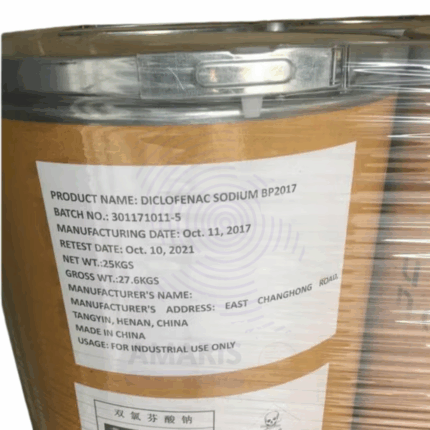
Diclofenac Sodium BP
Diclofenac Sodium is a nonsteroidal anti-inflammatory drug (NSAID) widely used for its potent analgesic, anti-inflammatory, and antipyretic properties. It is the sodium salt form of diclofenac, providing enhanced solubility and rapid absorption. Diclofenac Sodium BP (British Pharmacopoeia standard) ensures pharmaceutical-grade purity and compliance with stringent quality standards. It is commonly formulated in oral tablets, topical gels, injections, and ophthalmic preparations.
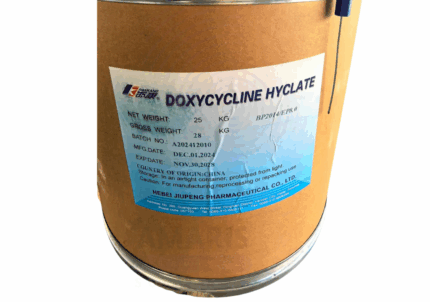
Doxycycline Hyclate BP
Doxycycline Hyclate BP is a broad-spectrum, semisynthetic tetracycline-class antibiotic available as the hemihydrate salt form of doxycycline. It is widely used in pharmaceutical formulations due to its high bioavailability, broad antibacterial activity, and favorable pharmacokinetic profile. The compound exhibits bacteriostatic action by inhibiting protein synthesis in susceptible bacteria, making it effective against a wide range of Gram-positive and Gram-negative organisms as well as atypical pathogens. It is typically supplied as a fine, white to off-white crystalline powder soluble in water and suitable for oral and parenteral dosage forms.
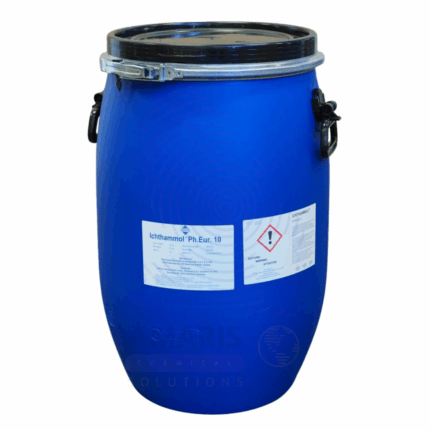
Ichthammol BP98
Ichthammol BP98, also known as ammonium bituminosulfonate, is a dark brown to black, viscous, sulfur-rich, semi-solid substance derived from the distillation of shale or bituminous rocks. It has a characteristic tar-like odor and is highly valued in pharmaceutical and dermatological applications for its anti-inflammatory, antiseptic, antipruritic (anti-itch), and keratolytic properties. Ichthammol penetrates deeply into the skin and soft tissues, helping to alleviate inflammation and promote healing. It is widely used in topical preparations for treating skin conditions such as eczema, psoriasis, boils, abscesses, and other dermatological infections.
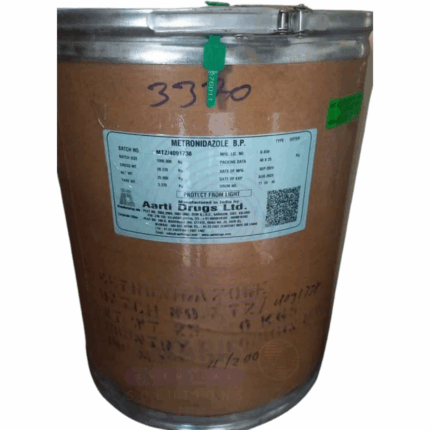
Metronidazole BP
Metronidazole BP is a benzoate ester derivative of metronidazole, used primarily as an antiprotozoal and antibacterial agent. It is a prodrug that hydrolyzes in the body to release metronidazole, making it more palatable for pediatric and geriatric oral suspensions. It complies with the British Pharmacopoeia (BP) standards for purity and efficacy.
Neomycin Sulphate BP Oral
Neomycin Sulphate BP Oral is an aminoglycoside antibiotic derived from Streptomyces fradiae. It is used primarily for treating infections caused by susceptible aerobic gram-negative and some gram-positive bacteria. The oral form is especially utilized for intestinal antisepsis, to reduce bacterial flora before gastrointestinal surgery, or to treat hepatic encephalopathy by decreasing ammonia-producing bacteria in the gut. It is available in powder or tablet form conforming to British Pharmacopoeia (BP) standards, ensuring high purity and efficacy.












