

 Preservatives(food)
 Flavor Enhancers
 Acidulants
 Sweeteners
 Antioxidants
 Colorants(food)
 Nutraceutical Ingredients (food)
 Nutrient Supplements
 Emulsifiers
 Collectors
 Dust Suppressants
 Explosives and Blasting Agents
 Flocculants and Coagulants
 Frothers
 Leaching Agents
 pH Modifiers
 Precious Metal Extraction Agents
 Antioxidants(plastic)
 Colorants (Pigments, Dyes)
 Fillers and Reinforcements
 Flame Retardants
 Monomers
 Plasticizers
 Polymerization Initiators
 Stabilizers (UV, Heat)
 Antifoaming Agents
 Chelating Agents
 Coagulants and Flocculants
 Corrosion Inhibitors
 Disinfectants and Biocides
 Oxidizing Agents
 pH Adjusters
 Scale Inhibitors( water)
 Antioxidants(cosmetic)
 Emollients
 Fragrances and Essential Oils
 Humectants
 Preservatives
 Surfactants(cosmetic)
 Thickeners
 UV Filters
 Fertilizers
 Soil Conditioners
 Plant Growth Regulators
 Animal Feed Additives
 Biostimulants
 Pesticides (Herbicides, Insecticides, Fungicides)
 Active Pharmaceutical Ingredients (APIs)
 Excipients
 Solvents(pharmaceutical)
 Antibiotics
 Antiseptics and Disinfectants
 Vaccine Adjuvants
 Nutraceutical Ingredients (pharmaceutical)
 Analgesics & Antipyretics
 Analytical Reagents
 Solvents(lab)
 Chromatography Chemicals
 Spectroscopy Reagents
 microbiology-and-cell-culture-reagents
 Molecular Biology Reagents
 Biochemical Reagents
 Inorganic and Organic Standards
 Laboratory Safety Chemicals
 Specialty Laboratory Chemicals(Special Laboratory Equipment)
 Demulsifiers
 Hydraulic Fracturing Fluids
 Scale Inhibitors(oil)
 Surfactants(oil)
 Drilling Fluids
 Dyes and Pigments
 Bleaching Agents
 Softening Agents
 Finishing Agents
 Antistatic Agents
 Admixtures
 Waterproofing Agents
 Sealants and Adhesives
 Curing Compounds
 Concrete Repair Chemicals
 Anti-Corrosion Coatings
 Surfactants(cleaning)
 Builders
 Enzymes
 Solvents (Cleaning)
 Fragrances
 Electronic Chemicals
 Catalysts
 Lubricants
 Photographic Chemicals
 Refrigerants
 Automotive chemicals
 Pyrotechnic Chemicals
 Biodegradable Surfactants
 Bio-based Solvents
 Renewable Polymers
 Carbon Capture Chemicals
 Wastewater Treatment Chemicals
 Pigments
 Solvents(paint)
 Specialty Coatings
 Binders/Resins
 Additives
 Driers
 Anti-Corrosion Agents
 Functional Coatings
 Application-Specific Coatings
 Leavening Agents
 Dough Conditioners
 Flour Treatments
 Fat Replacers
 Decoratives
 Preservatives(baking)
 Plasticizers & Softeners
 Reinforcing Agents
 Adhesion Promoters
 Vulcanizing Agents
 Antidegradants
 Blowing Agents
 Fillers & Extenders
 Accelerators & Retarders
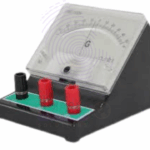


Ufanon- KDS/CDE
Ufanon- KDS/CDE is a proprietary blend of chelating and dispersing agents formulated for use in industrial water treatment and boiler systems. It is designed to control hardness, prevent scale formation, disperse sludge and iron deposits, and enhance corrosion protection. The product is typically supplied as a concentrated aqueous solution and compatible with continuous and intermittent dosing systems. It maintains system efficiency and longevity by stabilizing metal ions and preventing deposit buildup.
Ufanon‑KDS (also known as Ufanon‑CDE)
Primary Uses
- Boiler Water Treatment
- Prevents precipitation of calcium and magnesium salts, thus reducing scaling and maintaining heat transfer efficiency.
- Helps control sludge build-up in feedwater systems and steam boilers.
- Stabilizes iron and metal oxides in suspension to prevent deposit accumulation.
- Cooling Water Treatment
- Controls hardness and prevents calcium carbonate and sulfate scale in cooling towers and recirculating systems.
- Disperses suspended solids and iron particles, preventing fouling of heat exchanger surfaces.
- Enhances corrosion inhibition by chelating metal ions that catalyze corrosion reactions.
- Desalination & Reverse Osmosis (RO) Pre‑Treatment
- Prevents scale-forming salts from precipitating on membranes, extending RO membrane life.
- Maintains antiscalant and dispersant action in intermediate water chemistry control.
- Industrial Process Water
- Used in textile, paper, and food processing plants to stabilize water quality, reduce deposits, and maintain cleanliness in boilers, chillers, and piping.
Secondary Uses
- Wastewater Treatment
- Stabilizes heavy metals in effluent streams, reducing environmental discharge impact.
- Aids in flocculation and suspension of oily/waxy contaminants for easier removal.
- Metal Finishing & Plating
- Prevents scale formation in rinse water and recirculating systems.
- Improves dispersion of particulates and enhances surface finish quality.
- District Heating & HVAC Systems
- Manages scale and iron deposition in hot water heating loops for efficient operation.
- Municipal Water Treatment
- Occasionally used in drinking‑water preconditioning to control hardness in specific industrial contexts.
1. Basic Identification Attributes
- Chemical Name (Description): Proprietary blend of phosphonates, polycarboxylates, and dispersants
- Common/Trade Name: Ufanon‑KDS or Ufanon‑CDE
- CAS Number: Mixture; individual components vary
- HS Code: 3809.20.00 (Water treatment preparations)
- Synonyms: Water hardness dispersant blend
2. Physical & Chemical Properties
- Physical State: Liquid (aqueous)
- Color & Odor: Clear to pale amber; faint chemical odor
- Density: ~1.1–1.2 g/cm³
- pH: Typically 8–10 (1% solution)
- Solubility: Fully water-soluble, stable between 0–80 °C
3. Safety & Hazard Attributes
- GHS Classification:
- May cause skin/eye irritation (dependent on formulation)
- Not classified as flammable
- Toxicity: Low; moderate irritation in concentrated form
- Exposure Limits: No specific limits; general industrial hygiene measures suggested
4. Storage & Handling Attributes
- Storage Conditions: Store in a cool (5–30 °C), dry, ventilated area away from direct sunlight and acids
- Container Type: HDPE drums, IBC totes, or bulk containers
- Shelf Life: 18–24 months under proper storage
- Handling Precautions: Use contained dispensing equipment; avoid exposure and ensure good ventilation
5. Regulatory & Compliance Attributes
- Formulated to meet industrial water treatment regulatory standards (e.g. REACH, TSCA)
- Non-hazardous when diluted according to dosing guidelines
- Not intended for drinking water without further purification steps
6. Environmental & Health Impact
- Biodegradability: Components vary; may degrade slowly
- Ecotoxicity: Avoid high concentration discharge—moderate toxicity
- Bioaccumulation: Not expected
Safety Handling Precautions
- PPE Required: Gloves, goggles, and chemical-resistant clothing when handling concentrate
- Handling Guidelines: Ensure all dispensing is in a ventilated area; avoid skin/eye contact
- Storage Measures: Keep containers sealed; avoid contact with strong oxidizers and acids
First Aid Measures
- Inhalation: Move to fresh air; seek medical help if symptoms develop
- Skin Contact: Wash with soap and water; remove contaminated clothing
- Eye Contact: Rinse with plenty of clean water for 15 minutes; seek medical attention if irritation continues
- Ingestion: Rinse mouth; do not induce vomiting; seek medical advice
Firefighting Measures
- Fire Hazards: Non-flammable
- Extinguishing Media: Use water spray, foam, or dry chemical for surrounding fire
- Hazardous Combustion Products: Carbon oxides, phosphorus oxides depending on other substances present
Related products

Acticide
Acticide is a brand name for a range of biocides and preservatives used primarily in industrial and commercial products to prevent the growth of bacteria, fungi, algae, and other microorganisms. It is commonly added to paints, coatings, adhesives, plastics, and personal care products to extend their shelf life and maintain product quality.
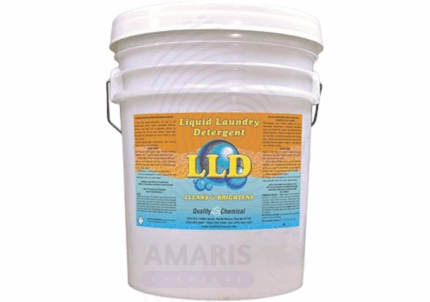
Basic Laundry Detergent
Basic Laundry Detergent is a cleaning agent formulated primarily for washing textiles such as clothes, linens, and other fabrics. It typically contains surfactants, builders, enzymes, and other additives that work synergistically to remove dirt, stains, and odors from fabrics. Designed for household and industrial use, laundry detergents help restore fabric cleanliness and freshness while maintaining fiber integrity. Basic laundry detergents can be in powder, liquid, or tablet form, and are formulated to perform in various water hardness conditions and temperatures.

Ceramic cleaner
Ceramic Cleaner is a formulated cleaning agent specifically designed to remove dirt, grime, stains, soap scum, hard water deposits, and biological films from ceramic surfaces without causing damage or etching. These surfaces include glazed ceramic tiles, porcelain, sanitaryware (toilets, sinks), and delicate ceramics. Formulations vary from acidic or alkaline heavy-duty cleaners for industrial and bathroom use to pH-neutral, non-abrasive solutions for household and delicate items. The product works through a combination of surfactants, solvents, and sometimes mild acids or abrasives to lift and dissolve contaminants, leaving surfaces clean and often with a polished finish.

Concrete & cabro stain cleaner
Concrete & Cabro Stain Cleaner is a specialized, acidic cleaning formulation designed to remove stubborn stains, discoloration, and mineral deposits from concrete surfaces and cabro paving blocks (interlocking pavers). It is typically a liquid concentrate that works by chemically dissolving and lifting embedded grime, organic growth, and inorganic salts. This product is intended for heavy-duty industrial, commercial, and residential exterior cleaning and is not suitable for use on sensitive surfaces like marble, limestone, or certain metals, or for general household cleaning.
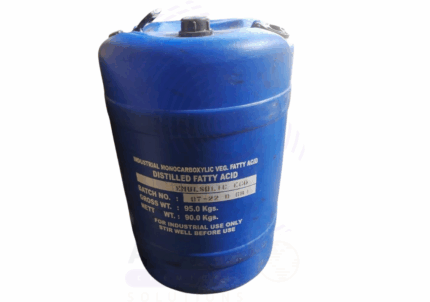
Fatty Acid
Fatty acids are a group of carboxylic acids consisting of long aliphatic chains, which can be either saturated or unsaturated. They are typically derived from natural fats and oils through hydrolysis or saponification and appear as colorless to pale yellow liquids or solids depending on the chain length and degree of saturation. Fatty acids are fundamental building blocks in biochemistry and industrial chemistry, serving as raw materials in the manufacture of soaps, detergents, lubricants, cosmetics, plastics, and food additives. Their amphiphilic nature—containing both hydrophilic (carboxyl group) and hydrophobic (alkyl chain) components—makes them versatile for various chemical and industrial applications.
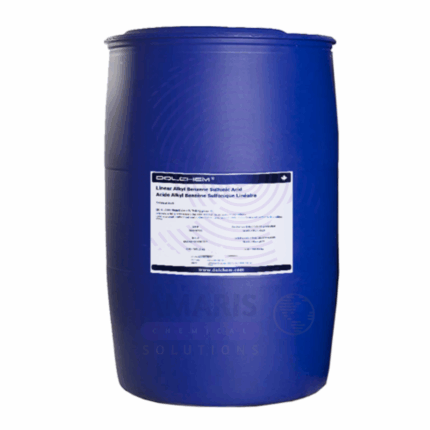
Labsa
Labsa Ufacid, also known as Ufacid 90%, is a highly concentrated anionic surfactant widely used in the detergent and cleaning industries. It is a viscous, oily liquid or semi-solid with strong acidic properties and excellent surface-active capabilities. Labsa 90% acts as a primary raw material for manufacturing laundry detergents, dishwashing liquids, and industrial cleaners due to its excellent foaming, wetting, and emulsifying properties. It is valued for its strong cleaning power and compatibility with various formulations.
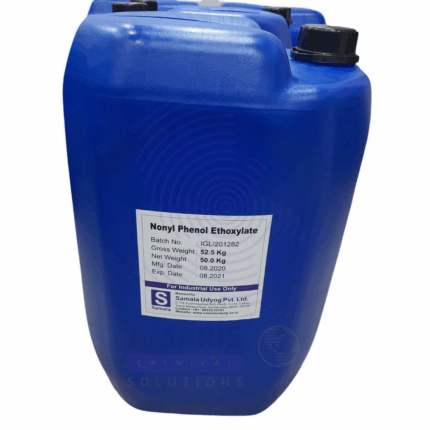
Nonylphenol Ethoxylate
Nonylphenol Ethoxylate is a non-ionic surfactant belonging to the alkylphenol ethoxylate family, characterized by an average of 9 ethylene oxide units. It is widely used as a detergent, emulsifier, dispersant, and wetting agent in various industrial and commercial applications. NPE9 offers excellent cleaning power, low foaming properties, and good compatibility with other surfactants, making it a versatile ingredient in formulations such as textile processing, paints, coatings, and metal treatment.

Sodium Xylene Sulphonate
Sodium Xylene Sulphonate (SXS) is a white to off-white crystalline powder or granule with the chemical formula C₈H₇NaO₃S. It is a highly water-soluble anionic surfactant commonly used as a hydrotrope to enhance the solubility and stability of other surfactants and ingredients in detergent and cleaning formulations. Packaged in 25kg bags, SXS improves the clarity of liquid detergents and personal care products while boosting performance in hard water and various industrial applications.












