

 Preservatives(food)
 Flavors
 Acidulants
 Sweeteners
 Antioxidants
 Colorants(food)
 Nutraceutical Ingredients (food)
 Nutrient Supplements
 Emulsifiers
 Collectors
 Dust Suppressants
 Explosives and Blasting Agents
 Flocculants and Coagulants
 Frothers
 Leaching Agents
 pH Modifiers
 Precious Metal Extraction Agents
 Antioxidants(plastic)
 Colorants (Pigments, Dyes)
 Fillers and Reinforcements
 Flame Retardants
 Monomers
 Plasticizers
 Polymerization Initiators
 Stabilizers (UV, Heat)
 Antifoaming Agents
 Chelating Agents
 Coagulants and Flocculants
 Corrosion Inhibitors
 Disinfectants and Biocides
 Oxidizing Agents
 pH Adjusters
 Scale Inhibitors( water)
 Antioxidants(cosmetic)
 Emollients
 Oils
Oils Carrier Oills
 Essential Oils
 Humectants
 Preservatives
 Surfactants(cosmetic)
 Thickeners
 UV Filters
 Fragrance (Cosmetics)
 Fertilizers
 Soil Conditioners
 Plant Growth Regulators
 Animal Feed Additives
 Biostimulants
 Pesticides (Herbicides, Insecticides, Fungicides)
 Active Pharmaceutical Ingredients (APIs)
 Excipients
 Solvents(pharmaceutical)
 Antibiotics
 Antiseptics and Disinfectants
 Vaccine Adjuvants
 Nutraceutical Ingredients (pharmaceutical)
 Analgesics & Antipyretics
 Analytical Reagents
 Solvents(lab)
 Chromatography Chemicals
 Spectroscopy Reagents
 microbiology-and-cell-culture-reagents
 Molecular Biology Reagents
 Biochemical Reagents
 Inorganic and Organic Standards
 Laboratory Safety Chemicals
 Specialty Laboratory Chemicals(Special Laboratory Equipment)
 Demulsifiers
 Hydraulic Fracturing Fluids
 Scale Inhibitors(oil)
 Surfactants(oil)
 Drilling Fluids
 Dyes and Pigments
 Bleaching Agents
 Softening Agents
 Finishing Agents
 Antistatic Agents
 Admixtures
 Waterproofing Agents
 Sealants and Adhesives
 Curing Compounds
 Concrete Repair Chemicals
 Anti-Corrosion Coatings
 Surfactants(cleaning)
 Builders
 Enzymes
 Solvents (Cleaning)
 Electronic Chemicals
 Catalysts
 Lubricants
 Photographic Chemicals
 Refrigerants
 Automotive chemicals
 Pyrotechnic Chemicals
 Biodegradable Surfactants
 Bio-based Solvents
 Renewable Polymers
 Carbon Capture Chemicals
 Wastewater Treatment Chemicals
 Pigments
 Solvents(paint)
 Specialty Coatings
 Binders/Resins
 Additives
 Driers
 Anti-Corrosion Agents
 Functional Coatings
 Application-Specific Coatings
 Leavening Agents
 Dough Conditioners
 Flour Treatments
 Fat Replacers
 Decoratives
 Preservatives(baking)
 Plasticizers & Softeners
 Reinforcing Agents
 Adhesion Promoters
 Vulcanizing Agents
 Antidegradants
 Blowing Agents
 Fillers & Extenders
 Accelerators & Retarders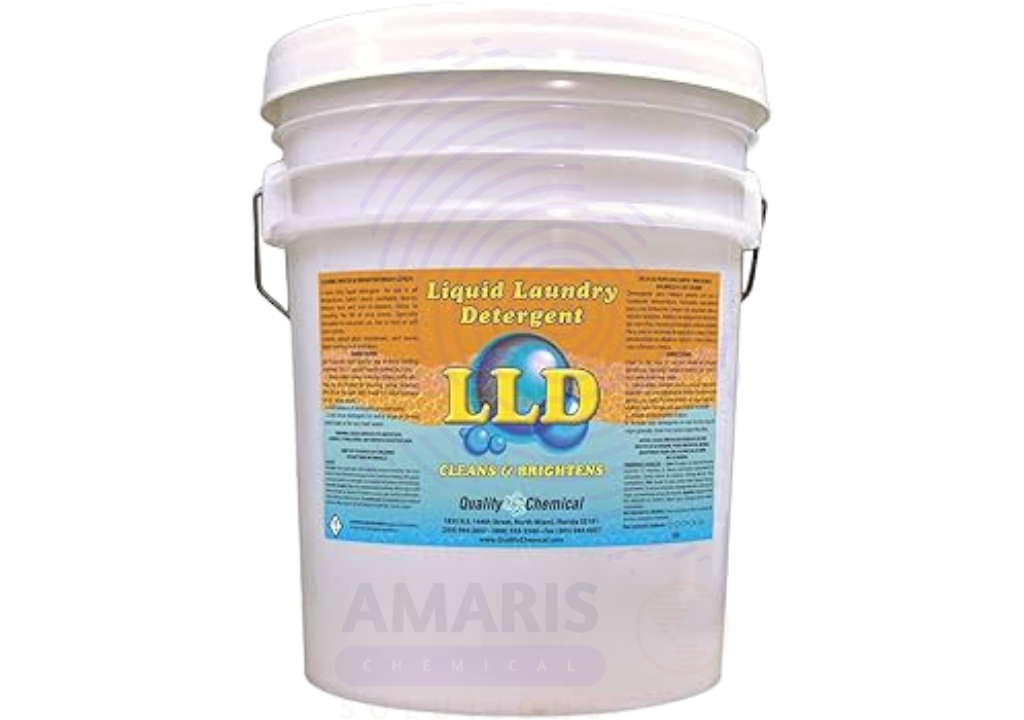


Basic Laundry Detergent
Basic Laundry Detergent is a cleaning agent formulated primarily for washing textiles such as clothes, linens, and other fabrics. It typically contains surfactants, builders, enzymes, and other additives that work synergistically to remove dirt, stains, and odors from fabrics. Designed for household and industrial use, laundry detergents help restore fabric cleanliness and freshness while maintaining fiber integrity. Basic laundry detergents can be in powder, liquid, or tablet form, and are formulated to perform in various water hardness conditions and temperatures.
Basic Laundry Detergent
Primary Uses
- Household Laundry Cleaning
- Removes soil, grease, and stains from cotton, synthetic, and blended fabrics.
- Provides fabric softening and fresh fragrance.
- Compatible with washing machines and hand washing.
- Industrial & Commercial Laundry
- Used in laundromats, hotels, hospitals, and other large-scale laundry operations.
- Formulated for heavy-duty cleaning of uniforms, linens, and workwear.
- Stain Removal
- Contains enzymes and surfactants targeting protein-based, starch, and oil stains.
- Helps in pre-treating tough stains for better cleaning efficiency.
Secondary Uses
- Cleaning other washable textiles like curtains and upholstery fabrics.
- May be used in specialty cleaning formulations for specific fabrics or colors.
- In some cases, used for cleaning certain hard surfaces, e.g., washable walls or floors (depending on formulation).
1. Basic Identification Attributes
- Chemical Name (IUPAC): Variable depending on formulation; typically a mixture of surfactants and additives
- Common/Trade Names: Basic Laundry Detergent, Powder Detergent, Liquid Detergent
- CAS Number: Mixture (varies by ingredients)
- HS Code: 3402.20.00
- Molecular Formula: Mixture; no fixed formula
- Synonyms: Laundry soap, fabric cleaner, washing powder
2. Physical & Chemical Properties
- Physical State: Powder, liquid, or tablet
- Color & Odor: Usually white/off-white powder or clear to colored liquid; fragrance added
- pH Level: Typically alkaline (pH 9–11 in solution)
- Solubility: Soluble in water
- Density: Varies (powders ~0.5–0.8 g/cm³; liquids ~1.0 g/cm³)
- Stability: Stable under normal storage conditions
3. Safety & Hazard Attributes
- Hazard Class (GHS): May cause eye irritation, skin irritation; generally non-flammable
- NFPA Ratings: Health 1, Flammability 0, Reactivity 0
- Exposure Limits: No specific limits; avoid dust or prolonged skin contact
- Reactivity: Stable; avoid mixing with strong acids or oxidizers
4. Storage & Handling Attributes
- Storage Conditions: Store in cool, dry place away from moisture and direct sunlight
- Container Type: Sealed plastic bags, boxes, or bottles
- Shelf Life: Typically 1–3 years depending on formulation and storage
- Special Handling: Avoid dust generation; use gloves if sensitive skin
5. Regulatory & Compliance Attributes
- Regulatory Status: Compliant with detergent regulations in respective countries (e.g., FDA, EPA, REACH)
- Transportation: Non-hazardous for transportation under most regulations
- Waste Disposal: Dispose in accordance with local environmental regulations; avoid release to waterways
6. Environmental & Health Impact
- Ecotoxicity: Biodegradable surfactants minimize environmental harm; however, excess phosphate-containing detergents can cause eutrophication
- Persistence: Surfactants typically biodegradable, but some additives may persist
- Carcinogenicity/Mutagenicity: No evidence of carcinogenic effects at typical exposure levels
- Biodegradability: Most formulations designed to be readily biodegradable
Safety Handling Precautions
- PPE: Wear gloves and eye protection if handling large quantities or powders to prevent skin and eye irritation.
- Handling: Avoid inhalation of powder dust; use in well-ventilated areas.
- Storage: Keep containers tightly closed, dry, and out of reach of children.
- Hygiene: Wash hands after use; avoid contact with eyes and prolonged skin exposure.
First Aid Measures
- Inhalation: Move to fresh air; seek medical attention if irritation or difficulty breathing occurs.
- Skin Contact: Wash with plenty of soap and water; seek medical advice if irritation persists.
- Eye Contact: Rinse thoroughly with water for at least 15 minutes; consult a physician if irritation continues.
- Ingestion: Do not induce vomiting; rinse mouth and seek medical advice immediately.
Firefighting Measures
- Fire Hazards: Non-flammable.
- Extinguishing Media: Use water spray, foam, dry chemical, or CO₂ if involved in surrounding fire.
- Special Precautions: Firefighters should wear standard protective equipment.
Related products
Borax Decahydrate
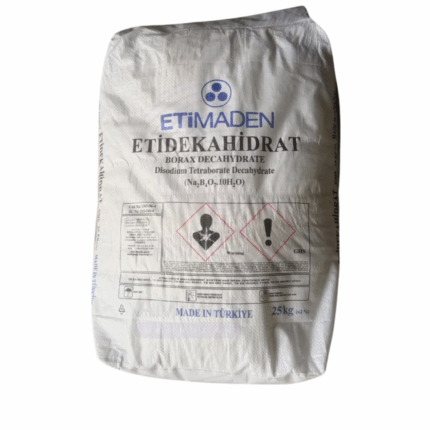
Borax Decahydrate, also known as sodium tetraborate decahydrate, is a naturally occurring mineral and an important inorganic compound. It appears as colorless or white crystalline granules or powder with a salty, alkaline taste. This compound is widely used in detergents, cosmetics, glass manufacturing, agriculture, and various industrial applications due to its excellent buffering, emulsifying, and antiseptic properties. The “decahydrate” indicates that each molecule of borax contains ten water molecules bound in its crystal structure, contributing to its crystalline appearance and physical properties.

Calcium Chloride
Calcium Chloride is an inorganic salt composed of calcium and chlorine with the chemical formula CaCl₂. It typically appears as a white crystalline solid or granular powder, highly soluble in water and exhibiting strong hygroscopic properties. Calcium Chloride is widely used for its moisture-absorbing ability, de-icing, dust control, and as a firming agent in food processing. It finds extensive applications across industrial, pharmaceutical, agricultural, and food sectors due to its efficacy in modifying physical and chemical properties of products and environments.
Caustic Soda Pearls
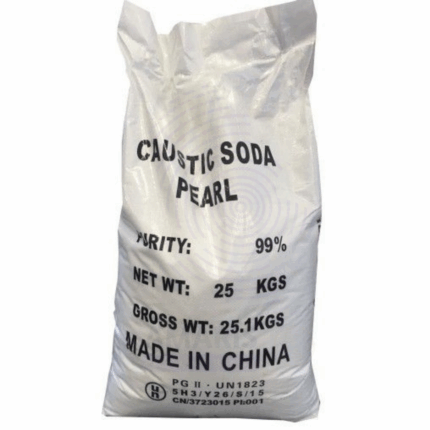
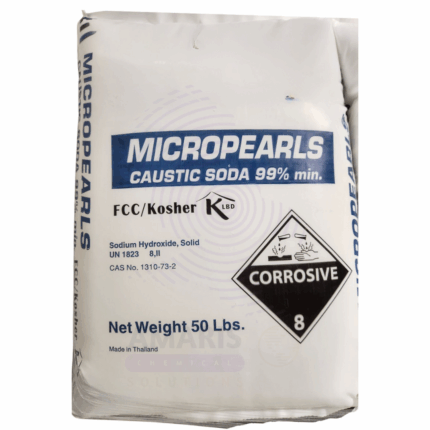
Caustic Soda Pearls are small, solid, spherical particles of sodium hydroxide (NaOH) produced by a controlled cooling and solidification process. These pearls offer superior flowability, uniform size distribution, and reduced dust generation compared to flake or powder forms. They are highly soluble in water, exhibiting a strong alkaline nature with vigorous exothermic dissolution. Caustic Soda Pearls are widely used across industries including chemical manufacturing, water treatment, pulp and paper processing, and detergents due to their purity, ease of handling, and efficient dissolution characteristics.

Ceramic cleaner
Ceramic Cleaner is a formulated cleaning agent specifically designed to remove dirt, grime, stains, soap scum, hard water deposits, and biological films from ceramic surfaces without causing damage or etching. These surfaces include glazed ceramic tiles, porcelain, sanitaryware (toilets, sinks), and delicate ceramics. Formulations vary from acidic or alkaline heavy-duty cleaners for industrial and bathroom use to pH-neutral, non-abrasive solutions for household and delicate items. The product works through a combination of surfactants, solvents, and sometimes mild acids or abrasives to lift and dissolve contaminants, leaving surfaces clean and often with a polished finish.

Concrete & cabro stain cleaner
Concrete & Cabro Stain Cleaner is a specialized, acidic cleaning formulation designed to remove stubborn stains, discoloration, and mineral deposits from concrete surfaces and cabro paving blocks (interlocking pavers). It is typically a liquid concentrate that works by chemically dissolving and lifting embedded grime, organic growth, and inorganic salts. This product is intended for heavy-duty industrial, commercial, and residential exterior cleaning and is not suitable for use on sensitive surfaces like marble, limestone, or certain metals, or for general household cleaning.
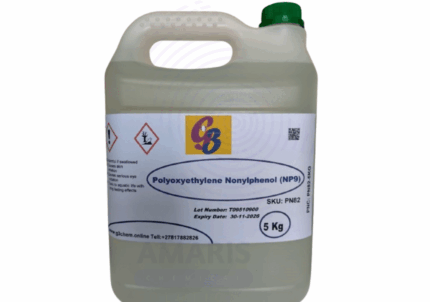
Emulsifier ( Emulgator) NP-9
Emulsifier ( Emulgator) NP-9 is a nonionic surfactant belonging to the family of Nonylphenol Ethoxylates (NPEs), specifically with an average of 9 ethylene oxide (EO) units. It is widely used as an effective emulsifying, wetting, dispersing, and solubilizing agent. NP-9 is typically a pale yellow to amber viscous liquid, soluble in water and various organic solvents. It is valued for its strong emulsifying ability to stabilize oil-in-water (O/W) and water-in-oil (W/O) emulsions, excellent detergency, and good compatibility with other surfactants and formulation ingredients. NP-9 is commonly employed in industrial, agricultural, cosmetic, pharmaceutical, and cleaning applications.

Marlophen NP9
Marlophen NP9 is a nonionic surfactant based on alkylphenol ethoxylates, widely used as a wetting agent, emulsifier, and detergent in various industrial and agricultural applications. It offers excellent compatibility with a range of chemicals and demonstrates strong emulsifying and dispersing properties. Marlophen NP9 enhances the performance of formulations such as pesticides, cleaning agents, and textile auxiliaries by improving spreading, penetration, and stability. It is valued for its ability to reduce surface tension and increase solubility of active ingredients in aqueous systems.
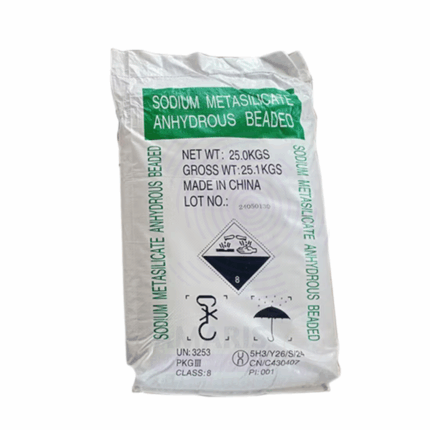
Sodium Metasilicate Anhydrous
Sodium Metasilicate Anhydrous is a white crystalline solid known for its alkaline properties and high solubility in water. It is widely used in industrial cleaning, detergent formulations, water treatment, and as a corrosion inhibitor. The anhydrous form is preferred where moisture sensitivity is a concern. It acts as a strong alkaline builder, improving the effectiveness of detergents and degreasers. This product is also used in adhesives, cement, and ceramics due to its binding and strengthening properties.












