

 Preservatives(food)
 Flavors
 Acidulants
 Sweeteners
 Antioxidants
 Colorants(food)
 Nutraceutical Ingredients (food)
 Nutrient Supplements
 Emulsifiers
 Collectors
 Dust Suppressants
 Explosives and Blasting Agents
 Flocculants and Coagulants
 Frothers
 Leaching Agents
 pH Modifiers
 Precious Metal Extraction Agents
 Antioxidants(plastic)
 Colorants (Pigments, Dyes)
 Fillers and Reinforcements
 Flame Retardants
 Monomers
 Plasticizers
 Polymerization Initiators
 Stabilizers (UV, Heat)
 Antifoaming Agents
 Chelating Agents
 Coagulants and Flocculants
 Corrosion Inhibitors
 Disinfectants and Biocides
 Oxidizing Agents
 pH Adjusters
 Scale Inhibitors( water)
 Antioxidants(cosmetic)
 Emollients
 Oils
Oils Carrier Oills
 Essential Oils
 Humectants
 Preservatives
 Surfactants(cosmetic)
 Thickeners
 UV Filters
 Fertilizers
 Soil Conditioners
 Plant Growth Regulators
 Animal Feed Additives
 Biostimulants
 Pesticides (Herbicides, Insecticides, Fungicides)
 Active Pharmaceutical Ingredients (APIs)
 Excipients
 Solvents(pharmaceutical)
 Antibiotics
 Antiseptics and Disinfectants
 Vaccine Adjuvants
 Nutraceutical Ingredients (pharmaceutical)
 Analgesics & Antipyretics
 Analytical Reagents
 Solvents(lab)
 Chromatography Chemicals
 Spectroscopy Reagents
 microbiology-and-cell-culture-reagents
 Molecular Biology Reagents
 Biochemical Reagents
 Inorganic and Organic Standards
 Laboratory Safety Chemicals
 Specialty Laboratory Chemicals(Special Laboratory Equipment)
 Demulsifiers
 Hydraulic Fracturing Fluids
 Scale Inhibitors(oil)
 Surfactants(oil)
 Drilling Fluids
 Dyes and Pigments
 Bleaching Agents
 Softening Agents
 Finishing Agents
 Antistatic Agents
 Admixtures
 Waterproofing Agents
 Sealants and Adhesives
 Curing Compounds
 Concrete Repair Chemicals
 Anti-Corrosion Coatings
 Surfactants(cleaning)
 Builders
 Enzymes
 Solvents (Cleaning)
 Fragrances (Cleaning)
 Electronic Chemicals
 Catalysts
 Lubricants
 Photographic Chemicals
 Refrigerants
 Automotive chemicals
 Pyrotechnic Chemicals
 Biodegradable Surfactants
 Bio-based Solvents
 Renewable Polymers
 Carbon Capture Chemicals
 Wastewater Treatment Chemicals
 Pigments
 Solvents(paint)
 Specialty Coatings
 Binders/Resins
 Additives
 Driers
 Anti-Corrosion Agents
 Functional Coatings
 Application-Specific Coatings
 Leavening Agents
 Dough Conditioners
 Flour Treatments
 Fat Replacers
 Decoratives
 Preservatives(baking)
 Plasticizers & Softeners
 Reinforcing Agents
 Adhesion Promoters
 Vulcanizing Agents
 Antidegradants
 Blowing Agents
 Fillers & Extenders
 Accelerators & Retarders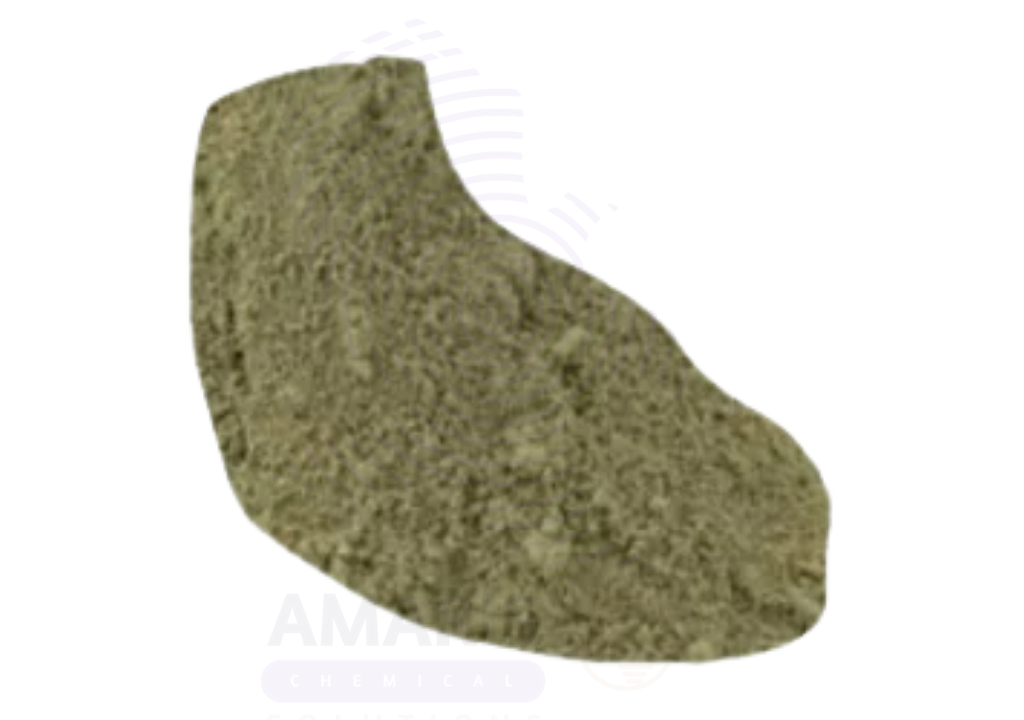


Ellagic Acid
Ellagic Acid is a naturally occurring polyphenolic compound found in numerous fruits, nuts, and vegetables such as pomegranates, strawberries, raspberries, walnuts, and cranberries. It is a potent antioxidant known for its ability to scavenge free radicals and chelate metal ions. Due to its significant anti-inflammatory, anti-carcinogenic, and anti-viral properties, Ellagic Acid has gained extensive interest in pharmaceutical, nutraceutical, cosmetic, and food industries. It appears as a yellow to light brown crystalline powder, insoluble in water but soluble in organic solvents like ethanol and DMSO.
Ellagic Acid
Primary Uses
- Pharmaceuticals & Nutraceuticals
- Utilized as an active ingredient for its antioxidant and anti-inflammatory effects.
- Employed in formulations aimed at cancer prevention and as adjunct therapy due to its anti-proliferative properties.
- Investigated for potential antiviral applications including HIV and herpes simplex viruses.
- Used in dietary supplements for general health and immune support.
- Cosmetics & Personal Care
- Incorporated in anti-aging skin care products for its ability to protect skin from oxidative damage and UV-induced aging.
- Used in formulations targeting hyperpigmentation and skin brightening due to its melanin synthesis inhibition.
- Acts as an anti-inflammatory agent soothing irritated or sensitive skin.
- Food Industry
- Applied as a natural antioxidant additive in food preservation to extend shelf life and prevent lipid peroxidation.
- Used as a functional ingredient in health foods, beverages, and supplements.
- Research & Analytical Uses
- Used in biochemical research to study antioxidant mechanisms and as a standard compound in polyphenol analysis.
Secondary Uses
- Agriculture
- Explored as a natural plant growth regulator and for potential pest resistance due to its antimicrobial properties.
- Biomedical Research
- Investigated in tissue engineering and regenerative medicine for its cell-protective effects.
1. Basic Identification Attributes
- Chemical Name (IUPAC): 2,3,7,8-Tetrahydroxy-[1]benzopyrano[5,4,3-cde][1]benzopyran-5,10-dione
- Common/Trade Name: Ellagic Acid
- CAS Number: 476-66-4
- HS Code: 2934.99.99
- Molecular Formula: C₁₄H₆O₈
- Synonyms:
- 4,4',5,5',6,6'-Hexahydroxydiphenic acid dilactone
- 2,3,7,8-Tetrahydroxychromeno[5,4,3-cde]chromene-5,10-dione
2. Physical & Chemical Properties
- Physical State: Crystalline powder
- Color & Odor: Yellow to light brown; odorless
- Melting Point: Approximately 300°C (decomposes)
- Solubility: Insoluble in water; soluble in ethanol, methanol, DMSO, and alkaline solutions
- Stability: Stable under normal conditions; sensitive to strong acids and bases
3. Safety & Hazard Attributes
- Hazard Class (GHS): Not classified as hazardous
- Toxicity: Low toxicity; generally safe in topical and oral use at recommended doses
- Exposure Limits: Not established
4. Storage & Handling Attributes
- Storage Conditions: Store in cool, dry, dark place in tightly sealed containers
- Container Type: Glass or plastic bottles with airtight caps
- Shelf Life: 2–3 years if stored properly
- Handling Precautions: Avoid dust inhalation and prolonged skin contact
5. Regulatory & Compliance Attributes
- Approved as a dietary supplement ingredient in many regions
- Compliant with food safety and cosmetic regulations globally
6. Environmental & Health Impact
- Biodegradability: Biodegradable under environmental conditions
- Ecotoxicity: Low
- Bioaccumulation: Not expected
- Carcinogenicity/Mutagenicity: Not classified as carcinogenic or mutagenic
Safety Handling Precautions
PPE Required:
- Dust mask or respirator (for powder handling)
- Safety goggles
- Gloves (nitrile or latex)
- Protective clothing or lab coat
Handling Guidelines:
- Handle in well-ventilated areas
- Avoid dust generation and inhalation
- Avoid prolonged skin contact
- Use closed systems or local exhaust ventilation when available
Storage Measures:
- Keep container tightly closed
- Store away from strong oxidizers and bases
- Protect from light and moisture
Hygiene Practices:
- Wash hands after handling
- Do not eat, drink, or smoke in handling areas
- Clean spills promptly to avoid dust spread
First Aid Measures
- Inhalation: Move to fresh air; seek medical attention if irritation persists
- Skin Contact: Wash thoroughly with soap and water; seek medical attention if irritation develops
- Eye Contact: Rinse with plenty of water for 15 minutes; seek medical advice if irritation persists
- Ingestion: Rinse mouth; not expected to be toxic, but seek medical attention if large amounts ingested
Firefighting Measures
- Fire Hazards: Non-flammable
- Extinguishing Media: Water spray, foam, dry chemical, or carbon dioxide
- Special Precautions: Use standard protective equipment
- Decomposition Products: May emit carbon monoxide, carbon dioxide, and other organic vapors upon decomposition
Related products
Ascorbic Acid
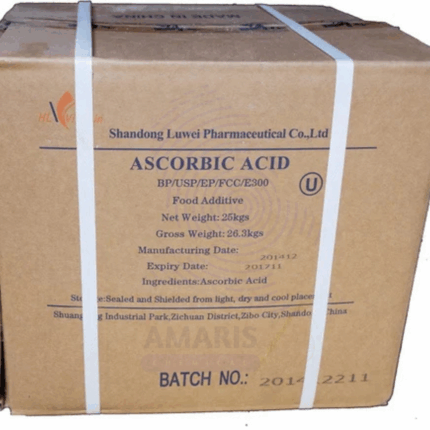
Ascorbic Acid, commonly known as Vitamin C, is a water-soluble vitamin and potent antioxidant essential for collagen synthesis, immune function, and protection against oxidative stress. It is widely used as a nutritional supplement, food preservative, and additive to enhance shelf life and nutritional value. Naturally present in citrus fruits and various vegetables, ascorbic acid is also important in pharmaceutical, cosmetic, and animal feed industries due to its health benefits and preservative qualities.
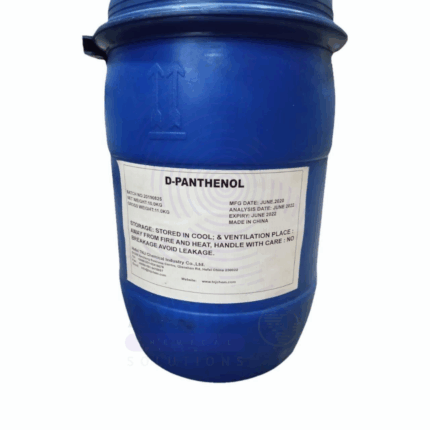
D-Panthenol USP
D-Panthenol USP, also known as Provitamin B5, is the dextrorotatory isomer of panthenol and is biologically active. It is a water-soluble, viscous, clear liquid with a slightly sweet odor and is widely used in pharmaceutical, cosmetic, personal care, and nutraceutical applications. D-Panthenol is the alcohol analog of pantothenic acid (Vitamin B5) and is converted into Vitamin B5 in the skin and body, where it plays a vital role in cellular metabolism and tissue repair. Its moisturizing, anti-inflammatory, and healing properties make it highly valuable across industries.
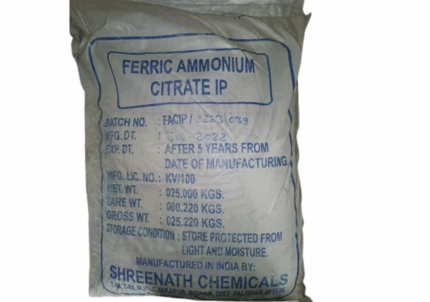
Ferric Ammonium Citrate
Ferric Ammonium Citrate is a dark green to black crystalline or granular inorganic compound composed of iron, ammonium ions, and citrate ions. It is a complex salt of citric acid with ferric iron (Fe³⁺) and ammonium. This compound is highly soluble in water, forming a greenish solution, and is widely utilized as a source of iron in various chemical, pharmaceutical, photographic, and food applications. It acts as a mild oxidizing agent and an iron supplement, valued for its bioavailability and ease of incorporation into formulations. Ferric Ammonium Citrate is typically available in different formulations distinguished by their water and ammonium content, such as green and brown types.
Ferulic Acid
Ferulic Acid is a naturally occurring hydroxycinnamic acid classified as a phenolic compound with potent antioxidant properties. It exists as a pale yellow to light brown crystalline powder with a faint characteristic odor. Ferulic Acid is commonly found in the cell walls of various plants such as rice bran, wheat, oats, coffee, apples, and fruits, where it plays a role in plant structural integrity and defense against environmental stress. It is valued across multiple industries—cosmetics, pharmaceuticals, nutraceuticals, food, and agriculture—due to its ability to neutralize free radicals, absorb UV radiation, and exhibit anti-inflammatory and antimicrobial activities.
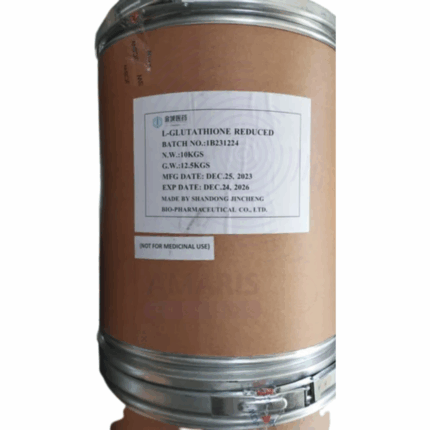
L-Glutathione Reduced
L-Glutathione Reduced is a tripeptide composed of glutamine, cysteine, and glycine, present in cells as a vital antioxidant. It appears as a white to off-white crystalline powder and plays a key role in protecting cells from oxidative stress by neutralizing free radicals and reactive oxygen species. Reduced glutathione (GSH) is the active form that participates in cellular detoxification, immune support, and regeneration of other antioxidants. It is widely used in pharmaceutical, cosmetic, and food industries due to its potent antioxidant properties and skin-brightening effects.
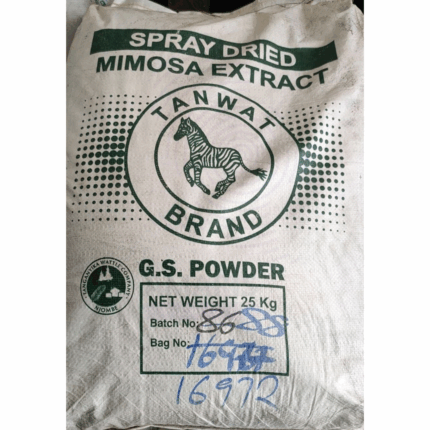
Mimosa Powder
Mimosa Powder is a fine, light to dark brown powder derived from the bark of the Mimosa tenuiflora tree (also known as Mimosa hostilis or Jurema). Rich in tannins and natural polyphenolic compounds, this plant-based powder is widely recognized for its natural astringent, antioxidant, and antimicrobial properties. It is commonly used in cosmetics, traditional medicine, leather tanning, dyeing, and industrial applications. The powder is biodegradable and sustainable, making it a popular choice for natural product formulations.
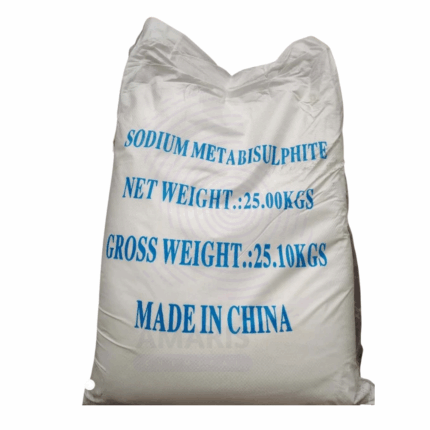
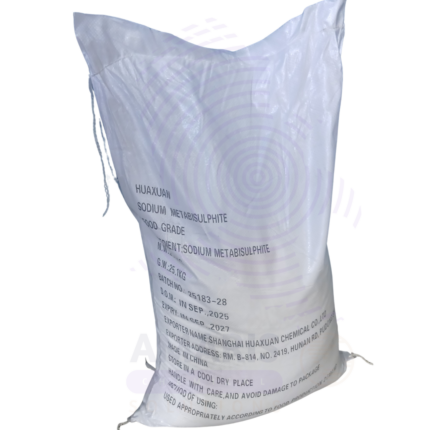
Sodium Metabisulphite
Sodium Metabisulphite is a white crystalline powder widely used as an antioxidant, disinfectant, and preservative. It dissolves readily in water, releasing sulfur dioxide, which acts as a powerful antimicrobial and antioxidant agent. This chemical finds broad applications in food processing, water treatment, pharmaceuticals, and industrial manufacturing to prevent spoilage, control microbial growth, and protect equipment from corrosion.

Sodium Sulphite (Blue)
Sodium Sulphite Blue is a white to bluish-white crystalline powder with the chemical formula Na₂SO₃. The “Blue” grade indicates a specific industrial quality often containing minor additives or impurities, used primarily in water treatment and chemical industries. It acts as an effective oxygen scavenger, reducing agent, and preservative. This 25kg packaged product is highly soluble in water, forming alkaline solutions, and is widely used in pulp and paper, water treatment, textile, and photographic industries.












