

 Preservatives(food)
 Flavors
 Acidulants
 Sweeteners
 Antioxidants
 Colorants(food)
 Nutraceutical Ingredients (food)
 Nutrient Supplements
 Emulsifiers
 Collectors
 Dust Suppressants
 Explosives and Blasting Agents
 Flocculants and Coagulants
 Frothers
 Leaching Agents
 pH Modifiers
 Precious Metal Extraction Agents
 Antioxidants(plastic)
 Colorants (Pigments, Dyes)
 Fillers and Reinforcements
 Flame Retardants
 Monomers
 Plasticizers
 Polymerization Initiators
 Stabilizers (UV, Heat)
 Antifoaming Agents
 Chelating Agents
 Coagulants and Flocculants
 Corrosion Inhibitors
 Disinfectants and Biocides
 Oxidizing Agents
 pH Adjusters
 Scale Inhibitors( water)
 Antioxidants(cosmetic)
 Emollients
 Oils
Oils Carrier Oills
 Essential Oils
 Humectants
 Preservatives
 Surfactants(cosmetic)
 Thickeners
 UV Filters
 Fertilizers
 Soil Conditioners
 Plant Growth Regulators
 Animal Feed Additives
 Biostimulants
 Pesticides (Herbicides, Insecticides, Fungicides)
 Active Pharmaceutical Ingredients (APIs)
 Excipients
 Solvents(pharmaceutical)
 Antibiotics
 Antiseptics and Disinfectants
 Vaccine Adjuvants
 Nutraceutical Ingredients (pharmaceutical)
 Analgesics & Antipyretics
 Analytical Reagents
 Solvents(lab)
 Chromatography Chemicals
 Spectroscopy Reagents
 microbiology-and-cell-culture-reagents
 Molecular Biology Reagents
 Biochemical Reagents
 Inorganic and Organic Standards
 Laboratory Safety Chemicals
 Specialty Laboratory Chemicals(Special Laboratory Equipment)
 Demulsifiers
 Hydraulic Fracturing Fluids
 Scale Inhibitors(oil)
 Surfactants(oil)
 Drilling Fluids
 Dyes and Pigments
 Bleaching Agents
 Softening Agents
 Finishing Agents
 Antistatic Agents
 Admixtures
 Waterproofing Agents
 Sealants and Adhesives
 Curing Compounds
 Concrete Repair Chemicals
 Anti-Corrosion Coatings
 Surfactants(cleaning)
 Builders
 Enzymes
 Solvents (Cleaning)
 Fragrances (Cleaning)
 Electronic Chemicals
 Catalysts
 Lubricants
 Photographic Chemicals
 Refrigerants
 Automotive chemicals
 Pyrotechnic Chemicals
 Biodegradable Surfactants
 Bio-based Solvents
 Renewable Polymers
 Carbon Capture Chemicals
 Wastewater Treatment Chemicals
 Pigments
 Solvents(paint)
 Specialty Coatings
 Binders/Resins
 Additives
 Driers
 Anti-Corrosion Agents
 Functional Coatings
 Application-Specific Coatings
 Leavening Agents
 Dough Conditioners
 Flour Treatments
 Fat Replacers
 Decoratives
 Preservatives(baking)
 Plasticizers & Softeners
 Reinforcing Agents
 Adhesion Promoters
 Vulcanizing Agents
 Antidegradants
 Blowing Agents
 Fillers & Extenders
 Accelerators & Retarders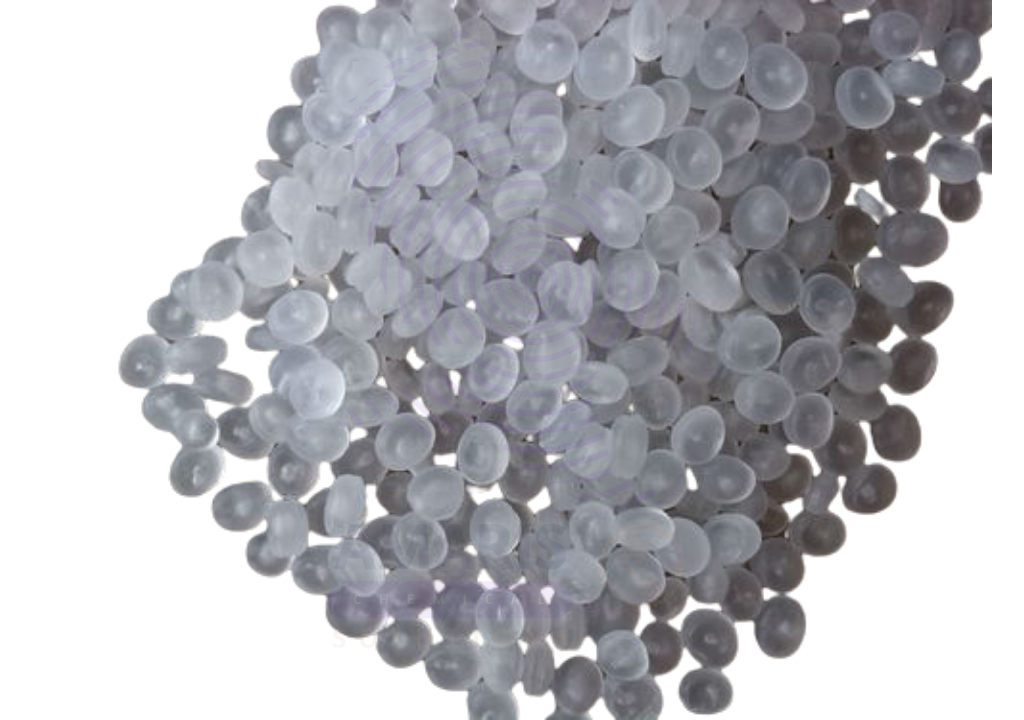


PP Raffia RH03( Wooven)
PP Raffia RH03( Wooven) is a woven polypropylene fabric made from homopolymer polypropylene resin, designed for high strength, durability, and excellent dimensional stability. It is widely used in the manufacturing of woven sacks, bags, and other flexible packaging solutions. The woven structure enhances tear resistance and load-bearing capacity, making it suitable for industrial and agricultural packaging applications.
PP Raffia RH03( Wooven)
Primary Uses
- Packaging Industry
- Manufacturing of woven sacks and bags for bulk packaging of grains, fertilizers, chemicals, cement, and other commodities.
- Used for heavy-duty packaging applications requiring high tensile strength and durability.
- Agriculture
- Utilized in woven tarpaulins, ground covers, and soil stabilization fabrics.
- Employed in protective covers for crops and produce transport sacks.
- Construction
- Applied in geotextiles for erosion control, soil reinforcement, and drainage.
- Used in packaging of construction materials.
- Consumer Goods
- Production of reusable shopping bags and utility bags.
Secondary Uses
- Industrial Applications
- Used in filtration fabrics, industrial wrapping, and protective covers.
- Applied in cargo netting and load securing materials.
- Textile Industry
- Incorporated in manufacturing woven or laminated fabrics for household and industrial use.
- Transportation
- Used for protective packaging and tarpaulin covers.
1. Basic Identification Attributes
- Chemical Name (IUPAC): Polypropylene homopolymer
- Common/Trade Name: PP Raffia RH03 (Woven)
- CAS Number: 9003-07-0
- HS Code: 3921.90 (Woven fabrics of plastics)
- Synonyms: Polypropylene woven raffia fabric; PP woven sacks material
2. Physical & Chemical Properties
- Physical State: Woven fabric (sheet form)
- Color & Odor: Natural or white; odorless
- Melting Point: Approximately 165–170°C
- Density: ~0.9 g/cm³
- Mechanical Properties: High tensile strength, excellent tear resistance
- Chemical Resistance: Resistant to acids, bases, and most solvents
3. Safety & Hazard Attributes
- GHS Classification: Not hazardous
- Toxicity: Non-toxic, inert polymer
- Exposure Limits: No specific limits; follow good industrial hygiene
4. Storage & Handling Attributes
- Storage Conditions: Store in a dry, cool, well-ventilated area away from direct sunlight
- Container Type: Rolls, bundles, or sheets
- Shelf Life: 1–3 years depending on storage conditions
- Handling Precautions: Avoid sharp objects that may damage fabric; use gloves when handling
5. Regulatory & Compliance Attributes
- Complies with applicable FDA and EU regulations for food contact (if applicable)
- Meets ASTM and ISO standards for polypropylene woven fabrics
6. Environmental & Health Impact
- Biodegradability: Non-biodegradable; recyclable
- Ecotoxicity: Low environmental impact if managed properly
- Bioaccumulation: Not significant
Safety Handling Precautions
- PPE Required: Gloves recommended to avoid cuts during handling
- Handling Guidelines: Avoid contact with sharp tools; handle rolls carefully
- Storage Measures: Store away from heat sources and moisture
First Aid Measures
- Inhalation: Not typically a concern; move to fresh air if irritation occurs from dust or fibers
- Skin Contact: Wash with soap and water if irritation or cuts occur
- Eye Contact: Rinse thoroughly if fibers or dust enter eyes
- Ingestion: Unlikely route; seek medical advice if accidental ingestion occurs
Firefighting Measures
- Fire Hazards: Combustible; burns producing dense smoke and toxic fumes
- Extinguishing Media: Water spray, foam, dry chemical, or CO₂
- Special Precautions: Use self-contained breathing apparatus in confined spaces
- Hazardous Combustion Products: Carbon oxides, hydrocarbons
Related products
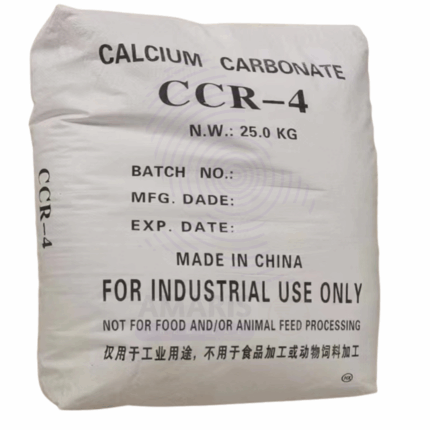
Calcium Carbonate Filler
Calcium Carbonate Filler is a high-quality, uncoated ground calcium carbonate (GCC) specially engineered for use as a filler in polyethylene (PE) and other polyolefin resins. This grade of calcium carbonate is designed to enhance the physical and mechanical properties of plastics while providing cost-effective bulk and improved processing. It is a fine, white, odorless powder with excellent brightness, high purity, and uniform particle size distribution. Its use improves stiffness, impact resistance, dimensional stability, and surface finish in polyethylene applications such as films, sheets, pipes, and molded parts.
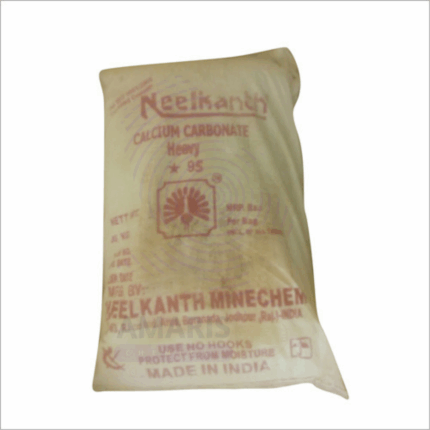
Calcium Carbonate Heavy
Calcium Carbonate Heavy is a high-density, finely ground, natural mineral primarily composed of calcium carbonate (CaCO₃). Known for its higher bulk density compared to regular grades, this filler is widely used in applications requiring enhanced weight, opacity, and strength. It is commonly employed as a functional filler and extender in industries such as plastics, paints, coatings, adhesives, rubber, paper, and construction materials. Its inert nature, whiteness, and particle size distribution make it suitable for improving mechanical properties and surface finish, while also offering cost efficiency by replacing more expensive raw materials.
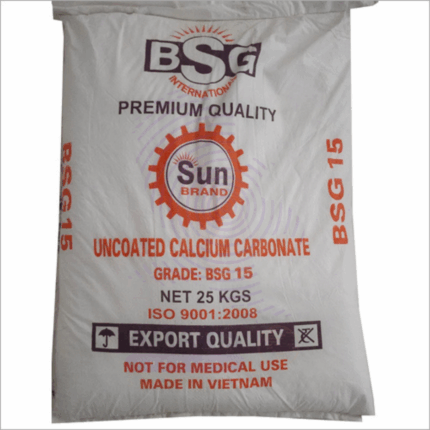
Calcium Carbonate Uncoated
Calcium Carbonate Uncoated is a naturally occurring mineral compound composed primarily of calcium, carbon, and oxygen with the chemical formula CaCO₃. It appears as a fine white powder or granules, widely used as a filler, pigment, and functional additive across various industries. The uncoated form means the calcium carbonate particles are not surface-treated, retaining their natural properties. It is valued for its high brightness, whiteness, and excellent compressibility. Uncoated calcium carbonate is used to enhance opacity, improve processing, and reduce costs in plastics, paints, coatings, adhesives, rubber, paper, and construction materials.
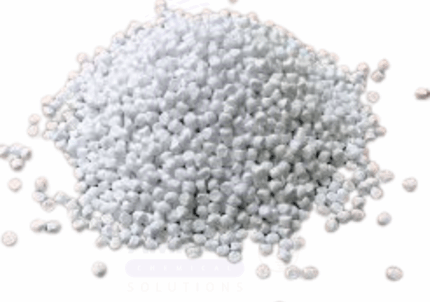
Filler WTD
Filler WTD is a versatile, finely processed powdered filler primarily used in a wide range of industrial applications including paints, coatings, plastics, adhesives, sealants, rubber compounds, and construction materials. It is engineered to improve product performance by enhancing mechanical properties, increasing volume, reducing cost, and improving processing characteristics. Filler WTD typically exhibits excellent dispersibility, consistent particle size distribution, and good compatibility with various resin systems and binders. Its primary role is to act as an inert extender or reinforcing agent, providing bulk and stability while maintaining or enhancing the physical and chemical properties of the final formulation.
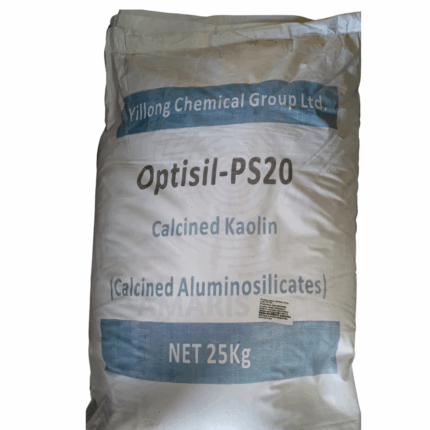
Kaolin
Kaolin is a naturally occurring, fine white clay mineral primarily composed of kaolinite. It features a soft, powdery texture and excellent absorbency. Kaolin is widely used across ceramics, paper, rubber, paint, and cosmetics industries due to its chemical inertness, whiteness, and plasticity. It acts as a filler, coating agent, and extender to enhance product quality and performance.
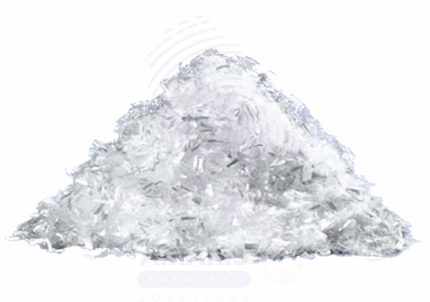
Master Fibre
Master Fibre is a high-quality synthetic fiber additive designed to reinforce concrete and mortar mixtures. It improves structural integrity by enhancing tensile strength, reducing cracking, and increasing durability. The fibers disperse uniformly within the mix, providing better load distribution and impact resistance in industrial, commercial, and residential construction applications. Master Fibre enhances performance without compromising workability, making it ideal for use in concrete slabs, pavements, beams, and repair mortars.
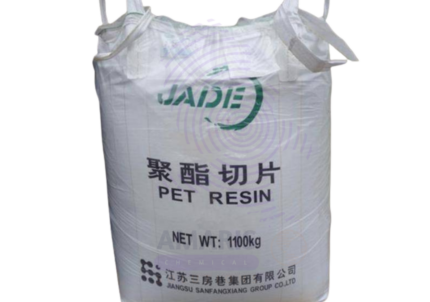
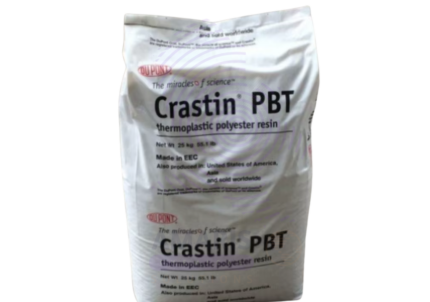
PET Resin (Polyethylene Terephthalate)
PET Resin (Polyethylene Terephthalate) is a thermoplastic polymer resin of the polyester family, produced primarily from purified terephthalic acid (PTA) and monoethylene glycol (MEG). It exists in two main forms: amorphous (transparent) and semi-crystalline (opaque). In its technical/industrial grade, it is a clear, strong, and lightweight plastic material renowned for its excellent barrier properties against moisture and gases, high impact strength, and chemical resistance. It is a key raw material for manufacturing rigid containers and packaging but is not typically used for high-heat applications (like ovenware) or high-purity pharmaceutical uses in this grade. It is 100% recyclable (#1 plastic).
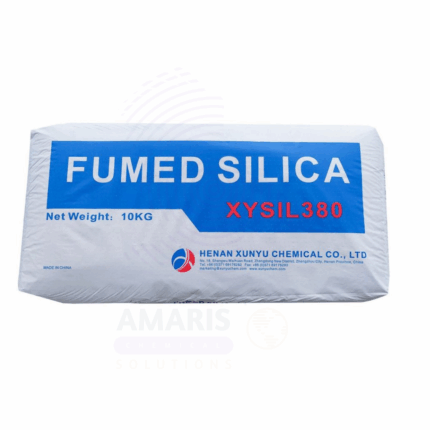
Xysil Fumed Silica
Xysil Fumed Silica is a high-purity fumed silica produced through flame hydrolysis of silicon tetrachloride. It is an ultra-fine, amorphous, white powder with a very high surface area and low bulk density. Xysil 200 is widely used as a reinforcing filler, thickening agent, anti-caking agent, and rheology modifier in various industrial applications. Its unique physical properties improve the mechanical strength, viscosity, and stability of formulated products.












