

 Preservatives(food)
 Flavors
 Acidulants
 Sweeteners
 Antioxidants
 Colorants(food)
 Nutraceutical Ingredients (food)
 Nutrient Supplements
 Emulsifiers
 Collectors
 Dust Suppressants
 Explosives and Blasting Agents
 Flocculants and Coagulants
 Frothers
 Leaching Agents
 pH Modifiers
 Precious Metal Extraction Agents
 Antioxidants(plastic)
 Colorants (Pigments, Dyes)
 Fillers and Reinforcements
 Flame Retardants
 Monomers
 Plasticizers
 Polymerization Initiators
 Stabilizers (UV, Heat)
 Antifoaming Agents
 Chelating Agents
 Coagulants and Flocculants
 Corrosion Inhibitors
 Disinfectants and Biocides
 Oxidizing Agents
 pH Adjusters
 Scale Inhibitors( water)
 Antioxidants(cosmetic)
 Emollients
 Oils
Oils Carrier Oills
 Essential Oils
 Humectants
 Preservatives
 Surfactants(cosmetic)
 Thickeners
 UV Filters
 Fertilizers
 Soil Conditioners
 Plant Growth Regulators
 Animal Feed Additives
 Biostimulants
 Pesticides (Herbicides, Insecticides, Fungicides)
 Active Pharmaceutical Ingredients (APIs)
 Excipients
 Solvents(pharmaceutical)
 Antibiotics
 Antiseptics and Disinfectants
 Vaccine Adjuvants
 Nutraceutical Ingredients (pharmaceutical)
 Analgesics & Antipyretics
 Analytical Reagents
 Solvents(lab)
 Chromatography Chemicals
 Spectroscopy Reagents
 microbiology-and-cell-culture-reagents
 Molecular Biology Reagents
 Biochemical Reagents
 Inorganic and Organic Standards
 Laboratory Safety Chemicals
 Specialty Laboratory Chemicals(Special Laboratory Equipment)
 Demulsifiers
 Hydraulic Fracturing Fluids
 Scale Inhibitors(oil)
 Surfactants(oil)
 Drilling Fluids
 Dyes and Pigments
 Bleaching Agents
 Softening Agents
 Finishing Agents
 Antistatic Agents
 Admixtures
 Waterproofing Agents
 Sealants and Adhesives
 Curing Compounds
 Concrete Repair Chemicals
 Anti-Corrosion Coatings
 Surfactants(cleaning)
 Builders
 Enzymes
 Solvents (Cleaning)
 Fragrances (Cleaning)
 Electronic Chemicals
 Catalysts
 Lubricants
 Photographic Chemicals
 Refrigerants
 Automotive chemicals
 Pyrotechnic Chemicals
 Biodegradable Surfactants
 Bio-based Solvents
 Renewable Polymers
 Carbon Capture Chemicals
 Wastewater Treatment Chemicals
 Pigments
 Solvents(paint)
 Specialty Coatings
 Binders/Resins
 Additives
 Driers
 Anti-Corrosion Agents
 Functional Coatings
 Application-Specific Coatings
 Leavening Agents
 Dough Conditioners
 Flour Treatments
 Fat Replacers
 Decoratives
 Preservatives(baking)
 Plasticizers & Softeners
 Reinforcing Agents
 Adhesion Promoters
 Vulcanizing Agents
 Antidegradants
 Blowing Agents
 Fillers & Extenders
 Accelerators & Retarders

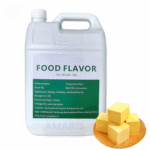

Sucrose
Sucrose, commonly known as table sugar, is a natural disaccharide composed of glucose and fructose. It is a widely used sweetening agent in food and beverages, known for its clean, sweet taste and excellent solubility in water. Supplied in 25kg bags, sucrose serves as a key ingredient in cooking, baking, and industrial applications. It also functions as a preservative, texture enhancer, and fermentation substrate in various industries.
Sucrose
Primary Uses
- Food & Beverage Industry
- Sweetening Agent: Used extensively in confectionery, bakery products, beverages, dairy, and processed foods to impart sweetness and improve flavor.
- Preservative: Acts as a natural preservative in jams, jellies, and syrups by reducing water activity.
- Fermentation Substrate: Provides fermentable sugar in brewing, distilling, and bioethanol production.
- Texture & Bulk Enhancer: Adds body, texture, and mouthfeel in baked goods, chocolates, and sauces.
- Pharmaceutical Industry
- Excipient: Used as a filler and sweetener in tablets, syrups, and chewable medications to mask bitterness.
- Oral Care Products: Incorporated in cough syrups and lozenges.
Secondary Uses
- Cosmetics & Personal Care
- Exfoliant: Used as a natural scrub in skin care products.
- Humectant: Helps retain moisture in lotions and creams.
- Industrial Applications
- Fermentation Industry: Raw material for microbial fermentation producing organic acids, enzymes, and other biochemicals.
- Food Packaging: Used in edible coatings and films.
- Animal Feed
- Energy Source: Added as a carbohydrate source in animal feed formulations.
1. Basic Identification Attributes
- Chemical Name (IUPAC): β-D-Fructofuranosyl α-D-glucopyranoside
- Common/Trade Name: Sucrose
- CAS Number: 57-50-1
- HS Code: 1701.99.00
- Synonyms: Table sugar, Cane sugar, Beet sugar
2. Physical & Chemical Properties
- Physical State: White crystalline granules
- Color & Odor: White; odorless
- Melting Point: 186 °C (decomposes)
- Solubility: Highly soluble in water; insoluble in ethanol
- Density: Approx. 1.59 g/cm³
3. Safety & Hazard Attributes
- GHS Classification: Not classified as hazardous
- Toxicity: Non-toxic; safe under normal handling and consumption
- Exposure Limits: No established occupational limits
4. Storage & Handling Attributes
- Storage Conditions: Store in cool, dry, well-ventilated area, away from moisture and contaminants
- Container Type: 25kg bags, typically food-grade kraft paper or polypropylene
- Shelf Life: 24 months under proper storage conditions
- Handling Precautions: Avoid moisture exposure to prevent clumping; use dust control measures
5. Regulatory & Compliance Attributes
- Complies with FDA, EFSA, and international food safety standards
- Produced according to Good Manufacturing Practices (GMP)
- Meets ISO 9001 quality management standards
- Suitable for use in food, beverage, pharmaceutical, and cosmetic applications
6. Environmental & Health Impact
- Biodegradability: Readily biodegradable
- Ecotoxicity: Low environmental impact; natural substance
- Bioaccumulation: Not significant
Safety Handling Precautions
- PPE Required: Gloves and dust mask recommended if dusty
- Handling Guidelines: Use adequate ventilation to minimize dust exposure
- Storage Measures: Keep containers sealed and dry
First Aid Measures
- Inhalation: Move to fresh air if respiratory irritation occurs
- Skin Contact: Wash with water if irritation develops
- Eye Contact: Flush with water for 15 minutes; seek medical attention if irritation persists
- Ingestion: Non-toxic; no special treatment required
Firefighting Measures
- Fire Hazards: Combustible dust may pose explosion hazard in confined spaces
- Extinguishing Media: Use water spray, foam, dry chemical, or CO₂ extinguishers
- Hazardous Combustion Products: Carbon monoxide and carbon dioxide
Related products
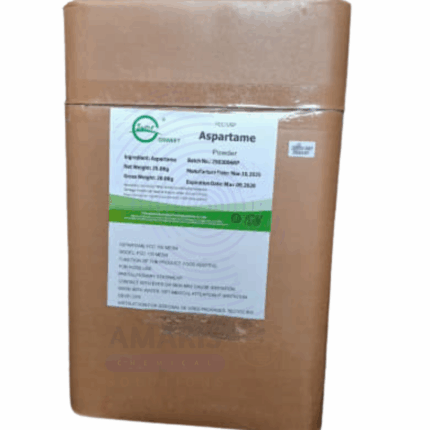
Aspartame
Aspartame is a low-calorie artificial sweetener approximately 200 times sweeter than sucrose (table sugar). It is a methyl ester of the dipeptide composed of aspartic acid and phenylalanine. Due to its intense sweetness and low-calorie nature, aspartame is widely used as a sugar substitute in various food and beverage products. It is popular among consumers seeking to reduce caloric intake, especially diabetics and those on weight management programs. Aspartame breaks down at high temperatures, limiting its use in certain cooking or baking applications. It is approved by numerous global food safety authorities, including the FDA and EFSA.
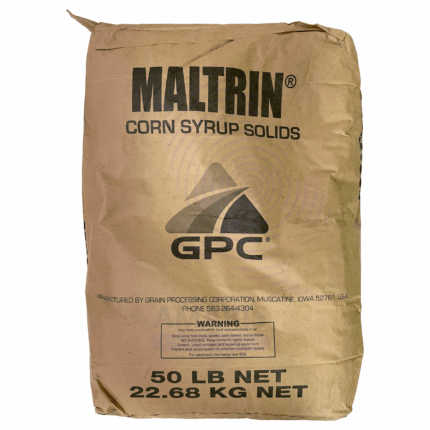
Corn Syrup
Corn Syrup is a viscous, sweet liquid derived from the enzymatic hydrolysis of corn starch. It consists primarily of glucose and maltose along with higher saccharides, providing sweetness, viscosity, and moisture retention in food formulations. Corn Syrup is widely used in food and beverage industries as a sweetener, humectant, and texture enhancer. Its ability to prevent crystallization and retain moisture makes it essential in confectionery, baking, and processed foods. Industrial grades of corn syrup are also used in pharmaceuticals and other manufacturing applications where its binding and stabilizing properties are valued.
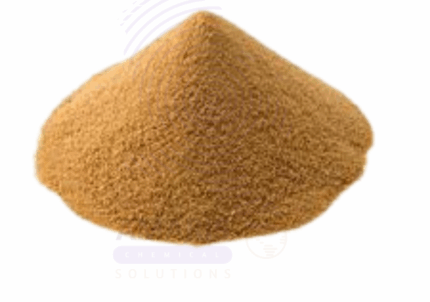
Malt Extract
Malt Extract is a concentrated syrup or powder derived from malted barley or other cereal grains through enzymatic extraction. It is produced by steeping, germinating, and drying grains, then mashing and concentrating the liquid extract. Rich in sugars (mainly maltose), amino acids, vitamins (notably B-complex), and minerals, malt extract is valued for its natural sweetness, nutritional content, and fermentable properties. Available in liquid (syrup) or dry (powdered) forms, it is widely used in the food, beverage, pharmaceutical, and animal nutrition industries.

Maltitol Powder
Maltitol Powder is a white, crystalline polyol (sugar alcohol) derived from hydrogenated maltose obtained from starch sources like corn or wheat. It is a low-calorie, high-sweetness sugar substitute with about 90% the sweetness of sucrose but significantly fewer calories (approximately 2.1 kcal/g vs. 4 kcal/g for sugar). It has excellent solubility, low hygroscopicity, and provides a clean, sweet taste without an aftertaste. Maltitol Powder is widely used in food, pharmaceutical, and nutraceutical applications for its sugar-like properties, making it suitable for diabetic, low-carb, and dental-friendly formulations.
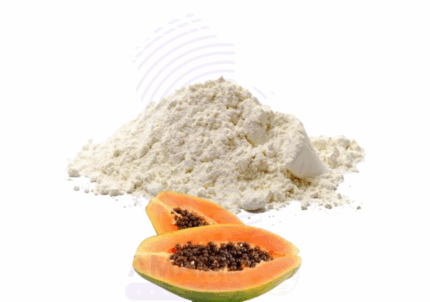
papain
Papain is a proteolytic enzyme extracted from the latex of the papaya fruit (Carica papaya). It breaks down proteins into peptides and amino acids, making it widely used in various industries. Papain has excellent catalytic activity and works effectively across a broad pH range, especially in neutral to slightly alkaline conditions. It is valued for its meat tenderizing, digestive aid, and therapeutic properties.

Sorbitol
Sorbitol is a sugar alcohol with the chemical formula C₆H₁₄O₆, appearing as a white, crystalline, hygroscopic powder or syrup. It is widely used as a sweetener, humectant, and texturizing agent in food, pharmaceutical, and cosmetic industries. This 25kg packaged product offers high purity sorbitol, soluble in water with a mildly sweet taste and low caloric value, making it a popular sugar substitute and stabilizer.

Sucralose
Sucralose is a high-intensity, zero-calorie artificial sweetener derived from sucrose through selective chlorination. It is approximately 600 times sweeter than sugar, making it an effective sugar substitute in a wide range of food and beverage applications. Sucralose is stable under heat and across a broad pH range, suitable for cooking, baking, and long shelf-life products. It delivers sweetness without calories or glycemic impact, favored in health-conscious and diabetic-friendly formulations.

Sugar Slurry
Sugar Slurry is a concentrated aqueous solution of sucrose, prepared by dissolving refined sugar in water to create a viscous, pumpable syrup. It is used extensively in food, beverage, and industrial applications where liquid sweeteners are preferred over granulated sugar for ease of mixing, consistency, and handling. Sugar slurry ensures uniform sweetness and rapid dissolution in various processes and formulations.












