

 Preservatives(food)
 Flavors
 Acidulants
 Sweeteners
 Antioxidants
 Colorants(food)
 Nutraceutical Ingredients (food)
 Nutrient Supplements
 Emulsifiers
 Collectors
 Dust Suppressants
 Explosives and Blasting Agents
 Flocculants and Coagulants
 Frothers
 Leaching Agents
 pH Modifiers
 Precious Metal Extraction Agents
 Antioxidants(plastic)
 Colorants (Pigments, Dyes)
 Fillers and Reinforcements
 Flame Retardants
 Monomers
 Plasticizers
 Polymerization Initiators
 Stabilizers (UV, Heat)
 Antifoaming Agents
 Chelating Agents
 Coagulants and Flocculants
 Corrosion Inhibitors
 Disinfectants and Biocides
 Oxidizing Agents
 pH Adjusters
 Scale Inhibitors( water)
 Antioxidants(cosmetic)
 Emollients
 Oils
Oils Carrier Oills
 Essential Oils
 Humectants
 Preservatives
 Surfactants(cosmetic)
 Thickeners
 UV Filters
 Fertilizers
 Soil Conditioners
 Plant Growth Regulators
 Animal Feed Additives
 Biostimulants
 Pesticides (Herbicides, Insecticides, Fungicides)
 Active Pharmaceutical Ingredients (APIs)
 Excipients
 Solvents(pharmaceutical)
 Antibiotics
 Antiseptics and Disinfectants
 Vaccine Adjuvants
 Nutraceutical Ingredients (pharmaceutical)
 Analgesics & Antipyretics
 Analytical Reagents
 Solvents(lab)
 Chromatography Chemicals
 Spectroscopy Reagents
 microbiology-and-cell-culture-reagents
 Molecular Biology Reagents
 Biochemical Reagents
 Inorganic and Organic Standards
 Laboratory Safety Chemicals
 Specialty Laboratory Chemicals(Special Laboratory Equipment)
 Demulsifiers
 Hydraulic Fracturing Fluids
 Scale Inhibitors(oil)
 Surfactants(oil)
 Drilling Fluids
 Dyes and Pigments
 Bleaching Agents
 Softening Agents
 Finishing Agents
 Antistatic Agents
 Admixtures
 Waterproofing Agents
 Sealants and Adhesives
 Curing Compounds
 Concrete Repair Chemicals
 Anti-Corrosion Coatings
 Surfactants(cleaning)
 Builders
 Enzymes
 Solvents (Cleaning)
 Fragrances (Cleaning)
 Electronic Chemicals
 Catalysts
 Lubricants
 Photographic Chemicals
 Refrigerants
 Automotive chemicals
 Pyrotechnic Chemicals
 Biodegradable Surfactants
 Bio-based Solvents
 Renewable Polymers
 Carbon Capture Chemicals
 Wastewater Treatment Chemicals
 Pigments
 Solvents(paint)
 Specialty Coatings
 Binders/Resins
 Additives
 Driers
 Anti-Corrosion Agents
 Functional Coatings
 Application-Specific Coatings
 Leavening Agents
 Dough Conditioners
 Flour Treatments
 Fat Replacers
 Decoratives
 Preservatives(baking)
 Plasticizers & Softeners
 Reinforcing Agents
 Adhesion Promoters
 Vulcanizing Agents
 Antidegradants
 Blowing Agents
 Fillers & Extenders
 Accelerators & Retarders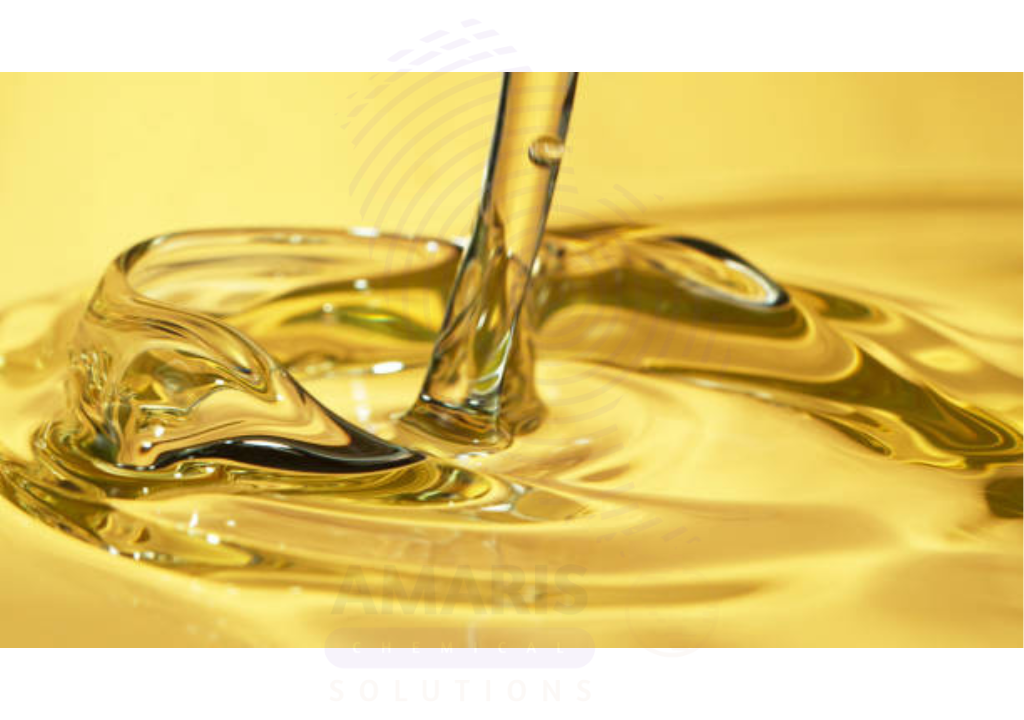


Medium Oil (45/55)
Medium Oil (45/55) is a petroleum-derived mineral oil that falls within the mid-range viscosity category, typically comprising a blend of 45% light and 55% heavy paraffinic fractions. Known for its excellent solvency, thermal stability, and lubrication properties, Medium Oil is widely used in rubber processing, industrial applications, and chemical blending. It appears as a clear to pale amber liquid with a neutral odor, and it demonstrates good compatibility with various elastomers and polymers. This oil enhances the flexibility, softness, and processing efficiency of rubber compounds while maintaining stability under heat and mechanical stress.
Supplied in 180 kg industrial-grade drums, Medium Oil (45/55) is ideal for large-scale use in manufacturing and processing environments.
Medium Oil (45/55)
Primary Uses
- Rubber Processing & Plastics
- Used as a plasticizer and softening agent in SBR, EPDM, and natural rubber compounds.
- Enhances the elasticity and flow properties of molded and extruded rubber products.
- Applied in tire and tube manufacturing to improve processability and filler dispersion.
- Used in thermoplastic elastomers (TPE) to enhance flexibility and reduce hardness.
- Functions as a carrier oil for rubber chemicals and curatives.
- Industrial Lubrication & Manufacturing
- Employed as a base oil in industrial lubricants and metalworking fluids.
- Used as a mold release agent in foundry and plastic molding applications.
- Acts as a processing oil in adhesives, sealants, and caulking compounds.
- Applied in textile lubricants for fiber processing and spinning.
- Used in cable compounds and wire insulation manufacturing.
Secondary Uses
- Construction and Building Materials
- Incorporated in bitumen-based waterproofing and damp-proofing systems.
- Used in sealants and mastics for road construction and industrial flooring.
- Enhances workability of concrete additives and curing compounds.
- Other Industrial Applications
- Serves as a carrier for defoamers and emulsifiers in specialty chemical formulations.
- Used in printing inks, coatings, and synthetic waxes.
- Acts as a diluent and blending component in various solvent-based products.
1. Basic Identification Attributes
-
Chemical Type: Medium Oil Alkyd Resin
-
Common/Trade Name: Medium Oil (45/55) Alkyd
-
Composition: 45% Phthalic Anhydride, 55% Fatty Acids
-
CAS Number: 63148-69-6
-
HS Code: 3907.99
-
Synonyms: Medium Oil Alkyd Resin, Universal Alkyd Resin
2. Physical & Chemical Properties
-
Physical State: Viscous liquid
-
Color & Odor: Amber colored; characteristic resinous odor
-
Solubility: Soluble in mineral spirits, aromatic solvents
-
Viscosity: 8,000-15,000 mPa·s at 25°C
-
Main Components: Modified polyester resin, vegetable oil derivatives
3. Safety & Hazard Attributes
-
GHS Classification: Flammable liquid; may cause skin and eye irritation
-
Toxicity: Low acute toxicity; contains organic solvents
-
Exposure Limits: Follow solvent exposure limits for hydrocarbon mixtures
4. Storage & Handling Attributes
-
Storage Conditions: Store in cool, well-ventilated area away from heat sources
-
Container Type: 180 kg steel drums
-
Shelf Life: 24 months in sealed containers
-
Handling Precautions: Use proper grounding; avoid contact with strong oxidizers
5. Regulatory & Compliance Attributes
-
Complies with industry standards for alkyd resin specifications
-
Meets relevant safety standards for solvent-based products
-
Suitable for industrial coating formulations
6. Environmental & Health Impact
-
Biodegradability: Slow biodegradation
-
Ecotoxicity: Moderate impact due to solvent content
-
Bioaccumulation: Not expected for resin component
Safety Handling Precautions
-
PPE Required: Chemical-resistant gloves, safety glasses, organic vapor respirator
-
Handling Guidelines: Use in well-ventilated areas; avoid skin contact and breathing vapors
First Aid Measures
-
Inhalation: Move to fresh air; seek medical attention if symptoms persist
-
Skin Contact: Wash thoroughly with soap and water; remove contaminated clothing
-
Eye Contact: Rinse cautiously with water for several minutes; seek medical attention
-
Ingestion: Do not induce vomiting; seek immediate medical care
Firefighting Measures
-
Fire Hazards: Combustible liquid; vapors may explode if ignited
-
Extinguishing Media: Foam, CO₂, dry chemical powder
-
Special Precautions: Use water spray to cool exposed containers
Related products
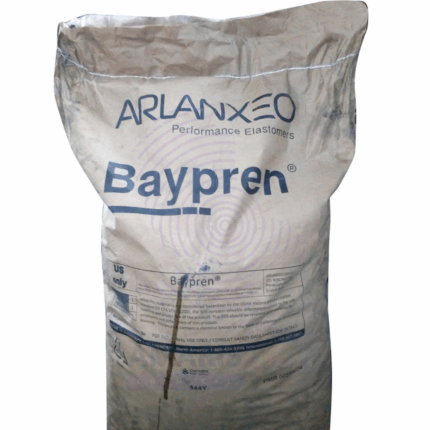
Bayprene
Bayprene is a high-quality, synthetic rubber polymer belonging to the class of nitrile butadiene rubbers (NBR). It is widely used for its excellent resistance to oils, fuels, chemicals, and abrasion, making it ideal for sealing, gasketing, hoses, and industrial applications where durability and chemical resistance are required. Bayprene exhibits good mechanical properties, high tensile strength, and resistance to swelling and degradation, especially in petroleum-based environments. It is commonly supplied as solid rubber sheets, molded parts, or raw polymer for compounding.
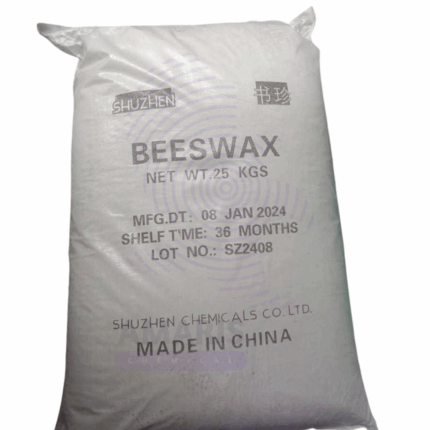
Beeswax
Beeswax is a natural wax produced by honeybees of the genus Apis. It is secreted by worker bees from specialized glands and used to build honeycomb cells. Beeswax is a complex mixture of esters, fatty acids, and hydrocarbons, characterized by a pale yellow to brown color, a pleasant honey-like aroma, and a firm yet pliable texture. It has excellent emulsifying, binding, and protective properties, making it widely used in cosmetics, pharmaceuticals, food, and industrial applications. Beeswax is prized for its natural origin, biodegradability, and skin-friendly characteristics.
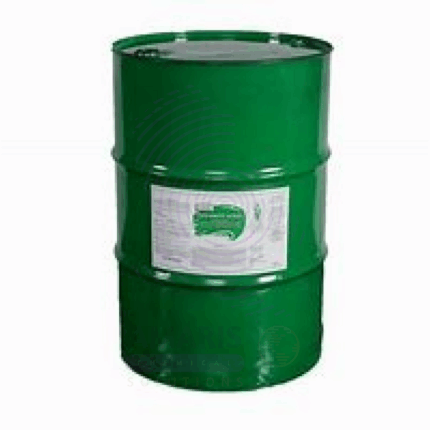
Clear Emulsion
Clear Emulsion is a transparent or translucent mixture of two immiscible liquids—typically oil and water—stabilized by emulsifying agents to form a stable, homogenous system. This product is widely used in cosmetics and personal care, pharmaceuticals, and specialty industrial applications due to its lightweight texture, ease of absorption, and aesthetic appeal. Clear emulsions offer a visually appealing, non-greasy feel with the advantages of both oil and water phases, delivering moisturizing, protective, and active ingredient-carrying benefits. Their clarity distinguishes them from traditional creamy emulsions, making them popular in modern skincare and cosmetic formulations.
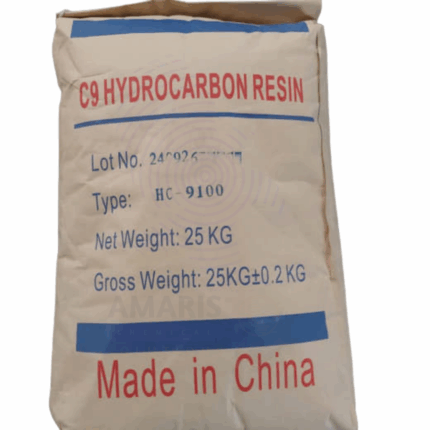
Hydrocarbon Resins
Hydrocarbon Resins C5 And C9 Petroleum Resins are synthetic petroleum-derived resins produced through the polymerization of C5 (pentene) and C9 (nonene) fraction monomers. These resins appear as pale yellow to amber solid materials, usually in pellet or flake form, characterized by tackifying and adhesive properties. C5 resins are derived from aliphatic hydrocarbons, while C9 resins originate from aromatic hydrocarbons. Often blended, these resins provide a balance of hardness, tackiness, and compatibility with various polymers. Widely used as tackifiers, binders, and modifiers, C5 & C9 hydrocarbon resins enhance performance in adhesives, coatings, rubber compounding, and more.
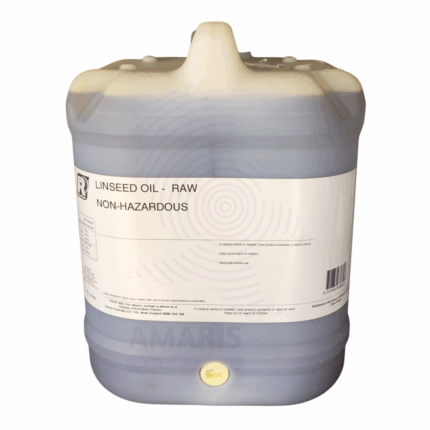
Linseed Oil Raw
Linseed Oil Raw is the unrefined, natural oil extracted from flax seeds through cold pressing or solvent extraction. It contains natural impurities such as gums, waxes, and free fatty acids, giving it a darker color and stronger odor compared to refined oils. Raw linseed oil is a drying oil known for its excellent film-forming and adhesive properties. It is widely used in traditional wood finishing, oil painting, and industrial applications where natural and slow-drying oil is preferred.
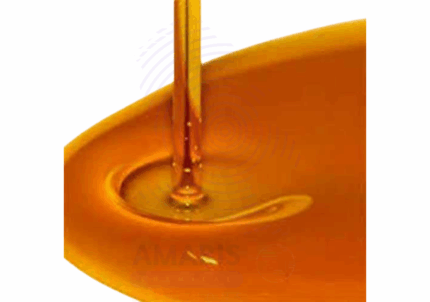
Long Oil
Long Oil refers to oils with a high content of unsaturated fatty acids, particularly linoleic and linolenic acids, commonly derived from drying oils such as linseed, soybean, or safflower oil. These oils have extended drying times and are used in various industrial applications where slow curing and flexible film formation are desired. Long oil is a key component in producing long oil alkyd resins, which are widely used in coatings, paints, varnishes, and printing inks due to their excellent adhesion, flexibility, and durability.
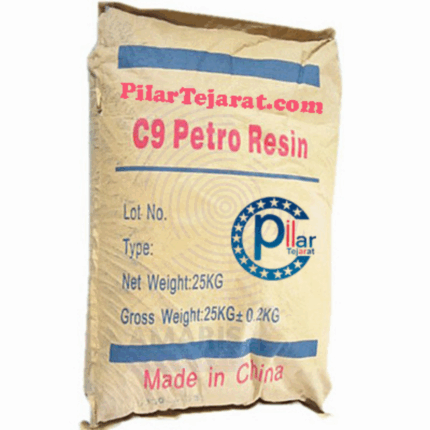
Petroleum Resin C9 Hydrocarbon
Petroleum Resin C9 Hydrocarbon is a thermoplastic hydrocarbon resin derived from the C9 fraction of petroleum cracking. It is a tackifying resin with excellent compatibility with various polymers, especially in adhesives, paints, rubber, and coatings industries. Known for its good color stability, fast curing, and strong adhesion properties, C9 Petroleum Resin enhances product performance in many industrial applications.
Short Oil Fast Drying (16/50) (SDA)
Short Oil Fast Drying (16/50) (SDA) Stand & Detail Alkyd (SDA) is a specially formulated alkyd resin designed for rapid drying and excellent film formation in coatings. It contains approximately 16% oil length, offering a balance between hardness and flexibility, and 50% solids content, which aids in build and coverage. This resin is widely used in industrial and decorative paints where quick drying and good adhesion are critical. Its fast curing properties make it ideal for applications requiring reduced downtime and enhanced productivity.












