

 Preservatives(food)
 Flavors
 Acidulants
 Sweeteners
 Antioxidants
 Colorants(food)
 Nutraceutical Ingredients (food)
 Nutrient Supplements
 Emulsifiers
 Collectors
 Dust Suppressants
 Explosives and Blasting Agents
 Flocculants and Coagulants
 Frothers
 Leaching Agents
 pH Modifiers
 Precious Metal Extraction Agents
 Antioxidants(plastic)
 Colorants (Pigments, Dyes)
 Fillers and Reinforcements
 Flame Retardants
 Monomers
 Plasticizers
 Polymerization Initiators
 Stabilizers (UV, Heat)
 Antifoaming Agents
 Chelating Agents
 Coagulants and Flocculants
 Corrosion Inhibitors
 Disinfectants and Biocides
 Oxidizing Agents
 pH Adjusters
 Scale Inhibitors( water)
 Antioxidants(cosmetic)
 Emollients
 Oils
Oils Carrier Oills
 Essential Oils
 Humectants
 Preservatives
 Surfactants(cosmetic)
 Thickeners
 UV Filters
 Fragrance (Cosmetics)
 Fertilizers
 Soil Conditioners
 Plant Growth Regulators
 Animal Feed Additives
 Biostimulants
 Pesticides (Herbicides, Insecticides, Fungicides)
 Active Pharmaceutical Ingredients (APIs)
 Excipients
 Solvents(pharmaceutical)
 Antibiotics
 Antiseptics and Disinfectants
 Vaccine Adjuvants
 Nutraceutical Ingredients (pharmaceutical)
 Analgesics & Antipyretics
 Analytical Reagents
 Solvents(lab)
 Chromatography Chemicals
 Spectroscopy Reagents
 microbiology-and-cell-culture-reagents
 Molecular Biology Reagents
 Biochemical Reagents
 Inorganic and Organic Standards
 Laboratory Safety Chemicals
 Specialty Laboratory Chemicals(Special Laboratory Equipment)
 Demulsifiers
 Hydraulic Fracturing Fluids
 Scale Inhibitors(oil)
 Surfactants(oil)
 Drilling Fluids
 Dyes and Pigments
 Bleaching Agents
 Softening Agents
 Finishing Agents
 Antistatic Agents
 Admixtures
 Waterproofing Agents
 Sealants and Adhesives
 Curing Compounds
 Concrete Repair Chemicals
 Anti-Corrosion Coatings
 Surfactants(cleaning)
 Builders
 Enzymes
 Solvents (Cleaning)
 Electronic Chemicals
 Catalysts
 Lubricants
 Photographic Chemicals
 Refrigerants
 Automotive chemicals
 Pyrotechnic Chemicals
 Biodegradable Surfactants
 Bio-based Solvents
 Renewable Polymers
 Carbon Capture Chemicals
 Wastewater Treatment Chemicals
 Pigments
 Solvents(paint)
 Specialty Coatings
 Binders/Resins
 Additives
 Driers
 Anti-Corrosion Agents
 Functional Coatings
 Application-Specific Coatings
 Leavening Agents
 Dough Conditioners
 Flour Treatments
 Fat Replacers
 Decoratives
 Preservatives(baking)
 Plasticizers & Softeners
 Reinforcing Agents
 Adhesion Promoters
 Vulcanizing Agents
 Antidegradants
 Blowing Agents
 Fillers & Extenders
 Accelerators & Retarders

Dibutyl Phthalate
Dibutyl Phthalate (DBP) is a colorless, oily liquid with a faint aromatic odor, belonging to the phthalate ester family. It is primarily used as a plasticizer to impart flexibility, durability, and softness to rigid polymers like polyvinyl chloride (PVC). DBP is valued for its excellent compatibility with polymers, good plasticizing efficiency, low volatility, and resistance to extraction by water and oils. Besides plastics, DBP is utilized in coatings, adhesives, printing inks, cosmetics, and other industrial applications. Its moderate cost and versatile performance make it a key chemical in various manufacturing sectors.
Dibutyl Phthalate
Primary Uses
- Plasticizer in Polymer Industry
- PVC and Vinyl Products: DBP is widely used to plasticize rigid PVC, making products flexible and durable. Applications include wires and cables, flooring, synthetic leather, inflatable products, and coated fabrics.
- Cellulose Esters: Used in cellulose acetate and cellulose nitrate plastics to improve flexibility and processability.
- Other Polymers: Applied in making flexible polymers for seals, gaskets, and hoses.
- Coatings and Inks
- Printing Inks: Serves as a plasticizer and solvent in nitrocellulose-based printing inks to enhance flexibility, adhesion, and gloss.
- Surface Coatings: Used in lacquers and varnishes to improve film flexibility, adhesion, and durability.
- Adhesives and Sealants
- Acts as a plasticizer in solvent-based adhesives, improving tackiness, flexibility, and longevity of bonds.
- Cosmetics and Personal Care Products
- Historically used in nail polishes and other cosmetic formulations to impart flexibility and durability. (Note: Use in cosmetics is regulated or banned in some regions due to health concerns.)
- Pharmaceutical Industry
- Employed as a plasticizer for film coatings of tablets and capsules to improve mechanical properties.
Secondary Uses
- Textile Industry
- Used as a softener and plasticizer for synthetic fibers and fabrics to improve feel and flexibility.
- Rubber Industry
- Acts as a processing aid and plasticizer in synthetic rubber formulations.
- Specialty Chemicals
- Utilized in manufacturing specialty phthalate derivatives and intermediates.
- Laboratory Use
- Sometimes used as a solvent or plasticizer in experimental polymer blends and formulations.
1. Basic Identification Attributes
- Chemical Name (IUPAC): Dibutyl benzene-1,2-dicarboxylate
- Common/Trade Name: Dibutyl Phthalate (DBP)
- CAS Number: 84-74-2
- HS Code: 2917.33.00
- Molecular Formula: C16H22O4
- Synonyms:
- DBP
- Di-n-butyl phthalate
- Phthalic acid dibutyl ester
- Di-n-butyl orthophthalate
2. Physical & Chemical Properties
- Physical State: Colorless oily liquid
- Odor: Mild aromatic
- Boiling Point: 340°C (644°F)
- Melting Point: −35°C
- Flash Point: 145°C (closed cup)
- Solubility: Insoluble in water; soluble in organic solvents like alcohols, ethers, and oils
- Density: 1.05 g/cm³ at 20°C
- Vapor Pressure: Low volatility (~4.3 x 10⁻⁵ mmHg at 25°C)
3. Safety & Hazard Attributes
- Hazard Class (GHS): Reproductive toxicity category 1B; flammable liquid category 4
- Toxicity: Suspected endocrine disruptor; potential reproductive toxicant (regulated in many jurisdictions)
- Flammability: Combustible liquid with high flash point
- Exposure Limits: OSHA PEL and ACGIH TLV vary; generally limited due to reproductive health concerns
4. Storage & Handling Attributes
- Storage Conditions: Store in tightly sealed containers, away from heat, sparks, and oxidizing agents
- Container Type: Steel drums or chemical-grade HDPE containers
- Shelf Life: Stable for several years under proper storage
- Handling Precautions: Use PPE; avoid inhalation and prolonged skin contact
5. Regulatory & Compliance Attributes
- Regulatory Status: Restricted or banned in cosmetics in EU, USA, and other regions due to reproductive toxicity concerns
- Transportation: Classified as hazardous for transport; follow flammable liquid regulations
- Environmental Compliance: Subject to environmental release controls; monitored for aquatic toxicity
6. Environmental & Health Impact
- Biodegradability: Moderately biodegradable under aerobic conditions
- Ecotoxicity: Toxic to aquatic organisms; avoid environmental release
- Bioaccumulation: Potential to bioaccumulate in aquatic species
- Carcinogenicity/Mutagenicity: Not classified as carcinogenic; reproductive toxicity is primary concern
Safety Handling Precautions
- PPE Required:
- Chemical-resistant gloves
- Safety goggles or face shield
- Protective clothing
- Use adequate ventilation or respiratory protection if needed
- Handling Guidelines:
- Avoid inhalation of vapors and skin contact
- Prevent environmental release
- Follow strict hygiene practices after handling
- Storage Measures:
- Keep containers tightly closed and in cool, dry, ventilated area
- Separate from oxidizers and strong acids
First Aid Measures
- Inhalation: Move to fresh air; seek medical attention if symptoms persist
- Skin Contact: Wash skin thoroughly with soap and water; seek medical advice if irritation occurs
- Eye Contact: Rinse immediately with plenty of water for at least 15 minutes; get medical help if irritation persists
- Ingestion: Do not induce vomiting; rinse mouth; seek immediate medical attention
Firefighting Measures
- Fire Hazards: Combustible liquid; moderate fire risk
- Extinguishing Media: Foam, dry chemical powder, carbon dioxide (CO₂)
- Special Precautions: Use self-contained breathing apparatus (SCBA) and protective clothing
- Decomposition Products: Carbon monoxide, carbon dioxide, phthalic anhydride, and other toxic fumes
Related products
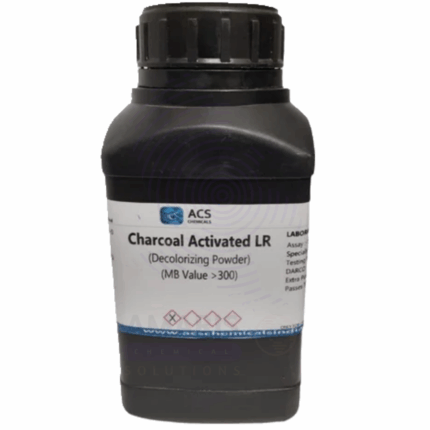
Charcoal Decolourising Powder Extra Pure
Charcoal Decolourising Powder Extra Pure is a high-grade activated carbon used in laboratory settings for purification and clarification processes. Its exceptional adsorptive properties make it ideal for removing color impurities, organic contaminants, and unwanted residues from chemical solutions, solvents, and extracts. This extra pure form is especially suited for sensitive analytical work, pharmaceutical preparations, and biochemical applications where high purity and minimal contamination are critical. It is commonly used in filtration experiments and in the refinement of reagents and compounds. The powder should be handled in a dry environment and stored in airtight containers to maintain its effectiveness.

Chlorinated Paraffin
Chlorinated paraffins are complex mixtures of polychlorinated n-alkanes produced by reacting chlorine gas with unbranched paraffin fractions derived from petroleum distillation. They appear as colorless or yellowish viscous liquids or solids depending on chain length and chlorine content. Chlorinated paraffins are classified based on carbon chain length into short-chain, medium-chain, and long-chain varieties. Technical grade chlorinated paraffins are manufactured for industrial applications including plasticizers, flame retardants, metalworking additives, and surface coatings. They exhibit excellent compatibility with polymers, high thermal stability, water resistance, and chemical resistance.
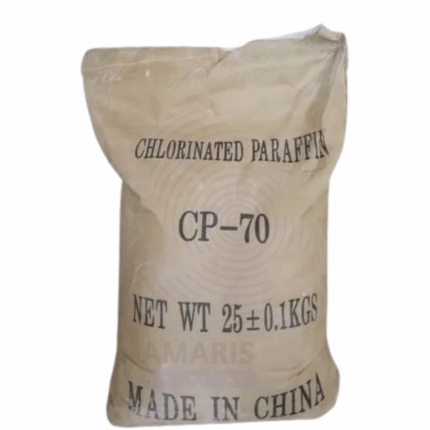
Chlorinated Paraffin Wax
Chlorinated Paraffin Wax is a synthetic chlorinated hydrocarbon obtained by the chlorination of paraffin wax. It typically appears as a waxy solid, ranging from light yellow to dark brown depending on the degree of chlorination and the chain length of the paraffins. CPW is valued for its excellent flame retardant, plasticizing, and extreme pressure (EP) additive properties. It is widely used in industrial applications including metalworking fluids, PVC formulations, rubber compounding, and flame retardant materials. CPW offers thermal stability, chemical resistance, and lubricating qualities, making it a versatile industrial additive.
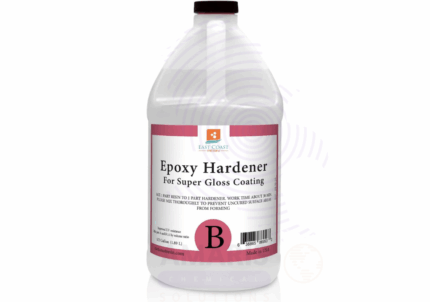
Craymide Epoxy Hardener
Craymide Epoxy Hardener is a high-performance epoxy hardener commonly used to cure epoxy resins. It is a polyamide-based curing agent that promotes excellent cross-linking with epoxy groups, resulting in coatings, adhesives, and composites with superior mechanical strength, chemical resistance, and durability. This hardener is widely used in industrial coatings, adhesives, and composite manufacturing due to its balanced curing profile and compatibility with a range of epoxy systems. Craymide 115 provides toughness and flexibility while maintaining strong adhesion to various substrates.

Diethyl Phthalate
Diethyl Phthalate is a high-purity, colorless, oily liquid with a faint, sweet aromatic odor. With a minimum of 99% active content, DEP 99% is a trusted solvent and plasticizer that offers excellent stability, low volatility, and high compatibility with a wide range of organic and polymeric materials. It is widely used in the cosmetic, pharmaceutical, plastics, coatings, and fragrance industries where purity is critical for both performance and safety. Its mild toxicological profile and solvency characteristics make it a versatile component in numerous sensitive and industrial applications.
Dioctyl Adipate (DOA)
Dioctyl Adipate (DOA) is a clear, colorless, oily liquid that acts as a highly efficient, cold-resistant plasticizer. It is an organic compound produced from the reaction of adipic acid with 2-ethylhexanol. DOA is known for imparting excellent low-temperature flexibility and good lubricity to polymer systems. It is insoluble in water but dissolves readily in organic solvents. Technical grade Dioctyl Adipate is manufactured for industrial applications including plastic and rubber processing, coatings, and lubricants.
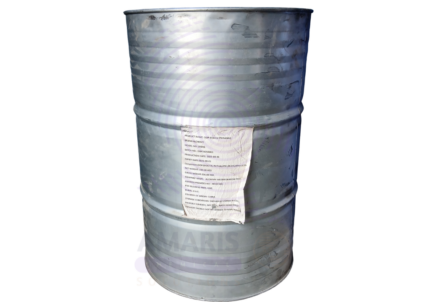
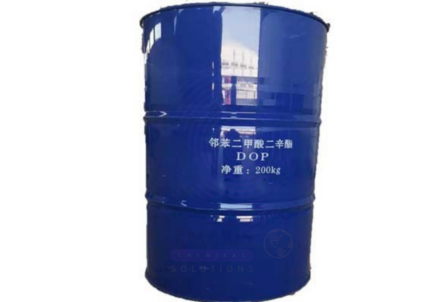
Dioctyl Phthalate
Dioctyl Phthalate (DOP), also known as di(2-ethylhexyl) phthalate (DEHP), is a widely used plasticizer primarily added to polyvinyl chloride (PVC) and other polymers to enhance flexibility, durability, and workability. It is a clear, colorless, oily liquid with a slight ester odor. Due to its excellent compatibility with many polymers and long-lasting plasticizing effects, DOP is one of the most common phthalate plasticizers used in industries such as construction, automotive, packaging, and medical devices. It also serves as a solvent and dispersant in various chemical processes.
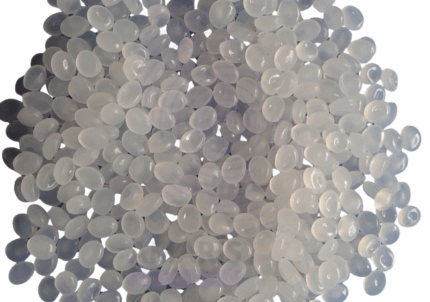
LLDPE Roto T3804U MFI/MFR
LLDPE Roto T3804U MFI/MFR is a linear low-density polyethylene resin designed specifically for rotational molding applications. It offers excellent melt flow characteristics (MFI/MFR) that facilitate even melting and smooth flow in the mold, producing parts with uniform thickness and good mechanical properties. This grade provides superior impact strength, flexibility, and chemical resistance, making it ideal for manufacturing large hollow items such as tanks, containers, and playground equipment. Its tailored flow properties enable high-quality surface finishes and improved production efficiency in roto molding processes.












