

 Preservatives(food)
 Flavors
 Acidulants
 Sweeteners
 Antioxidants
 Colorants(food)
 Nutraceutical Ingredients (food)
 Nutrient Supplements
 Emulsifiers
 Collectors
 Dust Suppressants
 Explosives and Blasting Agents
 Flocculants and Coagulants
 Frothers
 Leaching Agents
 pH Modifiers
 Precious Metal Extraction Agents
 Antioxidants(plastic)
 Colorants (Pigments, Dyes)
 Fillers and Reinforcements
 Flame Retardants
 Monomers
 Plasticizers
 Polymerization Initiators
 Stabilizers (UV, Heat)
 Antifoaming Agents
 Chelating Agents
 Coagulants and Flocculants
 Corrosion Inhibitors
 Disinfectants and Biocides
 Oxidizing Agents
 pH Adjusters
 Scale Inhibitors( water)
 Antioxidants(cosmetic)
 Emollients
 Oils
Oils Carrier Oills
 Essential Oils
 Humectants
 Preservatives
 Surfactants(cosmetic)
 Thickeners
 UV Filters
 Fertilizers
 Soil Conditioners
 Plant Growth Regulators
 Animal Feed Additives
 Biostimulants
 Pesticides (Herbicides, Insecticides, Fungicides)
 Active Pharmaceutical Ingredients (APIs)
 Excipients
 Solvents(pharmaceutical)
 Antibiotics
 Antiseptics and Disinfectants
 Vaccine Adjuvants
 Nutraceutical Ingredients (pharmaceutical)
 Analgesics & Antipyretics
 Analytical Reagents
 Solvents(lab)
 Chromatography Chemicals
 Spectroscopy Reagents
 microbiology-and-cell-culture-reagents
 Molecular Biology Reagents
 Biochemical Reagents
 Inorganic and Organic Standards
 Laboratory Safety Chemicals
 Specialty Laboratory Chemicals(Special Laboratory Equipment)
 Demulsifiers
 Hydraulic Fracturing Fluids
 Scale Inhibitors(oil)
 Surfactants(oil)
 Drilling Fluids
 Dyes and Pigments
 Bleaching Agents
 Softening Agents
 Finishing Agents
 Antistatic Agents
 Admixtures
 Waterproofing Agents
 Sealants and Adhesives
 Curing Compounds
 Concrete Repair Chemicals
 Anti-Corrosion Coatings
 Surfactants(cleaning)
 Builders
 Enzymes
 Solvents (Cleaning)
 Fragrances (Cleaning)
 Electronic Chemicals
 Catalysts
 Lubricants
 Photographic Chemicals
 Refrigerants
 Automotive chemicals
 Pyrotechnic Chemicals
 Biodegradable Surfactants
 Bio-based Solvents
 Renewable Polymers
 Carbon Capture Chemicals
 Wastewater Treatment Chemicals
 Pigments
 Solvents(paint)
 Specialty Coatings
 Binders/Resins
 Additives
 Driers
 Anti-Corrosion Agents
 Functional Coatings
 Application-Specific Coatings
 Leavening Agents
 Dough Conditioners
 Flour Treatments
 Fat Replacers
 Decoratives
 Preservatives(baking)
 Plasticizers & Softeners
 Reinforcing Agents
 Adhesion Promoters
 Vulcanizing Agents
 Antidegradants
 Blowing Agents
 Fillers & Extenders
 Accelerators & Retarders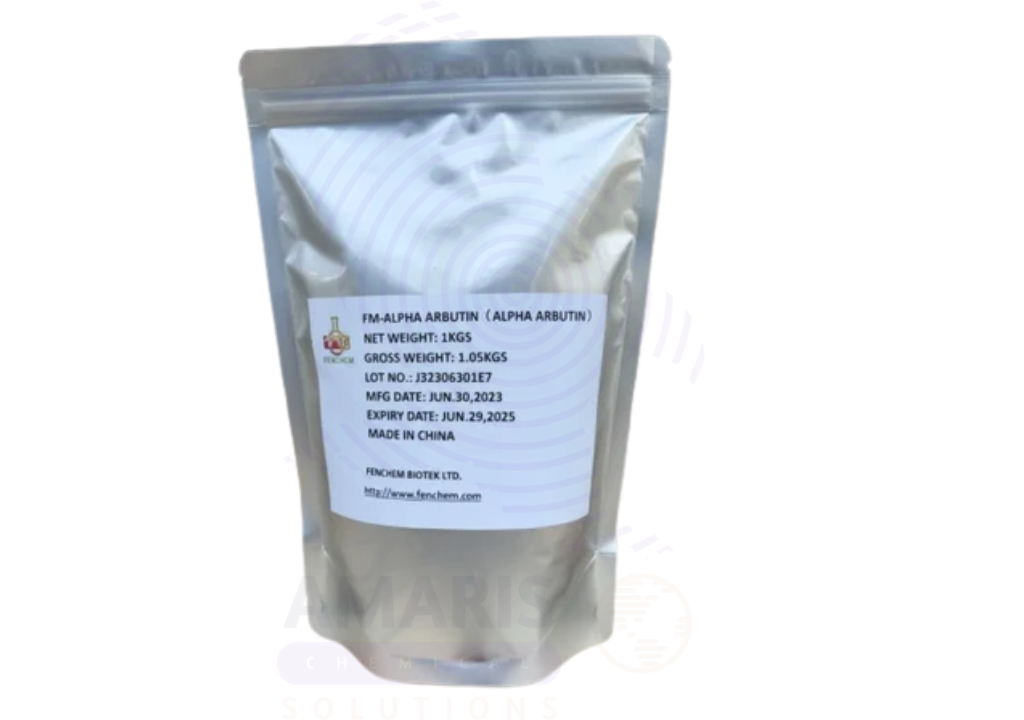


Alpha Arbutin
Original price was: $ 2.21.$ 2.09Current price is: $ 2.09.
Alpha Arbutin is a biosynthetic active ingredient derived from hydroquinone and glucose. It is widely used in cosmetic and skincare formulations for its skin-brightening and spot-reducing properties. Alpha Arbutin inhibits tyrosinase, an enzyme involved in melanin production, thereby helping to reduce pigmentation, dark spots, and uneven skin tone. It is more stable and effective than its beta counterpart and is suitable for all skin types, including sensitive skin.
Alpha Arbutin
Primary Uses
- Cosmetic & Skincare Industry
- Reduces hyperpigmentation, dark spots, and age spots in skin care products.
- Promotes even skin tone and radiant complexion.
- Used in serums, creams, lotions, masks, and spot treatments.
- Suitable for formulations targeting melasma and sunspots.
- Compatible with other actives like hyaluronic acid, niacinamide, and vitamin C.
Secondary Uses
- Personal Care
- Incorporated in anti-aging and brightening treatments.
- Used in formulations for under-eye darkness and blemish care.
| PACK SIZE | 25kg |
|---|
1. Basic Identification Attributes
- Chemical Name (IUPAC): 4-Hydroxyphenyl α-D-glucopyranoside
- Common/Trade Name: Alpha Arbutin
- CAS Number: 84380-01-8
- HS Code: 2938.90
- Molecular Formula: C12H16O7
- Synonyms: 4-Hydroxyphenyl-α-D-glucopyranoside, α-Arbutin
2. Physical & Chemical Properties
- Physical State: Solid powder
- Color & Odor: White to off-white, odorless
- Melting Point: ~203°C (decomposes)
- Boiling Point: Not applicable (decomposes)
- Density: ~1.5 g/cm³
- Solubility: Soluble in water
- pH Level: 3.5–6.5 (1% solution)
3. Safety & Hazard Attributes
- Hazard Class (GHS): Not classified as hazardous
- NFPA Ratings: Health 1, Flammability 0, Reactivity 0
- Exposure Limits: Not established; considered safe in cosmetic concentrations
- Reactivity: Stable under normal conditions
4. Storage & Handling Attributes
- Storage Conditions: Store in a cool, dry place, away from direct sunlight and humidity
- Container Type: Airtight, light-resistant containers
- Shelf Life: 2 years under recommended storage conditions
- Special Handling: Avoid contamination; use clean tools and containers
5. Regulatory & Compliance Attributes
- FDA (USA): Permitted in cosmetic formulations
- EU (Cosmetics Regulation): Allowed in cosmetic use
- Hazard Symbols (GHS): None
- Transportation Restrictions: None
6. Environmental & Health Impact
- Ecotoxicity: Low; no significant environmental hazard at cosmetic concentrations
- Persistence: Biodegradable
- Carcinogenicity/Mutagenicity: Not classified as carcinogenic or mutagenic
- Biodegradability: Readily biodegradable in environmental conditions
Safety Handling Precautions
- Wear gloves and a mask when handling bulk powder.
- Avoid generating dust during transfer or mixing.
- Wash hands thoroughly after handling.
First Aid Measures
- Inhalation: Move to fresh air if irritation occurs; seek medical help if symptoms persist.
- Skin Contact: Wash with water and mild soap.
- Eye Contact: Rinse immediately with plenty of water; consult a physician if irritation continues.
- Ingestion: Not intended for ingestion; seek medical attention if consumed in large amounts.
Firefighting Measures
- Fire Hazards: Non-flammable, non-combustible
- Extinguishing Media: Use water spray, foam, CO₂, or dry chemical for surrounding fire
- Special Precautions: No special measures required
Related products
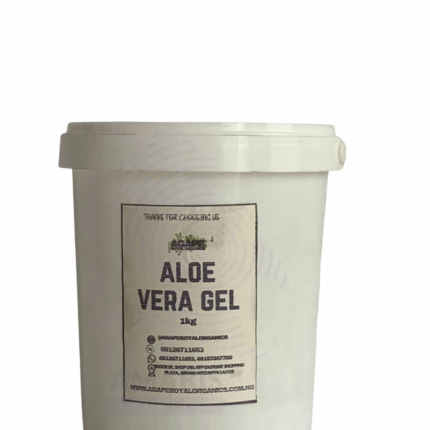
Aloe Vera Gel
Aloe Vera Gel is a clear, jelly-like substance extracted from the inner leaf of the Aloe vera plant. It is widely used in skincare for its soothing, hydrating, and healing properties. Rich in vitamins (especially A, C, and E), enzymes, and amino acids, Aloe Vera Gel is commonly applied to treat sunburns, minor cuts, skin irritation, and dryness. It also has mild anti-inflammatory and antibacterial effects, making it a popular natural remedy in both cosmetic and medicinal products.
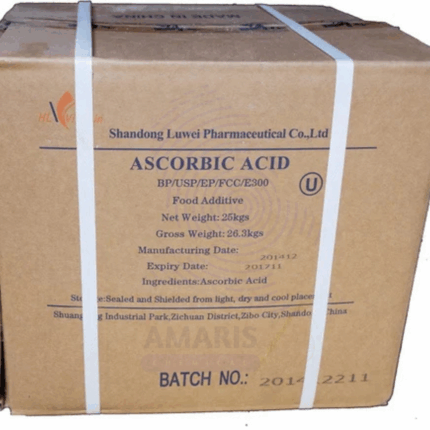
Ascorbic Acid
Ascorbic Acid, commonly known as Vitamin C, is a water-soluble vitamin and potent antioxidant essential for collagen synthesis, immune function, and protection against oxidative stress. It is widely used as a nutritional supplement, food preservative, and additive to enhance shelf life and nutritional value. Naturally present in citrus fruits and various vegetables, ascorbic acid is also important in pharmaceutical, cosmetic, and animal feed industries due to its health benefits and preservative qualities.
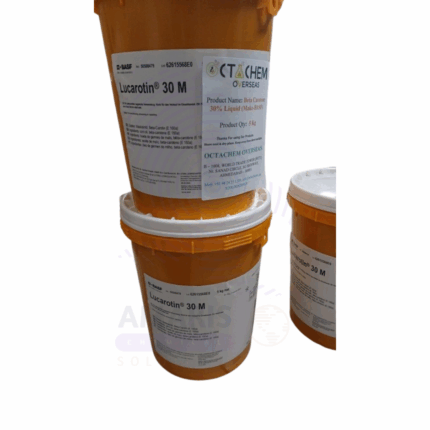
Beta Carotene
Beta Carotene is a concentrated formulation of beta carotene, a naturally occurring red-orange pigment found in plants and fruits. It is a precursor to vitamin A and a potent antioxidant that helps protect cells from oxidative damage. This product, typically suspended in an oil base or suitable carrier, is widely used as a natural colorant, nutritional supplement, and cosmetic ingredient. Beta Carotene 30% SUN offers enhanced stability under sunlight exposure, making it ideal for food, feed, and cosmetic applications where light stability is critical.
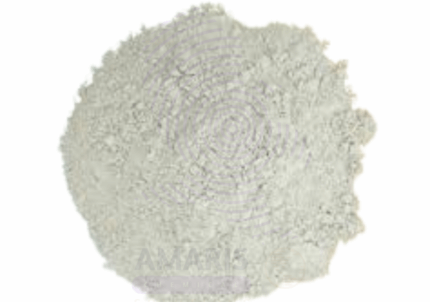
Calcium D-Panthothenate
Calcium D-Panthothenate is the calcium salt of D-pantothenic acid (vitamin B5), appearing as a white or off-white crystalline powder. It is a stable, water-soluble compound widely used as a dietary supplement and pharmaceutical ingredient to supply vitamin B5, essential for coenzyme A synthesis and normal metabolism of carbohydrates, proteins, and fats. Calcium D-Panthothenate supports adrenal function, wound healing, and nervous system health, and is frequently incorporated into multivitamins, nutritional supplements, fortified foods, and topical formulations.
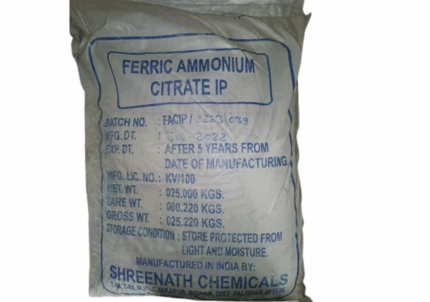
Ferric Ammonium Citrate
Ferric Ammonium Citrate is a dark green to black crystalline or granular inorganic compound composed of iron, ammonium ions, and citrate ions. It is a complex salt of citric acid with ferric iron (Fe³⁺) and ammonium. This compound is highly soluble in water, forming a greenish solution, and is widely utilized as a source of iron in various chemical, pharmaceutical, photographic, and food applications. It acts as a mild oxidizing agent and an iron supplement, valued for its bioavailability and ease of incorporation into formulations. Ferric Ammonium Citrate is typically available in different formulations distinguished by their water and ammonium content, such as green and brown types.
Magnesium Ascorbyl Phosphate
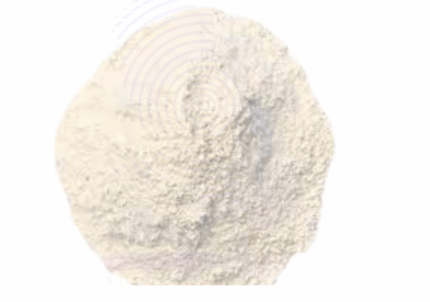
Magnesium Ascorbyl Phosphate (MAP) is a stable, water-soluble derivative of Vitamin C, combined with magnesium. It offers antioxidant benefits and skin-brightening effects with improved stability and lower irritation compared to pure ascorbic acid. Widely used in cosmetics and pharmaceuticals, MAP promotes collagen synthesis, reduces pigmentation, and protects skin from oxidative damage.

Methylene Glycol
Methylene Glycol is a chemical compound formed by the reversible reaction of formaldehyde with water. It exists in equilibrium with formaldehyde in aqueous solutions and is commonly used as a disinfectant, preservative, and industrial biocide. Due to its antimicrobial properties, it is widely applied in water treatment, cosmetics, and embalming fluids.
Silk Proteins
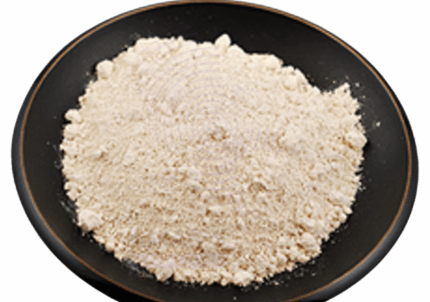
Silk Proteins are hydrolyzed proteins derived from natural silk fibers, typically composed of fibroin and sericin. They are water-soluble, bioactive compounds known for their excellent film-forming, moisture-retaining, and conditioning properties. Silk proteins are widely used in cosmetics, personal care products, pharmaceuticals, and textiles due to their biocompatibility, smooth texture, and ability to penetrate and protect surfaces like skin, hair, and fabric.












