

 Preservatives(food)
 Flavors
 Acidulants
 Sweeteners
 Antioxidants
 Colorants(food)
 Nutraceutical Ingredients (food)
 Nutrient Supplements
 Emulsifiers
 Collectors
 Dust Suppressants
 Explosives and Blasting Agents
 Flocculants and Coagulants
 Frothers
 Leaching Agents
 pH Modifiers
 Precious Metal Extraction Agents
 Antioxidants(plastic)
 Colorants (Pigments, Dyes)
 Fillers and Reinforcements
 Flame Retardants
 Monomers
 Plasticizers
 Polymerization Initiators
 Stabilizers (UV, Heat)
 Antifoaming Agents
 Chelating Agents
 Coagulants and Flocculants
 Corrosion Inhibitors
 Disinfectants and Biocides
 Oxidizing Agents
 pH Adjusters
 Scale Inhibitors( water)
 Antioxidants(cosmetic)
 Emollients
 Oils
Oils Carrier Oills
 Essential Oils
 Humectants
 Preservatives
 Surfactants(cosmetic)
 Thickeners
 UV Filters
 Fragrance (Cosmetics)
 Fertilizers
 Soil Conditioners
 Plant Growth Regulators
 Animal Feed Additives
 Biostimulants
 Pesticides (Herbicides, Insecticides, Fungicides)
 Active Pharmaceutical Ingredients (APIs)
 Excipients
 Solvents(pharmaceutical)
 Antibiotics
 Antiseptics and Disinfectants
 Vaccine Adjuvants
 Nutraceutical Ingredients (pharmaceutical)
 Analgesics & Antipyretics
 Analytical Reagents
 Solvents(lab)
 Chromatography Chemicals
 Spectroscopy Reagents
 microbiology-and-cell-culture-reagents
 Molecular Biology Reagents
 Biochemical Reagents
 Inorganic and Organic Standards
 Laboratory Safety Chemicals
 Specialty Laboratory Chemicals(Special Laboratory Equipment)
 Demulsifiers
 Hydraulic Fracturing Fluids
 Scale Inhibitors(oil)
 Surfactants(oil)
 Drilling Fluids
 Dyes and Pigments
 Bleaching Agents
 Softening Agents
 Finishing Agents
 Antistatic Agents
 Admixtures
 Waterproofing Agents
 Sealants and Adhesives
 Curing Compounds
 Concrete Repair Chemicals
 Anti-Corrosion Coatings
 Surfactants(cleaning)
 Builders
 Enzymes
 Solvents (Cleaning)
 Electronic Chemicals
 Catalysts
 Lubricants
 Photographic Chemicals
 Refrigerants
 Automotive chemicals
 Pyrotechnic Chemicals
 Biodegradable Surfactants
 Bio-based Solvents
 Renewable Polymers
 Carbon Capture Chemicals
 Wastewater Treatment Chemicals
 Pigments
 Solvents(paint)
 Specialty Coatings
 Binders/Resins
 Additives
 Driers
 Anti-Corrosion Agents
 Functional Coatings
 Application-Specific Coatings
 Leavening Agents
 Dough Conditioners
 Flour Treatments
 Fat Replacers
 Decoratives
 Preservatives(baking)
 Plasticizers & Softeners
 Reinforcing Agents
 Adhesion Promoters
 Vulcanizing Agents
 Antidegradants
 Blowing Agents
 Fillers & Extenders
 Accelerators & Retarders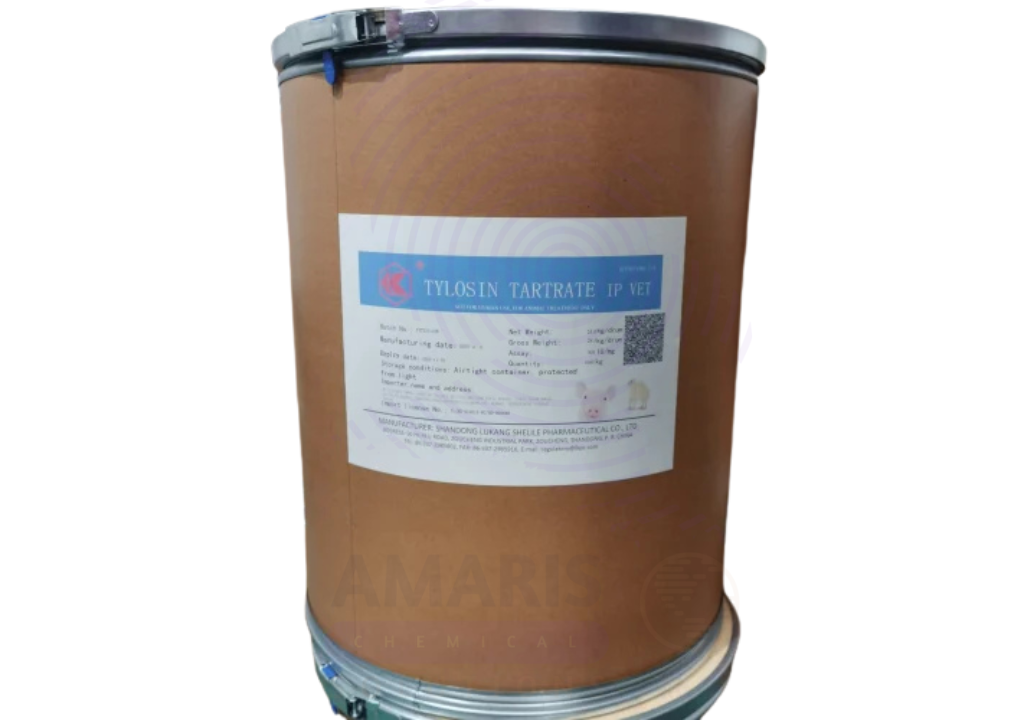




Tylosin Tartrate
Tylosin Tartrate is a water-soluble macrolide antibiotic derived from Streptomyces fradiae, primarily used in veterinary medicine. It is the tartrate salt form of tylosin, enhancing its solubility and making it ideal for administration via drinking water or injectable solutions. Tylosin Tartrate is active against a wide range of Gram-positive bacteria and some Gram-negative organisms, as well as Mycoplasma spp. It is particularly effective for treating respiratory, gastrointestinal, and reproductive infections in livestock and poultry.
Tylosin Tartrate
Primary Uses
- Veterinary Medicine
- Poultry:
- Treatment and prevention of chronic respiratory disease (CRD) caused by Mycoplasma gallisepticum.
- Controls infectious sinusitis in turkeys and synovitis caused by Mycoplasma synoviae.
- Administered via drinking water or feed.
- Swine:
- Used for ileitis, swine dysentery, and enzootic pneumonia (caused by Mycoplasma hyopneumoniae and Brachyspira hyodysenteriae).
- Often included in medicated feed or water.
- Cattle:
-
- Controls bovine respiratory disease complex (shipping fever) caused by Pasteurella, Mycoplasma, and Haemophilus species.
-
- Also used for foot rot and metritis.
- Sheep and Goats:
-
- Treats respiratory infections and mycoplasma-related arthritis.
- Companion Animals (off-label in some countries):
-
- Sometimes used to treat chronic colitis or diarrhea in dogs and cats under veterinary supervision.
- Aquaculture (where permitted)
- Used against Mycoplasma-like organisms and secondary bacterial infections.
Secondary Uses
- Prophylactic Use in Herds/Fluctuations
- Administered during high-stress periods (transport, weaning, vaccination) to prevent outbreaks.
- Growth Promotion (where legal)
- Historically used in low doses as a feed additive to promote growth and improve feed efficiency, though now restricted in many countries.
- Research & Microbiology
- Used as a selective antibiotic in culture media for isolating Mycoplasma
- Applied in antimicrobial resistance studies.
1. Basic Identification Attributes
- Chemical Name (IUPAC): Tylosin hydrogen tartrate
- Common/Trade Name: Tylosin Tartrate
- CAS Number: 1405-69-0
- HS Code: 2941.90.00
- Synonyms: Tylosin hydrogen tartrate, Macrolide antibiotic tartrate salt
2. Physical & Chemical Properties
- Physical State: Powder
- Color & Odor: Pale yellow to yellow; mild characteristic odor
- Solubility: Freely soluble in water
- Molecular Formula: C46H77NO17 · C4H6O6
- Molecular Weight: ~1009.2 g/mol
- pH (1% solution): 5.0–7.5
- Loss on Drying: ≤ 5.0%
- Assay (Potency): ≥ 800 µg/mg (potency based on tylosin activity)
3. Safety & Hazard Attributes
- GHS Classification:
- May cause respiratory or skin sensitization
- Harmful if swallowed or inhaled in large quantities
- Environmental hazard (to aquatic life with long-term effects)
- Toxicity: Low toxicity to treated animals when used as directed
- Irritation: May cause skin and eye irritation in handlers
- Occupational Hazards: Allergic reactions (especially in individuals sensitive to macrolides)
4. Storage & Handling Attributes
- Storage Conditions: Store below 25 °C in a dry place; protect from light and moisture
- Container Type: Fiber drums or HDPE containers with inner liner
- Shelf Life: 24–36 months under proper storage
- Handling Precautions: Avoid inhalation of dust; wear protective gloves, eyewear, and mask
5. Regulatory & Compliance Attributes
- Approved for veterinary use by FDA, EMA, WHO, and OIE (in various countries)
- Not intended for human use
- Must comply with maximum residue limits (MRLs) in food-producing animals
- Complies with Good Manufacturing Practices (GMP) for veterinary pharmaceuticals
- Use in accordance with Veterinary Prescription Regulations (region-specific)
6. Environmental & Health Impact
- Biodegradability: Biodegradable under normal environmental conditions
- Ecotoxicity: Potential impact on soil and aquatic microbiota if improperly disposed
- Bioaccumulation: Low potential
- Resistance Risk: May contribute to antimicrobial resistance if overused or misused
Safety Handling Precautions
- PPE Required: Gloves, dust mask, safety goggles
- Handling Guidelines: Avoid generation of dust; use in well-ventilated areas
- Storage Measures: Keep container tightly closed and dry
First Aid Measures
- Inhalation: Move to fresh air; seek medical attention if symptoms persist
- Skin Contact: Wash with soap and water
- Eye Contact: Rinse with plenty of water; get medical help if irritation continues
- Ingestion: Rinse mouth; consult a veterinarian or poison control if large quantities are consumed
Firefighting Measures
- Fire Hazards: Not highly flammable but combustible in powder form
- Extinguishing Media: Use water spray, foam, dry chemical, or CO₂
- Hazardous Combustion Products: Carbon monoxide, carbon dioxide, nitrogen oxides
Related products
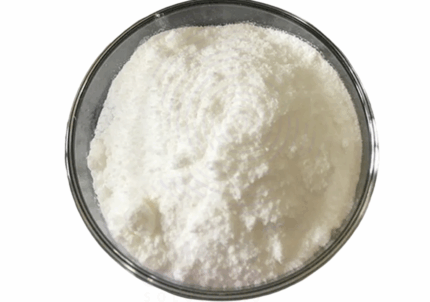
Aminosidine Sulphate
Aminosidine Sulphate USP, also known as Paromomycin Sulphate, is an aminoglycoside antibiotic primarily used to treat parasitic infections and certain bacterial infections. It is a white or off-white crystalline powder, highly soluble in water, and typically administered orally or topically. It works by inhibiting protein synthesis in susceptible microorganisms, thereby exerting a bactericidal and antiparasitic effect. Aminosidine Sulphate is commonly employed in treating intestinal amoebiasis, leishmaniasis, and infections caused by gram-negative bacteria. Its inclusion in the United States Pharmacopeia (USP) signifies compliance with strict quality and purity standards for pharmaceutical use.
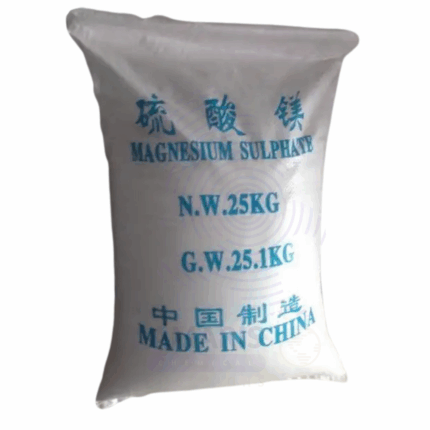
Manganese Sulphate Monohydrate
Manganese Sulphate Monohydrate is an inorganic chemical compound with the formula MnSO₄·H₂O. It appears as a pale pink crystalline powder and is highly soluble in water. It is primarily used as a source of manganese, an essential micronutrient, in fertilizers, animal feed, and industrial processes. This monohydrate form is the most stable and commonly used in agriculture and feed-grade applications. It also finds use in various chemical syntheses, electroplating, and as a reagent in laboratories.
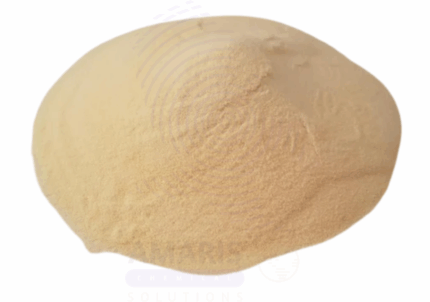
Norfloxacin
Norfloxacin is a synthetic broad-spectrum fluoroquinolone antibiotic used primarily to treat bacterial infections. It works by inhibiting bacterial DNA gyrase and topoisomerase IV, enzymes essential for DNA replication, transcription, repair, and recombination, leading to bacterial cell death. Norfloxacin is effective against various Gram-negative and some Gram-positive bacteria and is commonly used in urinary tract infections, prostatitis, and gastroenteritis.
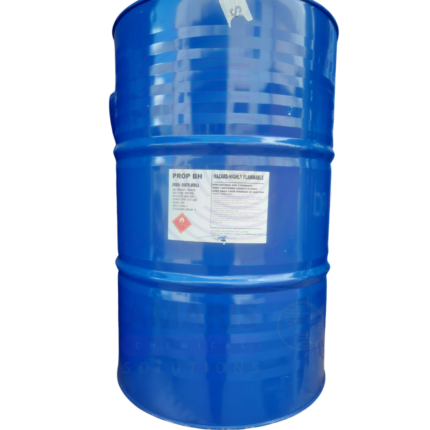
Propylparaben (Prop BH)
Prop BH, also known as Propylparaben or Propyl 4-Hydroxybenzoate, is an organic compound belonging to the paraben family of preservatives. It appears as colorless small crystals or a white crystalline powder with a characteristic mild odor and a slightly bitter taste. The compound is practically insoluble in cold water but readily soluble in alcohols, ethers, and other organic solvents. Propylparaben is widely recognized for its broad-spectrum antimicrobial activity, particularly effective against molds, yeasts, and bacteria. Propylparaben is manufactured for use as a preservative in various industrial applications and is not intended for direct human consumption without appropriate certification.
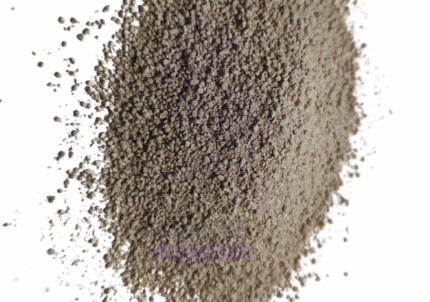
Salinomycin Granular Feed Grade
Salinomycin Granular Feed Grade is an ionophore antibiotic widely used as a coccidiostat in poultry and livestock feed. It helps control and prevent coccidiosis, a parasitic disease affecting the intestinal tract of animals, thereby improving growth performance and feed efficiency. This granular formulation ensures uniform mixing in feed and stable dosage delivery.
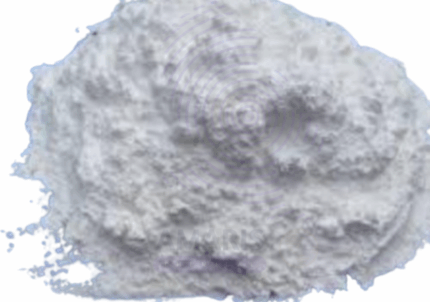
Sulphamethoxazole BP
Sulphamethoxazole BP is a synthetic sulfonamide antibiotic widely used in human and veterinary medicine for treating bacterial infections. It acts by inhibiting bacterial synthesis of dihydrofolic acid, thereby preventing bacterial growth. It is commonly combined with trimethoprim for synergistic effects against a broad spectrum of bacteria. The British Pharmacopoeia (BP) grade guarantees pharmaceutical purity and quality, making it suitable for formulation into tablets, suspensions, and other dosage forms.

Sulphamethoxazole BP micronised
Sulphamethoxazole BP Micronised is a fine, micronized form of sulphamethoxazole, a synthetic sulfonamide antibiotic used extensively in human and veterinary medicine. Micronization improves its dissolution rate and bioavailability, enhancing efficacy in oral and injectable formulations. This British Pharmacopoeia (BP) grade product ensures high purity and consistent particle size, making it ideal for pharmaceutical manufacturing.

Trimethoprim BP Micronised
Trimethoprim BP Micronised is a high-purity, fine powdered form of trimethoprim, an antibiotic used primarily for its bacteriostatic properties. The micronisation process enhances its solubility and bioavailability, making it more effective in pharmaceutical formulations. Trimethoprim acts by inhibiting bacterial dihydrofolate reductase, thereby preventing bacterial DNA synthesis and growth. It is widely used alone or in combination therapies to treat a variety of bacterial infections.












