

 Preservatives(food)
 Flavors
 Acidulants
 Sweeteners
 Antioxidants
 Colorants(food)
 Nutraceutical Ingredients (food)
 Nutrient Supplements
 Emulsifiers
 Collectors
 Dust Suppressants
 Explosives and Blasting Agents
 Flocculants and Coagulants
 Frothers
 Leaching Agents
 pH Modifiers
 Precious Metal Extraction Agents
 Antioxidants(plastic)
 Colorants (Pigments, Dyes)
 Fillers and Reinforcements
 Flame Retardants
 Monomers
 Plasticizers
 Polymerization Initiators
 Stabilizers (UV, Heat)
 Antifoaming Agents
 Chelating Agents
 Coagulants and Flocculants
 Corrosion Inhibitors
 Disinfectants and Biocides
 Oxidizing Agents
 pH Adjusters
 Scale Inhibitors( water)
 Antioxidants(cosmetic)
 Emollients
 Oils
Oils Carrier Oills
 Essential Oils
 Humectants
 Preservatives
 Surfactants(cosmetic)
 Thickeners
 UV Filters
 Fragrance (Cosmetics)
 Fertilizers
 Soil Conditioners
 Plant Growth Regulators
 Animal Feed Additives
 Biostimulants
 Pesticides (Herbicides, Insecticides, Fungicides)
 Active Pharmaceutical Ingredients (APIs)
 Excipients
 Solvents(pharmaceutical)
 Antibiotics
 Antiseptics and Disinfectants
 Vaccine Adjuvants
 Nutraceutical Ingredients (pharmaceutical)
 Analgesics & Antipyretics
 Analytical Reagents
 Solvents(lab)
 Chromatography Chemicals
 Spectroscopy Reagents
 microbiology-and-cell-culture-reagents
 Molecular Biology Reagents
 Biochemical Reagents
 Inorganic and Organic Standards
 Laboratory Safety Chemicals
 Specialty Laboratory Chemicals(Special Laboratory Equipment)
 Demulsifiers
 Hydraulic Fracturing Fluids
 Scale Inhibitors(oil)
 Surfactants(oil)
 Drilling Fluids
 Dyes and Pigments
 Bleaching Agents
 Softening Agents
 Finishing Agents
 Antistatic Agents
 Admixtures
 Waterproofing Agents
 Sealants and Adhesives
 Curing Compounds
 Concrete Repair Chemicals
 Anti-Corrosion Coatings
 Surfactants(cleaning)
 Builders
 Enzymes
 Solvents (Cleaning)
 Electronic Chemicals
 Catalysts
 Lubricants
 Photographic Chemicals
 Refrigerants
 Automotive chemicals
 Pyrotechnic Chemicals
 Biodegradable Surfactants
 Bio-based Solvents
 Renewable Polymers
 Carbon Capture Chemicals
 Wastewater Treatment Chemicals
 Pigments
 Solvents(paint)
 Specialty Coatings
 Binders/Resins
 Additives
 Driers
 Anti-Corrosion Agents
 Functional Coatings
 Application-Specific Coatings
 Leavening Agents
 Dough Conditioners
 Flour Treatments
 Fat Replacers
 Decoratives
 Preservatives(baking)
 Plasticizers & Softeners
 Reinforcing Agents
 Adhesion Promoters
 Vulcanizing Agents
 Antidegradants
 Blowing Agents
 Fillers & Extenders
 Accelerators & Retarders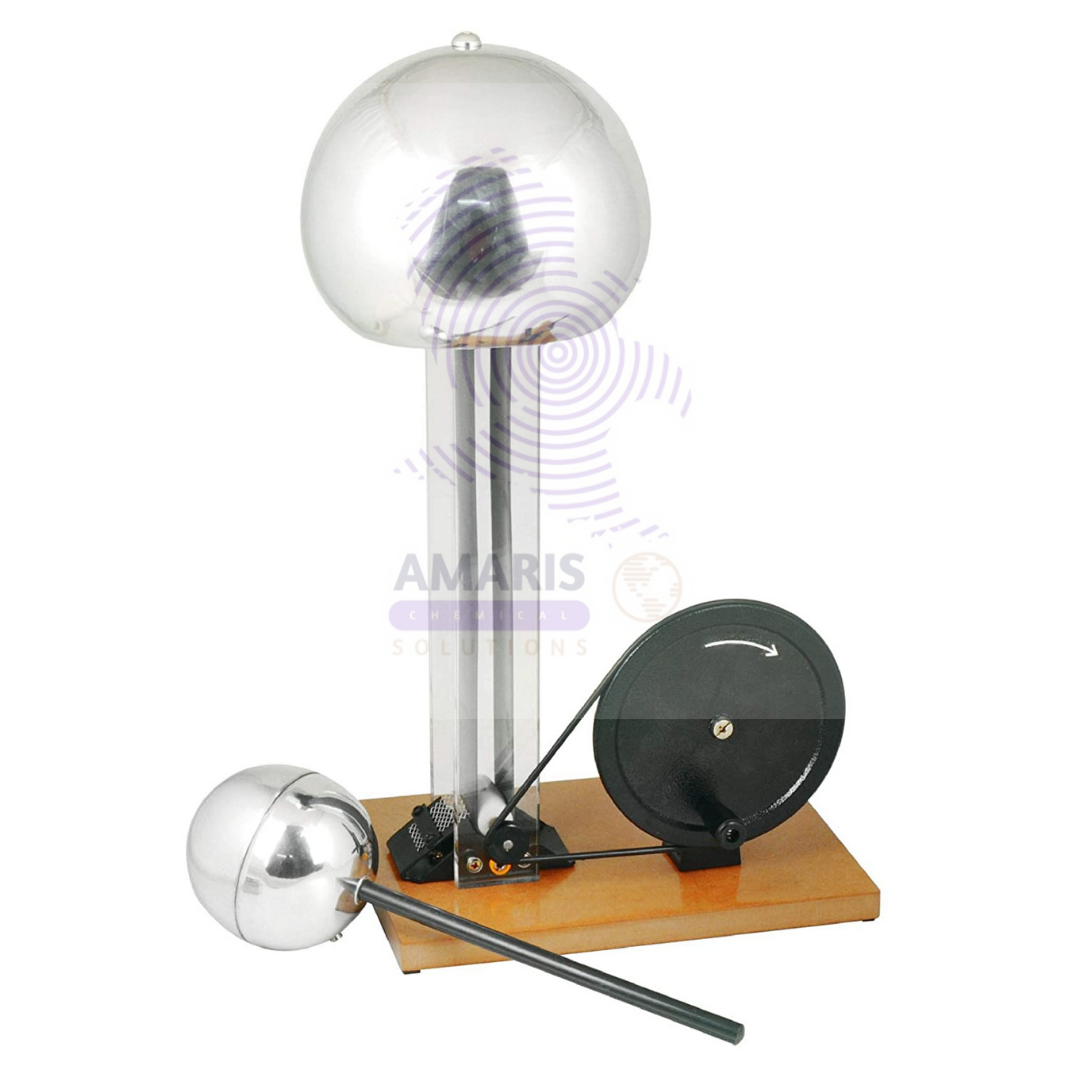


Van de generator manual
Original price was: $ 116.90.$ 116.74Current price is: $ 116.74.
Van de generator manual is a comprehensive instructional guide designed to accompany the Van de Graaff Generator, a high-voltage electrostatic generator widely used in physics laboratories. This manual provides detailed information on the assembly, operation, safety precautions, and maintenance of the generator. It includes theoretical background, practical experiments, troubleshooting tips, and guidelines to maximize educational and research outcomes. Essential for students, educators, and researchers, the manual facilitates the understanding and safe use of the Van de Graaff Generator in electrostatics and high voltage experiments.
Van de generator manual
Primary Uses
- Laboratory and Educational Applications
- Provides detailed instructions for safe assembly and operation of the Van de Graaff Generator in physics laboratories.
- Guides students and educators through electrostatic experiments demonstrating concepts like charge accumulation, discharge, and electric fields.
- Supports hands-on learning in high voltage phenomena and static electricity principles.
- Facilitates laboratory demonstrations on potential difference, corona discharge, and spark generation.
- Offers troubleshooting and maintenance procedures to ensure reliable and long-term use of the generator.
Secondary Uses
- Research and Industrial Applications
- Assists researchers in setting up and calibrating the Van de Graaff Generator for experimental physics studies.
- Supports use in industrial settings for educational training and demonstration purposes.
- Helps technicians understand the operational aspects necessary for high voltage equipment handling and safety.
1.Basic Identification Attributes
- Format: Printed or digital manual
- Content: Assembly instructions, operational guidelines, safety procedures, experiment protocols
- Compatibility: Specific to Van de Graaff Generators of corresponding model or specifications
2.Physical & Chemical Properties
- Not applicable (instructional material)
3.Safety & Hazard Attributes
- Emphasizes safety guidelines to prevent electrical shock and equipment damage
- Provides warnings on high voltage hazards inherent in generator operation
4.Storage & Handling Attributes
- Store in a dry, accessible location near the generator for easy reference
- Handle carefully to maintain integrity of pages or digital files
5.Regulatory & Compliance Attributes
- Complies with educational and laboratory safety standards for instructional materials
6.Environmental & Health Impact
- Printed versions made from recyclable paper materials
- Digital formats reduce paper use and environmental footprint
Safety Handling Precautions
- Follow all safety instructions detailed in the manual during operation of the generator
- Use appropriate personal protective equipment as recommended
First Aid Measures
- Refer to electrical safety guidelines for managing electrical shock or injury
Firefighting Measures
- Manual is non-flammable; use standard firefighting measures for surrounding areas if needed
Related products

Bare Enamelled Copper Wire
Bare Enamelled Copper Wire is a high-quality electrical conductor coated with a thin layer of insulating enamel. It is widely used in electrical and electronic applications where insulation and durability are required without adding bulk. The enamel coating provides excellent resistance to heat, abrasion, and chemicals, making it suitable for winding coils, transformers, motors, and inductors. The bare enamelled copper wire ensures efficient conductivity combined with insulation properties, ideal for both laboratory research and industrial manufacturing processes.

Chromatogram Paper
Chromatogram Paper is a specialized high-quality absorbent paper used primarily in chromatography techniques for the separation and analysis of chemical substances. Manufactured to have consistent texture and porosity, it facilitates effective migration of solvents and analytes, allowing clear and reproducible chromatographic patterns. Widely utilized in laboratories for qualitative and quantitative chemical analysis, Chromatogram Paper is essential for research, quality control, and educational purposes.
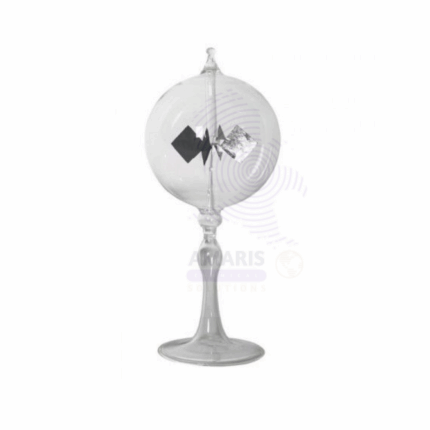
Crookes radiometer
The Crookes Radiometer, also known as a light mill, is a scientific apparatus consisting of a glass bulb containing a partial vacuum and a rotor with vanes coated black on one side and white or silver on the other. When exposed to light or radiant energy, the vanes rotate due to differential thermal transpiration, demonstrating principles of gas kinetics and energy conversion. It is commonly used for educational demonstrations of light pressure and thermodynamics.
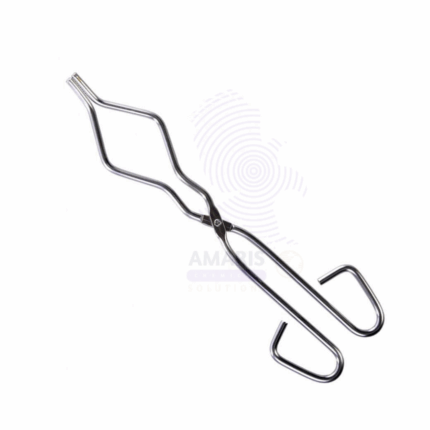
Crucible Tongs
Crucible Tongs are specialized metal tools designed for safely handling hot crucibles, evaporating dishes, and other laboratory apparatus exposed to high temperatures. Made from durable, heat-resistant metals such as stainless steel or nickel-plated steel, these tongs provide a firm grip, ensuring the safe transfer of heated items during laboratory procedures, including heating, melting, and chemical reactions.
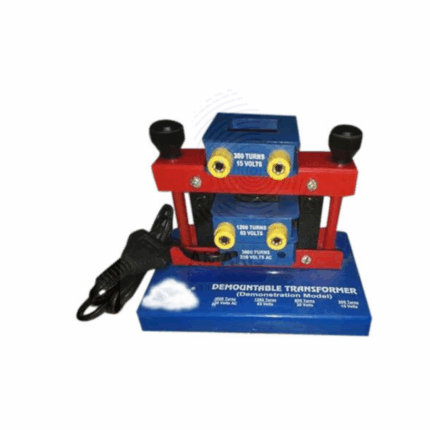
Demonstration transformer
The Demonstration Transformer is an educational and laboratory device designed to illustrate the principles of electromagnetic induction, voltage transformation, and mutual inductance. Typically composed of a laminated iron core with interchangeable primary and secondary coils, it allows for hands-on experiments involving step-up and step-down voltage transformation. Ideal for both laboratory demonstrations and industrial training settings, it supports a range of voltage and current inputs and can safely demonstrate real-time transformer behavior using AC power sources.
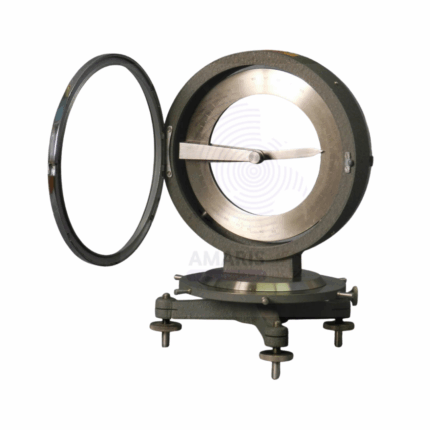
Dip Circle
A Dip Circle is a precision scientific instrument used for measuring the magnetic dip or inclination angle of the Earth’s magnetic field at a specific location. It consists of a magnetic needle or dip needle mounted on a graduated circular scale, which can rotate freely in the vertical plane. The instrument allows geologists, physicists, and surveyors to determine the angle between the horizontal plane and the Earth’s magnetic field lines, an important parameter in geomagnetic studies and navigation. Dip circles are commonly employed in academic research, mineral exploration, and educational demonstrations to analyze variations in Earth’s magnetism and assist in directional orientation.
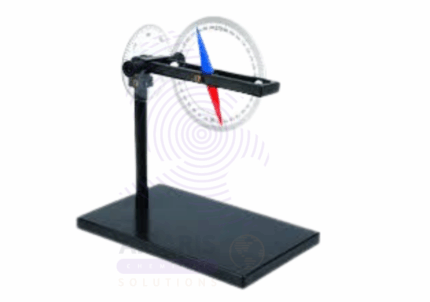
Dip Needle
A Dip Needle is a finely balanced magnetic needle used to measure the magnetic dip or inclination angle of the Earth’s magnetic field. Mounted to pivot freely in a vertical plane, the needle aligns itself with the Earth’s magnetic field lines, enabling precise determination of the angle between the horizontal plane and magnetic field direction. Dip Needles are essential instruments in geophysics, navigation, and laboratory studies of magnetism. They provide crucial data for mapping magnetic variations, compass calibration, and educational demonstrations. Typically constructed with magnetized steel or alloy, dip needles are designed for sensitivity and durability in field and lab environments.
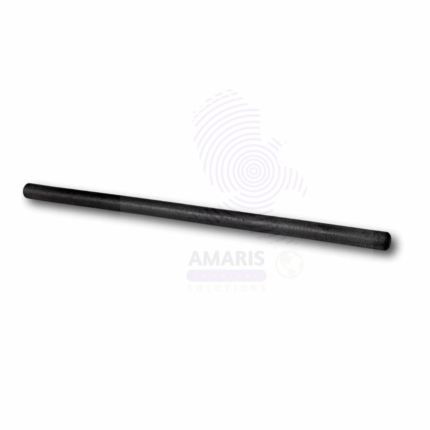
Ebonite Rod
Ebonite Rod is a solid, hard, and chemically resistant rod made from vulcanized natural rubber, commonly used in scientific and technical settings for its excellent electrical insulating properties. Due to the vulcanization process, ebonite becomes highly rigid and durable, exhibiting strong resistance to heat, chemicals, and mechanical wear. Its smooth, black surface is ideal for laboratory experiments involving static electricity where it can easily acquire and hold electric charge when rubbed with materials such as fur or wool. This makes the ebonite rod indispensable in physics demonstrations of electrostatics, including charging by friction and static force interactions. Besides educational use, ebonite rods are also utilized in manufacturing industries for producing components that require robust insulating materials. The rod’s chemical resistance ensures longevity even in harsh laboratory environments, making it a reliable tool for repeated use. Its non-conductive nature allows it to act as a barrier preventing electrical current flow, thus providing safety and control in experimental setups.












