

 Preservatives(food)
 Flavors
 Acidulants
 Sweeteners
 Antioxidants
 Colorants(food)
 Nutraceutical Ingredients (food)
 Nutrient Supplements
 Emulsifiers
 Collectors
 Dust Suppressants
 Explosives and Blasting Agents
 Flocculants and Coagulants
 Frothers
 Leaching Agents
 pH Modifiers
 Precious Metal Extraction Agents
 Antioxidants(plastic)
 Colorants (Pigments, Dyes)
 Fillers and Reinforcements
 Flame Retardants
 Monomers
 Plasticizers
 Polymerization Initiators
 Stabilizers (UV, Heat)
 Antifoaming Agents
 Chelating Agents
 Coagulants and Flocculants
 Corrosion Inhibitors
 Disinfectants and Biocides
 Oxidizing Agents
 pH Adjusters
 Scale Inhibitors( water)
 Antioxidants(cosmetic)
 Emollients
 Oils
Oils Carrier Oills
 Essential Oils
 Humectants
 Preservatives
 Surfactants(cosmetic)
 Thickeners
 UV Filters
 Fragrance (Cosmetics)
 Fertilizers
 Soil Conditioners
 Plant Growth Regulators
 Animal Feed Additives
 Biostimulants
 Pesticides (Herbicides, Insecticides, Fungicides)
 Active Pharmaceutical Ingredients (APIs)
 Excipients
 Solvents(pharmaceutical)
 Antibiotics
 Antiseptics and Disinfectants
 Vaccine Adjuvants
 Nutraceutical Ingredients (pharmaceutical)
 Analgesics & Antipyretics
 Analytical Reagents
 Solvents(lab)
 Chromatography Chemicals
 Spectroscopy Reagents
 microbiology-and-cell-culture-reagents
 Molecular Biology Reagents
 Biochemical Reagents
 Inorganic and Organic Standards
 Laboratory Safety Chemicals
 Specialty Laboratory Chemicals(Special Laboratory Equipment)
 Demulsifiers
 Hydraulic Fracturing Fluids
 Scale Inhibitors(oil)
 Surfactants(oil)
 Drilling Fluids
 Dyes and Pigments
 Bleaching Agents
 Softening Agents
 Finishing Agents
 Antistatic Agents
 Admixtures
 Waterproofing Agents
 Sealants and Adhesives
 Curing Compounds
 Concrete Repair Chemicals
 Anti-Corrosion Coatings
 Surfactants(cleaning)
 Builders
 Enzymes
 Solvents (Cleaning)
 Electronic Chemicals
 Catalysts
 Lubricants
 Photographic Chemicals
 Refrigerants
 Automotive chemicals
 Pyrotechnic Chemicals
 Biodegradable Surfactants
 Bio-based Solvents
 Renewable Polymers
 Carbon Capture Chemicals
 Wastewater Treatment Chemicals
 Pigments
 Solvents(paint)
 Specialty Coatings
 Binders/Resins
 Additives
 Driers
 Anti-Corrosion Agents
 Functional Coatings
 Application-Specific Coatings
 Leavening Agents
 Dough Conditioners
 Flour Treatments
 Fat Replacers
 Decoratives
 Preservatives(baking)
 Plasticizers & Softeners
 Reinforcing Agents
 Adhesion Promoters
 Vulcanizing Agents
 Antidegradants
 Blowing Agents
 Fillers & Extenders
 Accelerators & Retarders
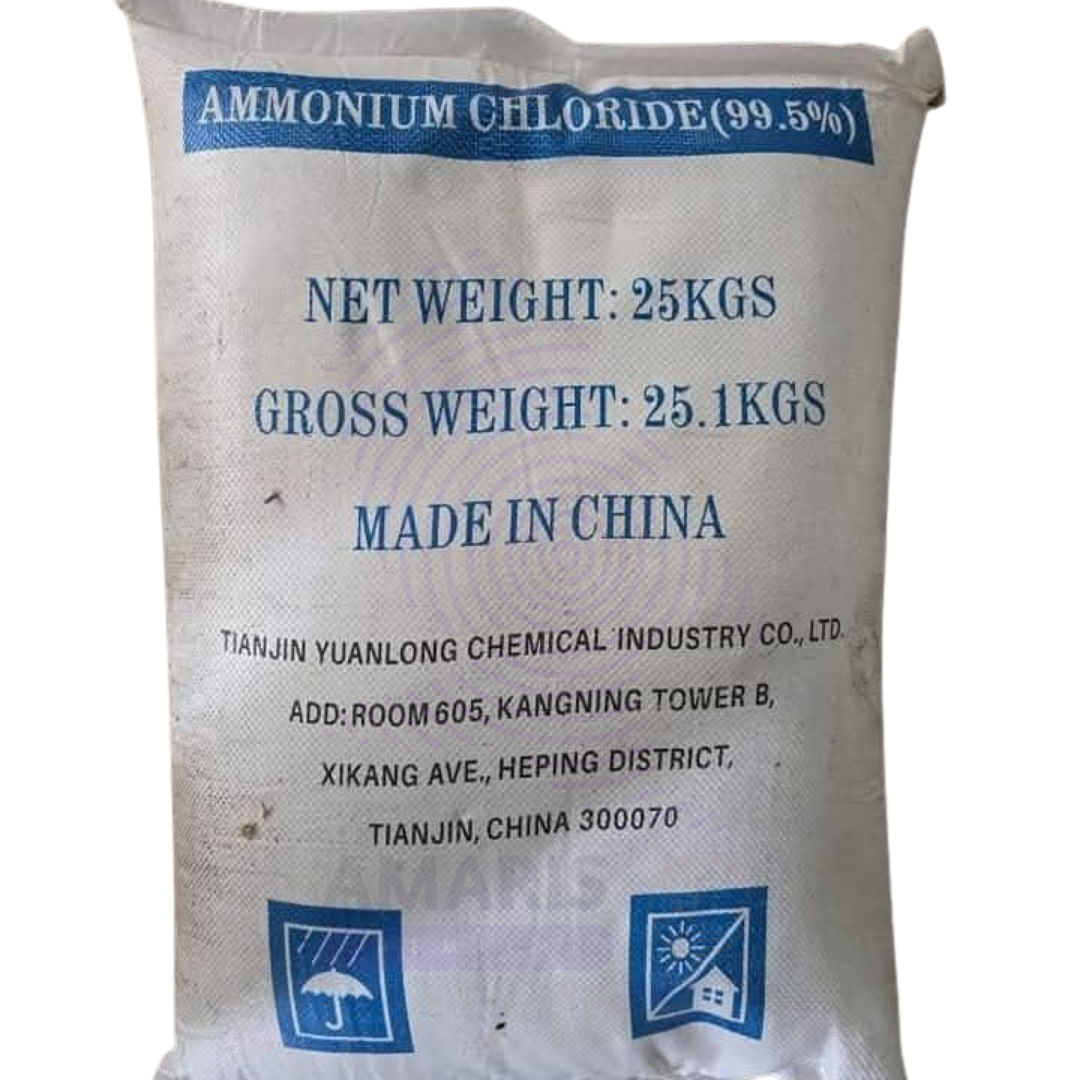
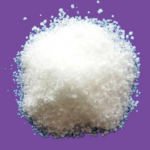
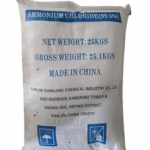




Ammonium Chloride
Original price was: $ 1.64.$ 1.55Current price is: $ 1.55.
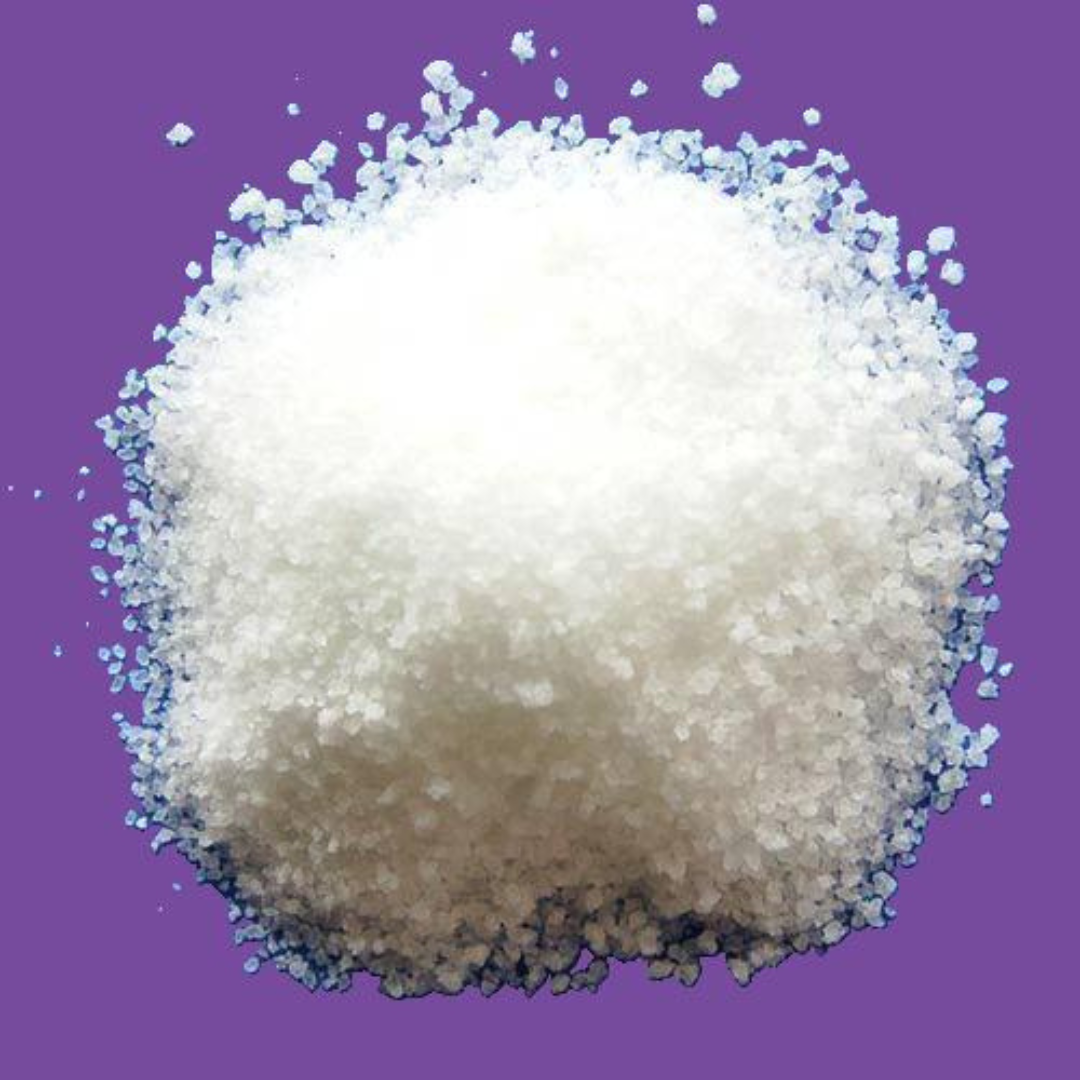
Ammonium chloride is a white crystalline salt with a salty, slightly acidic taste. It is highly soluble in water and is widely used in various industrial, agricultural, and pharmaceutical applications. It acts as a nitrogen source in fertilizers, a flux in metalworking, and an expectorant in medicine. Its versatility and relatively low toxicity make it an important compound in multiple sectors.
Ammonium Chloride
Primary Uses
- Agriculture – Fertilizer Component
- Used extensively as a nitrogen fertilizer, particularly in rice and wheat cultivation, providing essential nitrogen and chloride ions for plant growth.
- Favored in acidic soils where chloride is a beneficial micronutrient.
- Often combined with other fertilizers to improve nutrient balance.
- Pharmaceuticals – Expectorant and Remedy
- Utilized as an expectorant in cough medicines, aiding in the loosening and expulsion of mucus from the respiratory tract.
- Used in some electrolyte replenishing formulations.
- Industrial Applications
- Employed as a flux in metalworking, especially for soldering, galvanizing, and tinning processes, where it cleans metal surfaces by removing oxides.
- Acts as a component in dry cell batteries to provide an electrolyte.
- Used in the production of textile dyes and in tanning leather.
- Food Industry
- Sometimes used as a food additive (E510) and acidity regulator in certain regional food products.
- Added in small quantities in licorice confectionery as a flavor enhancer.
Secondary Uses
- Laboratory Uses
- Used as a buffer or reagent in various chemical analyses and syntheses.
- Employed in preparation of other ammonium salts.
- Cosmetics and Personal Care
- Occasionally used in hair care products as a pH adjuster and to improve texture.
- Electronics
- Used in the manufacture of some conductive inks and electrolytes for batteries.
- Miscellaneous
- Used in cough remedies in veterinary medicine.
- Applied in some cleaning agents and detergents.
1. Basic Identification Attributes
- Chemical Name (IUPAC): Ammonium chloride
- Common/Trade Names: Ammonium chloride, sal ammoniac
- CAS Number: 12125-02-9
- HS Code: 2811.10.00
- Molecular Formula: NH4Cl
- Synonyms: Sal ammoniac, ammonium muriate, ammonium monochloride
2. Physical & Chemical Properties
- Physical State: White crystalline powder or granules
- Color & Odor: White, odorless
- Melting Point: 338°C (sublimes without melting)
- Boiling Point: Sublimes at ~520°C
- Density: ~1.53 g/cm³
- Solubility: Highly soluble in water (~37.2 g/100 mL at 20°C)
- pH Level: Slightly acidic (~5.5 aqueous solution)
- Vapor Pressure: Negligible at room temperature
- Flash Point: Non-flammable
- Stability: Stable under normal conditions, decomposes at high temperatures
3. Safety & Hazard Attributes
- Hazard Class (GHS): Not classified as hazardous, but can be irritant
- NFPA Ratings: Health 1, Flammability 0, Reactivity 0
- Exposure Limits: OSHA PEL – 10 mg/m³ (respirable dust)
- Reactivity: Stable under normal conditions
- Incompatible Materials: Strong bases, strong oxidizers
4. Storage & Handling Attributes
- Storage Conditions: Store in a cool, dry, well-ventilated place away from incompatible materials
- Container Type: Plastic or metal containers with tight seals
- Shelf Life: 3–5 years under proper storage
- Special Handling: Avoid dust formation and inhalation; handle in well-ventilated areas
5. Regulatory & Compliance Attributes
- Regulatory Status: Approved for use in food (E510), pharmaceuticals, and agriculture
- Transportation: Not classified as hazardous
- Waste Disposal: Dispose according to local regulations; non-hazardous
6. Environmental & Health Impact
- Ecotoxicity: Low aquatic toxicity but excessive release may affect aquatic life due to chloride content
- Persistence: Does not bioaccumulate, dissolves and disperses readily
- Carcinogenicity: Not classified as carcinogenic
- Biodegradability: Inorganic salt; not biodegradable but environmentally stable
Safety Handling Precautions
- PPE: Wear gloves, eye protection, and dust mask to avoid inhalation and contact.
- Handling: Avoid generating dust and use adequate ventilation.
- Storage: Keep container tightly closed and dry to prevent clumping.
- Hygiene: Wash hands after handling; avoid eating or drinking in handling areas.
First Aid Measures
- Inhalation: Move to fresh air immediately. Seek medical attention if symptoms develop.
- Skin Contact: Wash with soap and water. Seek medical care if irritation occurs.
- Eye Contact: Rinse with plenty of water for 15 minutes. Get medical help if irritation persists.
- Ingestion: Rinse mouth and drink water. Seek medical attention if large amounts swallowed.
Firefighting Measures
- Fire Hazards: Non-flammable and non-combustible.
- Extinguishing Media: Use water spray, foam, or dry chemical for surrounding fires.
- Special Precautions: None specific; avoid inhaling dust or decomposition gases if exposed to high heat.
Related products

Calcium Chloride
Calcium Chloride is an inorganic salt composed of calcium and chlorine with the chemical formula CaCl₂. It typically appears as a white crystalline solid or granular powder, highly soluble in water and exhibiting strong hygroscopic properties. Calcium Chloride is widely used for its moisture-absorbing ability, de-icing, dust control, and as a firming agent in food processing. It finds extensive applications across industrial, pharmaceutical, agricultural, and food sectors due to its efficacy in modifying physical and chemical properties of products and environments.
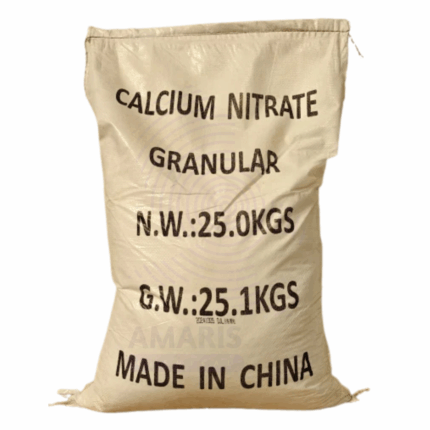
Calcium Nitrate
Calcium Nitrate is a highly soluble, white crystalline salt composed of calcium and nitrate ions. It is commonly available as a tetrahydrate (Ca(NO₃)₂·4H₂O). Known for its excellent solubility in water, calcium nitrate is widely used as a fertilizer providing both calcium and nitrogen to plants. It improves soil structure, enhances nutrient uptake, and prevents disorders such as blossom-end rot in fruits. Beyond agriculture, calcium nitrate serves in wastewater treatment, concrete acceleration, and industrial chemical processes.
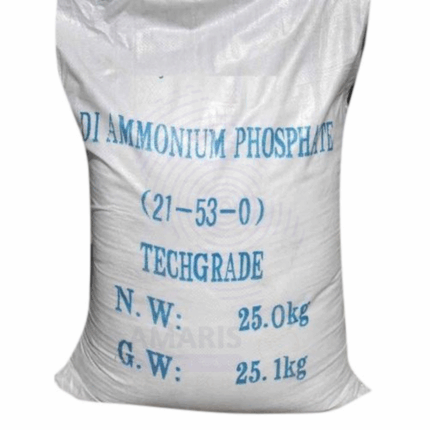
Diammonium Phosphate
Diammonium Phosphate (DAP) is a highly water-soluble, white crystalline fertilizer containing nitrogen and phosphorus. It is one of the most widely used phosphate fertilizers globally, providing a balanced source of nutrients essential for plant growth. DAP supplies ammonium nitrogen (NH₄⁺) and phosphate (PO₄³⁻), which promote vigorous root development, improve soil fertility, and enhance crop yield and quality. Besides agriculture, DAP serves important roles in food additives, fire retardants, and industrial applications. It’s favored for its high nutrient content, ease of application, and compatibility with other fertilizers and soil amendments.
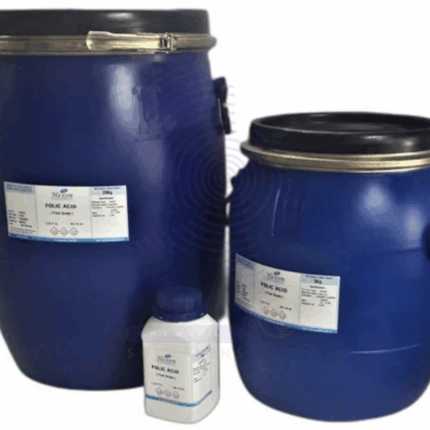
Folic Acid
Folic Acid, also known as Vitamin B9 or pteroylmonoglutamic acid, is a water-soluble vitamin essential for numerous physiological processes including DNA synthesis, repair, and methylation, as well as amino acid metabolism. It appears as a yellow to orange-yellow crystalline powder, odorless or with a faint characteristic odor. Folic Acid is vital for cell division and growth, making it critical during pregnancy and periods of rapid growth. It is widely used in the pharmaceutical, nutraceutical, food fortification, and cosmetic industries due to its role in preventing folate deficiency anemia, neural tube defects in newborns, and supporting overall cellular health.
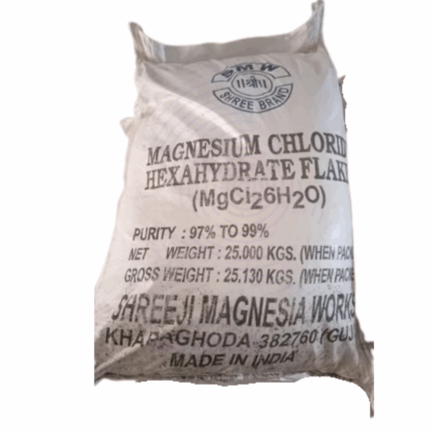
Magnesium Chloride Hexahydrate BP
Magnesium Chloride Hexahydrate BP is a pharmacopeial grade white crystalline solid with the chemical formula MgCl₂·6H₂O. It is highly soluble in water and is used extensively in pharmaceutical, medical, and industrial applications. This grade meets British Pharmacopoeia (BP) standards ensuring high purity and suitability for medical and food-related uses. Magnesium Chloride Hexahydrate BP provides essential magnesium ions which play a critical role in numerous physiological functions.
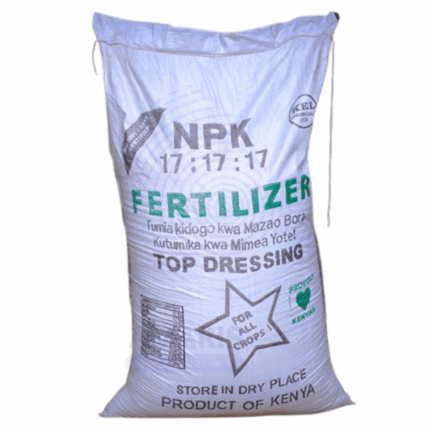
NPK 17-17-17
NPK 17-17-17 is a balanced, water-soluble fertilizer containing three essential macronutrients: Nitrogen (N), Phosphorus (P), and Potassium (K), each at 17% concentration. This balanced formula supports overall plant growth by providing vital nutrients for root development, flowering, and fruiting. It is commonly used in various agricultural and horticultural applications to optimize crop yield and quality.
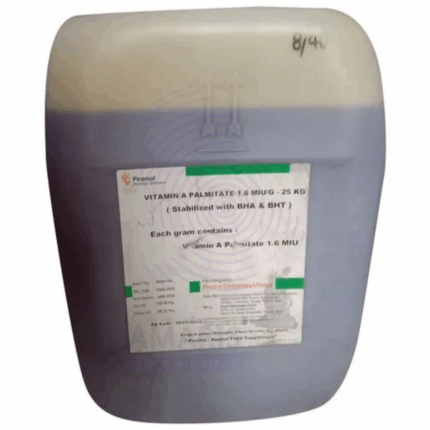
Powdered Vitamin A Palmitate
Powdered Vitamin A Palmitate is a stable, fat-soluble ester of vitamin A widely used as a dietary supplement and food fortification ingredient. It is an essential nutrient important for vision, immune function, skin health, and cellular growth. The powdered form offers ease of handling and incorporation into various food, pharmaceutical, and cosmetic products due to its stability and bioavailability.

Urea
Urea is a highly water-soluble organic compound widely used as a nitrogen-release fertilizer in agriculture. It serves as a key source of nitrogen for plant growth and development. Apart from agriculture, urea is utilized in various industrial applications such as resin production, animal feed, and chemical manufacturing. Its high nitrogen content and easy handling make it a versatile and essential raw material in multiple sectors.












