

 Preservatives(food)
 Flavors
 Acidulants
 Sweeteners
 Antioxidants
 Colorants(food)
 Nutraceutical Ingredients (food)
 Nutrient Supplements
 Emulsifiers
 Collectors
 Dust Suppressants
 Explosives and Blasting Agents
 Flocculants and Coagulants
 Frothers
 Leaching Agents
 pH Modifiers
 Precious Metal Extraction Agents
 Antioxidants(plastic)
 Colorants (Pigments, Dyes)
 Fillers and Reinforcements
 Flame Retardants
 Monomers
 Plasticizers
 Polymerization Initiators
 Stabilizers (UV, Heat)
 Antifoaming Agents
 Chelating Agents
 Coagulants and Flocculants
 Corrosion Inhibitors
 Disinfectants and Biocides
 Oxidizing Agents
 pH Adjusters
 Scale Inhibitors( water)
 Antioxidants(cosmetic)
 Emollients
 Oils
Oils Carrier Oills
 Essential Oils
 Humectants
 Preservatives
 Surfactants(cosmetic)
 Thickeners
 UV Filters
 Fragrance (Cosmetics)
 Fertilizers
 Soil Conditioners
 Plant Growth Regulators
 Animal Feed Additives
 Biostimulants
 Pesticides (Herbicides, Insecticides, Fungicides)
 Active Pharmaceutical Ingredients (APIs)
 Excipients
 Solvents(pharmaceutical)
 Antibiotics
 Antiseptics and Disinfectants
 Vaccine Adjuvants
 Nutraceutical Ingredients (pharmaceutical)
 Analgesics & Antipyretics
 Analytical Reagents
 Solvents(lab)
 Chromatography Chemicals
 Spectroscopy Reagents
 microbiology-and-cell-culture-reagents
 Molecular Biology Reagents
 Biochemical Reagents
 Inorganic and Organic Standards
 Laboratory Safety Chemicals
 Specialty Laboratory Chemicals(Special Laboratory Equipment)
 Demulsifiers
 Hydraulic Fracturing Fluids
 Scale Inhibitors(oil)
 Surfactants(oil)
 Drilling Fluids
 Dyes and Pigments
 Bleaching Agents
 Softening Agents
 Finishing Agents
 Antistatic Agents
 Admixtures
 Waterproofing Agents
 Sealants and Adhesives
 Curing Compounds
 Concrete Repair Chemicals
 Anti-Corrosion Coatings
 Surfactants(cleaning)
 Builders
 Enzymes
 Solvents (Cleaning)
 Electronic Chemicals
 Catalysts
 Lubricants
 Photographic Chemicals
 Refrigerants
 Automotive chemicals
 Pyrotechnic Chemicals
 Biodegradable Surfactants
 Bio-based Solvents
 Renewable Polymers
 Carbon Capture Chemicals
 Wastewater Treatment Chemicals
 Pigments
 Solvents(paint)
 Specialty Coatings
 Binders/Resins
 Additives
 Driers
 Anti-Corrosion Agents
 Functional Coatings
 Application-Specific Coatings
 Leavening Agents
 Dough Conditioners
 Flour Treatments
 Fat Replacers
 Decoratives
 Preservatives(baking)
 Plasticizers & Softeners
 Reinforcing Agents
 Adhesion Promoters
 Vulcanizing Agents
 Antidegradants
 Blowing Agents
 Fillers & Extenders
 Accelerators & Retarders




Urea
Urea is a highly water-soluble organic compound widely used as a nitrogen-release fertilizer in agriculture. It serves as a key source of nitrogen for plant growth and development. Apart from agriculture, urea is utilized in various industrial applications such as resin production, animal feed, and chemical manufacturing. Its high nitrogen content and easy handling make it a versatile and essential raw material in multiple sectors.
Urea
Primary Uses
- Agriculture
- Nitrogen Fertilizer: Provides a concentrated and readily available nitrogen source to improve crop yields and soil fertility.
- Foliar Feeding: Used in foliar sprays for rapid nutrient absorption by plants.
- Soil Conditioner: Helps in correcting nitrogen deficiency and improving soil nutrient balance.
- Chemical Industry
- Resin Production: Raw material for manufacturing urea-formaldehyde and melamine-formaldehyde resins used in adhesives, laminates, and molding compounds.
- Admixtures: Used in the synthesis of various chemicals, including fertilizers and pharmaceuticals.
Secondary Uses
- Animal Feed
- Added as a non-protein nitrogen source in ruminant feed to enhance microbial protein synthesis in the rumen.
- Automotive Industry
- Used in selective catalytic reduction (SCR) systems as diesel exhaust fluid (DEF) to reduce nitrogen oxide emissions from diesel engines.
- Medical and Laboratory Applications
- Used in diagnostic reagents and as a protein denaturant in laboratories.
- Cosmetics and Personal Care
- Incorporated as a moisturizer and skin-conditioning agent in creams and lotions.
1. Basic Identification Attributes
- Chemical Name (IUPAC): Carbamide
- Common/Trade Name: Urea
- CAS Number: 57-13-6
- HS Code: 3102.10.00
- Synonyms: Carbamide, Carbonyl diamide
2. Physical & Chemical Properties
- Physical State: White crystalline solid or prills
- Color & Odor: Colorless to white; odorless
- Melting Point: 132.7 °C (decomposes)
- Solubility: Highly soluble in water; soluble in alcohol and slightly soluble in ether
- Density: Approximately 1.32 g/cm³
3. Safety & Hazard Attributes
- GHS Classification: Not classified as hazardous under normal handling
- Toxicity: Low toxicity; may cause mild irritation to skin and eyes
- Exposure Limits: No specific occupational exposure limits established; standard hygiene practices recommended
4. Storage & Handling Attributes
- Storage Conditions: Store in a cool, dry, well-ventilated area away from moisture and incompatible substances
- Container Type: Bags, bulk containers, or drums
- Shelf Life: Typically 12-24 months when stored properly
- Handling Precautions: Avoid moisture absorption and dust formation; use protective equipment to minimize dust inhalation
5. Regulatory & Compliance Attributes
- Complies with major chemical regulatory frameworks such as REACH and TSCA
- Manufactured according to Good Manufacturing Practices (GMP) ensuring consistent quality
- Meets international fertilizer standards for agricultural use
6. Environmental & Health Impact
- Biodegradability: Biodegradable and breaks down into ammonia and carbon dioxide
- Ecotoxicity: Low toxicity to aquatic life when diluted; excessive nitrogen can cause eutrophication
- Bioaccumulation: Not significant
Safety Handling Precautions
- PPE Required: Gloves, dust mask, and eye protection recommended during handling
- Handling Guidelines: Use adequate ventilation to prevent dust accumulation
- Storage Measures: Keep containers tightly closed and dry
First Aid Measures
- Inhalation: Move to fresh air; seek medical attention if respiratory symptoms develop
- Skin Contact: Wash thoroughly with soap and water
- Eye Contact: Flush eyes with water for at least 15 minutes; seek medical attention if irritation persists
- Ingestion: Rinse mouth; drink water; seek medical advice if large quantities are ingested
Firefighting Measures
- Fire Hazards: Urea is non-flammable but decomposes at high temperatures releasing toxic gases
- Extinguishing Media: Use water spray, foam, or dry chemical extinguishers
- Hazardous Combustion Products: Nitrogen oxides, ammonia, and cyanuric acid may be released during decomposition
Related products
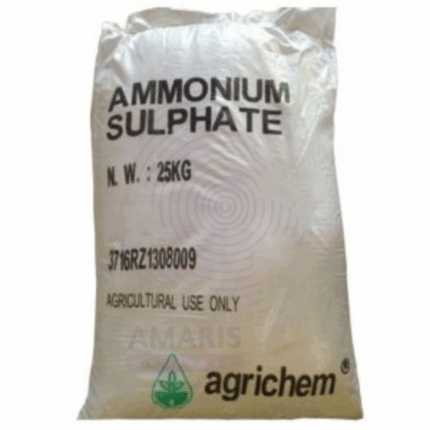
Ammonium Sulphate
Ammonium Sulphate is an inorganic salt with the formula (NH₄)₂SO₄. It appears as a white crystalline solid, highly soluble in water, and is widely used as a fertilizer due to its high nitrogen and sulfur content. Besides agriculture, ammonium sulphate finds extensive use in industrial processes, food additives, pharmaceutical applications, and water treatment. It acts as a soil amendment to improve nitrogen levels and acidity, a flocculating agent in water purification, and a stabilizer or precipitant in biochemical and pharmaceutical formulations.
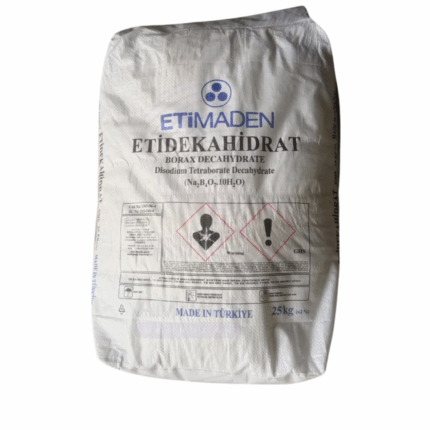
Borax Decahydrate
Borax Decahydrate, also known as sodium tetraborate decahydrate, is a naturally occurring mineral and an important inorganic compound. It appears as colorless or white crystalline granules or powder with a salty, alkaline taste. This compound is widely used in detergents, cosmetics, glass manufacturing, agriculture, and various industrial applications due to its excellent buffering, emulsifying, and antiseptic properties. The “decahydrate” indicates that each molecule of borax contains ten water molecules bound in its crystal structure, contributing to its crystalline appearance and physical properties.
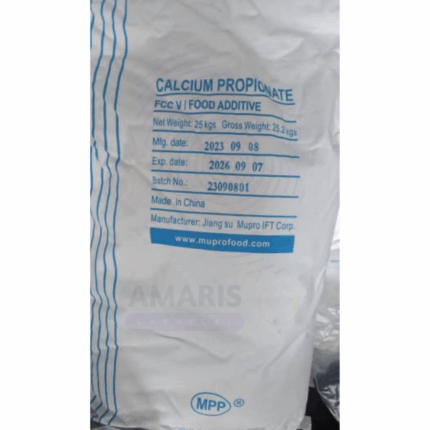
Calcium Propionate
Calcium Propionate is the calcium salt of propionic acid, appearing as a white, crystalline powder or granules with a slightly salty taste and low odor. It is highly soluble in water and used primarily as a food preservative and mold inhibitor. Calcium Propionate inhibits the growth of mold, bacteria, and fungi, making it especially valuable in baked goods, dairy products, and animal feed to extend shelf life and prevent spoilage. It also finds application in pharmaceuticals and cosmetics as a preservative and antimicrobial agent.
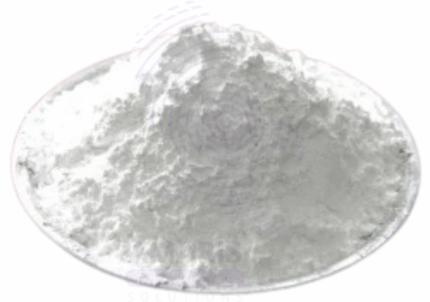
Chlorpheniramine Maleate
Chlorpheniramine Maleate is a first-generation alkylamine antihistamine used primarily to relieve allergy symptoms by blocking H1 histamine receptors. It appears as a white or off-white crystalline powder, freely soluble in water and alcohol. Known for rapid onset and moderate duration of action, it’s widely formulated in pharmaceuticals. It also exhibits mild anticholinergic and sedative effects.
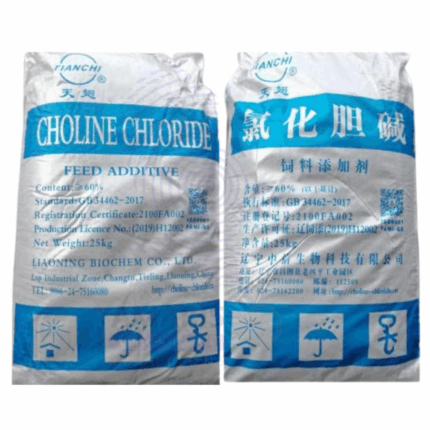
Choline Chloride Powder
Choline Chloride Powder is a white to off-white crystalline powder containing 60% choline chloride, a quaternary ammonium salt essential as a nutrient in animal and poultry feed. It serves as a vital source of choline, an important component in fat metabolism, liver function, and cell membrane integrity. Produced through chemical synthesis, this powder form is highly soluble in water, making it easy to incorporate into feed premixes and supplements. Choline chloride is widely used in the agriculture industry to prevent choline deficiency, enhance growth performance, and improve overall health in livestock. Beyond animal nutrition, it finds applications in chemical manufacturing and pharmaceuticals.
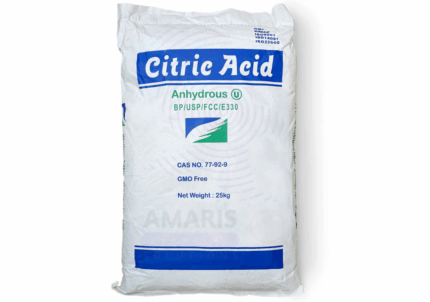
Citric Acid Anhydrous
Citric Acid Anhydrous is a white, crystalline organic acid widely used across food, pharmaceutical, cosmetic, and industrial sectors. It is the anhydrous form of citric acid, meaning it contains no water molecules in its crystal lattice, resulting in higher purity and more concentrated acidic properties compared to its monohydrate form. Derived from natural sources like citrus fruits or produced via microbial fermentation, citric acid anhydrous is valued for its sour taste, excellent chelating ability, and buffering capacity. It serves as a natural preservative, pH adjuster, antioxidant synergist, and cleaning agent, making it a versatile ingredient in many formulations.
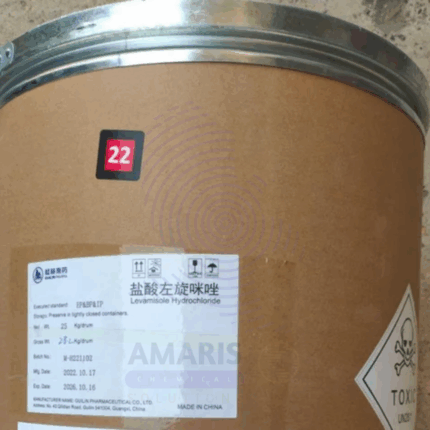
Levamisole Hcl BP2000
Levamisole Hcl BP2000 is a white to off-white crystalline powder, soluble in water, with anthelmintic and immunomodulatory properties. It is primarily used as a veterinary antiparasitic agent effective against gastrointestinal nematodes in livestock. Levamisole HCL BP2000 conforms to British Pharmacopoeia standards, ensuring high purity and quality for pharmaceutical and veterinary formulations. Beyond veterinary uses, it is also researched for immunostimulant properties in medical applications.

Loperamide HCL
Loperamide HCL is a synthetic opioid-receptor agonist used primarily as an antidiarrheal medication. It acts on the µ-opioid receptors in the intestinal wall to decrease gut motility, prolonging transit time and allowing increased absorption of fluids and electrolytes. Loperamide HCL is widely used in pharmaceutical formulations to treat acute and chronic diarrhea, including travelers’ diarrhea and diarrhea associated with inflammatory bowel disease. It is a white to off-white crystalline powder, highly soluble in water and commonly supplied in pharmaceutical grade for oral dosage forms.












