

 Preservatives(food)
 Flavors
 Acidulants
 Sweeteners
 Antioxidants
 Colorants(food)
 Nutraceutical Ingredients (food)
 Nutrient Supplements
 Emulsifiers
 Collectors
 Dust Suppressants
 Explosives and Blasting Agents
 Flocculants and Coagulants
 Frothers
 Leaching Agents
 pH Modifiers
 Precious Metal Extraction Agents
 Antioxidants(plastic)
 Colorants (Pigments, Dyes)
 Fillers and Reinforcements
 Flame Retardants
 Monomers
 Plasticizers
 Polymerization Initiators
 Stabilizers (UV, Heat)
 Antifoaming Agents
 Chelating Agents
 Coagulants and Flocculants
 Corrosion Inhibitors
 Disinfectants and Biocides
 Oxidizing Agents
 pH Adjusters
 Scale Inhibitors( water)
 Antioxidants(cosmetic)
 Emollients
 Oils
Oils Carrier Oills
 Essential Oils
 Humectants
 Preservatives
 Surfactants(cosmetic)
 Thickeners
 UV Filters
 Fertilizers
 Soil Conditioners
 Plant Growth Regulators
 Animal Feed Additives
 Biostimulants
 Pesticides (Herbicides, Insecticides, Fungicides)
 Active Pharmaceutical Ingredients (APIs)
 Excipients
 Solvents(pharmaceutical)
 Antibiotics
 Antiseptics and Disinfectants
 Vaccine Adjuvants
 Nutraceutical Ingredients (pharmaceutical)
 Analgesics & Antipyretics
 Analytical Reagents
 Solvents(lab)
 Chromatography Chemicals
 Spectroscopy Reagents
 microbiology-and-cell-culture-reagents
 Molecular Biology Reagents
 Biochemical Reagents
 Inorganic and Organic Standards
 Laboratory Safety Chemicals
 Specialty Laboratory Chemicals(Special Laboratory Equipment)
 Demulsifiers
 Hydraulic Fracturing Fluids
 Scale Inhibitors(oil)
 Surfactants(oil)
 Drilling Fluids
 Dyes and Pigments
 Bleaching Agents
 Softening Agents
 Finishing Agents
 Antistatic Agents
 Admixtures
 Waterproofing Agents
 Sealants and Adhesives
 Curing Compounds
 Concrete Repair Chemicals
 Anti-Corrosion Coatings
 Surfactants(cleaning)
 Builders
 Enzymes
 Solvents (Cleaning)
 Fragrances (Cleaning)
 Electronic Chemicals
 Catalysts
 Lubricants
 Photographic Chemicals
 Refrigerants
 Automotive chemicals
 Pyrotechnic Chemicals
 Biodegradable Surfactants
 Bio-based Solvents
 Renewable Polymers
 Carbon Capture Chemicals
 Wastewater Treatment Chemicals
 Pigments
 Solvents(paint)
 Specialty Coatings
 Binders/Resins
 Additives
 Driers
 Anti-Corrosion Agents
 Functional Coatings
 Application-Specific Coatings
 Leavening Agents
 Dough Conditioners
 Flour Treatments
 Fat Replacers
 Decoratives
 Preservatives(baking)
 Plasticizers & Softeners
 Reinforcing Agents
 Adhesion Promoters
 Vulcanizing Agents
 Antidegradants
 Blowing Agents
 Fillers & Extenders
 Accelerators & Retarders


Atropine Sulphate
Atropine Sulphate is a crystalline, water-soluble alkaloid salt derived from the belladonna plant (Atropa belladonna) and other Solanaceae family members. It is a tropane alkaloid with potent anticholinergic properties, widely used in medicine for its ability to block muscarinic acetylcholine receptors. Atropine Sulphate is employed in ophthalmology, emergency medicine, and anesthesia for its effects on the eyes, heart, and smooth muscles. It acts by inhibiting parasympathetic nerve impulses, resulting in pupil dilation, increased heart rate, and reduced gland secretions.
Atropine Sulphate
Primary Uses
- Medical & Pharmaceutical Applications
- Used as a mydriatic agent to dilate pupils during eye examinations and surgeries.
- Administered to treat bradycardia (slow heart rate) during cardiac emergencies by increasing heart rate.
- Utilized as an antidote to counteract organophosphate poisoning (e.g., insecticide poisoning) by blocking excessive acetylcholine effects.
- Employed preoperatively to reduce salivation and respiratory secretions during anesthesia.
- Used to relieve smooth muscle spasms in gastrointestinal, urinary, and biliary tracts (antispasmodic effects).
- Applied in ophthalmology for uveitis treatment and cycloplegia (paralysis of ciliary muscles).
- Research and Diagnostic Uses
- Used in pharmacological research to study parasympathetic nervous system functions and receptor activity.
Secondary Uses
- Veterinary Medicine
- Administered to animals for similar indications such as treating bradycardia or as an antispasmodic.
- Cosmetics
- Rarely used in topical preparations for pupil dilation in certain clinical cosmetics procedures under strict supervision.
- Laboratory Reagent
- Used as a reagent in chemical and biochemical assays.
1. Basic Identification Attributes
- Chemical Name (IUPAC): (8-Methyl-8-azabicyclo[3.2.1]oct-3-yl) 3-hydroxy-2-phenylpropanoate sulfate (1:1)
- Common/Trade Name: Atropine Sulphate
- CAS Number: 591-50-4
- HS Code: 2933.99.90
- Molecular Formula: C₁₇H₂₃NO₃·H₂SO₄
- Synonyms:
- Atropine sulfate salt
- (±)-Atropine sulfate
- Belladonna alkaloid
2. Physical & Chemical Properties
- Physical State: White or slightly yellow crystalline powder or granules
- Color & Odor: White to off-white, odorless or faint odor
- Melting Point: 230–235 °C (decomposes)
- Density: Approximately 1.7 g/cm³
- Solubility: Highly soluble in water; soluble in alcohol and slightly soluble in chloroform
- pH Level: Slightly acidic aqueous solutions
- Vapor Pressure: Negligible
- Flash Point: Not flammable
- Autoignition Temperature: N/A
3. Safety & Hazard Attributes
- Hazard Class (GHS): Toxic if swallowed (Category 3), harmful if inhaled or in contact with skin
- NFPA Ratings: Health 3, Flammability 1, Reactivity 0
- Exposure Limits: No specific OSHA/ACGIH limits, but use with caution due to toxicity
- Reactivity: Stable under normal conditions; sensitive to strong acids, bases, and light degradation
4. Storage & Handling Attributes
- Storage Conditions: Store in a cool, dry, and dark place in tightly closed containers
- Container Type: Amber glass or high-density polyethylene containers to avoid light exposure
- Shelf Life: Typically 2–3 years under proper storage
- Special Handling: Use gloves, avoid inhalation or ingestion, and prevent skin/eye contact
5. Regulatory & Compliance Attributes
- FDA (USA): Approved pharmaceutical ingredient with regulated dosage and use
- EMA (EU): Approved and controlled as a medicinal product
- JECFA: Listed with established acceptable daily intake for medical uses
- Hazard Symbols (GHS): Toxic health hazard symbol
- Transportation Restrictions: Classified as a hazardous pharmaceutical material
- Waste Disposal: Dispose of as hazardous pharmaceutical waste according to local regulations
6. Environmental & Health Impact
- Ecotoxicity: Potentially toxic to aquatic life in high concentrations
- Persistence: Biodegradable but should be disposed of carefully to avoid environmental contamination
- Carcinogenicity/Mutagenicity: Not classified as carcinogenic
- Biodegradability: Biodegradable under normal environmental conditions
Safety Handling Precautions
- PPE: Wear gloves, lab coat, safety goggles, and respiratory protection when handling powders or solutions.
- Handling: Work in well-ventilated areas or fume hoods; avoid inhalation, ingestion, and skin/eye contact.
- Storage: Store away from light, moisture, and incompatible substances; keep tightly sealed.
- Hygiene: Wash hands thoroughly after use; do not eat, drink, or smoke in handling areas.
- Spill Response: Use absorbent materials and dispose of as hazardous waste.
First Aid Measures
- Inhalation: Move affected person to fresh air immediately; seek medical attention if breathing difficulty occurs.
- Skin Contact: Wash skin thoroughly with soap and water; remove contaminated clothing; seek medical advice if irritation persists.
- Eye Contact: Rinse eyes with water for at least 15 minutes; seek medical attention immediately.
- Ingestion: Do NOT induce vomiting; rinse mouth and seek emergency medical care immediately.
Firefighting Measures
- Fire Hazards: Not highly flammable but may decompose producing toxic fumes if heated strongly.
- Extinguishing Media: Use water spray, foam, dry chemical, or carbon dioxide extinguishers.
- Special Precautions: Firefighters should wear full protective gear and self-contained breathing apparatus (SCBA).
Related products
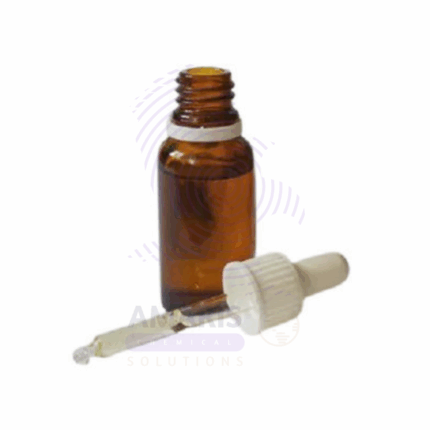
Argan Oil
Argan Oil is a nutrient-rich natural oil derived from the kernels of the Argan tree (Argania spinosa), native to Morocco. Extracted through cold pressing, it is golden-yellow in color and has a mildly nutty aroma. Renowned for its high content of essential fatty acids (oleic and linoleic acid), vitamin E (tocopherol), polyphenols, and antioxidants, Argan Oil is widely used in cosmetic, personal care, pharmaceutical, and nutraceutical formulations.
This oil is a potent emollient, moisturizer, and skin rejuvenator, making it highly effective in skincare and hair care products. Argan Oil also offers anti-inflammatory and wound-healing properties and is commonly used in anti-aging formulations. Its light texture and quick absorption make it ideal for both leave-on and rinse-off applications. Additionally, edible-grade Argan Oil is used in culinary preparations, contributing both flavor and nutritional benefits.
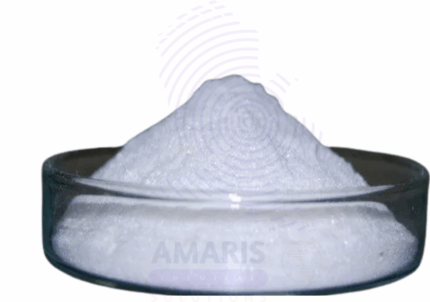
Cetirizine Hydrochloride
Cetirizine Hydrochloride is a widely used second-generation antihistamine effective for treating allergic conditions such as allergic rhinitis, chronic urticaria, and other allergy symptoms. It is the hydrochloride salt form of cetirizine, existing as a white to off-white crystalline powder with a slightly bitter taste. Cetirizine HCl acts by selectively blocking peripheral H1 histamine receptors, thereby reducing allergic symptoms without significant sedation or central nervous system depression. It is commonly formulated into tablets, syrups, and capsules as an active pharmaceutical ingredient.
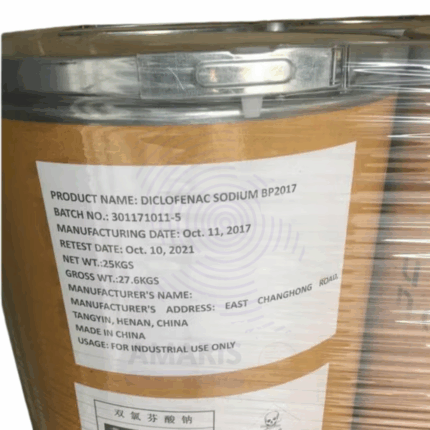
Diclofenac Sodium BP
Diclofenac Sodium is a nonsteroidal anti-inflammatory drug (NSAID) widely used for its potent analgesic, anti-inflammatory, and antipyretic properties. It is the sodium salt form of diclofenac, providing enhanced solubility and rapid absorption. Diclofenac Sodium BP (British Pharmacopoeia standard) ensures pharmaceutical-grade purity and compliance with stringent quality standards. It is commonly formulated in oral tablets, topical gels, injections, and ophthalmic preparations.
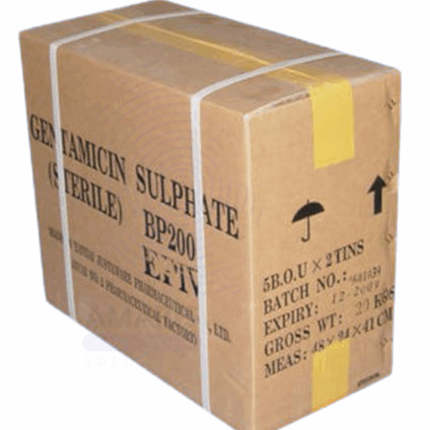
Gentamycin Sulphate
Gentamycin Sulphate is an aminoglycoside antibiotic derived from Micromonospora purpurea and Micromonospora griseorubida. It appears as a white or off-white crystalline powder, highly soluble in water, with a characteristic aminoglycoside odor. Gentamycin Sulphate is widely used in human and veterinary medicine for its broad-spectrum bactericidal activity against aerobic Gram-negative and some Gram-positive bacteria. It works by inhibiting bacterial protein synthesis through binding to the 30S ribosomal subunit, leading to bacterial cell death. Due to its effectiveness against severe infections and multi-drug resistant strains, it is an essential antibiotic in clinical settings.
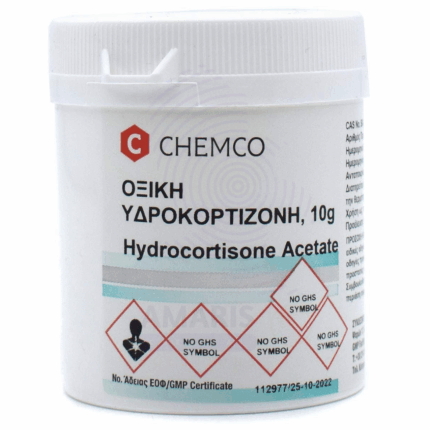
Hydrocortisone Acetate
Hydrocortisone Acetate is a synthetic corticosteroid ester derived from hydrocortisone (cortisol). It is a white to off-white crystalline powder, practically insoluble in water but soluble in alcohol and acetone. This compound exhibits potent anti-inflammatory, immunosuppressive, and anti-allergic properties, making it widely used in pharmaceutical and dermatological formulations. Hydrocortisone Acetate acts by modulating gene expression to reduce the production of inflammatory mediators, thereby alleviating symptoms in various inflammatory and autoimmune conditions.

Passion Liquid Flavor
Passion Liquid Flavor is a concentrated, vibrant flavoring agent designed to impart the sweet and tangy taste of passion fruit in food and beverage products. This high-quality liquid flavor is formulated for excellent solubility and stability in various aqueous and non-aqueous food systems. It is widely used in confectionery, beverages, dairy products, bakery, and snacks to deliver a natural tropical fruit flavor profile. Manufactured following stringent food safety standards, Passion Liquid Flavor ensures consistent taste, purity, and compliance with regulatory requirements for food-grade ingredients.

Potassium Metabisulphite Food Grade
Potassium Metabisulphite Food Grade is a white crystalline powder with strong antioxidant and preservative properties. It is widely used in the food and beverage industry as a disinfectant, antioxidant, and preservative to prevent spoilage and microbial growth. It also acts as a bleaching agent and sulfur dioxide (SO₂) source. This compound is critical in winemaking, brewing, and food processing to maintain product quality and extend shelf life.
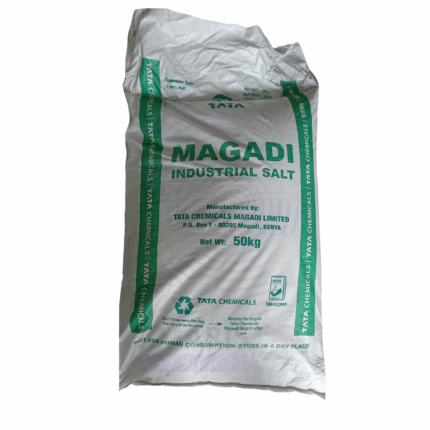
Sodium Chloride (Industrial Salt)
Sodium Chloride (Industrial Salt) is a highly purified, sterile, and non-pyrogenic salt intended for intravenous, intramuscular, and subcutaneous administration. It is commonly used in medical and pharmaceutical settings as a key component of intravenous fluids, for rehydration therapy, electrolyte replenishment, and as a diluent for injectable drugs. This grade meets stringent pharmacopoeial standards (British Pharmacopoeia) ensuring safety and compatibility with parenteral use.












