

 Preservatives(food)
 Flavors
 Acidulants
 Sweeteners
 Antioxidants
 Colorants(food)
 Nutraceutical Ingredients (food)
 Nutrient Supplements
 Emulsifiers
 Collectors
 Dust Suppressants
 Explosives and Blasting Agents
 Flocculants and Coagulants
 Frothers
 Leaching Agents
 pH Modifiers
 Precious Metal Extraction Agents
 Antioxidants(plastic)
 Colorants (Pigments, Dyes)
 Fillers and Reinforcements
 Flame Retardants
 Monomers
 Plasticizers
 Polymerization Initiators
 Stabilizers (UV, Heat)
 Antifoaming Agents
 Chelating Agents
 Coagulants and Flocculants
 Corrosion Inhibitors
 Disinfectants and Biocides
 Oxidizing Agents
 pH Adjusters
 Scale Inhibitors( water)
 Antioxidants(cosmetic)
 Emollients
 Oils
Oils Carrier Oills
 Essential Oils
 Humectants
 Preservatives
 Surfactants(cosmetic)
 Thickeners
 UV Filters
 Fertilizers
 Soil Conditioners
 Plant Growth Regulators
 Animal Feed Additives
 Biostimulants
 Pesticides (Herbicides, Insecticides, Fungicides)
 Active Pharmaceutical Ingredients (APIs)
 Excipients
 Solvents(pharmaceutical)
 Antibiotics
 Antiseptics and Disinfectants
 Vaccine Adjuvants
 Nutraceutical Ingredients (pharmaceutical)
 Analgesics & Antipyretics
 Analytical Reagents
 Solvents(lab)
 Chromatography Chemicals
 Spectroscopy Reagents
 microbiology-and-cell-culture-reagents
 Molecular Biology Reagents
 Biochemical Reagents
 Inorganic and Organic Standards
 Laboratory Safety Chemicals
 Specialty Laboratory Chemicals(Special Laboratory Equipment)
 Demulsifiers
 Hydraulic Fracturing Fluids
 Scale Inhibitors(oil)
 Surfactants(oil)
 Drilling Fluids
 Dyes and Pigments
 Bleaching Agents
 Softening Agents
 Finishing Agents
 Antistatic Agents
 Admixtures
 Waterproofing Agents
 Sealants and Adhesives
 Curing Compounds
 Concrete Repair Chemicals
 Anti-Corrosion Coatings
 Surfactants(cleaning)
 Builders
 Enzymes
 Solvents (Cleaning)
 Fragrances (Cleaning)
 Electronic Chemicals
 Catalysts
 Lubricants
 Photographic Chemicals
 Refrigerants
 Automotive chemicals
 Pyrotechnic Chemicals
 Biodegradable Surfactants
 Bio-based Solvents
 Renewable Polymers
 Carbon Capture Chemicals
 Wastewater Treatment Chemicals
 Pigments
 Solvents(paint)
 Specialty Coatings
 Binders/Resins
 Additives
 Driers
 Anti-Corrosion Agents
 Functional Coatings
 Application-Specific Coatings
 Leavening Agents
 Dough Conditioners
 Flour Treatments
 Fat Replacers
 Decoratives
 Preservatives(baking)
 Plasticizers & Softeners
 Reinforcing Agents
 Adhesion Promoters
 Vulcanizing Agents
 Antidegradants
 Blowing Agents
 Fillers & Extenders
 Accelerators & Retarders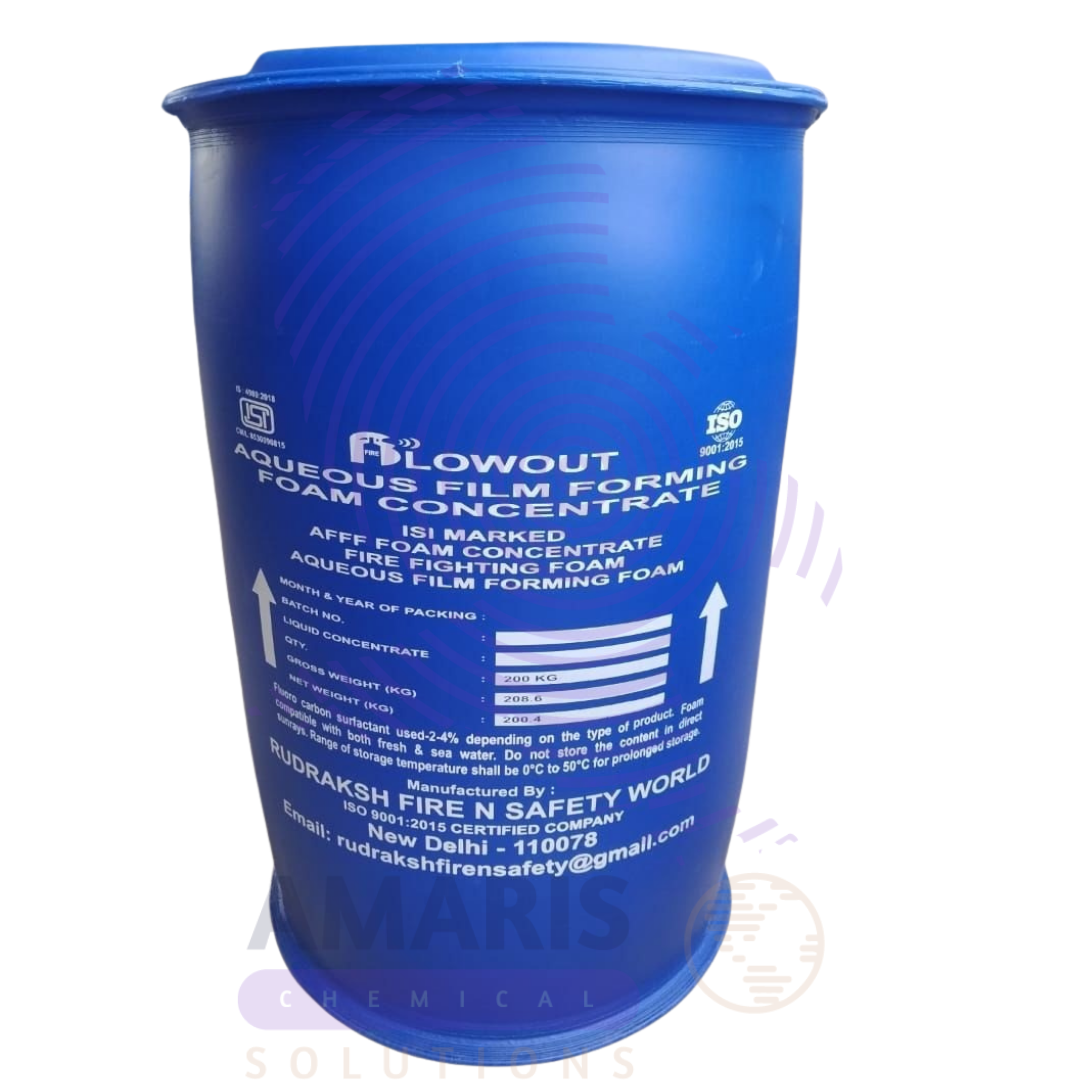



Aqueous Film-Forming Foam (AFF)
Aqueous Film-Forming Foam (AFF) is a highly effective synthetic firefighting foam concentrate designed to extinguish flammable liquid fires (Class B) by forming a water-based film that rapidly cuts off oxygen and halts vapor release. Modern formulations are increasingly fluorine-free (PFAS-free), providing high-performance fire suppression while addressing significant environmental and health concerns associated with legacy PFAS-containing foams. It is used in fixed systems and portable equipment across aviation, maritime, petrochemical, and industrial sectors.
Aqueous Film-Forming Foam (AFF)
Primary Uses
- Aviation & Airport Firefighting
- The standard agent for ARFF (Aircraft Rescue and Fire Fighting) vehicles for crash fire response.
- Used in hangar protection systems and fuel farm deluge systems.
- Petrochemical & Oil Industry
- Protects refineries, processing plants, and storage terminals for hydrocarbons, alcohols, and polar solvents (depending on grade).
- Applied in spill fire scenarios and as a vapor suppression agent.
- Marine & Offshore Applications
- Installed in engine rooms, pump rooms, and deck foam systems on ships and offshore platforms.
- Used for combating fuel and lubricant fires in marine environments.
- Industrial Fire Protection
- Safeguards warehouses, flammable liquid storage areas, and manufacturing facilities using combustible liquids.
- Integral part of safety protocols for high-hazard industrial operations.
Secondary Uses
- Municipal Fire Brigades
- Carried by hazard response units for flammable liquid transportation incidents (e.g., tanker truck fires).
- Military Applications
- Used for shipboard, airfield, and vehicle fire protection (with a mandated shift to PFAS-free formulations).
- Training Exercises
- Used in controlled, contained training environments, with a strong preference for PFAS-free, environmentally compliant foams.
| CONCENTRATIONS | 3%, 6% |
|---|
1. Basic Identification Attributes
- Chemical Name (IUPAC): Mixture of hydrocarbon and fluorinated surfactants, solvents, and polymers (legacy); Hydrocarbon surfactants, polymers, and stabilizers (modern PFAS-free).
- Common/Trade Name: AFFF, AFF, Fluorine-Free Foam (FFF), Film-Forming Fluoroprotein Foam (FFFP).
- CAS Number: Mixture; varies by formulation.
- HS Code: 3814.00.00 (Firefighting chemical preparations)
- Synonyms: Alcohol-Resistant Aqueous Film-Forming Foam (AR-AFFF), Synthetic Firefighting Foam.
2. Physical & Chemical Properties
- Physical State: Liquid concentrate
- Color & Odor: Amber to brown liquid; characteristic odor.
- pH (as supplied): 7.0 - 9.5
- Solubility: Miscible with water in all proportions.
- Freezing Point: Varies; typically protected with antifreeze agents.
- Density: ~1.01 - 1.10 g/cm³ at 20°C
3. Safety & Hazard Attributes
- GHS Classification: May cause skin irritation (Category 2). May cause eye irritation (Category 2). Toxic to aquatic life with long-lasting effects (if containing PFAS).
- Toxicity: Low acute toxicity but chronic ecological toxicity is a major concern for PFAS foams.
- Exposure Limits: Avoid inhalation of vapor or aerosol and prolonged skin contact.
4. Storage & Handling Attributes
- Storage Conditions: Store in original containers in a cool, dry, ventilated area. Protect from freezing and excessive heat (>50°C).
- Container Type: HDPE drums, totes, or stainless steel tanks. Must be corrosion-resistant.
- Shelf Life: Typically 10-25 years for sealed, properly stored concentrate.
- Handling Precautions: Use gloves and safety goggles. Ensure good ventilation. Use non-sparking tools.
5. Regulatory & Compliance Attributes
- Complies with:
- Performance Standards: IMO MSC.1/Circ. 1312, UL 162, EN 1568, ICAO Level A/B/C.
- Environmental Regulations: Increasingly banned/restricted for PFAS-containing formulations (EU, US State-level). Must comply with local discharge rules.
- Industry Approvals: FAA, US Navy (MIL-F-24385 superseded), last fire.
6. Environmental & Health Impact
- Biodegradability: PFAS-free formulations are readily biodegradable. Legacy PFAS foams are non-biodegradable.
- Ecotoxicity: PFAS compounds are persistent, bioaccumulative, and toxic (PBT). Fluorine-free foams present a significantly lower environmental hazard.
- Persistence: PFAS are "forever chemicals" with indefinite environmental persistence.
- Bioaccumulation: PFAS accumulate in living organisms, including humans.
Safety Handling Precautions
- PPE Required: Chemical-resistant gloves (nitrile), safety goggles, and protective clothing.
- Handling Guidelines: Prevent spills. Do not contaminate water sources. Handle in well-ventilated areas.
- Storage Measures: Keep away from oxidizers and acids. Ensure bunding for secondary containment.
First Aid Measures
-
- Inhalation: Move to fresh air.
- Skin Contact: Wash thoroughly with soap and water.
- Eye Contact: Rinse immediately with plenty of water for 15 minutes. Seek medical attention.
- Ingestion: Rinse mouth. Do NOT induce vomiting. Seek medical advice.
Firefighting Measures
-
- Fire Hazards: Not flammable, but exposure to high heat may produce hazardous decomposition products.
- Extinguishing Media: Use water spray to cool containers and dilute spills.
- Special Precautions: Firefighters must use SCBA. Combat fire from a safe distance.
- Hazardous Combustion Products: May include carbon monoxide, carbon dioxide, hydrogen fluoride (from PFAS foams), and aldehydes.
Related products
Acticide EPW (Dry Film)
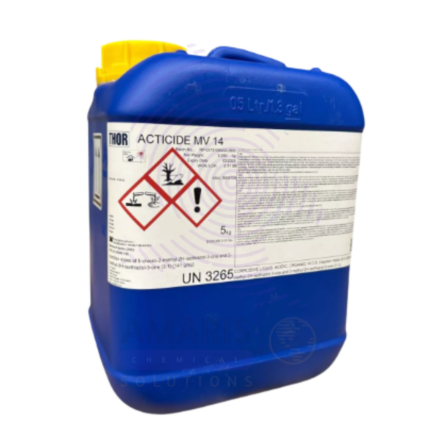
Acticide EPW is a VOC-free, water-based dry film biocide manufactured by Thor Group specifically formulated to protect exterior and interior water-based coatings, paints, and inks from surface fungal and algal growth. It appears as a white to off-white milky dispersion or suspension with a mild odor. The product is based on a synergistic blend of active ingredients including benzimidazole carbamate, 2-n-octyl-4-isothiazolin-3-one (OIT), and a urea derivative with AMME™ technology. This alkali-stable and UV-stable formulation is free from AOX (Adsorbable Organic Halogens) and VOC (Volatile Organic Compounds), making it suitable for low-VOC and environmentally conscious product formulations. Acticide EPW is manufactured for industrial use and is not intended for direct human consumption, medical applications, or food preservation.
Almond Wax
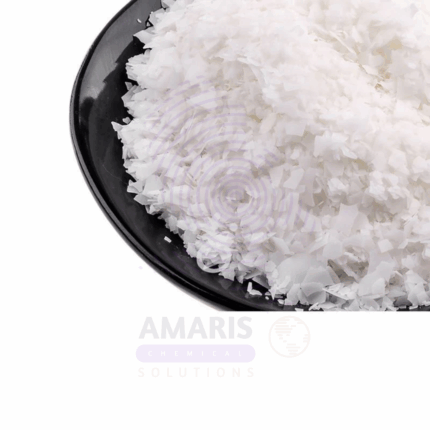
Almond Wax is a natural, plant-based wax derived from the hydrogenation of almond oil (Prunus amygdalus dulcis). It is a creamy to white, semi-solid wax with a mild, nutty scent and excellent emollient properties. Almond Wax is rich in fatty acids and has a smooth, soft texture, making it ideal for use in cosmetic, personal care, and candle formulations.
Due to its gentle consistency, skin-friendly profile, and moisturizing capabilities, Almond Wax is widely used in body butters, balms, lip care products, massage bars, and artisan soaps. It functions as a natural alternative to petroleum-based waxes and provides structure, viscosity, and glide to formulations. It also finds application in soft wax blends for natural candle products.

Dioctyl Adipate (DOA)
Dioctyl Adipate (DOA) is a clear, colorless, oily liquid that acts as a highly efficient, cold-resistant plasticizer. It is an organic compound produced from the reaction of adipic acid with 2-ethylhexanol. DOA is known for imparting excellent low-temperature flexibility and good lubricity to polymer systems. It is insoluble in water but dissolves readily in organic solvents. Technical grade Dioctyl Adipate is manufactured for industrial applications including plastic and rubber processing, coatings, and lubricants.
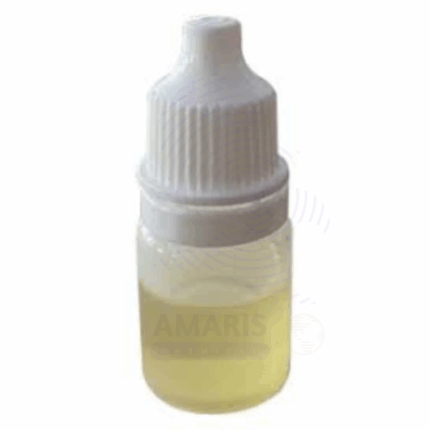
Immersion Oil
Immersion Oil is a high-purity, optically transparent oil used primarily in microscopy to enhance the resolution of high-power objectives. Applied between the microscope objective lens and the cover glass, immersion oil reduces light refraction and increases numerical aperture, allowing for clearer and more detailed imaging. It is colorless, non-drying, and has a refractive index closely matching that of glass (typically around 1.515).
This 50ml volume is ideal for laboratory, clinical, and educational settings where precision microscopy work is performed. Immersion oil is formulated to be chemically stable, non-drying, and safe for delicate optics when used correctly.
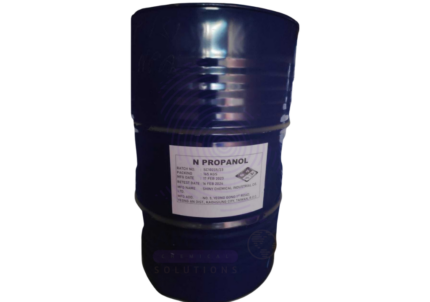
N-Propanol
N-Propanol, also known as n-Propyl Alcohol or 1-Propanol, is a clear, colorless, low-viscosity liquid with a characteristic mild alcohol-like odor. It is a primary alcohol with the molecular formula C₃H₈O, fully miscible with water and common organic solvents such as alcohols, ketones, ethers, glycols, and hydrocarbons. This high-purity, semi-volatile, polar solvent serves as both a versatile solvent and a chemical intermediate across multiple industrial sectors. N-Propanol has a flash point of 15–23°C and is classified as a highly flammable liquid. Technical grade N-Propanol is manufactured for industrial applications and is not intended for direct human consumption unless specifically certified as USP or Food Grade.
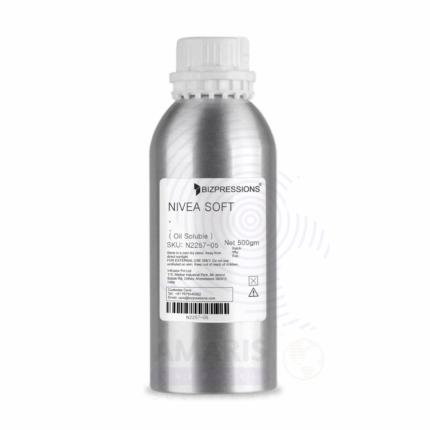
Nivea Type Fragrance Oil
Nivea Type Fragrance Oil is a premium-grade aromatic oil formulated to mimic the clean, soft, and classic scent profile associated with Nivea skincare products. This fragrance features a balanced blend of fresh florals, creamy musk, and light powdery undertones that evoke feelings of comfort, care, and softness. It is widely used in cosmetic and personal care formulations, as well as in household products where a gentle, soothing scent is desired. Due to its stability and compatibility, it can be incorporated into a variety of oil-based or water-based systems.
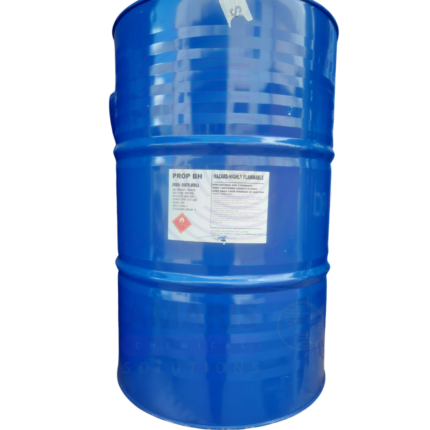
Propylparaben (Prop BH)
Prop BH, also known as Propylparaben or Propyl 4-Hydroxybenzoate, is an organic compound belonging to the paraben family of preservatives. It appears as colorless small crystals or a white crystalline powder with a characteristic mild odor and a slightly bitter taste. The compound is practically insoluble in cold water but readily soluble in alcohols, ethers, and other organic solvents. Propylparaben is widely recognized for its broad-spectrum antimicrobial activity, particularly effective against molds, yeasts, and bacteria. Propylparaben is manufactured for use as a preservative in various industrial applications and is not intended for direct human consumption without appropriate certification.
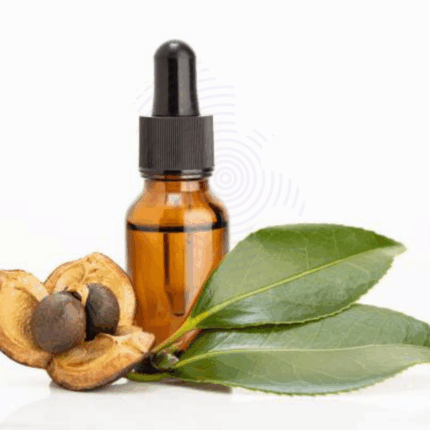
Sassafras Oil
Sassafras Oil is a potent essential oil distilled primarily from the bark of the Sassafras albidum tree, native to North America. Steam distillation yields a yellow to reddish-brown oil with a strong, sweet, root beer–like aroma due to its primary constituent, safrole. Historically used in perfumery, flavoring, and herbal medicine, Sassafras Oil possesses aromatic, antiseptic, and stimulant properties.
Despite its traditional applications, safrole-containing Sassafras Oil is strictly regulated in many countries due to potential hepatotoxicity and carcinogenicity associated with safrole. As such, modern uses are limited, and safrole-free versions are required for legal use in personal care or flavoring. In compliant forms, it finds niche use in natural fragrances, industrial solvents, and botanical extracts.












