

 Preservatives(food)
 Flavors
 Acidulants
 Sweeteners
 Antioxidants
 Colorants(food)
 Nutraceutical Ingredients (food)
 Nutrient Supplements
 Emulsifiers
 Collectors
 Dust Suppressants
 Explosives and Blasting Agents
 Flocculants and Coagulants
 Frothers
 Leaching Agents
 pH Modifiers
 Precious Metal Extraction Agents
 Antioxidants(plastic)
 Colorants (Pigments, Dyes)
 Fillers and Reinforcements
 Flame Retardants
 Monomers
 Plasticizers
 Polymerization Initiators
 Stabilizers (UV, Heat)
 Antifoaming Agents
 Chelating Agents
 Coagulants and Flocculants
 Corrosion Inhibitors
 Disinfectants and Biocides
 Oxidizing Agents
 pH Adjusters
 Scale Inhibitors( water)
 Antioxidants(cosmetic)
 Emollients
 Oils
Oils Carrier Oills
 Essential Oils
 Humectants
 Preservatives
 Surfactants(cosmetic)
 Thickeners
 UV Filters
 Fertilizers
 Soil Conditioners
 Plant Growth Regulators
 Animal Feed Additives
 Biostimulants
 Pesticides (Herbicides, Insecticides, Fungicides)
 Active Pharmaceutical Ingredients (APIs)
 Excipients
 Solvents(pharmaceutical)
 Antibiotics
 Antiseptics and Disinfectants
 Vaccine Adjuvants
 Nutraceutical Ingredients (pharmaceutical)
 Analgesics & Antipyretics
 Analytical Reagents
 Solvents(lab)
 Chromatography Chemicals
 Spectroscopy Reagents
 microbiology-and-cell-culture-reagents
 Molecular Biology Reagents
 Biochemical Reagents
 Inorganic and Organic Standards
 Laboratory Safety Chemicals
 Specialty Laboratory Chemicals(Special Laboratory Equipment)
 Demulsifiers
 Hydraulic Fracturing Fluids
 Scale Inhibitors(oil)
 Surfactants(oil)
 Drilling Fluids
 Dyes and Pigments
 Bleaching Agents
 Softening Agents
 Finishing Agents
 Antistatic Agents
 Admixtures
 Waterproofing Agents
 Sealants and Adhesives
 Curing Compounds
 Concrete Repair Chemicals
 Anti-Corrosion Coatings
 Surfactants(cleaning)
 Builders
 Enzymes
 Solvents (Cleaning)
 Fragrances (Cleaning)
 Electronic Chemicals
 Catalysts
 Lubricants
 Photographic Chemicals
 Refrigerants
 Automotive chemicals
 Pyrotechnic Chemicals
 Biodegradable Surfactants
 Bio-based Solvents
 Renewable Polymers
 Carbon Capture Chemicals
 Wastewater Treatment Chemicals
 Pigments
 Solvents(paint)
 Specialty Coatings
 Binders/Resins
 Additives
 Driers
 Anti-Corrosion Agents
 Functional Coatings
 Application-Specific Coatings
 Leavening Agents
 Dough Conditioners
 Flour Treatments
 Fat Replacers
 Decoratives
 Preservatives(baking)
 Plasticizers & Softeners
 Reinforcing Agents
 Adhesion Promoters
 Vulcanizing Agents
 Antidegradants
 Blowing Agents
 Fillers & Extenders
 Accelerators & Retarders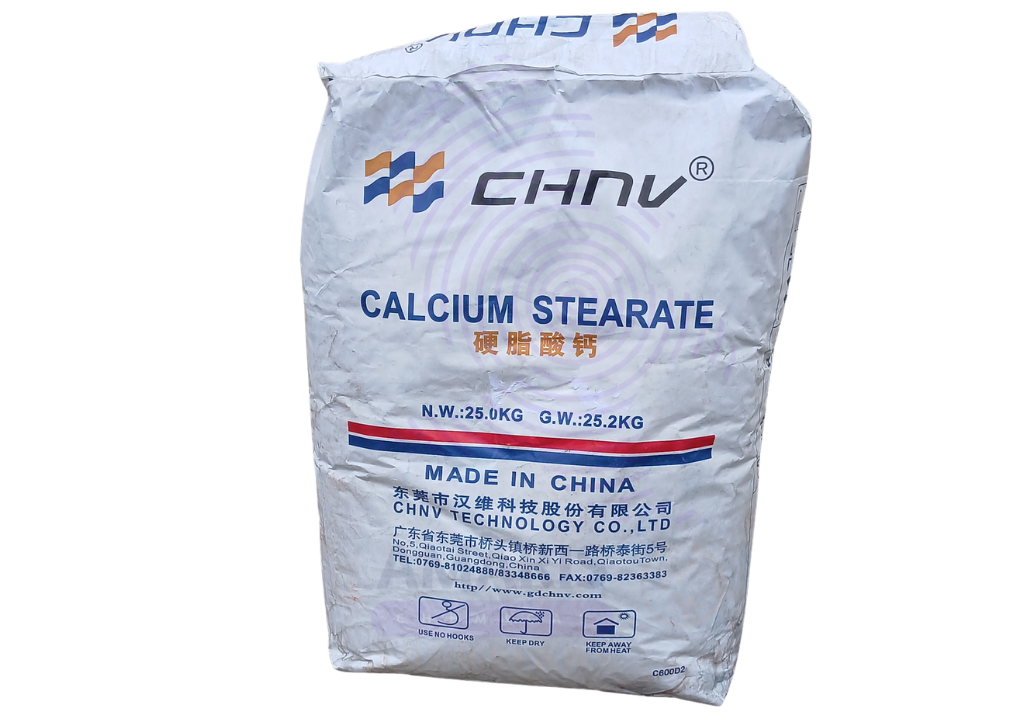






Calcium stearate
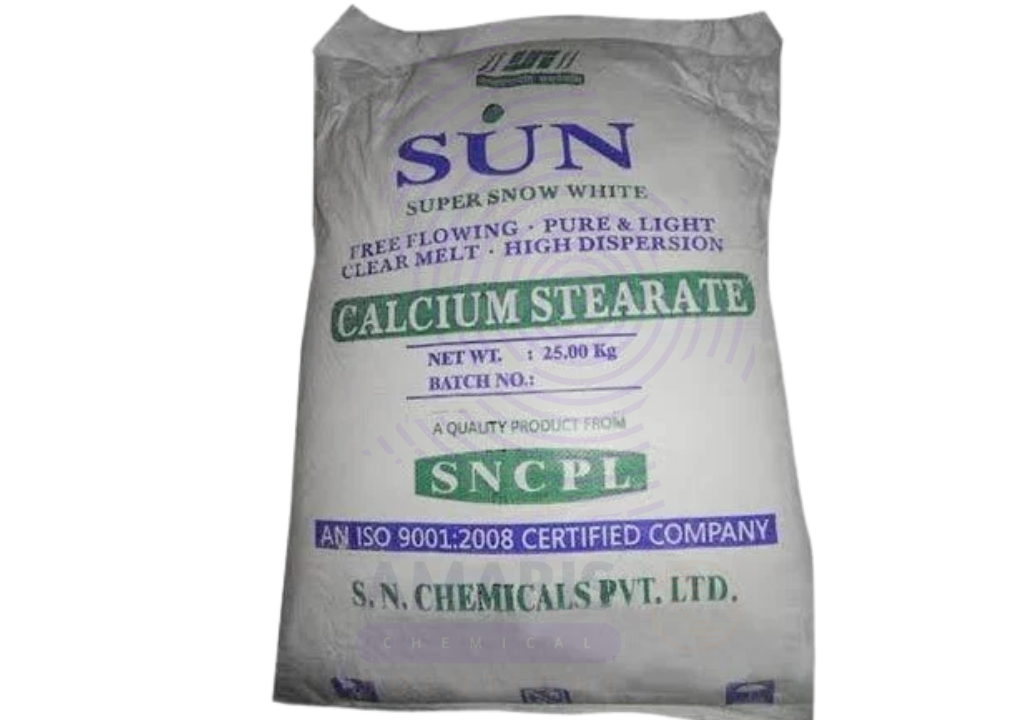
Calcium Stearate is a metallic stearate salt, appearing as a fine, white, hydrophobic powder. It is produced through the reaction of stearic acid (a fatty acid derived from natural oils and fats) with calcium oxide or calcium hydroxide. It functions primarily as an acid scavenger, lubricant, release agent, and stabilizer across multiple industrial sectors. Its unique combination of water repellency, low solubility, and high melting point makes it an essential processing additive in plastics, rubber, construction, and paper industries. Technical grade Calcium Stearate is manufactured for industrial performance applications and is not intended for direct food, pharmaceutical, or cosmetic use unless specifically certified and labeled for those applications.
Calcium stearate
Primary Uses
1. Plastics and Polymer Manufacturing
- Acid scavenger in polyolefins: Neutralizes residual acid catalyst residues from Ziegler-Natta and metallocene polymerization processes, preventing corrosion of processing equipment and degradation of polymer properties.
- Internal and external lubricant: Reduces friction between polymer chains during melt processing and prevents adhesion of molten plastic to metal surfaces of extruders, injection molds, and calenders.
- PVC heat stabilizer: Functions as a costabilizer in rigid and flexible PVC formulations, providing early color hold and preventing dehydrochlorination during high-temperature processing.
- Release agent: Facilitates demolding of plastic articles and prevents sticking in blow molding and injection molding operations.
2. Rubber Processing Chemicals
- Mold release agent: Prevents cured rubber compounds from adhering to vulcanization molds and press platens.
- Processing aid: Improves flow characteristics and reduces energy consumption during mixing and calendering.
- Activator: Functions as a secondary activator in sulfur-cured rubber systems, enhancing crosslinking efficiency.
3. Construction Chemicals
- Waterproofing agent: Imparts hydrophobicity to concrete, mortar, and gypsum-based construction materials, reducing water absorption and improving durability.
- Efflorescence control: Reduces the migration of soluble salts to the surface of masonry products.
- Cement additive: Improves workability and air entrainment in dry-mix mortars and renders.
4. Paints and Coatings
- Flatting agent: Reduces gloss in architectural and industrial coatings, producing matte and satin finishes.
- Suspension aid: Prevents settling of pigments and fillers in solvent-based and water-based paint systems.
- Sandability enhancer: Improves dry-film sanding properties in wood coatings and primers.
Secondary Uses
1. Paper Chemicals
- Pulp and paper lubricant: Improves release properties in paper machine drying cylinders.
- Coating pigment: Used in paper coatings to improve gloss, printability, and water resistance.
2. Personal Care and Cosmetics (Conditional – requires cosmetic grade certification)
- Thickener: Viscosity modifier in creams, lotions, and anhydrous systems.
- Opacifying agent: Imparts pearlescent or opaque appearance in formulations.
3. Pharmaceuticals (Conditional – requires pharmaceutical/USP grade certification)
- Tablet lubricant: Prevents tablet sticking to punches and dies during compression.
- Glidant: Improves powder flow properties in granulation and direct compression processes.
4. Food Packaging (Conditional – requires food grade certification)
- Indirect food additive: Used in food-contact plastics and paperboard under applicable regulations.
1. Basic Identification Attributes
- Chemical Name (IUPAC): Calcium dioctadecanoate; Calcium distearate
- Common/Trade Name: Calcium Stearate; Calcium Octadecanoate
- CAS Number: 1592-23-0
- HS Code: 2915.70
- Molecular Formula: C₃₆H₇₀CaO₄
- Molecular Weight: 607.04 g/mol
- Synonyms:
- Calcium distearate
- Octadecanoic acid, calcium salt
- Stearic acid, calcium salt
- Calcium salt of stearic acid
2. Physical & Chemical Properties
- Physical State: Fine, soft powder
- Color & Odor: White to off-white; faint fatty acid odor
- Melting Point: 150–160°C (decomposes)
- Density: 1.03–1.08 g/cm³
- Bulk Density: 0.2–0.4 g/cm³ (loose); 0.4–0.6 g/cm³ (tapped)
- Solubility: Insoluble in water, ethanol, and diethyl ether; slightly soluble in hot benzene and turpentine; soluble in hot pyridine
- Particle Size: 2–20 µm (typical industrial grade)
- Moisture Content: ≤ 2.0%
- Free Fatty Acid: ≤ 1.0%
- Calcium Content: 6.5–7.5%
- pH (5% slurry): 7.0–9.0
3. Safety & Hazard Attributes
- GHS Classification: Not classified as hazardous under normal conditions of use
- WHMIS Classification: Not controlled
- HMIS Rating: Health: 1, Flammability: 1, Reactivity: 0
- Toxicity: Practically non-toxic (LD₅₀ oral rat > 5,000 mg/kg)
- Irritation: May cause mild mechanical irritation to eyes and respiratory tract
- Combustibility: Combustible dust; may form explosive mixtures with air in finely divided form
4. Storage & Handling Attributes
- Storage Conditions: Store in a cool, dry, well-ventilated area in tightly closed, original containers. Protect from moisture, humidity, and direct sunlight.
- Container Type: Multi-layer paper bags with polyethylene liner, fiber drums, or supersacks
- Shelf Life: 12–24 months when stored under recommended conditions
- Handling Precautions:
- Avoid generation of dust clouds
- Use local exhaust ventilation or dust collection systems
- Minimize static discharge; ground equipment
- Prevent accumulation of dust on surfaces
- Storage Measures: Keep away from strong oxidizers and acids; maintain dry conditions
5. Regulatory & Compliance Attributes
- Regulatory Status:
- TSCA (USA): Listed
- DSL (Canada): Listed
- EINECS/ELINCS (EU): 216-472-8
- REACH: Registered for industrial use
- Food Contact Compliance: Grades certified for food contact comply with FDA 21 CFR 175.105, 175.300, 176.170, 176.180, 177.1200, 178.2010, and 181.29
- Labeling Requirements: Technical grade products must be labeled "Not for Human Consumption" unless food/pharmaceutical grade certified
6. Environmental & Health Impact
- Biodegradability: Readily biodegradable (OECD 301)
- Ecotoxicity: Practically non-toxic to aquatic organisms (LC50/EC50 > 100 mg/L)
- Bioaccumulation: Low potential for bioaccumulation
- Environmental Fate: Rapidly degrades in soil and water
- Airborne Dust: Class St 1 (Kst ≤ 200 bar·m/s) – weak to moderate explosion severity
Safety Handling Precautions
- PPE Required:
- Eyes: Safety goggles or safety glasses with side shields
- Skin: Chemical-resistant gloves (nitrile, neoprene), work uniform or lab coat
- Respiratory: Use NIOSH-approved N95 or P100 particulate respirator when airborne dust concentrations exceed occupational exposure limits
- Handling Guidelines:
- Minimize dust generation and accumulation
- Use non-sparking tools and grounded equipment
- Avoid breathing dust; use local exhaust ventilation
- Practice good housekeeping to prevent dust layering
- Do not eat, drink, or smoke in handling areas
- Storage Measures:
- Store away from strong oxidizing agents and acids
- Protect from moisture and water ingress
- Maintain dry, moderate temperature conditions (10–30°C)
- Rotate stock using FIFO method
- Hygiene Practices:
- Wash hands and exposed skin thoroughly after handling
- Remove contaminated clothing and launder before reuse
- Shower at end of shift
First Aid Measures
- Inhalation: Remove person to fresh air. If breathing is difficult, administer oxygen. Seek medical attention if cough, shortness of breath, or other symptoms develop.
- Skin Contact: Brush off excess powder. Wash skin thoroughly with soap and plenty of water. Seek medical attention if irritation persists.
- Eye Contact: Rinse cautiously with lukewarm, gently flowing water for at least 15 minutes while holding eyelids open. Remove contact lenses if present. Seek medical attention if irritation, redness, or discomfort persists.
- Ingestion: Rinse mouth thoroughly with water. Do NOT induce vomiting. Drink one or two glasses of water. Seek medical attention if large quantities are swallowed or if discomfort occurs.
Firefighting Measures
- Fire Hazards: Combustible solid. Finely divided dust, when dispersed in air and ignited, can cause dust explosions.
- Flash Point: Not applicable (solid)
- Auto-ignition Temperature: > 400°C
- Minimum Explosive Concentration: 0.03–0.05 oz/ft³
- Extinguishing Media:
- Preferred: Water spray, foam, dry chemical, CO₂
- Avoid: High-pressure water stream may spread dust and burning material
- Special Firefighting Procedures:
- Wear full protective clothing and self-contained breathing apparatus (SCBA)
- Use water spray to cool exposed containers and suppress dust
- Contain firefighting runoff to prevent environmental contamination
- Hazardous Combustion Products: Carbon monoxide, carbon dioxide, calcium oxide, acrid smoke and fumes
Related products
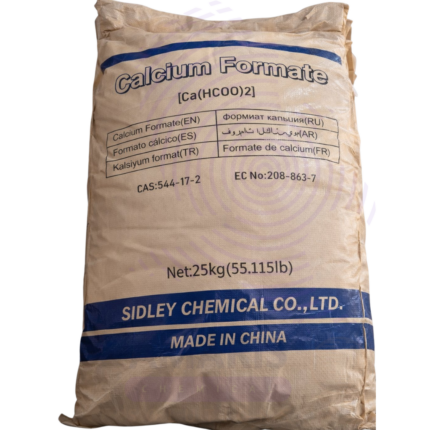
Calcium Formate
Calcium Formate is the calcium salt of formic acid, appearing as a white, free-flowing crystalline powder or granules. It is an odorless compound with a slightly bitter taste and is non-toxic. The chemical formula is Ca(HCOO)₂ with a molecular weight of 130.0 g/mol. Calcium Formate is slightly hygroscopic and readily soluble in water, with solubility of approximately 16.1 g/100 mL at 20°C. Its water solution is neutral with a pH of 6.0 to 8.0. The compound is stable under normal storage conditions and has a decomposition temperature exceeding 400°C. Technical grade Calcium Formate is manufactured for industrial applications including construction, animal feed, leather processing, and water treatment.
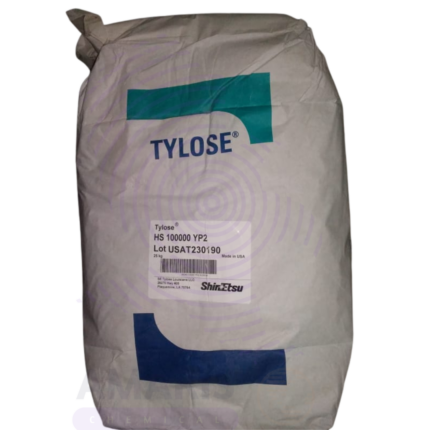
Cellozize Tylose
Cellozize Tylose, commonly known by the trade name Tylose, is a brand of hydroxyethyl cellulose (HEC), a non-ionic, water-soluble cellulose ether derived from natural cellulose. It appears as a white to off-white powder with excellent thickening, binding, and film-forming properties. Tylose is widely used as a rheology modifier, stabilizer, and thickener in various industries including construction, pharmaceuticals, cosmetics, and food. It provides viscosity control, improves texture, and enhances water retention in formulations. Due to its inert, non-toxic, and biodegradable nature, Tylose is favored as a versatile polymer in many applications.
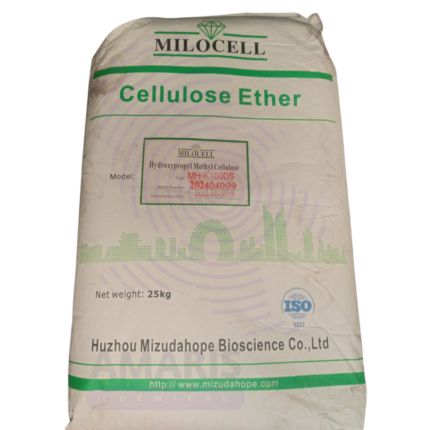
Cellulose Ether
Cellulose ether refers to a group of chemically modified cellulose derivatives where hydroxyl groups on the cellulose backbone are substituted with ether groups such as methyl, hydroxyethyl, or carboxymethyl groups. These modifications improve solubility, viscosity, and film-forming properties while maintaining biodegradability and non-toxicity. Cellulose ethers are white to off-white powders or granules that dissolve in water to form viscous, stable solutions. They are widely used as thickeners, binders, stabilizers, and film formers in industries such as construction, pharmaceuticals, cosmetics, food, and paper.

Gladiator
Gladiator is a high-performance structural adhesive based on methyl methacrylate (MMA) chemistry. Designed as a two-part reactive acrylic system, it offers exceptional bonding strength for demanding industrial and structural applications. With a shear strength exceeding 3,000 psi, Gladiator is particularly effective for bonding metals, plastics, and composite materials. It cures at room temperature and offers excellent resistance to mechanical stress, impact, vibration, and thermal cycling. Widely used in construction, automotive, marine, and maintenance applications, it features rapid setting, gap-filling capacity, and superior durability—even under harsh conditions.

Lacitex
Lacitex is a high-quality natural latex concentrate derived from Hevea brasiliensis (rubber tree) latex. It is a milky, white colloidal suspension primarily used in the manufacture of latex-based products such as gloves, adhesives, coatings, and foam rubber. Lacitex offers excellent film-forming properties, elasticity, and tensile strength. It provides superior binding, water resistance, and flexibility in finished products, making it widely valued in various industrial and manufacturing applications.

Master Seal 530
Master Seal 530 is a premium, flexible, cementitious waterproofing slurry designed for protection of concrete and masonry surfaces against water ingress. It offers excellent adhesion, crack bridging, and durability even under severe weather and water exposure conditions. Suitable for use on basements, swimming pools, water tanks, terraces, and retaining walls, Master Seal 530 forms a robust waterproof barrier that resists hydrostatic pressure and prevents moisture damage.
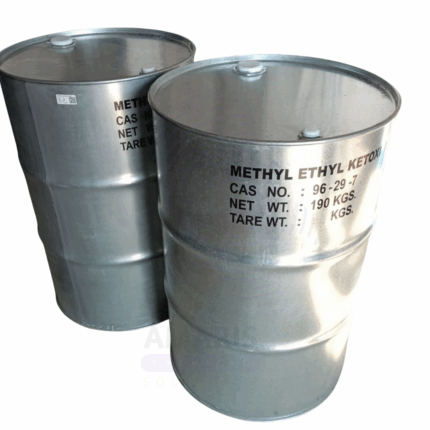
Methyl Ethyl Ketoxime
Methyl Ethyl Ketoxime is a clear, colorless to pale yellow liquid with a mild, characteristic odor. It is primarily used as a polymerization inhibitor and anti-skinning agent in coatings and paints, preventing premature curing during storage. MEKO is valued for its effectiveness in protecting alkyd and other resin-based coatings and enhancing shelf life.
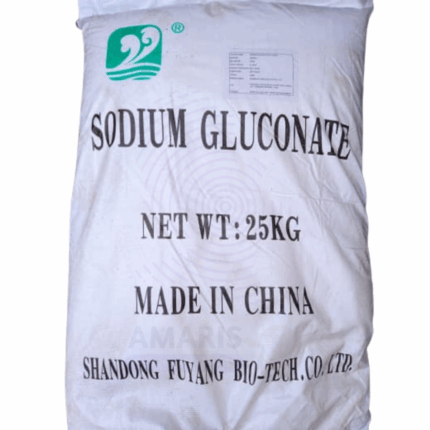
Sodium Gluconate
Sodium Gluconate is a white, crystalline powder derived from gluconic acid and sodium salt. It is highly water-soluble, biodegradable, and non-toxic, widely used as a chelating agent, sequestrant, and buffering agent across various industries. Sodium Gluconate is favored for its excellent ability to bind metal ions, improve cleaning efficiency, and stabilize formulations. It finds extensive applications in construction, water treatment, food, pharmaceuticals, cosmetics, and textiles.












