

 Preservatives(food)
 Flavors
 Acidulants
 Sweeteners
 Antioxidants
 Colorants(food)
 Nutraceutical Ingredients (food)
 Nutrient Supplements
 Emulsifiers
 Collectors
 Dust Suppressants
 Explosives and Blasting Agents
 Flocculants and Coagulants
 Frothers
 Leaching Agents
 pH Modifiers
 Precious Metal Extraction Agents
 Antioxidants(plastic)
 Colorants (Pigments, Dyes)
 Fillers and Reinforcements
 Flame Retardants
 Monomers
 Plasticizers
 Polymerization Initiators
 Stabilizers (UV, Heat)
 Antifoaming Agents
 Chelating Agents
 Coagulants and Flocculants
 Corrosion Inhibitors
 Disinfectants and Biocides
 Oxidizing Agents
 pH Adjusters
 Scale Inhibitors( water)
 Antioxidants(cosmetic)
 Emollients
 Oils
Oils Carrier Oills
 Essential Oils
 Humectants
 Preservatives
 Surfactants(cosmetic)
 Thickeners
 UV Filters
 Fragrance (Cosmetics)
 Fertilizers
 Soil Conditioners
 Plant Growth Regulators
 Animal Feed Additives
 Biostimulants
 Pesticides (Herbicides, Insecticides, Fungicides)
 Active Pharmaceutical Ingredients (APIs)
 Excipients
 Solvents(pharmaceutical)
 Antibiotics
 Antiseptics and Disinfectants
 Vaccine Adjuvants
 Nutraceutical Ingredients (pharmaceutical)
 Analgesics & Antipyretics
 Analytical Reagents
 Solvents(lab)
 Chromatography Chemicals
 Spectroscopy Reagents
 microbiology-and-cell-culture-reagents
 Molecular Biology Reagents
 Biochemical Reagents
 Inorganic and Organic Standards
 Laboratory Safety Chemicals
 Specialty Laboratory Chemicals(Special Laboratory Equipment)
 Demulsifiers
 Hydraulic Fracturing Fluids
 Scale Inhibitors(oil)
 Surfactants(oil)
 Drilling Fluids
 Dyes and Pigments
 Bleaching Agents
 Softening Agents
 Finishing Agents
 Antistatic Agents
 Admixtures
 Waterproofing Agents
 Sealants and Adhesives
 Curing Compounds
 Concrete Repair Chemicals
 Anti-Corrosion Coatings
 Surfactants(cleaning)
 Builders
 Enzymes
 Solvents (Cleaning)
 Electronic Chemicals
 Catalysts
 Lubricants
 Photographic Chemicals
 Refrigerants
 Automotive chemicals
 Pyrotechnic Chemicals
 Biodegradable Surfactants
 Bio-based Solvents
 Renewable Polymers
 Carbon Capture Chemicals
 Wastewater Treatment Chemicals
 Pigments
 Solvents(paint)
 Specialty Coatings
 Binders/Resins
 Additives
 Driers
 Anti-Corrosion Agents
 Functional Coatings
 Application-Specific Coatings
 Leavening Agents
 Dough Conditioners
 Flour Treatments
 Fat Replacers
 Decoratives
 Preservatives(baking)
 Plasticizers & Softeners
 Reinforcing Agents
 Adhesion Promoters
 Vulcanizing Agents
 Antidegradants
 Blowing Agents
 Fillers & Extenders
 Accelerators & Retarders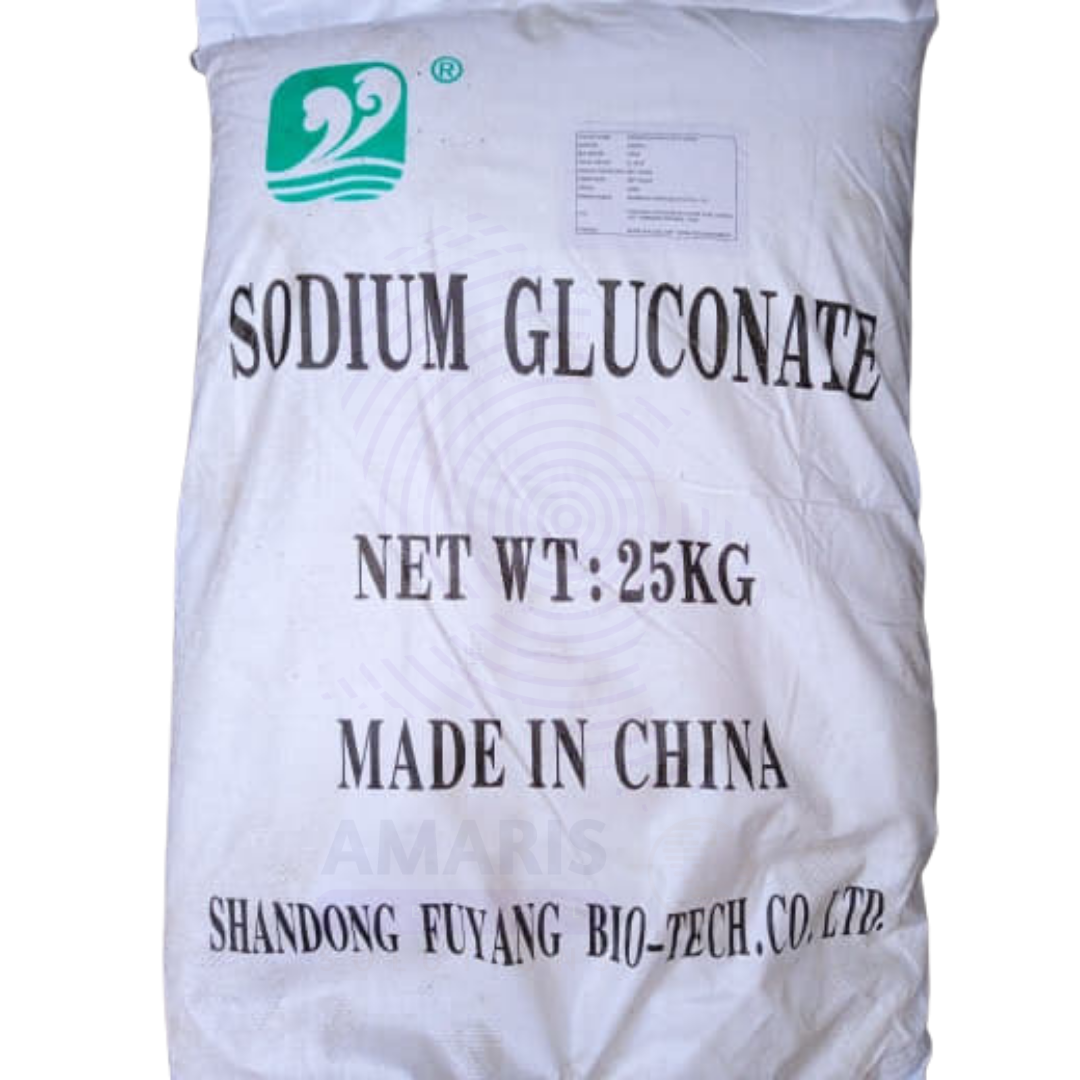



Sodium Gluconate
Sodium Gluconate is a white, crystalline powder derived from gluconic acid and sodium salt. It is highly water-soluble, biodegradable, and non-toxic, widely used as a chelating agent, sequestrant, and buffering agent across various industries. Sodium Gluconate is favored for its excellent ability to bind metal ions, improve cleaning efficiency, and stabilize formulations. It finds extensive applications in construction, water treatment, food, pharmaceuticals, cosmetics, and textiles.
Sodium Gluconate
Primary Uses
- Construction Industry
- Acts as a concrete admixture to improve workability, retard setting time, and enhance strength development.
- Functions as a plasticizer and corrosion inhibitor for steel reinforcement in concrete.
- Water Treatment
- Used as a chelating agent to sequester metal ions such as calcium, magnesium, iron, and heavy metals, preventing scale formation and corrosion.
- Applied in industrial and municipal water treatment processes.
- Cleaning Products
- Enhances the effectiveness of detergents and cleaning agents by binding hard water ions, improving cleaning performance.
- Used in household and industrial cleaners.
- Food Industry
- Employed as a sequestrant and acidity regulator in food and beverage formulations.
- Approved for use in some food products to improve stability and shelf life.
- Pharmaceuticals and Cosmetics
- Functions as a stabilizer and chelating agent in pharmaceutical formulations, personal care products, and cosmetics to enhance product stability and efficacy.
- Used in creams, lotions, and oral care products.
- Textile Industry
- Utilized in dyeing and printing processes as a chelating agent to improve color brightness and fixation.
Secondary Uses
- Metal Cleaning and Electroplating
- Used to clean metal surfaces and as a complexing agent in electroplating baths.
- Agriculture
- Acts as a micronutrient chelator in fertilizers to improve nutrient availability.
- Laboratory Applications
- Used as a reagent and stabilizer in chemical and biochemical analyses.
1. Basic Identification Attributes
- Chemical Name (IUPAC): Sodium gluconate
- Common/Trade Name: Sodium Gluconate
- CAS Number: 527-07-1
- HS Code: 2915.39
- Synonyms: Sodium D-gluconate, D-Gluconic acid sodium salt
2. Physical & Chemical Properties
- Physical State: Solid (powder or granules)
- Color & Odor: White; odorless
- Solubility: Highly soluble in water
- pH: Approximately 6.5 - 8 (1% aqueous solution)
- Density: Approx. 1.7 g/cm³
3. Safety & Hazard Attributes
- GHS Classification: Generally regarded as safe; low toxicity
- Toxicity: Low toxicity; non-irritant under normal conditions
- Exposure Limits: Standard industrial hygiene practices recommended
4. Storage & Handling Attributes
- Storage Conditions: Store in a cool, dry, well-ventilated place, protected from moisture and contaminants
- Container Type: Supplied in sealed bags or drums (25kg or bulk)
- Shelf Life: Stable under proper storage conditions
- Handling Precautions: Avoid inhalation of dust; use protective equipment as necessary
- Storage Measures: Keep containers tightly closed and stored in a dry environment
5. Regulatory & Compliance Attributes
- Complies with food-grade and pharmaceutical-grade standards where applicable
- Meets REACH, FDA, and other international regulatory requirements
- Manufactured in GMP and ISO-certified facilities
6. Environmental & Health Impact
- Biodegradability: Readily biodegradable and environmentally friendly
- Ecotoxicity: Low environmental impact when used responsibly
- Bioaccumulation: Not expected to bioaccumulate
Safety Handling Precautions
- PPE Required: Use gloves, dust mask, and eye protection when handling powder
- Handling Guidelines: Avoid dust formation and inhalation; ensure good ventilation
- Storage Measures: Store away from incompatible substances like strong oxidizers
First Aid Measures
- Inhalation: Move to fresh air; seek medical attention if respiratory irritation occurs
- Skin Contact: Wash with soap and water; seek medical advice if irritation develops
- Eye Contact: Rinse thoroughly with water for 15 minutes; seek medical help if irritation persists
- Ingestion: Rinse mouth; seek medical attention if large amounts ingested
Firefighting Measures
- Fire Hazards: Non-flammable and non-combustible
- Extinguishing Media: Use water spray, foam, dry chemical, or CO₂ for surrounding fires
- Special Precautions: Wear protective gear
- Hazardous Combustion Products: None known
Related products
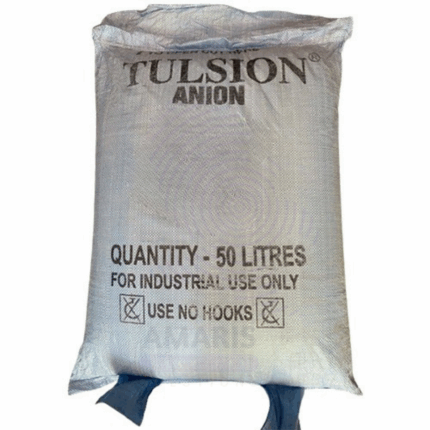
Anion
Anions are negatively charged ions formed when an atom or molecule gains one or more electrons. They play vital roles in chemistry, biology, and industrial processes. Anions are key participants in ionic bonding, acid-base chemistry, and electrochemical reactions. Common anions include chloride (Cl⁻), sulfate (SO₄²⁻), nitrate (NO₃⁻), and phosphate (PO₄³⁻). Their behavior and interaction affect processes ranging from water treatment and agriculture to physiological functions and battery technology.
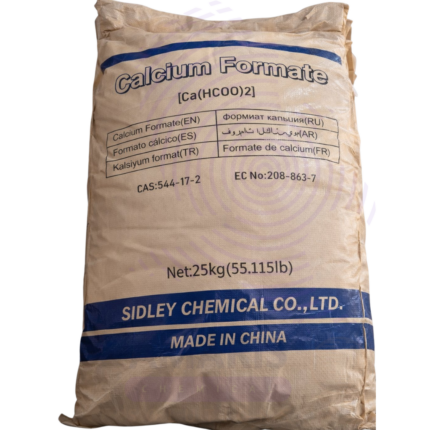
Calcium Formate
Calcium Formate is the calcium salt of formic acid, appearing as a white, free-flowing crystalline powder or granules. It is an odorless compound with a slightly bitter taste and is non-toxic. The chemical formula is Ca(HCOO)₂ with a molecular weight of 130.0 g/mol. Calcium Formate is slightly hygroscopic and readily soluble in water, with solubility of approximately 16.1 g/100 mL at 20°C. Its water solution is neutral with a pH of 6.0 to 8.0. The compound is stable under normal storage conditions and has a decomposition temperature exceeding 400°C. Technical grade Calcium Formate is manufactured for industrial applications including construction, animal feed, leather processing, and water treatment.
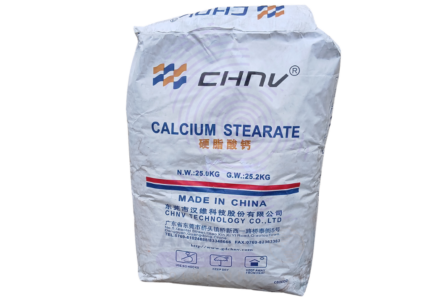
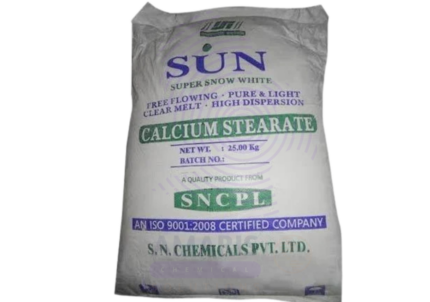
Calcium stearate
Calcium Stearate is a metallic stearate salt, appearing as a fine, white, hydrophobic powder. It is produced through the reaction of stearic acid (a fatty acid derived from natural oils and fats) with calcium oxide or calcium hydroxide. It functions primarily as an acid scavenger, lubricant, release agent, and stabilizer across multiple industrial sectors. Its unique combination of water repellency, low solubility, and high melting point makes it an essential processing additive in plastics, rubber, construction, and paper industries. Technical grade Calcium Stearate is manufactured for industrial performance applications and is not intended for direct food, pharmaceutical, or cosmetic use unless specifically certified and labeled for those applications.
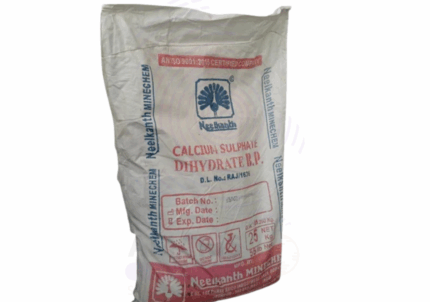
Calcium Sulphate Dihydrate
Calcium Sulphate Dihydrate, commonly known as gypsum, is a naturally occurring mineral widely used in agriculture, construction, and various industrial processes. It appears as a white or slightly translucent crystalline powder with moderate solubility in water. The compound is primarily used as a soil conditioner to improve soil structure and supply calcium and sulfur nutrients essential for plant growth. It also finds applications in the manufacture of plaster, cement, and as a filler in various products.
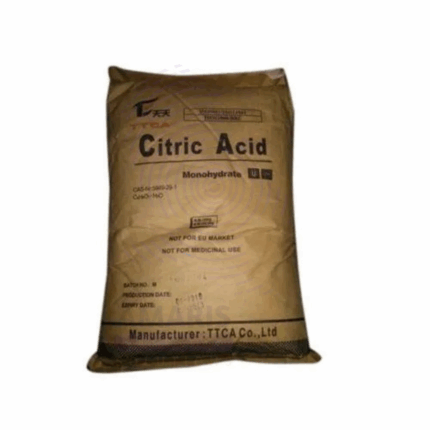
Citric Acid Monohydrate
Citric Acid Monohydrate is a white, crystalline powder or granule form of citric acid containing one molecule of water per molecule of acid. It is a natural organic acid commonly derived from citrus fruits or produced by fermentation processes. Citric Acid Monohydrate is widely used as an acidulant, preservative, and chelating agent in various industries. Compared to the anhydrous form, it has a slightly lower acid concentration due to the water molecule but offers excellent solubility and stability. It is prized for its sour flavor, buffering capacity, and ability to bind metal ions, making it indispensable in food, pharmaceutical, cosmetic, and industrial applications.
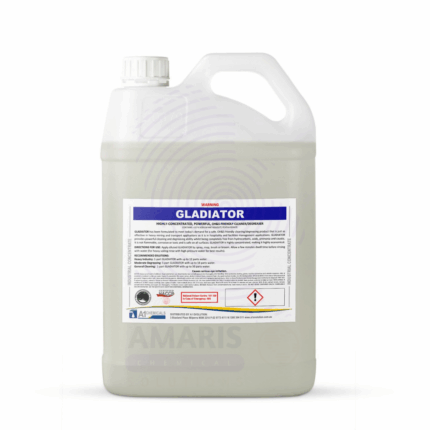
Gladiator
Gladiator is a high-performance structural adhesive based on methyl methacrylate (MMA) chemistry. Designed as a two-part reactive acrylic system, it offers exceptional bonding strength for demanding industrial and structural applications. With a shear strength exceeding 3,000 psi, Gladiator is particularly effective for bonding metals, plastics, and composite materials. It cures at room temperature and offers excellent resistance to mechanical stress, impact, vibration, and thermal cycling. Widely used in construction, automotive, marine, and maintenance applications, it features rapid setting, gap-filling capacity, and superior durability—even under harsh conditions.
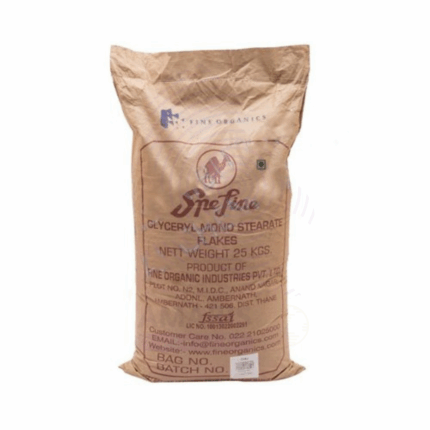
Glycerol Monostearate Flakes
Glycerol Monostearate Flakes is a white to off-white waxy flake form emulsifier composed of 40% monoglycerides of fatty acids, primarily stearic and palmitic acids, combined with other glycerides and esters. Derived mainly from vegetable oils, this food-grade emulsifier is widely utilized in food, cosmetic, pharmaceutical, and industrial sectors for its multifunctional properties. GMS 40% flakes serve as effective emulsifiers, stabilizers, anti-caking agents, and texture enhancers, with excellent compatibility and versatility in formulations requiring semi-solid or solid fats.
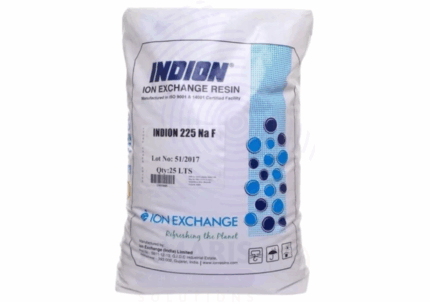
Indion Cation Resin
Indion Cation Resin is a synthetic ion exchange resin designed primarily for the removal of positively charged ions (cations) from water and various liquid streams. Typically composed of a sulfonated polystyrene-divinylbenzene (PS-DVB) copolymer, this resin features a highly porous bead structure with functional groups that exchange hydrogen or sodium ions for calcium, magnesium, iron, and other metallic cations. Available in different forms (strong acid cation, weak acid cation), Indion Cation Resin is widely used in water treatment, industrial processes, and purification systems.












