Preservatives(food)
 Flavor Enhancers
 Acidulants
 Sweeteners
 Antioxidants
 Colorants(food)
 Nutraceutical Ingredients (food)
 Nutrient Supplements
 Emulsifiers
 Collectors
 Dust Suppressants
 Explosives and Blasting Agents
 Flocculants and Coagulants
 Frothers
 Leaching Agents
 pH Modifiers
 Precious Metal Extraction Agents
 Antioxidants(plastic)
 Colorants (Pigments, Dyes)
 Fillers and Reinforcements
 Flame Retardants
 Monomers
 Plasticizers
 Polymerization Initiators
 Stabilizers (UV, Heat)
 Antifoaming Agents
 Chelating Agents
 Coagulants and Flocculants
 Corrosion Inhibitors
 Disinfectants and Biocides
 Oxidizing Agents
 pH Adjusters
 Scale Inhibitors( water)
 Antioxidants(cosmetic)
 Emollients
 Fragrances and Essential Oils
 Humectants
 Preservatives
 Surfactants(cosmetic)
 Thickeners
 UV Filters
 Fertilizers
 Soil Conditioners
 Plant Growth Regulators
 Animal Feed Additives
 Biostimulants
 Pesticides (Herbicides, Insecticides, Fungicides)
 Active Pharmaceutical Ingredients (APIs)
 Excipients
 Solvents(pharmaceutical)
 Antibiotics
 Antiseptics and Disinfectants
 Vaccine Adjuvants
 Nutraceutical Ingredients (pharmaceutical)
 Analgesics & Antipyretics
 Analytical Reagents
 Solvents(lab)
 Chromatography Chemicals
 Spectroscopy Reagents
 microbiology-and-cell-culture-reagents
 Molecular Biology Reagents
 Biochemical Reagents
 Inorganic and Organic Standards
 Laboratory Safety Chemicals
 Specialty Laboratory Chemicals(Special Laboratory Equipment)
 Demulsifiers
 Hydraulic Fracturing Fluids
 Scale Inhibitors(oil)
 Surfactants(oil)
 Drilling Fluids
 Dyes and Pigments
 Bleaching Agents
 Softening Agents
 Finishing Agents
 Antistatic Agents
 Admixtures
 Waterproofing Agents
 Sealants and Adhesives
 Curing Compounds
 Concrete Repair Chemicals
 Anti-Corrosion Coatings
 Surfactants(cleaning)
 Builders
 Enzymes
 Solvents (Cleaning)
 Fragrances
 Electronic Chemicals
 Catalysts
 Lubricants
 Photographic Chemicals
 Refrigerants
 Automotive chemicals
 Pyrotechnic Chemicals
 Biodegradable Surfactants
 Bio-based Solvents
 Renewable Polymers
 Carbon Capture Chemicals
 Wastewater Treatment Chemicals
 Pigments
 Solvents(paint)
 Specialty Coatings
 Binders/Resins
 Additives
 Driers
 Anti-Corrosion Agents
 Functional Coatings
 Application-Specific Coatings
 Leavening Agents
 Dough Conditioners
 Flour Treatments
 Fat Replacers
 Decoratives
 Preservatives(baking)
 Plasticizers & Softeners
 Reinforcing Agents
 Adhesion Promoters
 Vulcanizing Agents
 Antidegradants
 Blowing Agents
 Fillers & Extenders
 Accelerators & Retarders
Polyvinyl Chloride Resin: The High-Performance Polymer Powering Construction, Packaging, and Modern Manufacturing ⚙️🧪🏗️

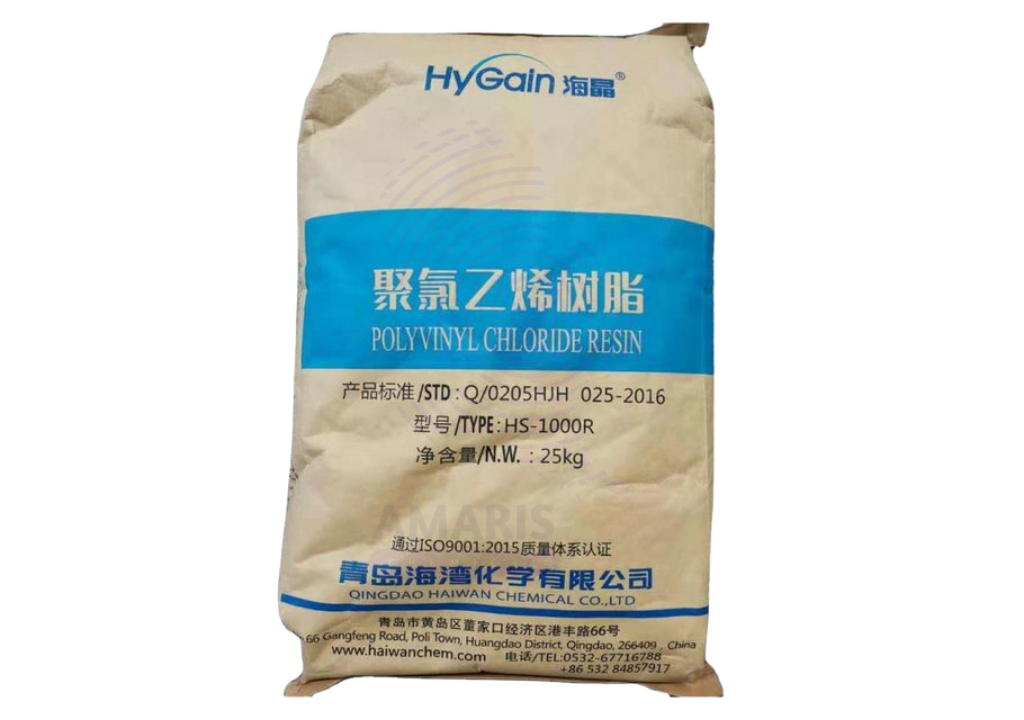
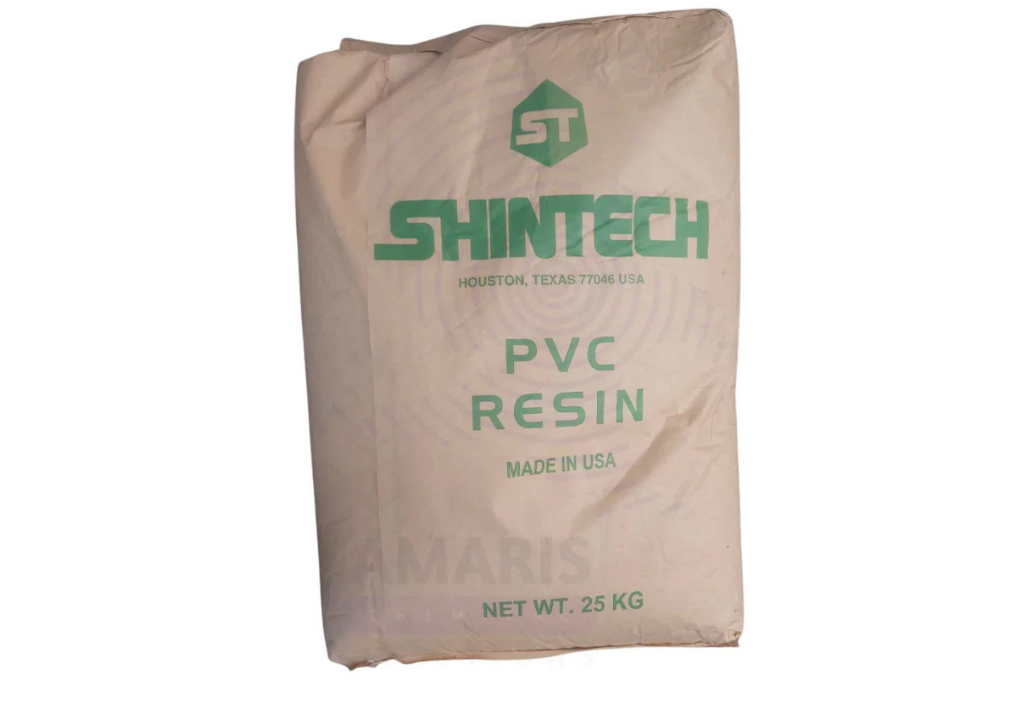
Among the world’s most widely used synthetic materials, Polyvinyl Chloride Resin (PVC Resin) stands out as one of the most versatile and commercially important polymers. Known for its durability, chemical resistance, flexibility, and cost-effectiveness, PVC resin is a key raw material used in industries such as construction, electrical manufacturing, healthcare, packaging, automotive production, and industrial processing.
From water pipes and electrical cables to flooring materials and medical products, PVC resin has become deeply integrated into modern infrastructure and manufacturing. Its adaptability allows it to be formulated into both rigid and flexible products, making it one of the most valuable plastics in the global market.
As industries continue to demand durable, efficient, and scalable materials, Polyvinyl Chloride Resin remains a cornerstone of modern industrial innovation.
What is Polyvinyl Chloride Resin?
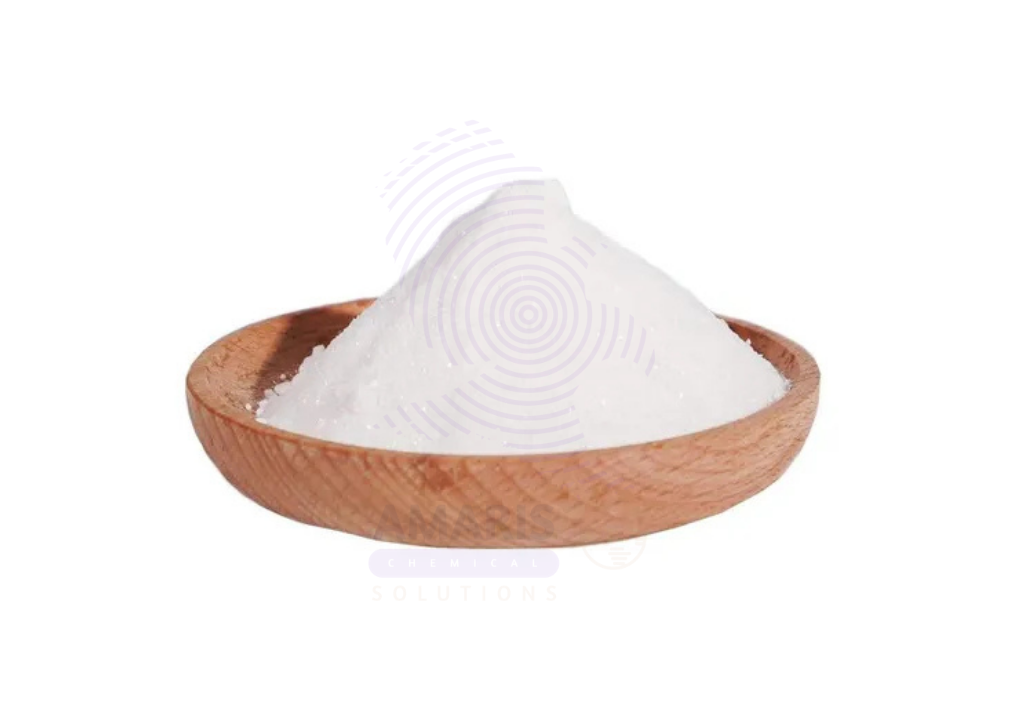
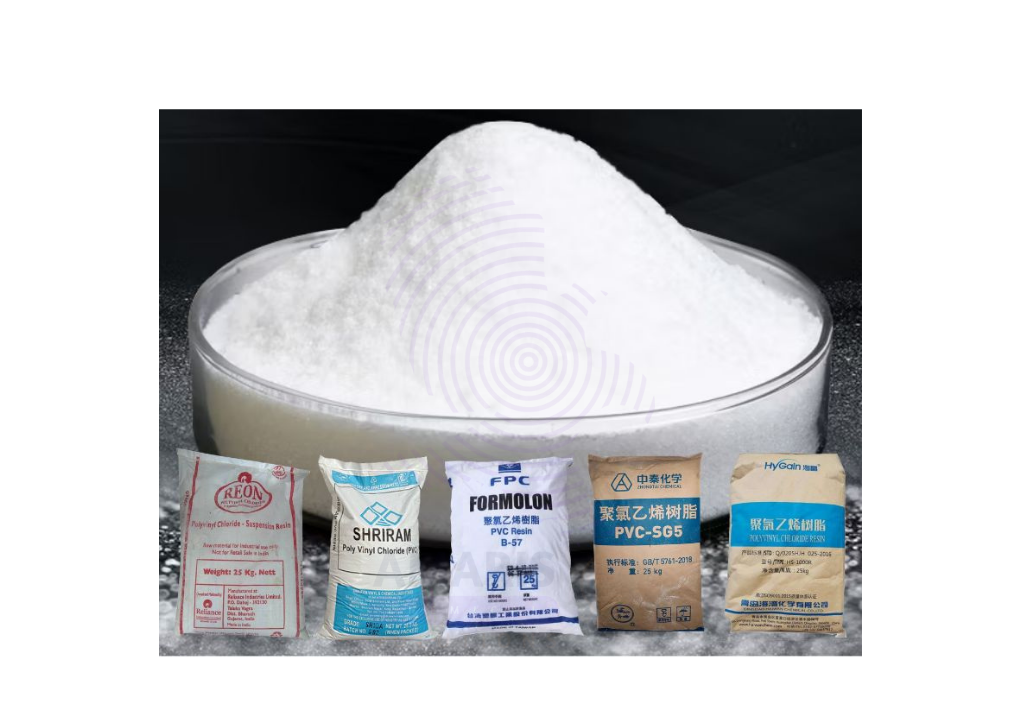
Polyvinyl Chloride Resin is a thermoplastic polymer produced through the polymerization of vinyl chloride monomers. It usually appears as a fine white powder before processing.
On its own, PVC resin is rigid, but it can be combined with additives such as:
• Plasticizers
• Stabilizers
• Fillers
• Lubricants
• Pigments
These additives allow manufacturers to customize PVC for different applications, ranging from hard construction materials to soft flexible products.
PVC resin is highly valued because it offers:
• Excellent chemical resistance
• Good mechanical strength
• Electrical insulation properties
• Long service life
These features make it suitable for countless industrial and commercial applications.
Importance in Construction Industry 🏗️
One of the largest applications of PVC resin is in the construction sector. Because of its strength and resistance to moisture and corrosion, PVC has become a preferred material for building infrastructure.
PVC resin is used to manufacture:
• Water pipes and fittings
• Window frames
• Roofing materials
• Wall panels
• Flooring systems
Unlike metal materials, PVC does not rust or corrode easily, making it especially useful in plumbing and outdoor applications.
Its lightweight nature also makes transportation and installation easier, reducing overall construction costs.
Electrical and Cable Applications ⚡
PVC resin plays a major role in the electrical industry because of its excellent insulation properties.
It is commonly used in:
• Cable insulation
• Electrical conduits
• Wire coatings
• Protective sheathing
PVC helps protect electrical systems from moisture, chemicals, and physical damage while maintaining safe insulation performance.
Because it is durable and flexible, it is widely used in residential, commercial, and industrial electrical installations.
Packaging and Consumer Products 📦
PVC resin is also used in various packaging and consumer applications due to its versatility and transparency when processed correctly.
It may be used in:
• Packaging films
• Bottles and containers
• Credit cards
• Synthetic leather products
• Household goods
Its ability to be molded into different shapes and textures makes it suitable for both functional and decorative products.
PVC-based packaging materials are valued for their strength and resistance to environmental conditions.
Medical and Healthcare Applications 💊
The healthcare industry also relies heavily on PVC materials because of their durability and compatibility with sterilization processes.
PVC resin is used in manufacturing:
• Medical tubing
• Blood bags
• Oxygen masks
• Protective equipment components
Its flexibility and chemical resistance make it useful for many medical applications that require hygienic and reliable materials.
Special medical-grade PVC formulations are designed to meet strict safety and performance standards.
Industrial and Chemical Resistance Applications ⚙️
PVC resin is highly resistant to many chemicals, making it valuable in industrial environments.
It is used in:
• Chemical storage tanks
• Industrial piping systems
• Protective coatings
• Ventilation systems
Its resistance to acids, alkalis, and moisture allows it to perform effectively in demanding industrial conditions.
This durability contributes to reduced maintenance and longer equipment lifespan.
Laboratory and Research Relevance 🔬
In laboratories and research environments, PVC materials are often studied and used in:
• Polymer science research
• Material testing
• Plastic formulation development
• Industrial product design
Researchers investigate PVC’s mechanical, thermal, and chemical properties to improve performance and sustainability.
PVC resin continues to be an important material in polymer chemistry and materials science.
Advantages of Polyvinyl Chloride Resin
PVC resin offers numerous advantages that contribute to its global popularity:
• Strong and durable
• Resistant to chemicals and corrosion
• Excellent electrical insulation
• Lightweight and cost-effective
• Adaptable for rigid and flexible applications
These benefits make it one of the most widely used polymers in industrial manufacturing.
Importance of Quality and Processing
The performance of PVC products depends heavily on the quality of the resin and the formulation process.
High-quality PVC resin provides:
• Better processing efficiency
• Improved product strength
• Greater consistency
• Enhanced durability and stability
Manufacturers carefully select resin grades to meet the specific requirements of different industries and applications.
Final Thoughts
Polyvinyl Chloride Resin is one of the most important synthetic polymers in the modern world. Its versatility, durability, and adaptability have made it indispensable in industries ranging from construction and healthcare to packaging and electrical systems.
From water pipes and medical tubing to cable insulation and industrial coatings, PVC resin continues to shape infrastructure and manufacturing on a global scale.
As technology and industrial needs continue to evolve, Polyvinyl Chloride Resin will remain a critical material driving efficiency, durability, and innovation across countless applications. ⚙️🧪🏗️