

 Preservatives(food)
 Flavor Enhancers
 Acidulants
 Sweeteners
 Antioxidants
 Colorants(food)
 Nutraceutical Ingredients (food)
 Nutrient Supplements
 Emulsifiers
 Collectors
 Dust Suppressants
 Explosives and Blasting Agents
 Flocculants and Coagulants
 Frothers
 Leaching Agents
 pH Modifiers
 Precious Metal Extraction Agents
 Antioxidants(plastic)
 Colorants (Pigments, Dyes)
 Fillers and Reinforcements
 Flame Retardants
 Monomers
 Plasticizers
 Polymerization Initiators
 Stabilizers (UV, Heat)
 Antifoaming Agents
 Chelating Agents
 Coagulants and Flocculants
 Corrosion Inhibitors
 Disinfectants and Biocides
 Oxidizing Agents
 pH Adjusters
 Scale Inhibitors( water)
 Antioxidants(cosmetic)
 Emollients
 Fragrances and Essential Oils
 Humectants
 Preservatives
 Surfactants(cosmetic)
 Thickeners
 UV Filters
 Fertilizers
 Soil Conditioners
 Plant Growth Regulators
 Animal Feed Additives
 Biostimulants
 Pesticides (Herbicides, Insecticides, Fungicides)
 Active Pharmaceutical Ingredients (APIs)
 Excipients
 Solvents(pharmaceutical)
 Antibiotics
 Antiseptics and Disinfectants
 Vaccine Adjuvants
 Nutraceutical Ingredients (pharmaceutical)
 Analgesics & Antipyretics
 Analytical Reagents
 Solvents(lab)
 Chromatography Chemicals
 Spectroscopy Reagents
 microbiology-and-cell-culture-reagents
 Molecular Biology Reagents
 Biochemical Reagents
 Inorganic and Organic Standards
 Laboratory Safety Chemicals
 Specialty Laboratory Chemicals(Special Laboratory Equipment)
 Demulsifiers
 Hydraulic Fracturing Fluids
 Scale Inhibitors(oil)
 Surfactants(oil)
 Drilling Fluids
 Dyes and Pigments
 Bleaching Agents
 Softening Agents
 Finishing Agents
 Antistatic Agents
 Admixtures
 Waterproofing Agents
 Sealants and Adhesives
 Curing Compounds
 Concrete Repair Chemicals
 Anti-Corrosion Coatings
 Surfactants(cleaning)
 Builders
 Enzymes
 Solvents (Cleaning)
 Fragrances
 Electronic Chemicals
 Catalysts
 Lubricants
 Photographic Chemicals
 Refrigerants
 Automotive chemicals
 Pyrotechnic Chemicals
 Biodegradable Surfactants
 Bio-based Solvents
 Renewable Polymers
 Carbon Capture Chemicals
 Wastewater Treatment Chemicals
 Pigments
 Solvents(paint)
 Specialty Coatings
 Binders/Resins
 Additives
 Driers
 Anti-Corrosion Agents
 Functional Coatings
 Application-Specific Coatings
 Leavening Agents
 Dough Conditioners
 Flour Treatments
 Fat Replacers
 Decoratives
 Preservatives(baking)
 Plasticizers & Softeners
 Reinforcing Agents
 Adhesion Promoters
 Vulcanizing Agents
 Antidegradants
 Blowing Agents
 Fillers & Extenders
 Accelerators & Retarders

















Porous Pot
A Porous Pot is a cylindrical or tubular laboratory apparatus made from sintered or fired ceramic material that features a permeable structure allowing the passage of gases or liquids while retaining solids or particulates. This highly porous ceramic vessel is commonly used in laboratory and industrial settings for filtration, diffusion, and separation processes. The pot’s micro-porous walls facilitate controlled fluid flow, making it ideal for applications such as gas absorption, water softening, and chemical diffusion experiments. Porous Pots are chemically inert, mechanically stable, and resistant to high temperatures, making them durable tools in analytical and preparative laboratory procedures.
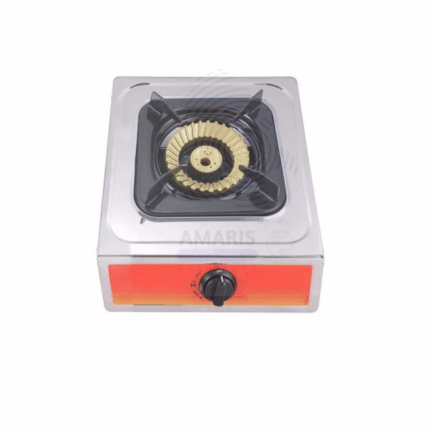
Portable Gas Burner
Portable Gas Burner is a compact, lightweight burner designed specifically for laboratory and field applications requiring a reliable heat source. Typically fueled by LPG or butane gas, it provides a clean, adjustable flame suitable for heating, sterilization, and combustion tasks. Constructed from durable materials with heat-resistant finishes, this burner features safety valves and flame controls for precise operation. Its portability allows for easy transport and use in diverse environments, including classrooms, research sites, and outdoor experiments.

Proof Plane
A Proof Plane is a flat, thin, and smooth metallic or plastic tool used in laboratory and educational settings primarily for transferring small amounts of powdered substances or samples. Its precise, rigid surface enables the easy lifting and placement of powders onto other surfaces such as balances, microscope slides, or reaction vessels without contamination. Often used in qualitative analysis, the Proof Plane facilitates accurate handling of chemicals, minimizing spillage and waste. Available in various sizes and materials, it is an essential apparatus for fine sample manipulation in analytical and teaching laboratories.
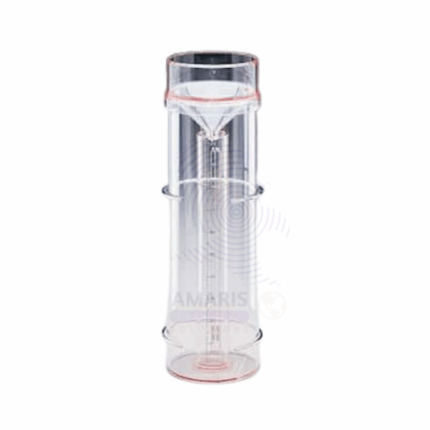
RAIN GAUGE
A Rain Gauge is a precise meteorological instrument designed to measure the amount of liquid precipitation (rainfall) over a set period, typically in millimeters or inches. It consists of a collection funnel directing water into a graduated measuring container or a tipping bucket mechanism that records rainfall digitally. Constructed from durable materials such as glass, plastic, or corrosion-resistant metals, rain gauges are built to endure outdoor conditions including sun exposure, wind, and rain. Their design allows for accurate, easy-to-read measurements to support weather forecasting, agricultural planning, environmental monitoring, and hydrological research. Rain Gauges are fundamental tools in laboratories focused on environmental science, meteorology, and water resource management.
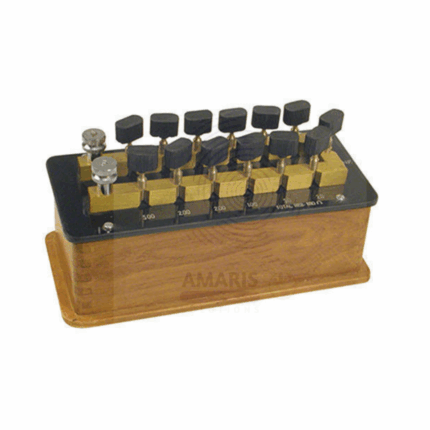
RESISTANCE BOX PLUG TYPE
Resistance Box Plug Type is a precision electrical component used extensively in physics and electrical engineering laboratories. It comprises an insulated box containing a series of fixed-value resistors arranged in circuits accessible via plug-in terminals. By inserting plugs into designated sockets, users can combine resistors in series or parallel to achieve desired resistance values for experimental purposes. This equipment is essential for teaching Ohm’s Law, circuit analysis, and calibration of electrical devices. Constructed with durable, corrosion-resistant materials and designed for high accuracy, the resistance box supports reliable, repeatable laboratory experiments and research.

Resistance Coil
Resistance Coil is a fundamental laboratory apparatus consisting of a wire coil made from materials with a known resistance, typically nichrome or similar alloys. It is widely used in physics and electrical engineering laboratories to study electrical resistance, heating effects, and circuit behavior. The coil’s wire length and thickness determine its resistance value, enabling controlled experiments involving Ohm’s Law, Joule heating, and energy dissipation. Resistance Coils are designed to withstand electrical current and heat without significant degradation, making them ideal for demonstrations, experiments, and calibration tasks in laboratory settings.
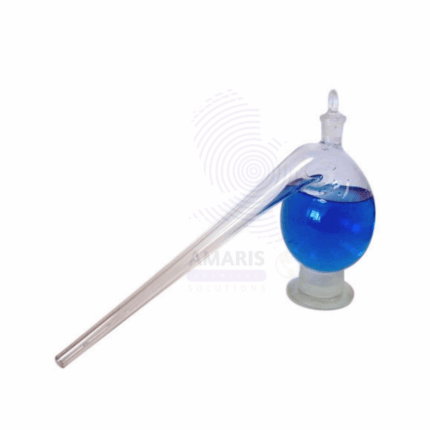
RETORT FLASK
Retort Flask is a specialized laboratory glassware designed for heating, distillation, and chemical reactions. It features a spherical or pear-shaped body with a long, narrow neck that allows vapors to condense and be directed away during distillation processes. Made from heat-resistant borosilicate glass, Retort Flasks withstand high temperatures and thermal shocks typical in laboratory heating applications. Commonly used in chemistry and biochemistry labs, they facilitate controlled heating of liquids and collection of distilled vapors in experiments involving organic synthesis, purification, and chemical analysis.

RING AND BALL THERMAL EXPANSION
Ring and Ball Thermal Expansion Apparatus is a precision laboratory device used to determine the coefficient of thermal expansion of materials, particularly metals. The apparatus consists of a metal ring and a steel ball of known dimensions. When heated, the metal ring expands, allowing the ball to pass through at a specific temperature. This temperature corresponds to the expansion point of the ring material. The device is widely used in physics and materials science laboratories to study the thermal properties of materials and to teach fundamental concepts of thermal expansion and heat behavior.
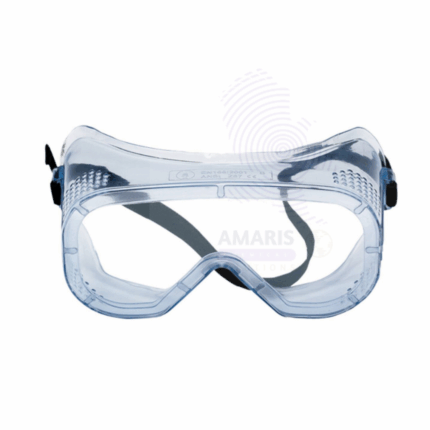
SAFETY GOGGLES
Safety Goggles are essential personal protective equipment designed to shield the eyes from chemical splashes, flying debris, dust, and other hazardous materials commonly encountered in laboratory environments. Constructed with impact-resistant lenses and a secure frame, they provide a tight seal around the eyes to prevent exposure to harmful substances. Safety Goggles typically feature adjustable straps for a comfortable and secure fit, anti-fog coatings for clear vision, and ventilation systems to reduce moisture buildup. Widely used in medical, chemical, industrial, and research laboratories, Safety Goggles ensure compliance with safety standards and help maintain a safe working environment.

Semi Circle Glass Block
Semi Circle Glass Block is a precision laboratory apparatus made from high-quality optical glass, designed for experiments involving light refraction, reflection, and optics principles. The semi-circular shape allows for controlled study of how light bends when passing through different media, making it ideal for educational demonstrations and research in physics and optical sciences. The block is crafted from clear, durable glass to provide excellent transparency and minimal distortion. It is widely used in schools, colleges, and research labs for studying Snell’s Law, critical angle, and total internal reflection.
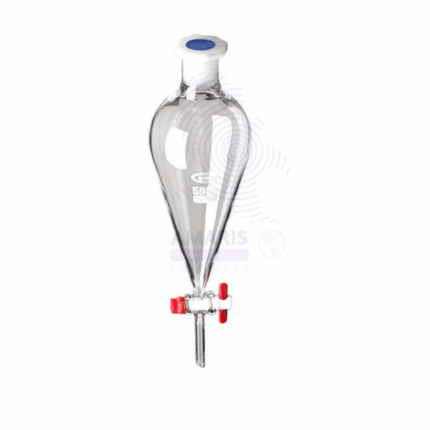
Separating funnel
Separating Funnels are essential laboratory glassware designed for liquid-liquid extraction and phase separation procedures. Constructed from chemically resistant borosilicate glass, these funnels feature a conical body with a stopcock at the base and a ground glass stopper at the top for secure sealing. They are used to separate immiscible liquids based on their densities, allowing precise and safe transfer of liquid layers during chemical extractions, washing, or purification. Available in 60ml and 125ml volumes, these funnels provide versatility for various scales of laboratory applications, widely employed in organic synthesis, pharmaceutical labs, and research facilities.
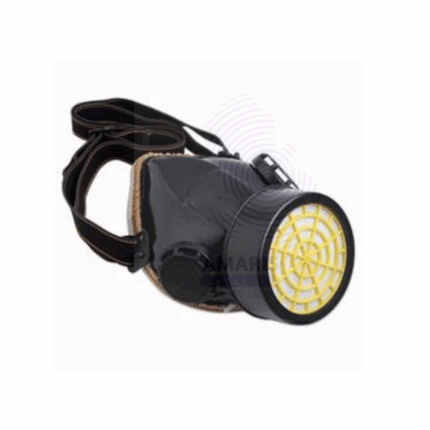
Single Gas Mask
Single Gas Masks are vital personal protective equipment designed to protect the wearer’s respiratory system from harmful gases, vapors, dust, and airborne contaminants commonly encountered in laboratory, industrial, and hazardous environments. Constructed with durable, chemical-resistant materials, these masks typically feature a full-face or half-face design with a replaceable filter cartridge tailored to specific contaminants. They provide a secure seal around the face to prevent ingress of toxic substances, ensuring safe breathing in contaminated atmospheres. Single Gas Masks are essential for use during chemical handling, fumigation, and emergency response situations, safeguarding health and safety compliance.

Siphon Pump
Siphon Pump is a manual laboratory apparatus designed for transferring liquids from one container to another using the principle of siphoning. Made from chemically resistant materials such as rubber tubing and plastic or glass components, siphon pumps provide an easy and safe method for liquid transfer without the need for power sources. They are commonly used in laboratories to transfer solvents, reagents, and other fluids with precision and control, minimizing spills and contamination. Available in various sizes and configurations, siphon pumps are essential for fluid handling in research, medical, and industrial laboratories.

Slinky springs
Slinky Springs are helical coil springs made from metal or plastic materials, widely used as demonstration and educational tools in physics and engineering laboratories. These springs exhibit elastic properties, capable of stretching and compressing while returning to their original shape, making them ideal for teaching concepts such as harmonic motion, wave propagation, and energy transfer. Available in various sizes and coil thicknesses, slinky springs serve as practical models for studying mechanical behavior, oscillations, and spring constants in both academic and research settings.

Smoke cell
Smoke Cells are specialized laboratory apparatus designed to generate and contain smoke or aerosols for experimental and educational purposes. Typically constructed from chemically resistant glass or plastic, smoke cells enable the study of particulate matter behavior, light scattering, gas flow dynamics, and air pollution analysis. The apparatus allows controlled introduction of smoke or aerosols inside a sealed chamber, facilitating observation and measurement of physical and optical properties. Smoke Cells are essential in research laboratories focusing on environmental science, physics, and chemical engineering.

Soft iron rod
Soft Iron Rods are magnetic laboratory apparatus made from highly pure iron characterized by low carbon content, which gives them excellent magnetic permeability and low coercivity. These rods are widely used in physics and electrical laboratories for experiments involving magnetism, electromagnetism, and induction. Their softness allows them to be easily magnetized and demagnetized, making them ideal for use as cores in electromagnets, transformers, and magnetic field demonstrations. Soft iron rods are durable, corrosion-resistant when properly treated, and come in various lengths and diameters to suit different experimental needs.
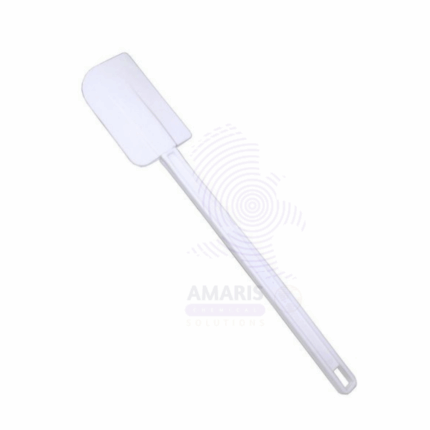
Spatula plastic
Plastic Spatulas are versatile laboratory tools designed for safely handling, transferring, and mixing small quantities of powders, granules, and liquids. Made from chemically resistant, durable plastic materials, these spatulas resist corrosion from most laboratory reagents and are lightweight for easy handling. They come in various sizes and shapes, often featuring flat or slightly curved blades to facilitate scooping and scraping. Plastic spatulas are essential in chemical, pharmaceutical, biological, and research laboratories for precise sample manipulation and contamination-free operations.

Special Kit
A Special Kit is a versatile laboratory equipment set designed to provide essential tools and apparatus for specific scientific experiments or procedures. These kits are thoughtfully assembled with a collection of high-quality instruments, glassware, and accessories tailored to meet the needs of particular laboratory applications such as chemical analysis, biological studies, or physics demonstrations. Each component in the kit is selected for durability, accuracy, and ease of use, ensuring efficient and reliable experimental outcomes. Special Kits promote convenience by consolidating necessary items into a single, portable package, facilitating organized and systematic laboratory work.

Splints wooden
Wooden splints are narrow, thin strips of clean, untreated wood used primarily in laboratory experiments and demonstrations. Known for their ease of ignition and controlled burning, they serve as essential tools in chemistry and physics labs for conducting flame tests, ignition of chemicals, and studying combustion reactions. These splints are typically made from softwoods such as pine or basswood to ensure consistent performance. Their lightweight, disposable nature makes them convenient and safe for repeated use in controlled laboratory environments.

Syringe Glass
Syringe Glass are precision laboratory instruments designed for accurate measurement and transfer of liquids. Crafted from chemically resistant borosilicate glass, these syringes provide excellent clarity for precise volume reading and ensure compatibility with a wide range of chemical substances without risk of contamination or degradation. They typically feature a smooth plunger mechanism for controlled aspiration and dispensing, and may include Luer lock or slip tips to fit various needles or tubing. Glass syringes are favored in medical, pharmaceutical, research, and analytical laboratories for their durability, reusability, and chemical inertness.

Table top pH meter
The Table Top pH Meter is a precision electronic instrument designed to accurately measure the pH level of liquids in laboratory settings. Featuring a robust digital display and sensitive glass electrode, it provides fast, reliable, and easy-to-read pH measurements essential for chemical analysis, quality control, and research applications. The instrument typically includes calibration features, temperature compensation, and data hold functions to ensure accurate and reproducible results. Its sturdy tabletop design offers stability and convenience during extended use, making it a vital tool for analytical, environmental, pharmaceutical, and educational laboratories.
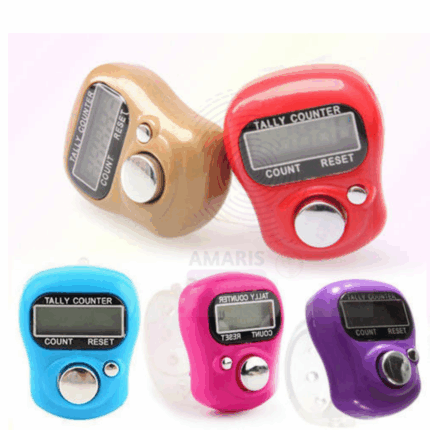
Tally counter
A Tally Counter is a mechanical or digital handheld device designed for counting and recording numbers in laboratory, industrial, or field applications. It features a simple button or lever mechanism to increment counts and a clear display to show the current total. Often used for repetitive counting tasks, tally counters ensure accuracy and efficiency by eliminating manual errors. Their compact, durable design allows for easy portability and long-term use in settings such as sample counting, inventory checks, and experimental data collection.
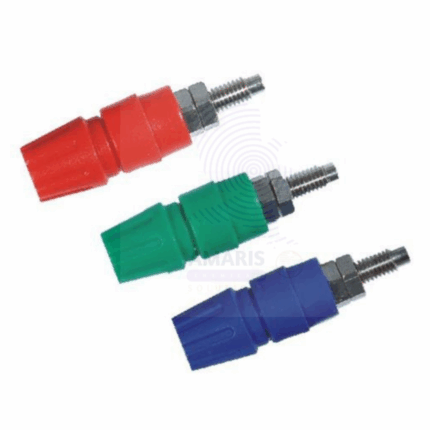
Terminals
Terminals are essential electrical connectors used in laboratory and industrial setups to create secure, reliable connections between wires, cables, and electrical equipment. Typically made from conductive metals such as copper or brass and often coated with corrosion-resistant materials, terminals facilitate the transfer of electrical signals or power with minimal resistance. They come in various types including ring, spade, fork, and blade terminals to suit diverse wiring requirements. Terminals are widely used in electrical circuits, instrumentation, and control panels within laboratories to ensure safe and efficient electrical connections.
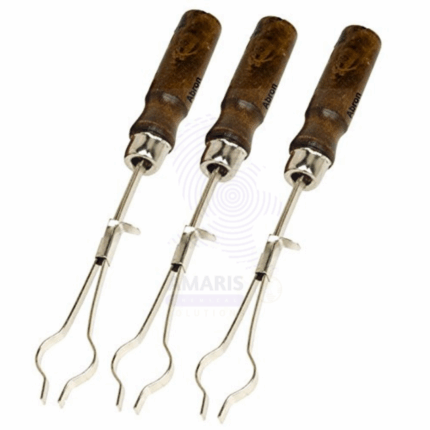
Test tube holder wire type
The Test Tube Holder Wire Type is a laboratory tool designed to safely hold and handle test tubes during heating, cooling, or transporting. Constructed from durable, heat-resistant metal wire, this holder features a spring-action mechanism or looped grip that securely clasps test tubes of various sizes. Its lightweight and ergonomic design provide ease of use and safe handling, preventing direct contact with hot or reactive substances. Widely used in chemistry, biology, and educational laboratories, the wire type test tube holder is essential for safe manipulation of test tubes during experiments and procedures.
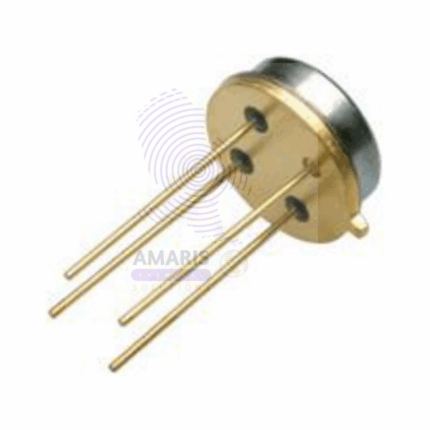
Thermopiles
Thermopiles are electronic devices composed of multiple thermocouples connected in series or parallel to increase the output voltage generated from temperature differences. They convert thermal energy into electrical energy, enabling precise temperature measurement and heat flux detection. Thermopiles are widely used in laboratory instruments, infrared sensors, gas analyzers, and thermal imaging equipment due to their sensitivity and ability to measure temperature without direct contact. Their robust construction allows them to operate over a broad temperature range and in harsh environments.
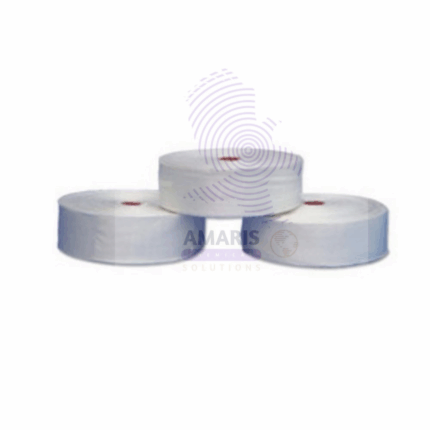
Ticker tape roll
Ticker Tape Roll is a continuous paper strip used historically in laboratories and offices for recording data from electromechanical devices such as ticker tape machines, strip chart recorders, and scientific instruments. The tape records numerical or graphical information through printed or punched marks, enabling the documentation of measurements like time, temperature, or other variables. Made from durable, smooth, white paper, the tape is designed to feed easily through devices without jamming or tearing. Though largely replaced by digital methods, ticker tape rolls are still used in some educational, experimental, and archival applications.
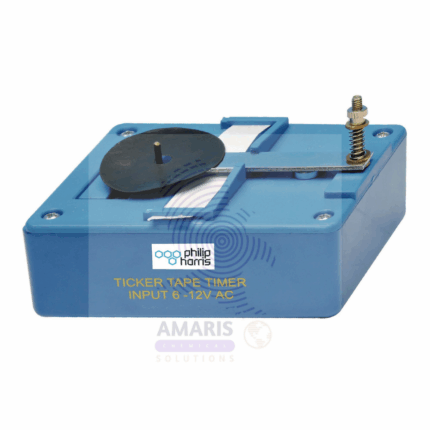
Ticker tape timer
A Ticker Tape Timer is a mechanical or electromechanical device used in laboratories and educational settings to measure time intervals by marking a continuous ticker tape at regular increments. It works by producing dots or punches on the tape, allowing precise tracking of elapsed time during experiments involving motion, reaction times, or other time-dependent processes. The timer is compatible with standard ticker tapes and provides an analog method for recording temporal data, facilitating analysis of speed, acceleration, or time durations in physics and other scientific experiments.
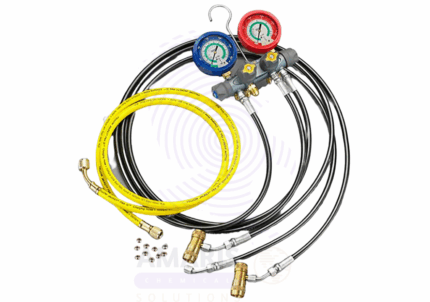
Titan Fuel Plus
Titan Fuel Plus is a high-performance additive designed to enhance the efficiency and stability of fuel in various industrial and laboratory applications. Formulated to improve combustion quality, reduce emissions, and extend engine life, this product is ideal for use in research, testing, and industrial fuel systems. Its chemically stable composition ensures compatibility with a wide range of fuel types and operating conditions. Titan Fuel Plus helps optimize fuel performance, ensuring cleaner burn and better energy output in laboratory and industrial setups.

Tuning fork
Tuning fork consists of eight precision-engineered metal forks, each designed to vibrate at specific musical or scientific frequencies. These forks are used in laboratory, medical, and educational settings for sound frequency testing, auditory research, and vibration experiments. Made from high-quality stainless steel or aluminum alloys, the set offers durability and consistent acoustic performance. The forks produce clear, sustained tones when struck, making them valuable tools for hearing assessments, resonance studies, and acoustic calibrations.
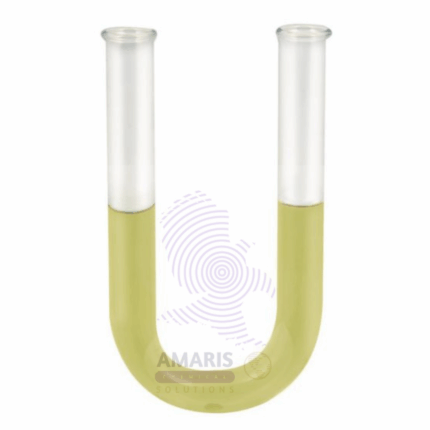
U tube lab glass
U Tube Lab Glass is a precision-crafted glass apparatus shaped in a U-form, widely used in laboratory experiments involving fluid dynamics, pressure measurement, and gas collection. Made from chemically resistant borosilicate glass, the U Tube offers excellent durability, thermal resistance, and clarity for easy observation of liquids and gases. It is commonly employed in physics, chemistry, and engineering labs for manometer setups, fluid flow experiments, and pressure differential measurements. The design ensures accurate and reliable results while withstanding the rigors of routine laboratory use.

U Tube Lab Glass With Side Arms
U Tube Lab Glass with Side Arms is a specialized U-shaped borosilicate glass apparatus featuring additional side arms for fluid or gas connections. Designed for laboratory experiments involving pressure measurement, fluid flow, and gas displacement, this device offers enhanced versatility. Made from chemically resistant, durable glass, it withstands temperature fluctuations and chemical exposure. The side arms facilitate easy integration with tubing and other equipment, enabling complex experimental setups in physics, chemistry, and engineering labs. It is widely used in manometer applications, vacuum experiments, and fluid dynamics research.

Vacuum and air pressure pump combined
The Vacuum and Air Pressure Pump Combined is a versatile laboratory device designed to generate both vacuum and positive air pressure within experimental setups. This dual-function pump efficiently supports a wide range of laboratory applications requiring controlled pressure environments. Constructed with durable materials and precision engineering, it offers reliable performance, easy operation, and compatibility with various laboratory instruments such as filtration units, desiccators, and pressure chambers. The combined pump is essential for fluid transfer, filtration, degassing, and pressure regulation tasks in chemical, biological, medical, and industrial laboratories.

Van de generator manual
Van de generator manual is a comprehensive instructional guide designed to accompany the Van de Graaff Generator, a high-voltage electrostatic generator widely used in physics laboratories. This manual provides detailed information on the assembly, operation, safety precautions, and maintenance of the generator. It includes theoretical background, practical experiments, troubleshooting tips, and guidelines to maximize educational and research outcomes. Essential for students, educators, and researchers, the manual facilitates the understanding and safe use of the Van de Graaff Generator in electrostatics and high voltage experiments.

Voltalic cell
A Voltaic Cell, also known as a galvanic cell, is an electrochemical device that converts chemical energy into electrical energy through spontaneous redox reactions. It consists of two different metals or metal compounds (electrodes) immersed in electrolyte solutions, connected by a salt bridge or porous membrane to complete the circuit. Widely used in educational, research, and industrial laboratories, the Voltaic Cell demonstrates fundamental principles of electrochemistry, battery operation, and electron flow. Its robust design and clear setup make it essential for experiments involving voltage generation, electrochemical potentials, and energy conversion.
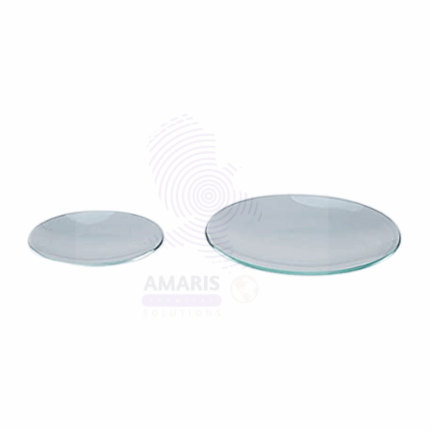
Wash Glass
Wash Glass are durable laboratory glassware items designed for safely and efficiently washing and rinsing laboratory equipment and samples. Made from chemically resistant borosilicate glass, these wash glasses are clear for easy visibility and withstand thermal and mechanical stresses encountered during laboratory procedures. The sizes 50mm and 75mm refer to the diameter of the glass, providing options for different volume requirements. Widely used in chemical, biological, and medical laboratories, Wash Glasses are essential for cleaning and sample preparation tasks, ensuring contamination-free processes.

Wave machine
The Wave Machine is a laboratory apparatus designed to demonstrate the principles of wave motion, including transverse and longitudinal waves, reflection, interference, and wave propagation. Constructed from durable materials with adjustable components, the wave machine visually simulates wave behavior in a controlled setting, making it ideal for physics education and research. Widely used in schools, colleges, and research labs, it facilitates hands-on learning and experimentation with mechanical wave phenomena, aiding in the understanding of fundamental concepts in physics and engineering.

Whetstone Bridge With Pencil Jockey
The Whetstone Bridge with Pencil Jockey is a precision electrical instrument used to measure unknown electrical resistances by balancing two legs of a bridge circuit. It consists of a robust base, a wire or slide wire of known resistance, and a movable contact known as the pencil jockey to slide along the wire for accurate balancing. This apparatus is widely used in physics and electrical engineering laboratories for teaching and research purposes, helping students and technicians to understand the principles of Wheatstone bridge circuits and precise resistance measurements.

Young modules apparatus
Young modules apparatus is a precision laboratory instrument used to measure the elastic modulus (Young's modulus) of materials such as metals and wires. It typically consists of a rigid frame, a wire or specimen holder, a micrometer or dial gauge for measuring elongation, and weights or a loading mechanism to apply tensile force. This apparatus is essential in physics and materials science laboratories for studying the mechanical properties of materials under tensile stress, enabling the calculation of stress-strain relationships and elasticity. It is widely used in educational institutions and research laboratories to demonstrate fundamental concepts of material science and mechanical behavior.












