

 Preservatives(food)
 Flavors
 Acidulants
 Sweeteners
 Antioxidants
 Colorants(food)
 Nutraceutical Ingredients (food)
 Nutrient Supplements
 Emulsifiers
 Collectors
 Dust Suppressants
 Explosives and Blasting Agents
 Flocculants and Coagulants
 Frothers
 Leaching Agents
 pH Modifiers
 Precious Metal Extraction Agents
 Antioxidants(plastic)
 Colorants (Pigments, Dyes)
 Fillers and Reinforcements
 Flame Retardants
 Monomers
 Plasticizers
 Polymerization Initiators
 Stabilizers (UV, Heat)
 Antifoaming Agents
 Chelating Agents
 Coagulants and Flocculants
 Corrosion Inhibitors
 Disinfectants and Biocides
 Oxidizing Agents
 pH Adjusters
 Scale Inhibitors( water)
 Antioxidants(cosmetic)
 Emollients
 Oils
Oils Carrier Oills
 Essential Oils
 Humectants
 Preservatives
 Surfactants(cosmetic)
 Thickeners
 UV Filters
 Fertilizers
 Soil Conditioners
 Plant Growth Regulators
 Animal Feed Additives
 Biostimulants
 Pesticides (Herbicides, Insecticides, Fungicides)
 Active Pharmaceutical Ingredients (APIs)
 Excipients
 Solvents(pharmaceutical)
 Antibiotics
 Antiseptics and Disinfectants
 Vaccine Adjuvants
 Nutraceutical Ingredients (pharmaceutical)
 Analgesics & Antipyretics
 Analytical Reagents
 Solvents(lab)
 Chromatography Chemicals
 Spectroscopy Reagents
 microbiology-and-cell-culture-reagents
 Molecular Biology Reagents
 Biochemical Reagents
 Inorganic and Organic Standards
 Laboratory Safety Chemicals
 Specialty Laboratory Chemicals(Special Laboratory Equipment)
 Demulsifiers
 Hydraulic Fracturing Fluids
 Scale Inhibitors(oil)
 Surfactants(oil)
 Drilling Fluids
 Dyes and Pigments
 Bleaching Agents
 Softening Agents
 Finishing Agents
 Antistatic Agents
 Admixtures
 Waterproofing Agents
 Sealants and Adhesives
 Curing Compounds
 Concrete Repair Chemicals
 Anti-Corrosion Coatings
 Surfactants(cleaning)
 Builders
 Enzymes
 Solvents (Cleaning)
 Fragrances (Cleaning)
 Electronic Chemicals
 Catalysts
 Lubricants
 Photographic Chemicals
 Refrigerants
 Automotive chemicals
 Pyrotechnic Chemicals
 Biodegradable Surfactants
 Bio-based Solvents
 Renewable Polymers
 Carbon Capture Chemicals
 Wastewater Treatment Chemicals
 Pigments
 Solvents(paint)
 Specialty Coatings
 Binders/Resins
 Additives
 Driers
 Anti-Corrosion Agents
 Functional Coatings
 Application-Specific Coatings
 Leavening Agents
 Dough Conditioners
 Flour Treatments
 Fat Replacers
 Decoratives
 Preservatives(baking)
 Plasticizers & Softeners
 Reinforcing Agents
 Adhesion Promoters
 Vulcanizing Agents
 Antidegradants
 Blowing Agents
 Fillers & Extenders
 Accelerators & Retarders
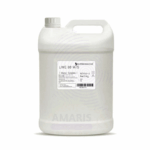
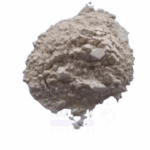


Acid Oil Soya
Acid Oil Soya is a byproduct derived from the refining of soybean oil. It is a dark-colored, free fatty acid-rich liquid containing mainly oleic and linoleic acids. Acid Oil Soya is commonly used in industrial applications such as soap making, animal feed, and as a raw material in the production of biodiesel, lubricants, and other chemicals.
Acid Oil Soya
Primary Uses
- Biodiesel Production
- Used as a low-cost feedstock for biodiesel manufacturing due to its high free fatty acid (FFA) content.
- Processed via esterification/transesterification to produce fatty acid methyl esters (FAME).
- Animal Feed Supplement
- Mixed with feed pellets as an energy source for livestock (poultry, cattle, pigs).
- Provides fatty acids for improved animal growth and coat condition.
- Soap & Oleochemical Industry
- Raw material for low-grade soaps and fatty acid distillation.
- Used in lubricants, greases, and industrial surfactants.
Secondary Uses
- Agriculture
- Acts as a dust suppressant in feed mills.
- Used in organic pesticides as a carrier oil.
- Wastewater Treatment
- Helps in flotation processes to remove oil/grease from industrial effluents.
- Rubber & Plastics
- Softening agent in rubber recycling.
1. Basic Identification Attributes
- Chemical Name: Hydrolyzed Soybean Oil Fatty Acids
- Common/Trade Names:
- Soya Acid Oil
- Soybean Acid Oil
- Hydrolyzed Soy Oil
- CAS Number: 68308-53-2 (for soybean acid oil)
- HS Code: 1518.00.90 (vegetable oil acid oils)
- Molecular Formula: Variable (mixture of C16-C18 fatty acids)
- Synonyms:
- Soybean fatty acid distillate
- Acidulated soybean soapstock
- Soy oil fatty acids
2. Physical & Chemical Properties
- Physical State: Viscous liquid to semi-solid
- Color & Odor: Dark brown to black; characteristic fatty odor
- Melting Point: 20-30°C (depends on composition)
- Boiling Point: >300°C (decomposes)
- Density: 0.90-0.95 g/cm³ at 20°C
- Solubility:
- Water: Insoluble
- Organic solvents: Soluble in ethanol, ether, chloroform
- pH Level: 2-5 (acidic)
- Vapor Pressure: Negligible at 20°C
- Flash Point: >150°C (COC)
- Viscosity: 50-100 cP at 40°C
3. Safety & Hazard Attributes
- Hazard Class (GHS):
- Skin Irritation (Category 2)
- Eye Irritation (Category 2)
- NFPA Ratings:
- Health: 1
- Flammability: 1
- Reactivity: 0
- Exposure Limits:
- No specific OEL established
- General dust limit: 10 mg/m³ (total), 5 mg/m³ (respirable)
- Reactivity:
- Incompatible with strong oxidizers
- Corrosive to some metals
4. Storage & Handling Attributes
- Storage Conditions:
- Store at 15-40°C
- Keep containers tightly closed
- Protect from moisture
- Incompatible Materials:
- Strong bases
- Strong oxidizers
- Container Type:
- Carbon steel or stainless steel drums
- HDPE containers for small quantities
- Shelf Life: 12-24 months if properly stored
- Special Handling:
- Use chemical-resistant gloves (nitrile)
- Eye protection recommended
- Adequate ventilation
5. Regulatory & Compliance Attributes
- Regulatory Status:
- FDA: 21 CFR 172.860 (as fatty acids)
- EU: Approved as food additive E570
- REACH: Registered
- Hazard Symbols (GHS):
- Exclamation mark (irritant)
- Transportation Restrictions:
- Not classified as dangerous goods
- Waste Disposal Method:
- Incineration or recycling preferred
- Not RCRA hazardous
6. Environmental & Health Impact
- Ecotoxicity:
- LC50 (fish): >100 mg/L
- EC50 (daphnia): >100 mg/L
- Persistence in Environment:
- Readily biodegradable (>60% in 28 days)
- Carcinogenicity/Mutagenicity:
- Not classified (IARC, NTP, OSHA)
- Biodegradability:
- 90% in 28 days (OECD 301F)
Safety Handling Precautions
Personal Protective Equipment (PPE):
- Gloves: Nitrile or neoprene (for chemical resistance)
- Eye Protection: Safety goggles + face shield (for splash risk)
- Respiratory: N95 mask (when handling heated material)
- Body: Chemical-resistant apron + steel-toe boots
Handling & Storage:
- Store in stainless steel or HDPE containers
- Keep away from oxidizers and strong acids
- Maintain temperature below 50°C (to prevent decomposition)
- Use grounded equipment to prevent static discharge
Hygiene Measures:
- No eating/drinking in handling areas
- Wash hands thoroughly after handling
- Provide emergency eyewash station nearby
First Aid Measures
Skin Contact:
- Remove contaminated clothing
- Wash with mild soap and warm water for 15 minutes
- Apply emollient cream if irritation occurs
Eye Contact:
- Flush with lukewarm water for 15-20 minutes
- Seek medical attention if irritation persists
Ingestion:
- Rinse mouth with water
- Do NOT induce vomiting
- Seek medical advice if large amounts swallowed
Inhalation:
- Move to fresh air
- Give oxygen if breathing is difficult
Firefighting Measures
Fire Characteristics:
- Combustible liquid (flash point typically >150°C)
- Burns with thick, black smoke
- May release acrolein at high temperatures
Extinguishing Media:
- Dry chemical powder
- CO₂
- Foam
- Water spray (to cool containers)
Special Precautions:
- Wear SCBA (self-contained breathing apparatus)
- Contain runoff to prevent environmental contamination
- Cool adjacent containers with water spray
Spill Management
Small Spills:
- Contain with absorbent materials (vermiculite, sand)
- Collect in approved waste containers
Large Spills:
- Implement secondary containment
- Use oil spill booms for liquid containment
- Prevent entry into drains or watercourses
Storage & Disposal
Storage Conditions:
- Keep in cool, well-ventilated area
- Away from ignition sources
- In corrosion-resistant containers
Disposal:
- Treat as industrial waste
- Follow local waste oil regulations
- Consider recycling/reprocessing options
Related products
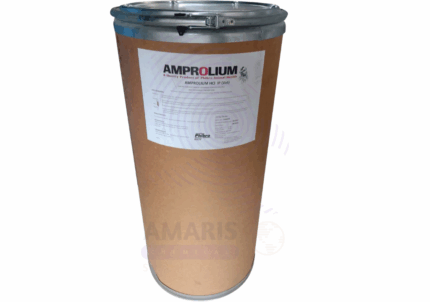
Amprolium Hydrochloride
Amprolium Hydrochloride is a white, odorless, crystalline powder used primarily as a coccidiostat, which means it inhibits the growth of Eimeria species (protozoan parasites) responsible for coccidiosis in poultry and other animals. It works by mimicking thiamine (vitamin B1), thereby competitively inhibiting thiamine uptake by the parasite, disrupting its metabolism, and preventing its proliferation. Amprolium HCl is widely used in veterinary medicine, especially in poultry farming, and is often included in feed or drinking water. It complies with BP 2008 and USP 32 pharmacopeial standards.
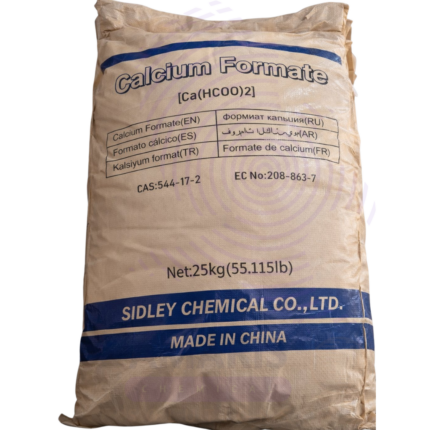
Calcium Formate
Calcium Formate is the calcium salt of formic acid, appearing as a white, free-flowing crystalline powder or granules. It is an odorless compound with a slightly bitter taste and is non-toxic. The chemical formula is Ca(HCOO)₂ with a molecular weight of 130.0 g/mol. Calcium Formate is slightly hygroscopic and readily soluble in water, with solubility of approximately 16.1 g/100 mL at 20°C. Its water solution is neutral with a pH of 6.0 to 8.0. The compound is stable under normal storage conditions and has a decomposition temperature exceeding 400°C. Technical grade Calcium Formate is manufactured for industrial applications including construction, animal feed, leather processing, and water treatment.
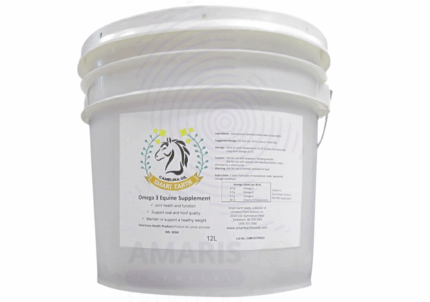
Camelina
Camelina (Camelina sativa), also known as false flax or gold-of-pleasure, is an ancient oilseed crop belonging to the Brassicaceae family. It produces small, golden-brown seeds that are rich in oil content, typically around 30-40%. The oil extracted from Camelina seeds is prized for its high content of omega-3 fatty acids, antioxidants, and bioactive compounds, making it valuable in food, feed, cosmetic, and industrial applications. Camelina oil has a mild, nutty flavor and a favorable fatty acid profile including linolenic acid, making it a sustainable alternative to traditional vegetable oils. The crop is noted for its short growing season, low input requirements, and adaptability to marginal soils and climates.
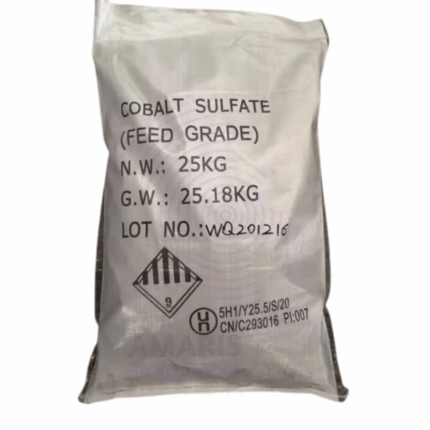
Cobalt Sulphate Feed Grade
Cobalt Sulphate Feed Grade is a cobalt salt of sulfuric acid, typically appearing as a pink to reddish crystalline powder or granules. It is specifically manufactured and purified for use as a trace mineral supplement in animal nutrition. Cobalt is an essential trace element required in small amounts for the synthesis of vitamin B12 (cobalamin) in ruminants, playing a vital role in maintaining proper metabolism, growth, and overall health. Feed grade cobalt sulfate ensures safe, bioavailable cobalt supply to livestock such as cattle, sheep, goats, and poultry, supporting rumen microbial activity, appetite, and red blood cell production.
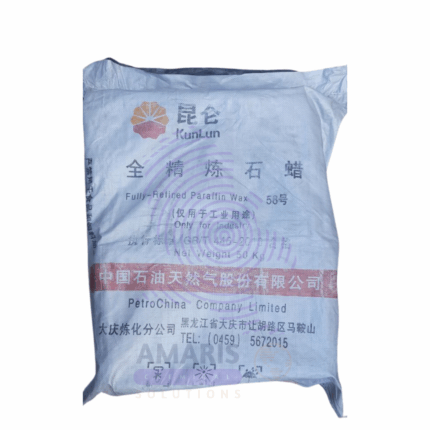
Fully Refined Paraffin Wax
Fully Refined Paraffin Wax is a highly purified, odorless, white to pale yellow wax obtained from the refining of petroleum-derived crude paraffin wax. It consists primarily of saturated hydrocarbons (alkanes) with chain lengths typically between C20 and C40. Due to its excellent chemical stability, non-toxicity, and versatility, Fully Refined Paraffin Wax is widely used across numerous industries including cosmetics, pharmaceuticals, food packaging, candle making, rubber processing, and electrical insulation. It exhibits a high melting point, low volatility, and good water resistance.

Magnesium Sulphate (Epsom Salt)
Magnesium Sulphate Epsom Salt, commonly known as Epsom Salt, is an inorganic salt composed of magnesium, sulfur, and oxygen with the formula MgSO₄. It typically appears as colorless or white crystalline granules and is highly soluble in water. In its heptahydrate form (MgSO₄·7H₂O), it is widely used in agriculture, pharmaceuticals, food, and industrial applications. Epsom Salt is valued for its muscle relaxant, laxative, and magnesium supplementation properties, as well as for its role in improving soil fertility and plant growth.

Mineral lick ( Rock Salt)
Mineral Lick, commonly known as Rock Salt, is a naturally occurring mineral primarily composed of sodium chloride. It is harvested from salt deposits and widely used as a mineral supplement for livestock and wildlife, providing essential nutrients. Mineral Lick enhances animal health by promoting hydration, digestion, and mineral balance. It also has applications in industry, agriculture, and food processing.

Toxin Binder Premix
Toxin Binder Premix is a specialized feed additive formulated to adsorb and neutralize a broad range of mycotoxins and other harmful toxins present in animal feed. It enhances animal health by preventing the absorption of toxins in the gastrointestinal tract, thereby improving feed efficiency and productivity. The premix typically contains activated clays, yeast cell wall components, and other natural or synthetic adsorbents designed for use in livestock, poultry, and aquaculture feeds. This product supports animal growth, immune function, and overall well-being by mitigating the adverse effects of feed contamination.












