

 Preservatives(food)
 Flavors
 Acidulants
 Sweeteners
 Antioxidants
 Colorants(food)
 Nutraceutical Ingredients (food)
 Nutrient Supplements
 Emulsifiers
 Collectors
 Dust Suppressants
 Explosives and Blasting Agents
 Flocculants and Coagulants
 Frothers
 Leaching Agents
 pH Modifiers
 Precious Metal Extraction Agents
 Antioxidants(plastic)
 Colorants (Pigments, Dyes)
 Fillers and Reinforcements
 Flame Retardants
 Monomers
 Plasticizers
 Polymerization Initiators
 Stabilizers (UV, Heat)
 Antifoaming Agents
 Chelating Agents
 Coagulants and Flocculants
 Corrosion Inhibitors
 Disinfectants and Biocides
 Oxidizing Agents
 pH Adjusters
 Scale Inhibitors( water)
 Antioxidants(cosmetic)
 Emollients
 Oils
Oils Carrier Oills
 Essential Oils
 Humectants
 Preservatives
 Surfactants(cosmetic)
 Thickeners
 UV Filters
 Fragrance (Cosmetics)
 Fertilizers
 Soil Conditioners
 Plant Growth Regulators
 Animal Feed Additives
 Biostimulants
 Pesticides (Herbicides, Insecticides, Fungicides)
 Active Pharmaceutical Ingredients (APIs)
 Excipients
 Solvents(pharmaceutical)
 Antibiotics
 Antiseptics and Disinfectants
 Vaccine Adjuvants
 Nutraceutical Ingredients (pharmaceutical)
 Analgesics & Antipyretics
 Analytical Reagents
 Solvents(lab)
 Chromatography Chemicals
 Spectroscopy Reagents
 microbiology-and-cell-culture-reagents
 Molecular Biology Reagents
 Biochemical Reagents
 Inorganic and Organic Standards
 Laboratory Safety Chemicals
 Specialty Laboratory Chemicals(Special Laboratory Equipment)
 Demulsifiers
 Hydraulic Fracturing Fluids
 Scale Inhibitors(oil)
 Surfactants(oil)
 Drilling Fluids
 Dyes and Pigments
 Bleaching Agents
 Softening Agents
 Finishing Agents
 Antistatic Agents
 Admixtures
 Waterproofing Agents
 Sealants and Adhesives
 Curing Compounds
 Concrete Repair Chemicals
 Anti-Corrosion Coatings
 Surfactants(cleaning)
 Builders
 Enzymes
 Solvents (Cleaning)
 Electronic Chemicals
 Catalysts
 Lubricants
 Photographic Chemicals
 Refrigerants
 Automotive chemicals
 Pyrotechnic Chemicals
 Biodegradable Surfactants
 Bio-based Solvents
 Renewable Polymers
 Carbon Capture Chemicals
 Wastewater Treatment Chemicals
 Pigments
 Solvents(paint)
 Specialty Coatings
 Binders/Resins
 Additives
 Driers
 Anti-Corrosion Agents
 Functional Coatings
 Application-Specific Coatings
 Leavening Agents
 Dough Conditioners
 Flour Treatments
 Fat Replacers
 Decoratives
 Preservatives(baking)
 Plasticizers & Softeners
 Reinforcing Agents
 Adhesion Promoters
 Vulcanizing Agents
 Antidegradants
 Blowing Agents
 Fillers & Extenders
 Accelerators & Retarders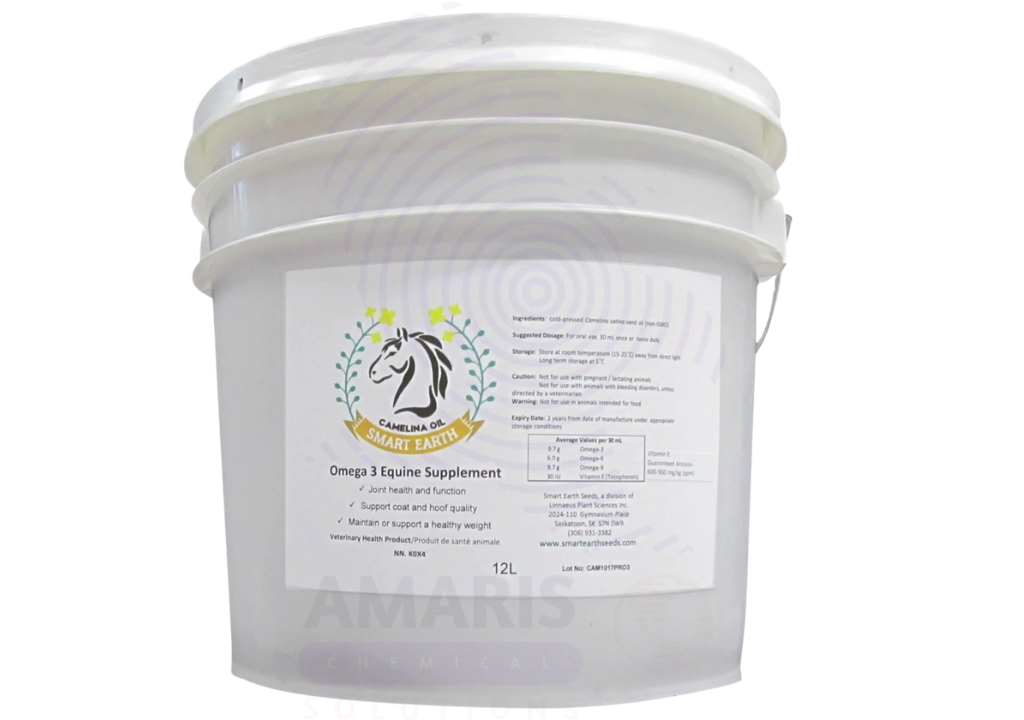


Camelina
Camelina (Camelina sativa), also known as false flax or gold-of-pleasure, is an ancient oilseed crop belonging to the Brassicaceae family. It produces small, golden-brown seeds that are rich in oil content, typically around 30-40%. The oil extracted from Camelina seeds is prized for its high content of omega-3 fatty acids, antioxidants, and bioactive compounds, making it valuable in food, feed, cosmetic, and industrial applications. Camelina oil has a mild, nutty flavor and a favorable fatty acid profile including linolenic acid, making it a sustainable alternative to traditional vegetable oils. The crop is noted for its short growing season, low input requirements, and adaptability to marginal soils and climates.
Camelina Uses
Primary Uses
- Food Industry
- Used as a specialty edible oil rich in omega-3 fatty acids, suitable for salad dressings, cooking, and as a nutritional supplement.
- Incorporated into health foods, nutraceuticals, and functional foods for its antioxidant and anti-inflammatory properties.
- Used as an ingredient in bakery products and snacks to improve nutritional profile.
- Animal Feed
- Press cake (residual meal after oil extraction) is used as a high-protein feed supplement for livestock, poultry, and aquaculture.
- Enhances omega-3 content in animal products (meat, milk, eggs) when included in feed.
- Cosmetics & Personal Care
- Camelina oil is utilized in skin and hair care products due to its moisturizing, anti-inflammatory, and antioxidant benefits.
- Commonly found in lotions, creams, balms, and hair conditioners.
- Industrial Applications
- Used as a bio-based feedstock for biofuels, lubricants, and bioplastics due to its renewable nature and favorable oil properties.
- Applied in environmentally friendly coatings and paints.
Secondary Uses
- Pharmaceutical & Nutraceutical Research
- Investigated for cardioprotective and anti-cancer effects linked to its bioactive compounds.
- Explored in formulations targeting skin health and wound healing.
- Agronomy & Crop Rotation
- Employed as a rotational crop to improve soil health and reduce pests in sustainable agriculture systems.
- Used as a cover crop to prevent soil erosion and improve water retention.
- Wildlife & Pollinator Support
- Camelina flowers provide nectar for bees and beneficial insects, supporting pollinator populations.
1. Basic Identification Attributes
- Scientific Name: Camelina sativa
- Common/Trade Name: Camelina, False Flax, Gold-of-Pleasure
- CAS Number: Not applicable (natural product)
- HS Code: 120799 (Seeds for sowing, other oil seeds)
- Synonyms:
- Wild flax
- Gold of pleasure
- Camelina oilseed
2. Physical & Chemical Properties
- Physical State: Oilseed (dry seeds), and cold-pressed oil
- Seed Appearance: Small, oval, golden-brown seeds
- Oil Color: Pale yellow to golden oil
- Oil Odor & Taste: Mild, nutty aroma and flavor
- Oil Composition:
- High in polyunsaturated fatty acids (40-45% alpha-linolenic acid, omega-3)
- Contains oleic acid, linoleic acid, palmitic acid, stearic acid
- Rich in tocopherols (natural antioxidants)
- Density: ~0.92 g/cm³ (oil)
- Smoke Point: ~225°C (refined oil)
- Shelf Life: 6–12 months under proper storage
3. Safety & Hazard Attributes
- Hazard Class (GHS): Generally recognized as safe (GRAS) for food use
- Allergenicity: Low allergenic potential; however, those with mustard or related seed allergies should exercise caution
- Toxicity: Non-toxic; no known adverse health effects when consumed or used topically in recommended amounts
- Handling: Avoid inhalation of dust from seeds; use proper PPE during processing
4. Storage & Handling Attributes
- Storage Conditions: Store seeds and oil in a cool, dry, dark place to prevent rancidity and moisture damage
- Container Type: Airtight containers, preferably opaque or dark glass bottles for oil
- Shelf Life: Seeds – up to 1 year under proper conditions; Oil – 6 to 12 months refrigerated
- Special Handling: Minimize exposure to heat, light, and air to preserve oil quality
5. Regulatory & Compliance Attributes
- Food Safety: Approved as edible oil by FDA and EFSA; compliant with food grade standards
- Organic Certification: Available as organic certified product when grown under approved practices
- Transportation: Not classified as hazardous; standard shipment conditions apply
- Waste Disposal: Residual seed cake is biodegradable and can be used as animal feed or soil amendment
6. Environmental & Health Impact
- Ecotoxicity: Minimal environmental impact; biodegradable and sustainable crop
- Carbon Footprint: Low carbon footprint compared to many traditional oil crops due to low input needs
- Bioaccumulation: Not applicable
- Carcinogenicity/Mutagenicity: Not classified as carcinogenic or mutagenic
- Biodegradability: Fully biodegradable; seed hulls and press cake contribute to soil organic matter
Safety Handling Precautions
Personal Protective Equipment (PPE):
- Gloves (during seed processing)
- Dust mask (to avoid inhaling seed dust)
- Eye protection if working with dust
Handling Measures:
- Avoid creating dust clouds
- Use adequate ventilation in processing areas
- Wash hands after handling
Storage Measures:
- Keep containers sealed and protected from moisture and direct sunlight
- Use FIFO (first-in, first-out) inventory management
First Aid Measures
- Inhalation: Move to fresh air if dust inhalation causes irritation; seek medical advice if symptoms persist
- Skin Contact: Wash with soap and water; no expected irritation under normal use
- Eye Contact: Rinse with water if dust contacts eyes
- Ingestion: Generally safe as food; in rare cases of excessive ingestion, seek medical advice
Firefighting Measures
- Fire Hazards: Seeds and oil are combustible; oil can burn if exposed to flame
- Extinguishing Media: Use foam, dry chemical, or CO₂ for oil fires; water spray for seed fires
- Special Precautions: Avoid inhaling smoke from burning oil or seeds; wear protective gear
Related products
Almond Butter
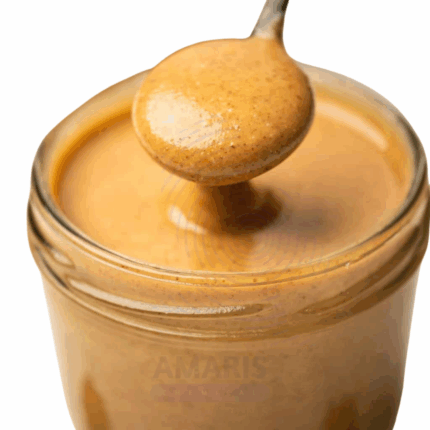
Almond Butter is a smooth, creamy paste made by grinding roasted or raw almonds into a nutrient-rich spread. It retains the natural oils and flavor of almonds, offering a mild, nutty aroma and rich, buttery texture. Almond Butter is packed with monounsaturated fats, protein, vitamin E, magnesium, and antioxidants, making it a highly valued ingredient in the food, nutraceutical, and personal care industries.
In cosmetics and skincare, Almond Butter is prized for its emollient properties, making it a popular base for creams, balms, and body butters. It provides skin-softening, moisturizing, and barrier-protecting benefits. In the food and beverage industry, it is used as a spread, in smoothies, baked goods, energy bars, and dairy alternatives. It is also included in specialty pet food and wellness formulations.
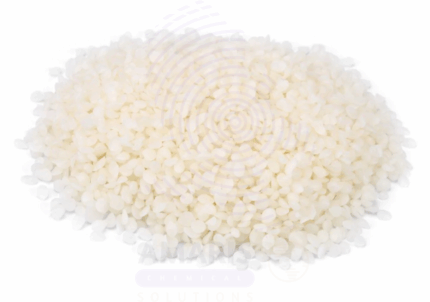
Avocado Wax
Avocado wax is a natural plant-derived wax extracted primarily from the pulp and seed of the avocado fruit (Persea americana). It appears as a hard, yellowish wax with excellent emollient, film-forming, and moisturizing properties. Valued for its biodegradability, compatibility with various formulations, and sustainability, avocado wax is widely used as a natural alternative to synthetic waxes in cosmetics, pharmaceuticals, food, and industrial applications.
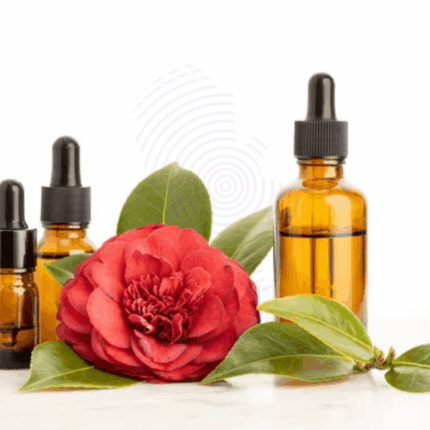
Camelia Oil Infused
Camelia Oil Infused is a gentle, nutrient-rich botanical oil made by infusing the flowers or leaves of the Camellia sinensis or Camellia japonica plant into a carrier oil such as olive, jojoba, or sweet almond oil. Unlike cold-pressed camellia seed oil, this infusion captures a wider spectrum of antioxidant polyphenols, flavonoids, and saponins from the plant material, delivering enhanced skin and hair benefits. Known for its lightweight, non-greasy texture and rapid absorption, Camellia Infused Oil is deeply moisturizing and ideal for sensitive, dry, or aging skin.
Popular in Japanese and Korean beauty traditions, this oil is often used to promote skin elasticity, smoothness, and overall rejuvenation, making it a preferred ingredient in natural cosmetic and personal care products.
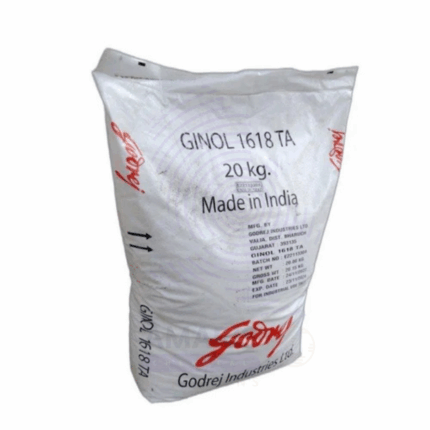
Ceto Stearyl Alcohol
Ceto Stearyl Alcohol 1618TA is a high-quality fatty alcohol blend primarily composed of cetyl (C16) and stearyl (C18) alcohols. It appears as a white, waxy solid or flakes with a mild fatty odor. This blend is widely used as an emollient, thickener, and co-emulsifier in cosmetic, pharmaceutical, and industrial formulations. Ceto Stearyl Alcohol 1618TA offers excellent lubricity, thickening, and stabilizing properties, enhancing the texture, consistency, and moisturizing characteristics of creams, lotions, and hair care products. It serves as a skin conditioning agent and contributes to the structural integrity of emulsions.
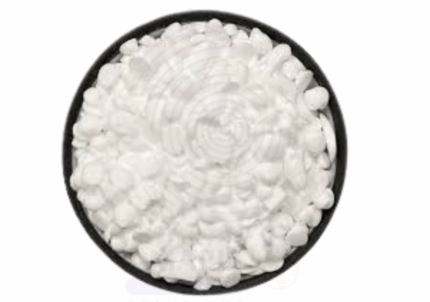
Cetyl Alcohol Flakes
Cetyl Alcohol Flakes is a high-purity fatty alcohol derived mainly from natural sources such as palm oil and coconut oil. Presented as white to off-white waxy flakes, this product contains at least 98% pure cetyl alcohol, ensuring consistent performance and quality. It is valued for its excellent emollient, thickening, and emulsifying properties and is widely used in personal care, pharmaceutical, and industrial formulations. The flake form facilitates easy handling, melting, and dosing in manufacturing processes. Cetyl Alcohol 98% Flakes contributes to the texture, stability, and moisturizing properties of various formulations, providing a non-greasy, smooth finish.
Coffee Butter
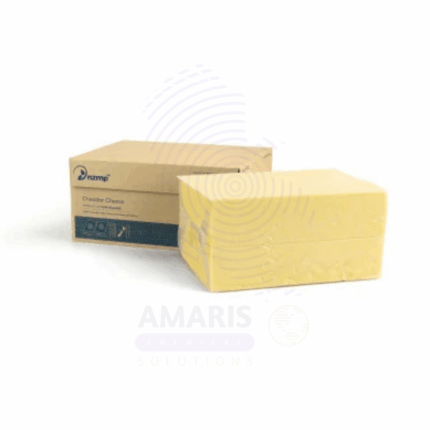
Coffee Butter is a natural, plant-derived fat extracted primarily from the coffee seed pulp or coffee cherry, sometimes from the coffee bean itself. It is a creamy, pale yellow to light brown solid at room temperature with a mild coffee aroma. Coffee Butter is rich in fatty acids, antioxidants, and vitamins, making it a valuable ingredient in cosmetics, skincare, and specialty food products. Known for its emollient, moisturizing, and antioxidant properties, Coffee Butter helps to nourish and protect the skin while providing a pleasant sensory experience. It is gaining popularity as a sustainable by-product of coffee processing, contributing to zero-waste initiatives.

Jojoba Wax
Jojoba Wax is a natural, golden-yellow to amber-colored wax ester extracted from the seeds of the jojoba plant (Simmondsia chinensis). Unlike traditional vegetable oils, jojoba wax is chemically a liquid wax, known for its excellent stability, moisturizing properties, and similarity to human sebum. It is odorless or mildly nutty and is widely used in cosmetics, personal care, and pharmaceutical applications as an emollient, thickener, and skin conditioning agent.
Lanolin Anhydrous
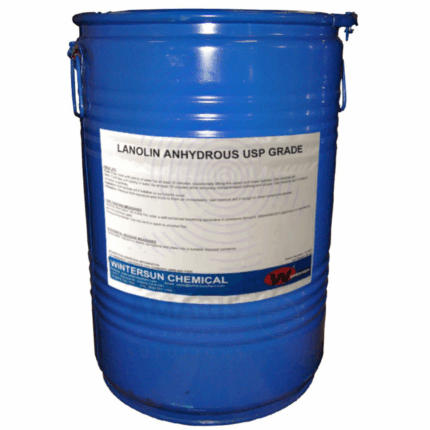
Lanolin Anhydrous is a purified, waxy substance derived from the sebaceous glands of sheep’s wool. It appears as a yellow to amber, semi-solid wax with a characteristic mild odor. Lanolin is highly valued for its excellent emollient, moisturizing, and protective properties, making it widely used in cosmetic, pharmaceutical, and personal care formulations. The anhydrous form is free from water, which enhances its stability and shelf life, and allows it to act as a natural barrier to lock moisture into the skin.












