

 Preservatives(food)
 Flavors
 Acidulants
 Sweeteners
 Antioxidants
 Colorants(food)
 Nutraceutical Ingredients (food)
 Nutrient Supplements
 Emulsifiers
 Collectors
 Dust Suppressants
 Explosives and Blasting Agents
 Flocculants and Coagulants
 Frothers
 Leaching Agents
 pH Modifiers
 Precious Metal Extraction Agents
 Antioxidants(plastic)
 Colorants (Pigments, Dyes)
 Fillers and Reinforcements
 Flame Retardants
 Monomers
 Plasticizers
 Polymerization Initiators
 Stabilizers (UV, Heat)
 Antifoaming Agents
 Chelating Agents
 Coagulants and Flocculants
 Corrosion Inhibitors
 Disinfectants and Biocides
 Oxidizing Agents
 pH Adjusters
 Scale Inhibitors( water)
 Antioxidants(cosmetic)
 Emollients
 Oils
Oils Carrier Oills
 Essential Oils
 Humectants
 Preservatives
 Surfactants(cosmetic)
 Thickeners
 UV Filters
 Fragrance (Cosmetics)
 Fertilizers
 Soil Conditioners
 Plant Growth Regulators
 Animal Feed Additives
 Biostimulants
 Pesticides (Herbicides, Insecticides, Fungicides)
 Active Pharmaceutical Ingredients (APIs)
 Excipients
 Solvents(pharmaceutical)
 Antibiotics
 Antiseptics and Disinfectants
 Vaccine Adjuvants
 Nutraceutical Ingredients (pharmaceutical)
 Analgesics & Antipyretics
 Analytical Reagents
 Solvents(lab)
 Chromatography Chemicals
 Spectroscopy Reagents
 microbiology-and-cell-culture-reagents
 Molecular Biology Reagents
 Biochemical Reagents
 Inorganic and Organic Standards
 Laboratory Safety Chemicals
 Specialty Laboratory Chemicals(Special Laboratory Equipment)
 Demulsifiers
 Hydraulic Fracturing Fluids
 Scale Inhibitors(oil)
 Surfactants(oil)
 Drilling Fluids
 Dyes and Pigments
 Bleaching Agents
 Softening Agents
 Finishing Agents
 Antistatic Agents
 Admixtures
 Waterproofing Agents
 Sealants and Adhesives
 Curing Compounds
 Concrete Repair Chemicals
 Anti-Corrosion Coatings
 Surfactants(cleaning)
 Builders
 Enzymes
 Solvents (Cleaning)
 Electronic Chemicals
 Catalysts
 Lubricants
 Photographic Chemicals
 Refrigerants
 Automotive chemicals
 Pyrotechnic Chemicals
 Biodegradable Surfactants
 Bio-based Solvents
 Renewable Polymers
 Carbon Capture Chemicals
 Wastewater Treatment Chemicals
 Pigments
 Solvents(paint)
 Specialty Coatings
 Binders/Resins
 Additives
 Driers
 Anti-Corrosion Agents
 Functional Coatings
 Application-Specific Coatings
 Leavening Agents
 Dough Conditioners
 Flour Treatments
 Fat Replacers
 Decoratives
 Preservatives(baking)
 Plasticizers & Softeners
 Reinforcing Agents
 Adhesion Promoters
 Vulcanizing Agents
 Antidegradants
 Blowing Agents
 Fillers & Extenders
 Accelerators & Retarders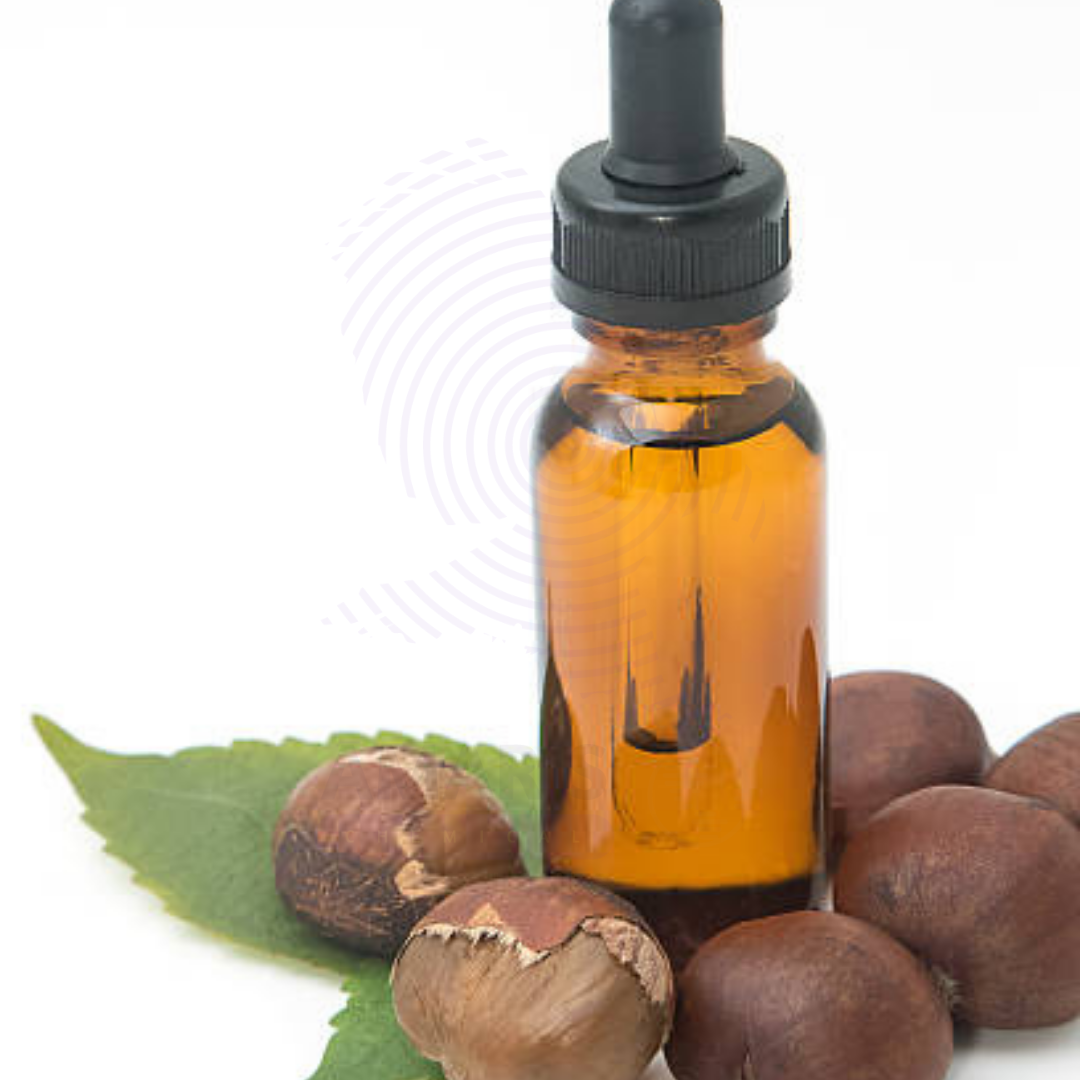
Cape Chestnut Seed Oil
Cape Chestnut Seed Oil, also known as Yangu Oil, is a cold-pressed oil extracted from the seeds of the Cape Chestnut tree (Calodendrum capense), native to Southern Africa. It is prized in skincare for its non-comedogenic, UV-protective, and antioxidant-rich profile. With a light to medium texture and a mild, nutty aroma, the oil absorbs easily into the skin without clogging pores.
Rich in essential fatty acids, especially linoleic and oleic acid, as well as natural sun-protective compounds and polyphenols, Cape Chestnut Seed Oil is especially beneficial for sensitive, dry, or UV-exposed skin. It is commonly used in cosmetic formulations, hair care products, and aromatherapeutic applications for its protective and nourishing properties.
Cape Chestnut Seed Oil
Primary Uses
- Cosmetics and Personal Care
- Used in facial oils and serums for moisturizing and antioxidant protection.
- Incorporated into sunscreens and after-sun products for its natural UV-stabilizing properties.
- Found in moisturizers, lotions, and body creams targeting dry, sensitive, or irritated skin.
- Included in scalp treatments and conditioners to soothe inflammation and restore moisture.
- Used in formulations for baby skincare due to its mild and hypoallergenic nature.
- Ideal for anti-aging and skin regeneration products thanks to its high fatty acid content.
- Hair Care
- Applied in hair oils and masks for strengthening brittle or heat-damaged hair.
- Helps reduce scalp irritation and flaking when used in shampoos or treatments.
- Aromatherapy and Massage
- Used as a carrier oil in aromatherapy blends for its lightweight feel and skin compatibility.
- Employed in massage oils for hydration and ease of application.
Secondary Uses
- Sun Care
- Naturally rich in UV-absorbing compounds, often used to enhance the photoprotective qualities of skincare formulas. (Note: Not a substitute for regulated SPF.)
- Traditional and Local Applications
- Historically used in African skincare for its ability to soothe and heal dry or inflamed skin.
1. Basic Identification Attributes
- Botanical Source: Calodendrum capense
- Common/Trade Name: Cape Chestnut Seed Oil
- INCI Name: Calodendrum Capense Seed Oil
- CAS Number: 8001-23-8
- HS Code: 1515.90
- Synonyms: Yangu Oil, Calodendrum Oil, African Chestnut Oil
2. Physical & Chemical Properties
- Physical State: Liquid
- Color & Odor: Light yellow to golden; mild, nutty aroma
- Solubility: Insoluble in water; soluble in lipids and alcohol
- Main Components: Linoleic acid, oleic acid, palmitic acid, polyphenols
- Viscosity: Light to medium
- Specific Gravity: ~0.91–0.93
- Shelf Life: 12–18 months
3. Safety & Hazard Attributes
- GHS Classification: Not classified as hazardous
- Toxicity: Non-toxic; safe for topical and cosmetic use
- Allergen Information: Generally considered non-allergenic
- Exposure Limits: None established
4. Storage & Handling Attributes
- Storage Conditions: Store in cool, dry, and dark place away from direct sunlight
- Container Type: Amber glass or HDPE drums
- Shelf Life: 12–18 months if stored properly
- Handling Precautions: Avoid exposure to heat and air to minimize oxidation
5. Regulatory & Compliance Attributes
- Complies with EU and FDA cosmetic safety standards
- Approved for topical use in cosmetic and personal care formulations
- Not approved for ingestion without proper processing
6. Environmental & Health Impact
- Biodegradability: Fully biodegradable
- Ecotoxicity: No known ecological risks
- Bioaccumulation: Not expected
Safety Handling Precautions
- PPE Required: Gloves and eye protection recommended when handling in bulk
- Handling Guidelines: Use in a clean, dry environment; prevent contamination and rancidity
First Aid Measures
- Inhalation: Not applicable
- Skin Contact: Safe; rinse if irritation occurs (rare)
- Eye Contact: Rinse with water if splashed
- Ingestion: Non-toxic in small amounts, though not intended for ingestion
Firefighting Measures
- Fire Hazards: Combustible oil
- Extinguishing Media: Foam, dry chemical, CO₂
- Special Precautions: Avoid use of water jets
- Hazardous Combustion Products: Carbon monoxide and other organic vapors
Related products
Avocado Wax
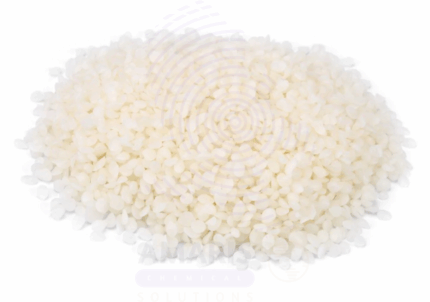
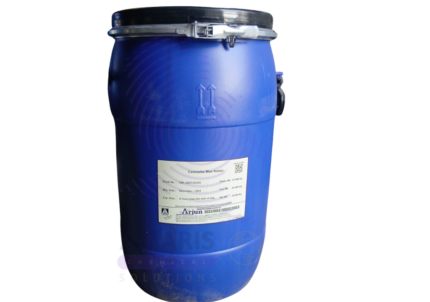
Avocado wax is a natural plant-derived wax extracted primarily from the pulp and seed of the avocado fruit (Persea americana). It appears as a hard, yellowish wax with excellent emollient, film-forming, and moisturizing properties. Valued for its biodegradability, compatibility with various formulations, and sustainability, avocado wax is widely used as a natural alternative to synthetic waxes in cosmetics, pharmaceuticals, food, and industrial applications.
Carnauba Wax
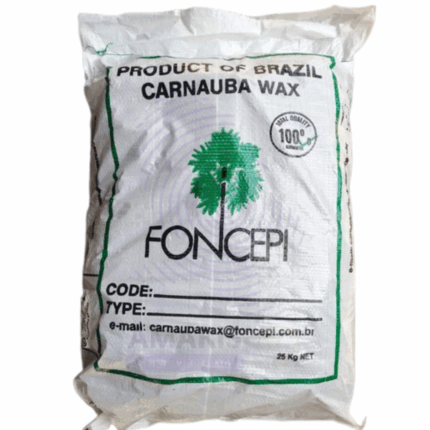
Carnauba Wax is a natural vegetable wax obtained from the leaves of the Copernicia prunifera palm tree, native to northeastern Brazil. It appears as a hard, brittle, yellow to brownish-yellow wax with a faint, characteristic odor. Known as the “queen of waxes,” Carnauba Wax is prized for its exceptionally high melting point, glossy finish, and excellent hardness. It is a premium wax widely used in cosmetics, food, pharmaceuticals, automotive, and industrial applications as a natural, biodegradable alternative to synthetic waxes. Its film-forming, emulsifying, and protective properties make it highly versatile for use in coatings, polishes, and skincare products.
Cetyl Alcohol Flakes
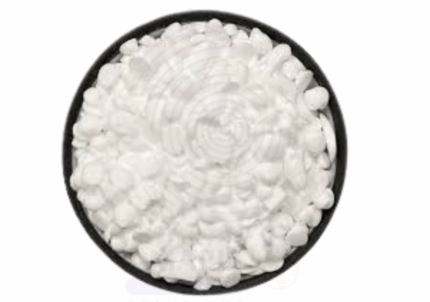
Cetyl Alcohol Flakes is a high-purity fatty alcohol derived mainly from natural sources such as palm oil and coconut oil. Presented as white to off-white waxy flakes, this product contains at least 98% pure cetyl alcohol, ensuring consistent performance and quality. It is valued for its excellent emollient, thickening, and emulsifying properties and is widely used in personal care, pharmaceutical, and industrial formulations. The flake form facilitates easy handling, melting, and dosing in manufacturing processes. Cetyl Alcohol 98% Flakes contributes to the texture, stability, and moisturizing properties of various formulations, providing a non-greasy, smooth finish.
Cetyl Palmitate
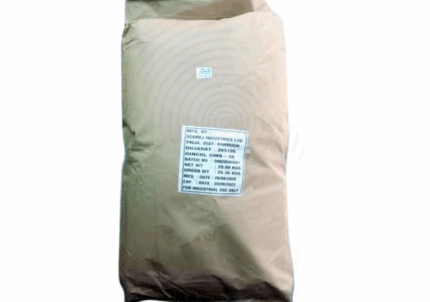
Cetyl Palmitate is a naturally derived ester formed by the reaction of cetyl alcohol and palmitic acid. It appears as a white to off-white waxy solid with a mild fatty odor. This compound is widely used in cosmetic, pharmaceutical, and industrial formulations for its emollient, thickening, and texture-enhancing properties. Cetyl Palmitate imparts a smooth, creamy feel to products and contributes to improved stability and consistency in creams, lotions, balms, and ointments. Its film-forming and skin-conditioning attributes make it a preferred ingredient in personal care products as well as in specialty industrial applications.
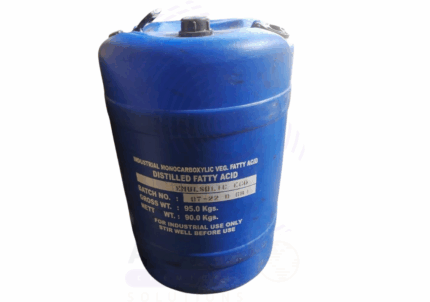
Fatty Acid
Fatty acids are a group of carboxylic acids consisting of long aliphatic chains, which can be either saturated or unsaturated. They are typically derived from natural fats and oils through hydrolysis or saponification and appear as colorless to pale yellow liquids or solids depending on the chain length and degree of saturation. Fatty acids are fundamental building blocks in biochemistry and industrial chemistry, serving as raw materials in the manufacture of soaps, detergents, lubricants, cosmetics, plastics, and food additives. Their amphiphilic nature—containing both hydrophilic (carboxyl group) and hydrophobic (alkyl chain) components—makes them versatile for various chemical and industrial applications.
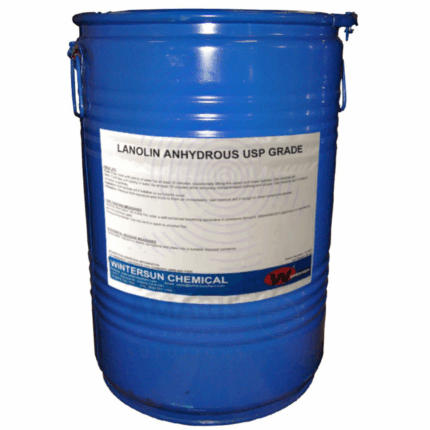
Lanolin Anhydrous
Lanolin Anhydrous is a purified, waxy substance derived from the sebaceous glands of sheep’s wool. It appears as a yellow to amber, semi-solid wax with a characteristic mild odor. Lanolin is highly valued for its excellent emollient, moisturizing, and protective properties, making it widely used in cosmetic, pharmaceutical, and personal care formulations. The anhydrous form is free from water, which enhances its stability and shelf life, and allows it to act as a natural barrier to lock moisture into the skin.
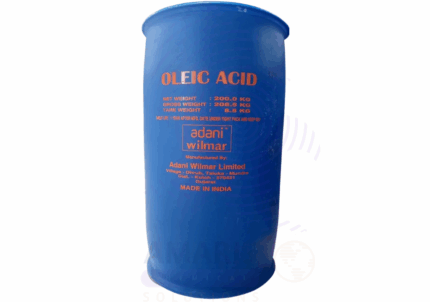
Oleic Acid
Oleic Acid is a naturally occurring monounsaturated fatty acid commonly derived from vegetable oils such as olive, sunflower, and canola oils. This oily liquid is widely used in the chemical, pharmaceutical, cosmetic, and food industries due to its excellent emollient, surfactant, and stabilizing properties. Oleic Acid 75% is a key raw material in manufacturing soaps, detergents, lubricants, and personal care products. Its amphiphilic nature makes it an effective emulsifier and penetration enhancer.
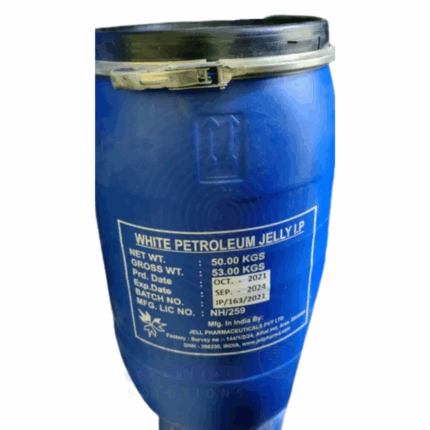
Petroleum Jelly
Petroleum Jelly is a semi-solid mixture of hydrocarbons, originally derived from petroleum refining. It is odorless, colorless (or slightly yellow), and known for its moisturizing, protective, and lubricating properties. Widely used in cosmetics, pharmaceuticals, and industrial applications, Petroleum Jelly forms a barrier on the skin that locks in moisture and protects against irritants. The 175kg packaging is typical for bulk industrial or large-scale cosmetic use.












