

 Preservatives(food)
 Flavor Enhancers
 Acidulants
 Sweeteners
 Antioxidants
 Colorants(food)
 Nutraceutical Ingredients (food)
 Nutrient Supplements
 Emulsifiers
 Collectors
 Dust Suppressants
 Explosives and Blasting Agents
 Flocculants and Coagulants
 Frothers
 Leaching Agents
 pH Modifiers
 Precious Metal Extraction Agents
 Antioxidants(plastic)
 Colorants (Pigments, Dyes)
 Fillers and Reinforcements
 Flame Retardants
 Monomers
 Plasticizers
 Polymerization Initiators
 Stabilizers (UV, Heat)
 Antifoaming Agents
 Chelating Agents
 Coagulants and Flocculants
 Corrosion Inhibitors
 Disinfectants and Biocides
 Oxidizing Agents
 pH Adjusters
 Scale Inhibitors( water)
 Antioxidants(cosmetic)
 Emollients
 Fragrances and Essential Oils
 Humectants
 Preservatives
 Surfactants(cosmetic)
 Thickeners
 UV Filters
 Fertilizers
 Soil Conditioners
 Plant Growth Regulators
 Animal Feed Additives
 Biostimulants
 Pesticides (Herbicides, Insecticides, Fungicides)
 Active Pharmaceutical Ingredients (APIs)
 Excipients
 Solvents(pharmaceutical)
 Antibiotics
 Antiseptics and Disinfectants
 Vaccine Adjuvants
 Nutraceutical Ingredients (pharmaceutical)
 Analgesics & Antipyretics
 Analytical Reagents
 Solvents(lab)
 Chromatography Chemicals
 Spectroscopy Reagents
 microbiology-and-cell-culture-reagents
 Molecular Biology Reagents
 Biochemical Reagents
 Inorganic and Organic Standards
 Laboratory Safety Chemicals
 Specialty Laboratory Chemicals(Special Laboratory Equipment)
 Demulsifiers
 Hydraulic Fracturing Fluids
 Scale Inhibitors(oil)
 Surfactants(oil)
 Drilling Fluids
 Dyes and Pigments
 Bleaching Agents
 Softening Agents
 Finishing Agents
 Antistatic Agents
 Admixtures
 Waterproofing Agents
 Sealants and Adhesives
 Curing Compounds
 Concrete Repair Chemicals
 Anti-Corrosion Coatings
 Surfactants(cleaning)
 Builders
 Enzymes
 Solvents (Cleaning)
 Fragrances
 Electronic Chemicals
 Catalysts
 Lubricants
 Photographic Chemicals
 Refrigerants
 Automotive chemicals
 Pyrotechnic Chemicals
 Biodegradable Surfactants
 Bio-based Solvents
 Renewable Polymers
 Carbon Capture Chemicals
 Wastewater Treatment Chemicals
 Pigments
 Solvents(paint)
 Specialty Coatings
 Binders/Resins
 Additives
 Driers
 Anti-Corrosion Agents
 Functional Coatings
 Application-Specific Coatings
 Leavening Agents
 Dough Conditioners
 Flour Treatments
 Fat Replacers
 Decoratives
 Preservatives(baking)
 Plasticizers & Softeners
 Reinforcing Agents
 Adhesion Promoters
 Vulcanizing Agents
 Antidegradants
 Blowing Agents
 Fillers & Extenders
 Accelerators & Retarders
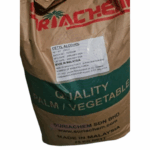



Cetyl Alcohol Flakes
Whatsapp Order
Cetyl Alcohol Flakes is a high-purity fatty alcohol derived mainly from natural sources such as palm oil and coconut oil. Presented as white to off-white waxy flakes, this product contains at least 98% pure cetyl alcohol, ensuring consistent performance and quality. It is valued for its excellent emollient, thickening, and emulsifying properties and is widely used in personal care, pharmaceutical, and industrial formulations. The flake form facilitates easy handling, melting, and dosing in manufacturing processes. Cetyl Alcohol 98% Flakes contributes to the texture, stability, and moisturizing properties of various formulations, providing a non-greasy, smooth finish.
Description
Cetyl Alcohol Flakes
Primary Uses
- Cosmetics & Personal Care
- Used as an emollient and thickening agent in creams, lotions, conditioners, and hair care products to improve texture and skin feel.
- Acts as an emulsifier stabilizing oil-in-water formulations, enhancing product consistency and shelf life.
- Incorporated in lipsticks, balms, and deodorants for structure and enhanced spreadability.
- Provides a non-greasy, smooth finish and improves product stability under different storage conditions.
- Pharmaceuticals
- Employed as a base and thickener in topical ointments, creams, and lotions to enhance spreadability and skin conditioning.
- Serves as a non-irritating emollient and stabilizer in medicinal creams and lotions.
Secondary Uses
- Industrial Applications
- Used as a lubricant, anti-static agent, and processing aid in plastics, textiles, and rubber industries.
- Acts as an intermediate in surfactant manufacturing and chemical synthesis.
- Food Industry
- Occasionally used in food-grade packaging coatings and release agents (subject to regulatory approval).
- Research & Development
- Utilized in experimental formulations for novel personal care and pharmaceutical products.
KEY PRODUCT FEATURES
1. Basic Identification Attributes
- Chemical Name (IUPAC): Hexadecan-1-ol
- Common/Trade Name: Cetyl Alcohol 98% Flakes
- CAS Number: 36653-82-4
- HS Code: 2905.43.00
- Molecular Formula: C16H34O
- Molecular Weight: 242.45 g/mol
- Synonyms:
- 1-Hexadecanol
- Palmityl Alcohol
2. Physical & Chemical Properties
- Physical State: Solid flakes
- Color & Odor: White to pale yellow; faint fatty odor
- Melting Point: 48–54°C (118–129°F)
- Boiling Point: ~344°C
- Density: ~0.81 g/cm³ at 20°C
- Solubility:
- Insoluble in water
- Soluble in oils, ethanol, chloroform
- Flash Point: ~190°C
- Purity: ≥98% cetyl alcohol
- Stability: Stable under recommended storage conditions
3. Safety & Hazard Attributes
- Hazard Class (GHS): Not classified as hazardous
- NFPA Ratings:
- Health: 0
- Flammability: 1
- Reactivity: 0
- Exposure Limits: None established specifically
- Toxicity: Low toxicity; considered safe for cosmetic and pharmaceutical use
- Reactivity: Stable; combustible at high temperatures
4. Storage & Handling Attributes
- Storage Conditions: Store in a cool, dry, well-ventilated area away from heat and ignition sources
- Container Type: Sealed plastic drums or lined metal containers
- Shelf Life: Up to 3 years when stored properly
- Special Handling: Avoid dust formation; use personal protective equipment when handling large quantities
5. Regulatory & Compliance Attributes
- FDA Status: Approved for use in cosmetics and pharmaceuticals
- REACH Status: Registered
- Transportation: Not regulated as hazardous
- Waste Disposal: Dispose according to local regulations; biodegradable
6. Environmental & Health Impact
- Ecotoxicity: Low environmental toxicity
- Persistence: Biodegradable
- Bioaccumulation: Not expected to bioaccumulate
- Carcinogenicity/Mutagenicity: Not classified as carcinogenic or mutagenic
- Biodegradability: Readily biodegradable
SAFETY HANDLING PRECAUTIONS
Safety Handling Precautions
- PPE: Gloves, protective eyewear, and dust masks recommended for bulk handling
- Handling: Avoid inhalation of dust; ensure good ventilation
- Storage: Keep containers tightly closed and away from heat sources
- Hygiene: Wash hands after handling; avoid ingestion and eye contact
First Aid Measures
- Inhalation: Move to fresh air if dust inhaled; seek medical advice if respiratory symptoms develop
- Skin Contact: Wash skin with soap and water; seek medical attention if irritation persists
- Eye Contact: Flush with plenty of water for at least 15 minutes; consult a physician if irritation continues
- Ingestion: Low toxicity; rinse mouth and seek medical advice if large amounts ingested
Firefighting Measures
- Fire Hazards: Combustible at elevated temperatures; burns with smoky flame
- Extinguishing Media: Foam, dry chemical powder, CO₂, or water spray
- Special Precautions: Firefighters should wear full protective gear and self-contained breathing apparatus
- Decomposition Products: Carbon monoxide, carbon dioxide, hydrocarbons
Related products
Aloe Vera Oil
Aloe Vera Oil is an oil-based extract derived by infusing Aloe vera (Aloe barbadensis) leaves into a carrier oil such as coconut, soybean, or sunflower oil. It captures the beneficial compounds of aloe—including polysaccharides, vitamins, enzymes, and amino acids—in an oil-soluble form ideal for cosmetic, therapeutic, and personal care applications. Known for its soothing, anti-inflammatory, and moisturizing properties, Aloe Vera Oil is widely used in skin and hair care formulations.
This gentle, skin-friendly oil is suitable for sensitive skin and is commonly employed in after-sun products, healing ointments, massage oils, and anti-aging creams. It provides hydration, calms irritation, and promotes skin regeneration while adding emollient and conditioning benefits.
Avocado Wax
Avocado wax is a natural plant-derived wax extracted primarily from the pulp and seed of the avocado fruit (Persea americana). It appears as a hard, yellowish wax with excellent emollient, film-forming, and moisturizing properties. Valued for its biodegradability, compatibility with various formulations, and sustainability, avocado wax is widely used as a natural alternative to synthetic waxes in cosmetics, pharmaceuticals, food, and industrial applications.

Camelia Oil Infused
Camelia Oil Infused is a gentle, nutrient-rich botanical oil made by infusing the flowers or leaves of the Camellia sinensis or Camellia japonica plant into a carrier oil such as olive, jojoba, or sweet almond oil. Unlike cold-pressed camellia seed oil, this infusion captures a wider spectrum of antioxidant polyphenols, flavonoids, and saponins from the plant material, delivering enhanced skin and hair benefits. Known for its lightweight, non-greasy texture and rapid absorption, Camellia Infused Oil is deeply moisturizing and ideal for sensitive, dry, or aging skin.
Popular in Japanese and Korean beauty traditions, this oil is often used to promote skin elasticity, smoothness, and overall rejuvenation, making it a preferred ingredient in natural cosmetic and personal care products.
Cetyl Palmitate
Cetyl Palmitate is a naturally derived ester formed by the reaction of cetyl alcohol and palmitic acid. It appears as a white to off-white waxy solid with a mild fatty odor. This compound is widely used in cosmetic, pharmaceutical, and industrial formulations for its emollient, thickening, and texture-enhancing properties. Cetyl Palmitate imparts a smooth, creamy feel to products and contributes to improved stability and consistency in creams, lotions, balms, and ointments. Its film-forming and skin-conditioning attributes make it a preferred ingredient in personal care products as well as in specialty industrial applications.
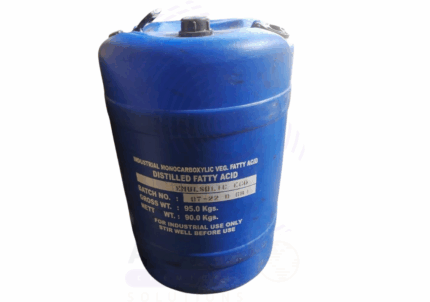
Fatty Acid
Fatty acids are a group of carboxylic acids consisting of long aliphatic chains, which can be either saturated or unsaturated. They are typically derived from natural fats and oils through hydrolysis or saponification and appear as colorless to pale yellow liquids or solids depending on the chain length and degree of saturation. Fatty acids are fundamental building blocks in biochemistry and industrial chemistry, serving as raw materials in the manufacture of soaps, detergents, lubricants, cosmetics, plastics, and food additives. Their amphiphilic nature—containing both hydrophilic (carboxyl group) and hydrophobic (alkyl chain) components—makes them versatile for various chemical and industrial applications.
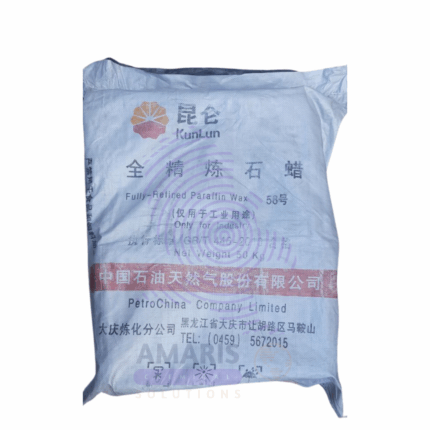
Fully Refined Paraffin Wax
Fully Refined Paraffin Wax is a highly purified, odorless, white to pale yellow wax obtained from the refining of petroleum-derived crude paraffin wax. It consists primarily of saturated hydrocarbons (alkanes) with chain lengths typically between C20 and C40. Due to its excellent chemical stability, non-toxicity, and versatility, Fully Refined Paraffin Wax is widely used across numerous industries including cosmetics, pharmaceuticals, food packaging, candle making, rubber processing, and electrical insulation. It exhibits a high melting point, low volatility, and good water resistance.
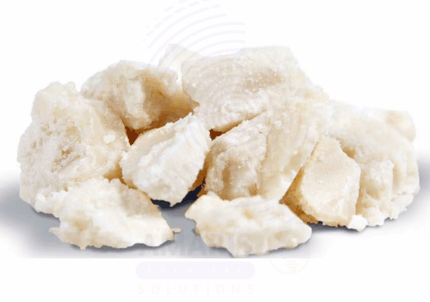
Illipe Butter
Illipe Butter is a natural, hard vegetable fat derived from the nuts of the Shorea stenoptera tree, native to the rainforests of Borneo. Known for its high melting point and rich moisturizing profile, Illipe Butter is prized in cosmetic, pharmaceutical, and food applications for its emollient qualities and stability. It closely resembles cocoa butter in composition and function, making it a sustainable alternative in formulations requiring consistency and long shelf life. The butter appears as a pale yellow to off-white solid with a mild, neutral aroma.
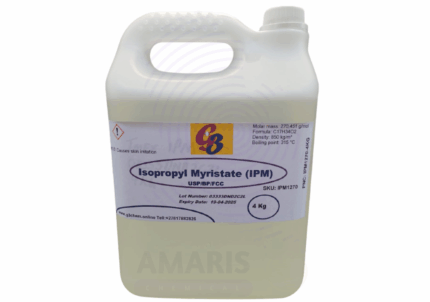
Isopropyl Myristate
Isopropyl Myristate is a clear, colorless, and oily liquid ester formed by the reaction of isopropyl alcohol and myristic acid. It has a mild, pleasant odor and excellent spreading properties. IPM is widely used in cosmetics, pharmaceuticals, and industrial applications as an emollient, solvent, and penetration enhancer due to its ability to improve texture and absorption of topical formulations.












