

 Preservatives(food)
 Flavor Enhancers
 Acidulants
 Sweeteners
 Antioxidants
 Colorants(food)
 Nutraceutical Ingredients (food)
 Nutrient Supplements
 Emulsifiers
 Collectors
 Dust Suppressants
 Explosives and Blasting Agents
 Flocculants and Coagulants
 Frothers
 Leaching Agents
 pH Modifiers
 Precious Metal Extraction Agents
 Antioxidants(plastic)
 Colorants (Pigments, Dyes)
 Fillers and Reinforcements
 Flame Retardants
 Monomers
 Plasticizers
 Polymerization Initiators
 Stabilizers (UV, Heat)
 Antifoaming Agents
 Chelating Agents
 Coagulants and Flocculants
 Corrosion Inhibitors
 Disinfectants and Biocides
 Oxidizing Agents
 pH Adjusters
 Scale Inhibitors( water)
 Antioxidants(cosmetic)
 Emollients
 Fragrances and Essential Oils
 Humectants
 Preservatives
 Surfactants(cosmetic)
 Thickeners
 UV Filters
 Fertilizers
 Soil Conditioners
 Plant Growth Regulators
 Animal Feed Additives
 Biostimulants
 Pesticides (Herbicides, Insecticides, Fungicides)
 Active Pharmaceutical Ingredients (APIs)
 Excipients
 Solvents(pharmaceutical)
 Antibiotics
 Antiseptics and Disinfectants
 Vaccine Adjuvants
 Nutraceutical Ingredients (pharmaceutical)
 Analgesics & Antipyretics
 Analytical Reagents
 Solvents(lab)
 Chromatography Chemicals
 Spectroscopy Reagents
 microbiology-and-cell-culture-reagents
 Molecular Biology Reagents
 Biochemical Reagents
 Inorganic and Organic Standards
 Laboratory Safety Chemicals
 Specialty Laboratory Chemicals(Special Laboratory Equipment)
 Demulsifiers
 Hydraulic Fracturing Fluids
 Scale Inhibitors(oil)
 Surfactants(oil)
 Drilling Fluids
 Dyes and Pigments
 Bleaching Agents
 Softening Agents
 Finishing Agents
 Antistatic Agents
 Admixtures
 Waterproofing Agents
 Sealants and Adhesives
 Curing Compounds
 Concrete Repair Chemicals
 Anti-Corrosion Coatings
 Surfactants(cleaning)
 Builders
 Enzymes
 Solvents (Cleaning)
 Fragrances
 Electronic Chemicals
 Catalysts
 Lubricants
 Photographic Chemicals
 Refrigerants
 Automotive chemicals
 Pyrotechnic Chemicals
 Biodegradable Surfactants
 Bio-based Solvents
 Renewable Polymers
 Carbon Capture Chemicals
 Wastewater Treatment Chemicals
 Pigments
 Solvents(paint)
 Specialty Coatings
 Binders/Resins
 Additives
 Driers
 Anti-Corrosion Agents
 Functional Coatings
 Application-Specific Coatings
 Fresh Herbs
 Ground Spices
 Whole Spices
 Spice Blends
 Dried Herbs
 Leavening Agents
 Dough Conditioners
 Flour Treatments
 Fat Replacers
 Decoratives
 Preservatives(baking)
 Plasticizers & Softeners
 Reinforcing Agents
 Adhesion Promoters
 Vulcanizing Agents
 Antidegradants
 Blowing Agents
 Fillers & Extenders
 Accelerators & Retarders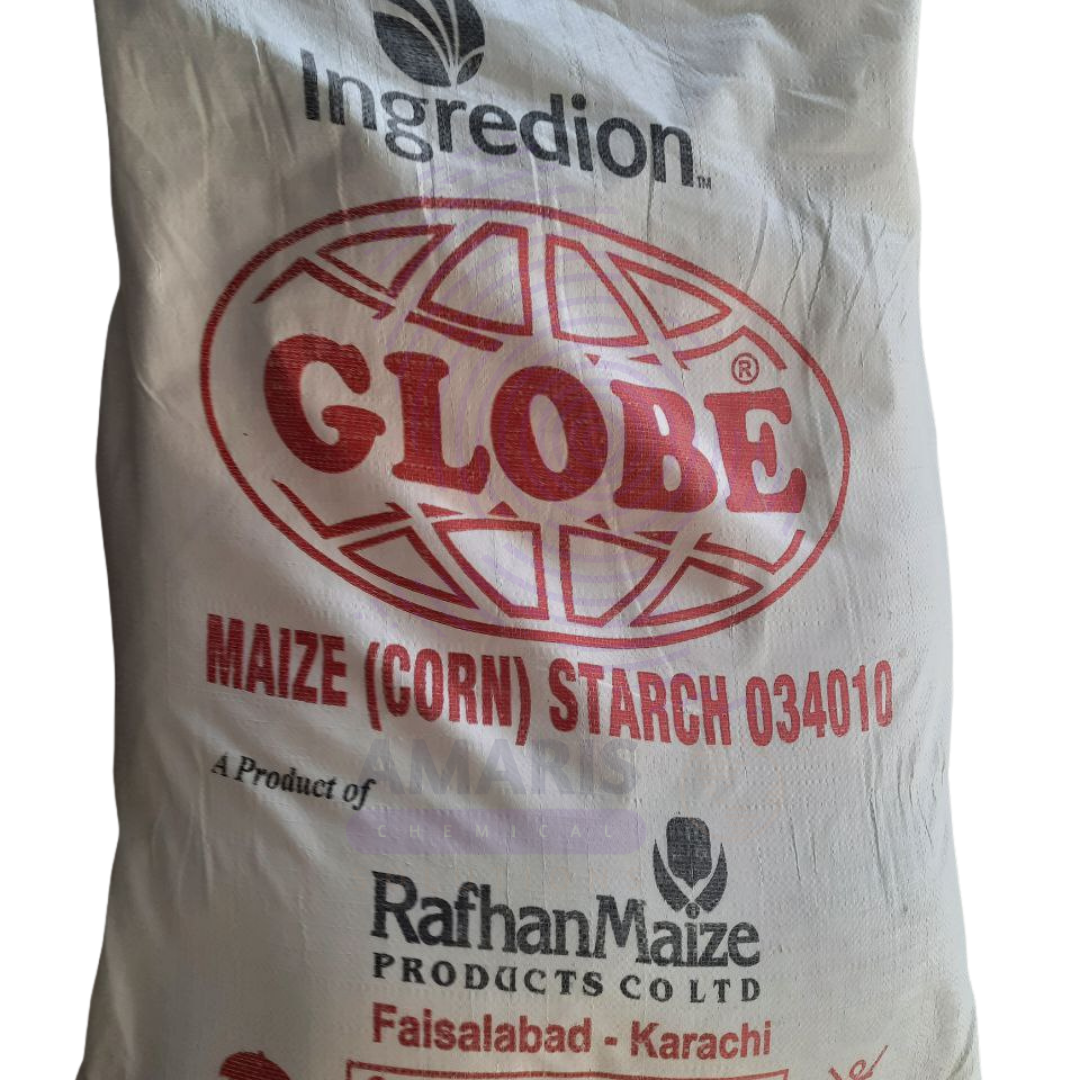
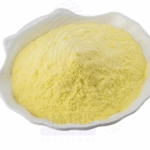

Corn Starch Food Grade
$ 1.20
Whatsapp Order
Corn Starch Food Grade is a fine, white, powdery carbohydrate extracted from the endosperm of corn kernels (Zea mays). It is a natural, tasteless, and odorless polysaccharide composed primarily of amylose and amylopectin. Corn starch is widely used as a thickening, stabilizing, and binding agent in food products due to its excellent gelatinization properties. It serves as a gluten-free alternative to wheat flour in many culinary and industrial applications. Corn starch is valued for its versatility, digestibility, and neutral flavor profile, making it a staple ingredient in both home cooking and commercial food production.
Description
Corn Starch Food Grade
Primary Uses
- Food Industry
- Used extensively as a thickening agent in sauces, gravies, soups, puddings, and pie fillings.
- Acts as a stabilizer and texture improver in baked goods, desserts, and dairy products like yogurts and custards.
- Employed as an anti-caking agent in powdered food mixes.
- Used as a fat replacer and bulking agent in low-fat and gluten-free food formulations.
- Serves as a binder in processed meats, sausages, and snack foods.
- Pharmaceuticals & Nutraceuticals
- Used as an excipient in tablets and capsules for binding and disintegration.
- Serves as a filler and diluent in powder formulations.
- Acts as a carrier in controlled-release drug delivery systems.
Secondary Uses
- Industrial Applications
- Used in paper manufacturing as a surface sizing and coating agent to improve printability and strength.
- Employed in textile industry for fabric finishing and starching.
- Used in adhesives and glue formulations due to its natural bonding properties.
- Cosmetics and Personal Care
- Acts as an absorbent powder in cosmetic formulations such as face powders and baby powders.
- Used as a texture enhancer and stabilizer in creams and lotions.
- Household Applications
- Used in homemade slime and craft products for its thickening and gelatinizing properties.
- Acts as a natural carpet and fabric cleaner absorbent.
KEY PRODUCT FEATURES
1. Basic Identification Attributes
- Chemical Name (IUPAC): Poly-D-glucopyranose (starch)
- Common/Trade Name: Corn Starch Food Grade
- CAS Number: 9005-25-8
- HS Code: 1108.12.00
- Molecular Formula: (C6H10O5)n (polysaccharide)
- Synonyms:
- Maize starch
- Corn flour (in some regions)
- Zea mays starch
2. Physical & Chemical Properties
- Physical State: Fine powder
- Color & Odor: White; odorless
- Melting Point: Decomposes before melting
- Boiling Point: Not applicable
- Density: Approximately 1.5 g/cm³ (bulk density)
- Solubility: Insoluble in cold water; swells and forms viscous paste in hot water
- pH (1% solution): 4.5 - 7.0
- Gelatinization Temperature: 62–72°C
- Stability: Stable under dry conditions; sensitive to moisture and microbial contamination
3. Safety & Hazard Attributes
- Hazard Class (GHS): Generally recognized as safe (GRAS)
- NFPA Ratings:
- Health: 0
- Flammability: 1 (dust may be combustible)
- Reactivity: 0
- Exposure Limits: No specific OSHA PEL; use dust control measures to prevent inhalation
- Toxicity: Non-toxic, non-irritant, edible
- Reactivity: Inert under normal conditions
4. Storage & Handling Attributes
- Storage Conditions: Store in a cool, dry, well-ventilated area away from moisture and contaminants
- Container Type: Food-grade sealed bags or containers
- Shelf Life: Typically 1–2 years if stored properly
- Special Handling: Avoid dust generation and inhalation; keep dry to prevent caking and spoilage
5. Regulatory & Compliance Attributes
- FDA Status: GRAS for food use (21 CFR §182.1400)
- Food Additive Code (EU): E1400
- REACH Status: Registered as a food ingredient in the EU
- Transportation: Not classified as hazardous
- Waste Disposal: Can be disposed of as organic waste or composted
6. Environmental & Health Impact
- Ecotoxicity: Low environmental impact; biodegradable
- Persistence: Biodegradable in soil and water
- Bioaccumulation: Not expected to bioaccumulate
- Carcinogenicity/Mutagenicity: Not carcinogenic or mutagenic
- Biodegradability: Readily biodegradable
SAFETY HANDLING PRECAUTIONS
Safety Handling Precautions
Personal Protective Equipment (PPE):
- Dust mask or respirator (if dusty)
- Safety goggles if dust is airborne
- Protective gloves (optional)
Handling Measures:
- Avoid inhaling dust
- Use proper ventilation in storage and handling areas
- Prevent moisture contact to avoid microbial growth
Storage Measures:
- Keep containers tightly sealed
- Store away from strong oxidizers or chemicals that could cause contamination
Hygiene Practices:
- Wash hands after handling
- Avoid eating or drinking in handling areas
First Aid Measures
- Inhalation: Remove to fresh air if dust inhaled; seek medical attention if breathing difficulty occurs
- Skin Contact: Generally safe; wash with water if irritation occurs
- Eye Contact: Rinse with water if dust irritates eyes
- Ingestion: Safe if ingested in normal food amounts; seek medical advice if large quantities swallowed
Firefighting Measures
- Fire Hazards: Combustible dust hazard under certain conditions
- Extinguishing Media: Use water spray, foam, dry chemical, or CO₂ extinguishers
- Special Precautions: Avoid creating dust clouds; use proper respiratory protection for firefighters
- Decomposition Products: Carbon oxides and water vapor when burnt
Related products
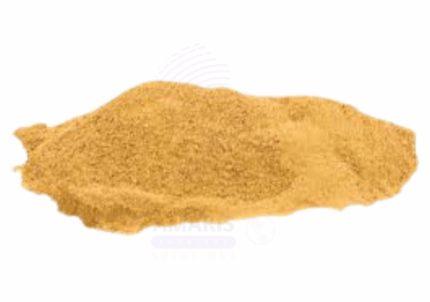
Apricot Powder
Apricot powder is a dehydrated, finely ground form of apricot fruit, retaining much of the natural flavor, aroma, and nutritional properties of fresh apricots. It is typically made by drying fresh apricots through spray drying, freeze drying, or drum drying, then milling into a fine powder. Apricot powder is rich in vitamins, minerals, dietary fiber, and antioxidants such as beta-carotene and vitamin C. It is widely used as a natural flavoring agent, colorant, and nutritional supplement in food and beverage products, as well as in cosmetics and dietary supplements. Its convenient powdered form allows for easy incorporation into dry mixes and processed goods without the perishability of fresh fruit.
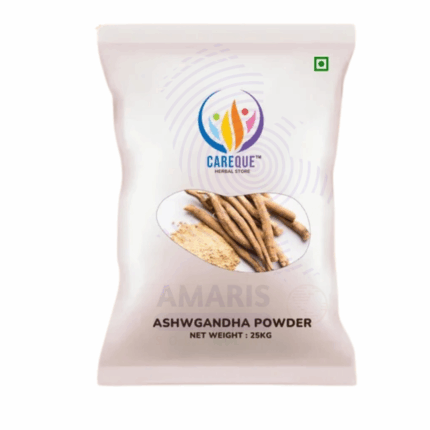
Ashawaganha Powder
Ashawaganha Powder is derived from the dried roots of Withania somnifera, a renowned herb in Ayurvedic and traditional medicine systems. Known as Indian ginseng or winter cherry, Ashwagandha is valued for its adaptogenic properties, helping the body combat stress, enhance vitality, and support overall wellness. The powder is finely ground root material, rich in bioactive compounds such as withanolides, alkaloids, and steroidal lactones. It is widely used as a dietary supplement, in herbal formulations, cosmetics, and traditional medicine.
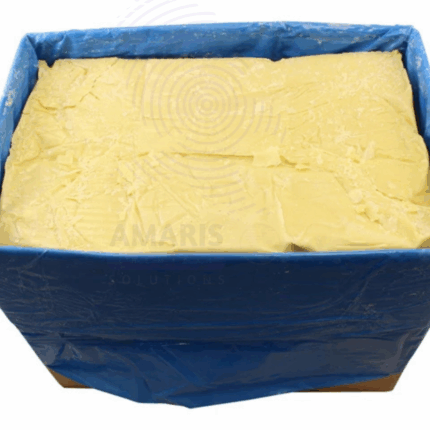
Cocoa Butter
Cocoa Butter, also known as Theobroma oil, is a pale-yellow, edible fat extracted from cocoa beans, primarily from Theobroma cacao. It has a smooth, creamy texture and a mild, characteristic chocolate aroma. Cocoa Butter is solid at room temperature but melts near body temperature, which gives it a luxurious feel when applied to skin or consumed. It is highly valued for its emollient, moisturizing, and protective properties. Cocoa Butter is widely used in cosmetics, pharmaceuticals, food, and confectionery industries. Its stable composition rich in fatty acids such as stearic, palmitic, and oleic acids imparts excellent oxidative stability and a long shelf life.
Desiccated Coconut
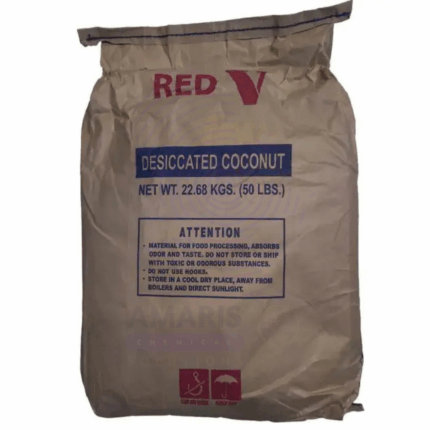
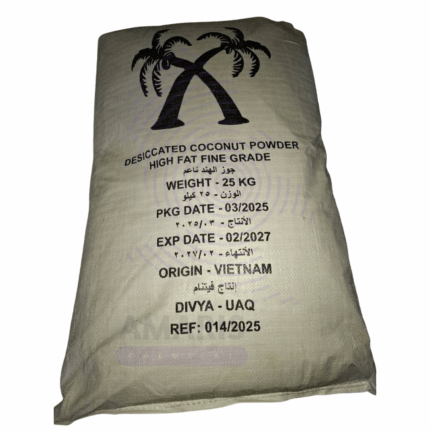
Desiccated Coconut is finely shredded, dried coconut meat derived from mature coconuts (Cocos nucifera). It is produced by removing the coconut water, then drying the white coconut kernel to reduce moisture content to less than 3%. The drying process preserves the natural flavor, aroma, and nutritional content while extending shelf life. Desiccated coconut is commonly available in various particle sizes and grades, suitable for culinary, bakery, confectionery, and food processing applications. It is valued for its rich texture, nutty flavor, and ability to add moisture and fat to food products.
Fish Collagen
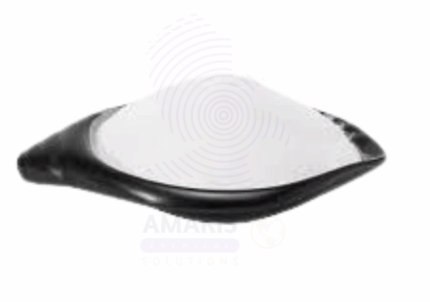
Fish Collagen is a natural protein derived from the skin, scales, and bones of various fish species through enzymatic hydrolysis or acid extraction. It is predominantly Type I collagen, known for its excellent bioavailability and biocompatibility. Fish Collagen typically appears as a fine white to off-white powder with low odor and high solubility in water and acidic solutions. It is widely prized in cosmetics, nutraceuticals, pharmaceuticals, and food industries due to its superior absorption compared to mammalian collagen, making it highly effective in skin, joint, and bone health applications. Fish Collagen supports the body’s extracellular matrix, promoting skin elasticity, hydration, and tissue repair.
Powdered Vitamin A Palmitate
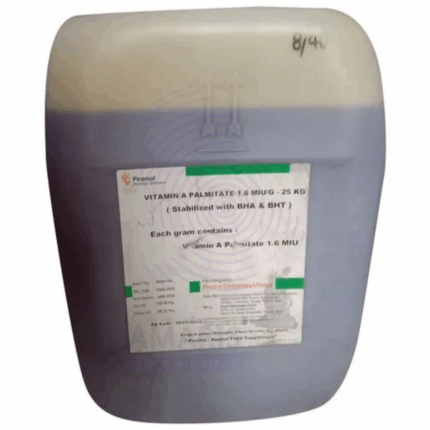
Powdered Vitamin A Palmitate is a stable, fat-soluble ester of vitamin A widely used as a dietary supplement and food fortification ingredient. It is an essential nutrient important for vision, immune function, skin health, and cellular growth. The powdered form offers ease of handling and incorporation into various food, pharmaceutical, and cosmetic products due to its stability and bioavailability.
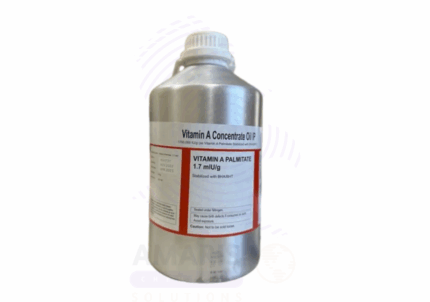
Vitamin A Palmitate
Vitamin A Palmitate is a highly concentrated, stable ester form of vitamin A used extensively in pharmaceuticals, nutraceuticals, cosmetics, and food fortification. This fat-soluble vitamin supports vision, immune function, skin health, and cellular growth. The palmitate ester enhances stability and shelf life, making it ideal for incorporation into powders, capsules, and topical formulations requiring precise dosing.

Vitamin E Acetate Powder
Vitamin E Acetate Powder, also known as DL-Alpha-Tocopheryl Acetate Powder, is a dry, free-flowing, encapsulated form of Vitamin E, standardized to contain 50% of active DL-Alpha-Tocopheryl Acetate. It is designed for easy handling and uniform mixing in dry formulations and is ideal for use in nutritional supplements, fortified foods, and animal feed. The microencapsulation enhances stability against oxidation, heat, and light, ensuring long shelf life.












