

 Preservatives(food)
 Flavors
 Acidulants
 Sweeteners
 Antioxidants
 Colorants(food)
 Nutraceutical Ingredients (food)
 Nutrient Supplements
 Emulsifiers
 Collectors
 Dust Suppressants
 Explosives and Blasting Agents
 Flocculants and Coagulants
 Frothers
 Leaching Agents
 pH Modifiers
 Precious Metal Extraction Agents
 Antioxidants(plastic)
 Colorants (Pigments, Dyes)
 Fillers and Reinforcements
 Flame Retardants
 Monomers
 Plasticizers
 Polymerization Initiators
 Stabilizers (UV, Heat)
 Antifoaming Agents
 Chelating Agents
 Coagulants and Flocculants
 Corrosion Inhibitors
 Disinfectants and Biocides
 Oxidizing Agents
 pH Adjusters
 Scale Inhibitors( water)
 Antioxidants(cosmetic)
 Emollients
 Oils
Oils Carrier Oills
 Essential Oils
 Humectants
 Preservatives
 Surfactants(cosmetic)
 Thickeners
 UV Filters
 Fragrance (Cosmetics)
 Fertilizers
 Soil Conditioners
 Plant Growth Regulators
 Animal Feed Additives
 Biostimulants
 Pesticides (Herbicides, Insecticides, Fungicides)
 Active Pharmaceutical Ingredients (APIs)
 Excipients
 Solvents(pharmaceutical)
 Antibiotics
 Antiseptics and Disinfectants
 Vaccine Adjuvants
 Nutraceutical Ingredients (pharmaceutical)
 Analgesics & Antipyretics
 Analytical Reagents
 Solvents(lab)
 Chromatography Chemicals
 Spectroscopy Reagents
 microbiology-and-cell-culture-reagents
 Molecular Biology Reagents
 Biochemical Reagents
 Inorganic and Organic Standards
 Laboratory Safety Chemicals
 Specialty Laboratory Chemicals(Special Laboratory Equipment)
 Demulsifiers
 Hydraulic Fracturing Fluids
 Scale Inhibitors(oil)
 Surfactants(oil)
 Drilling Fluids
 Dyes and Pigments
 Bleaching Agents
 Softening Agents
 Finishing Agents
 Antistatic Agents
 Admixtures
 Waterproofing Agents
 Sealants and Adhesives
 Curing Compounds
 Concrete Repair Chemicals
 Anti-Corrosion Coatings
 Surfactants(cleaning)
 Builders
 Enzymes
 Solvents (Cleaning)
 Electronic Chemicals
 Catalysts
 Lubricants
 Photographic Chemicals
 Refrigerants
 Automotive chemicals
 Pyrotechnic Chemicals
 Biodegradable Surfactants
 Bio-based Solvents
 Renewable Polymers
 Carbon Capture Chemicals
 Wastewater Treatment Chemicals
 Pigments
 Solvents(paint)
 Specialty Coatings
 Binders/Resins
 Additives
 Driers
 Anti-Corrosion Agents
 Functional Coatings
 Application-Specific Coatings
 Leavening Agents
 Dough Conditioners
 Flour Treatments
 Fat Replacers
 Decoratives
 Preservatives(baking)
 Plasticizers & Softeners
 Reinforcing Agents
 Adhesion Promoters
 Vulcanizing Agents
 Antidegradants
 Blowing Agents
 Fillers & Extenders
 Accelerators & Retarders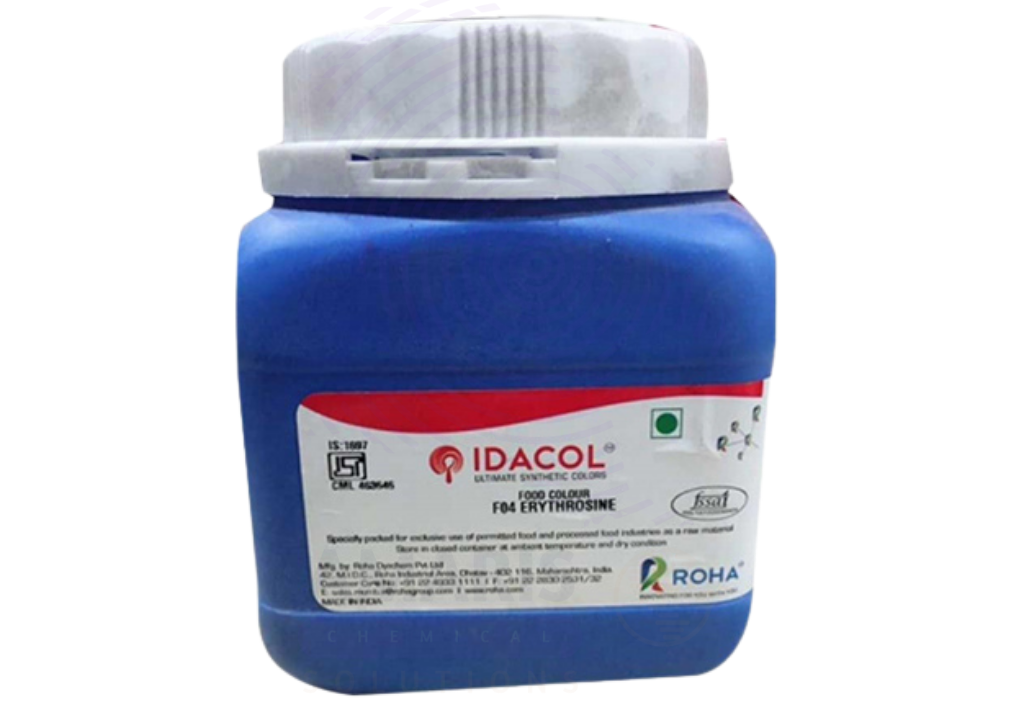

Erythrosine
Erythrosine is a high-purity red synthetic dye classified as a tetraiodofluorescein salt, commonly used as a colorant in food, cosmetics, pharmaceuticals, and industrial applications. It is a water-soluble, dark red to reddish-brown powder with excellent tinting strength and brightness. Erythrosine is valued for its vivid red color, good stability under normal conditions, and compatibility with a variety of formulation systems. It is widely used to impart red hues in candies, beverages, cosmetics, and diagnostic reagents.
Erythrosine Uses
Primary Uses
- Food Industry
- Used as a permitted color additive in foods, beverages, candies, and bakery products to provide a bright cherry-red color.
- Commonly found in processed fruits, jams, gelatin desserts, and chewing gums.
- Enhances visual appeal and consumer acceptance of food products.
- Pharmaceuticals
- Employed as a coloring agent in tablets, capsules, syrups, and topical medications to improve product identification and aesthetics.
- Used in diagnostic kits and reagents for staining and tracing purposes.
- Cosmetics & Personal Care
- Incorporated in lipsticks, blushes, eye shadows, and other makeup products for vibrant red pigmentation.
- Used in hair dyes and bath products requiring red coloring.
- Industrial Applications
- Utilized in inks, paints, and coatings for coloration.
- Applied in textile dyeing for specific red shades.
- Used as a tracer dye in water treatment and leak detection.
Secondary Uses
- Biological Staining
- Applied in histology and microbiology as a stain for biological tissues and cells.
- Used in fluorescence microscopy due to its iodine content and fluorescence properties.
- Printing Inks
- Added to printing inks for packaging and decorative printing requiring bright red colors.
1. Basic Identification Attributes
- Chemical Name (IUPAC): Disodium 2',4',5',7'-tetraiodofluorescein
- Common/Trade Name: Erythrosine 86%
- CAS Number: 16423-68-0
- HS Code: 3204.17.00
- Molecular Formula: C20H6I4Na2O5
- Synonyms: FD&C Red No. 3, Erythrosin B, Tetraiodofluorescein disodium salt
2. Physical & Chemical Properties
- Physical State: Dark red to reddish-brown crystalline powder
- Odor: Odorless
- Solubility: Soluble in water, insoluble in organic solvents
- Melting Point: Decomposes before melting (~300°C)
- pH (1% aqueous solution): Approximately 5.0–7.0 (neutral to slightly acidic)
- Stability: Stable under dry conditions; sensitive to strong light and oxidizing agents
3. Safety & Hazard Attributes
- Hazard Class (GHS): Not classified as hazardous but may cause eye and skin irritation
- Toxicity: Low acute toxicity; avoid ingestion in large amounts
- Exposure Limits: No specific occupational exposure limits established
4. Storage & Handling Attributes
- Storage Conditions: Store in a cool, dry, well-ventilated area away from direct sunlight and moisture
- Container Type: Sealed plastic or glass containers, moisture-proof packaging
- Shelf Life: 24 months if stored properly
- Handling Precautions: Avoid dust formation and inhalation; minimize exposure to light to prevent degradation
5. Regulatory & Compliance Attributes
- FDA Status: Approved as a color additive for use in foods, drugs, and cosmetics under regulated conditions (e.g., FD&C Red No. 3)
- REACH Registration: Registered for industrial and cosmetic use in the EU
- Food Additive Code: E127 in Europe
- Usage Restrictions: Maximum permitted levels specified by regulatory authorities; banned or limited in some countries
6. Environmental & Health Impact
- Biodegradability: Slowly biodegradable
- Ecotoxicity: Low to moderate toxicity to aquatic organisms; avoid release into waterways
- Bioaccumulation: Not expected to bioaccumulate significantly
- Carcinogenicity/Mutagenicity: Not classified as carcinogenic; some historical concerns regarding high doses but generally safe within regulated use levels
Safety Handling Precautions
PPE Required:
- Protective gloves (nitrile or latex)
- Safety goggles or face shield
- Dust mask or respirator in dusty environments
- Protective clothing or lab coat
Handling Guidelines:
- Use in well-ventilated areas or under local exhaust ventilation
- Avoid inhalation of dust and skin contact
- Prevent dust accumulation and spills
Storage Measures:
- Keep containers tightly sealed
- Store away from strong oxidizers and light sources
- Avoid moisture exposure
Hygiene Practices:
- Wash hands after handling
- Avoid eating, drinking, or smoking near handling areas
- Clean surfaces and equipment to prevent contamination
First Aid Measures
- Inhalation: Move affected person to fresh air; seek medical attention if respiratory irritation occurs
- Skin Contact: Wash thoroughly with soap and water; seek medical advice if irritation develops
- Eye Contact: Rinse eyes with water for 15 minutes; consult physician if irritation persists
- Ingestion: Rinse mouth; do not induce vomiting; seek medical attention if large amounts ingested
Firefighting Measures
- Fire Hazards: Combustible when exposed to high temperatures; may emit toxic fumes upon decomposition
- Extinguishing Media: Use water spray, foam, dry chemical, or carbon dioxide (CO₂)
- Special Precautions: Wear self-contained breathing apparatus and protective clothing when fighting fires involving erythrosine
- Decomposition Products: May emit iodine vapors, carbon oxides, and other toxic gases
Related products
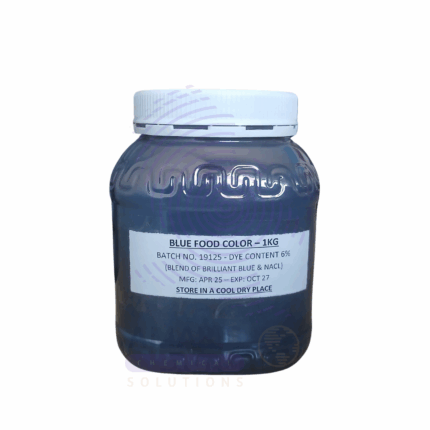
Blue Color Water Soluble
Blue Color Water Soluble is a synthetic dye that dissolves readily in water, producing a vivid blue hue with excellent clarity and uniformity. It is widely used in textile dyeing, food and beverage coloring, cosmetics, pharmaceutical formulations, paints, and laboratory applications. The dye maintains stability across a broad pH range and provides consistent, bright coloration in aqueous systems. Its versatility makes it suitable for industrial, research, and commercial uses requiring a water-soluble blue pigment.
Carnauba Wax Prime Yellow
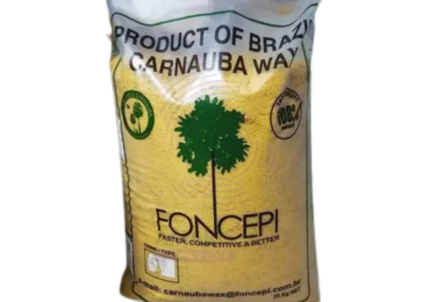
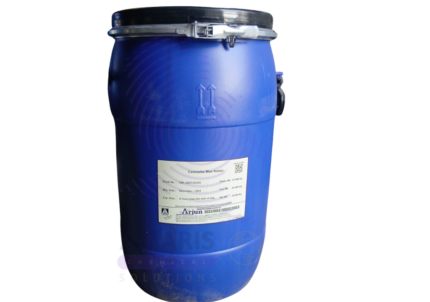
Carnauba Wax Prime Yellow, also known as Type 1 or Prime Yellow Grade, is the highest quality and purest form of carnauba wax derived from the leaves of the Copernicia cerifera palm tree, native to Brazil. It is a natural, vegetable-based wax prized for its exceptional hardness, high gloss, high melting point, and emulsification properties. Prime Yellow grade represents the finest classification, characterized by its light yellow to pale amber color, low impurities, and superior film-forming characteristics. It is obtained through a meticulous process of harvesting, drying, and processing the palm leaves to extract the waxy coating, which is then refined and graded. Carnauba Wax is often referred to as the "Queen of Waxes" due to its unique combination of properties unmatched by synthetic alternatives. Technical grade Carnauba Wax Prime Yellow is used across numerous industries for its ability to impart gloss, hardness, slip resistance, and moisture barrier properties. It is not intended for direct food consumption but is widely used in food-contact applications such as coatings and packaging.
Chocolate Brown Color Water Soluble
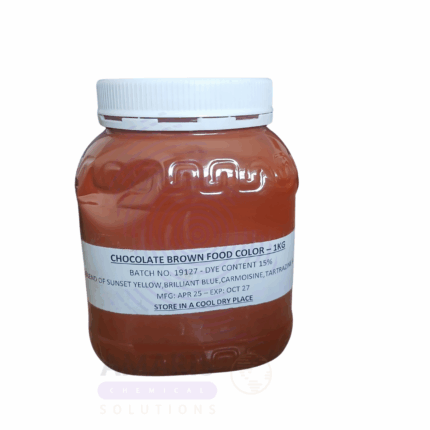
Chocolate Brown Color Water Soluble is a synthetic dye that offers a rich, warm brown coloration with excellent solubility in water. It is widely used in textile dyeing, cosmetics, food and beverage products, and pharmaceutical formulations where a natural brown shade is desired. This dye provides good stability in aqueous solutions and yields uniform, vibrant coloring suitable for various industrial and laboratory applications.
Green Color Water Soluble
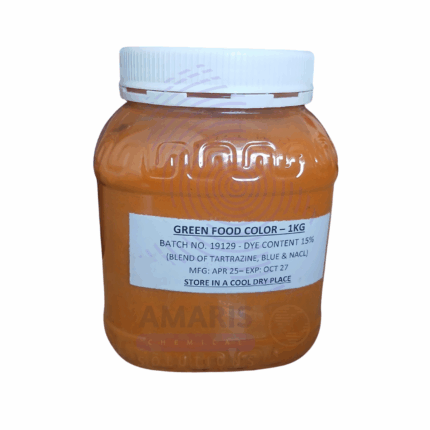
Green Color Water Soluble is a synthetic dye characterized by its vibrant green hue and excellent solubility in water. This dye is widely used in various industries including textiles, cosmetics, food and beverage, and cleaning products for imparting a bright, consistent green coloration. It offers good stability, easy application, and compatibility with multiple substrates. Its water solubility makes it ideal for aqueous dyeing processes and formulations.
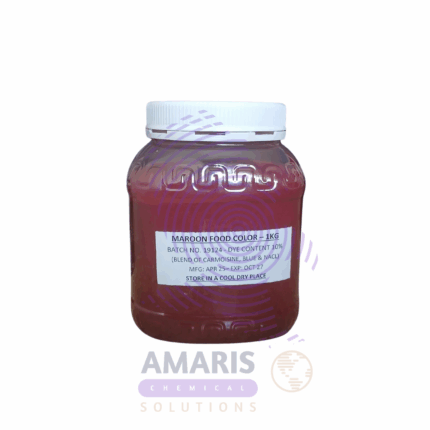
Maroon Color Water Soluble
Maroon Color Water Soluble is a synthetic dye known for its rich, deep maroon hue and excellent water solubility. It is widely used in textile dyeing, cosmetic formulations, food products, and cleaning agents to provide a vibrant and uniform maroon coloration. This dye offers good stability, ease of use, and compatibility with various substrates, making it suitable for a broad range of applications where aqueous dyeing or coloring is required.
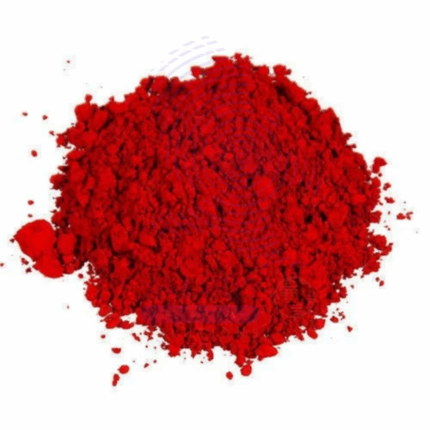
Ponceau 4r Red Shade
Ponceau 4r red shade is a high-concentration synthetic red azo dye, widely used for imparting bright red coloration to food, textiles, and cosmetics. It exhibits excellent water solubility and strong affinity for protein fibers and various substrates. Known for its vibrant and stable red shade, Ponceau 4R is commonly applied in food coloring, textile dyeing, and cosmetic formulations. It complies with regulatory standards for approved uses in several countries.

Spanish Paprika
Spanish Paprika is a vibrant red powdered spice made from dried and ground Capsicum annuum peppers, primarily sourced from Spain. Known for its sweet to mildly spicy flavor and rich color, this 25kg packaged product is widely used in culinary applications to enhance taste and appearance. It also contains natural antioxidants and vitamins, making it valued in food and seasoning industries.
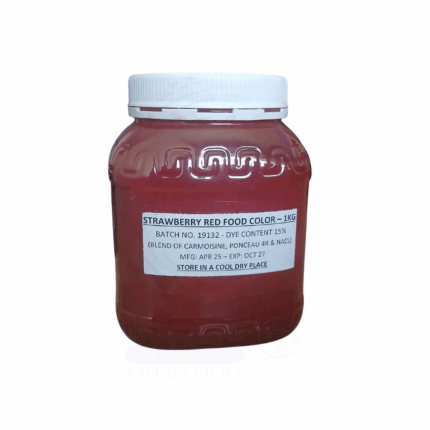
Strawberry Red Color Water Soluble
Strawberry Red Color Water Soluble is a vibrant synthetic dye known for its bright red hue and excellent solubility in water. This dye is designed for a wide range of applications requiring intense and uniform red coloration in aqueous systems. It exhibits good stability across different pH ranges and temperatures, making it suitable for various industrial and laboratory uses. Due to its water solubility, it ensures easy formulation in liquid products, inks, textiles, and food-grade applications where quick dispersion and homogeneity are essential. Its compatibility with multiple substrates and processes makes it a preferred choice for manufacturers seeking consistent red pigmentation with minimal fading or bleeding.












