

 Preservatives(food)
 Flavor Enhancers
 Acidulants
 Sweeteners
 Antioxidants
 Colorants(food)
 Nutraceutical Ingredients (food)
 Nutrient Supplements
 Emulsifiers
 Collectors
 Dust Suppressants
 Explosives and Blasting Agents
 Flocculants and Coagulants
 Frothers
 Leaching Agents
 pH Modifiers
 Precious Metal Extraction Agents
 Antioxidants(plastic)
 Colorants (Pigments, Dyes)
 Fillers and Reinforcements
 Flame Retardants
 Monomers
 Plasticizers
 Polymerization Initiators
 Stabilizers (UV, Heat)
 Antifoaming Agents
 Chelating Agents
 Coagulants and Flocculants
 Corrosion Inhibitors
 Disinfectants and Biocides
 Oxidizing Agents
 pH Adjusters
 Scale Inhibitors( water)
 Antioxidants(cosmetic)
 Emollients
 Fragrances and Essential Oils
 Humectants
 Preservatives
 Surfactants(cosmetic)
 Thickeners
 UV Filters
 Fertilizers
 Soil Conditioners
 Plant Growth Regulators
 Animal Feed Additives
 Biostimulants
 Pesticides (Herbicides, Insecticides, Fungicides)
 Active Pharmaceutical Ingredients (APIs)
 Excipients
 Solvents(pharmaceutical)
 Antibiotics
 Antiseptics and Disinfectants
 Vaccine Adjuvants
 Nutraceutical Ingredients (pharmaceutical)
 Analgesics & Antipyretics
 Analytical Reagents
 Solvents(lab)
 Chromatography Chemicals
 Spectroscopy Reagents
 microbiology-and-cell-culture-reagents
 Molecular Biology Reagents
 Biochemical Reagents
 Inorganic and Organic Standards
 Laboratory Safety Chemicals
 Specialty Laboratory Chemicals(Special Laboratory Equipment)
 Demulsifiers
 Hydraulic Fracturing Fluids
 Scale Inhibitors(oil)
 Surfactants(oil)
 Drilling Fluids
 Dyes and Pigments
 Bleaching Agents
 Softening Agents
 Finishing Agents
 Antistatic Agents
 Admixtures
 Waterproofing Agents
 Sealants and Adhesives
 Curing Compounds
 Concrete Repair Chemicals
 Anti-Corrosion Coatings
 Surfactants(cleaning)
 Builders
 Enzymes
 Solvents (Cleaning)
 Fragrances
 Electronic Chemicals
 Catalysts
 Lubricants
 Photographic Chemicals
 Refrigerants
 Automotive chemicals
 Pyrotechnic Chemicals
 Biodegradable Surfactants
 Bio-based Solvents
 Renewable Polymers
 Carbon Capture Chemicals
 Wastewater Treatment Chemicals
 Pigments
 Solvents(paint)
 Specialty Coatings
 Binders/Resins
 Additives
 Driers
 Anti-Corrosion Agents
 Functional Coatings
 Application-Specific Coatings
 Leavening Agents
 Dough Conditioners
 Flour Treatments
 Fat Replacers
 Decoratives
 Preservatives(baking)
 Plasticizers & Softeners
 Reinforcing Agents
 Adhesion Promoters
 Vulcanizing Agents
 Antidegradants
 Blowing Agents
 Fillers & Extenders
 Accelerators & Retarders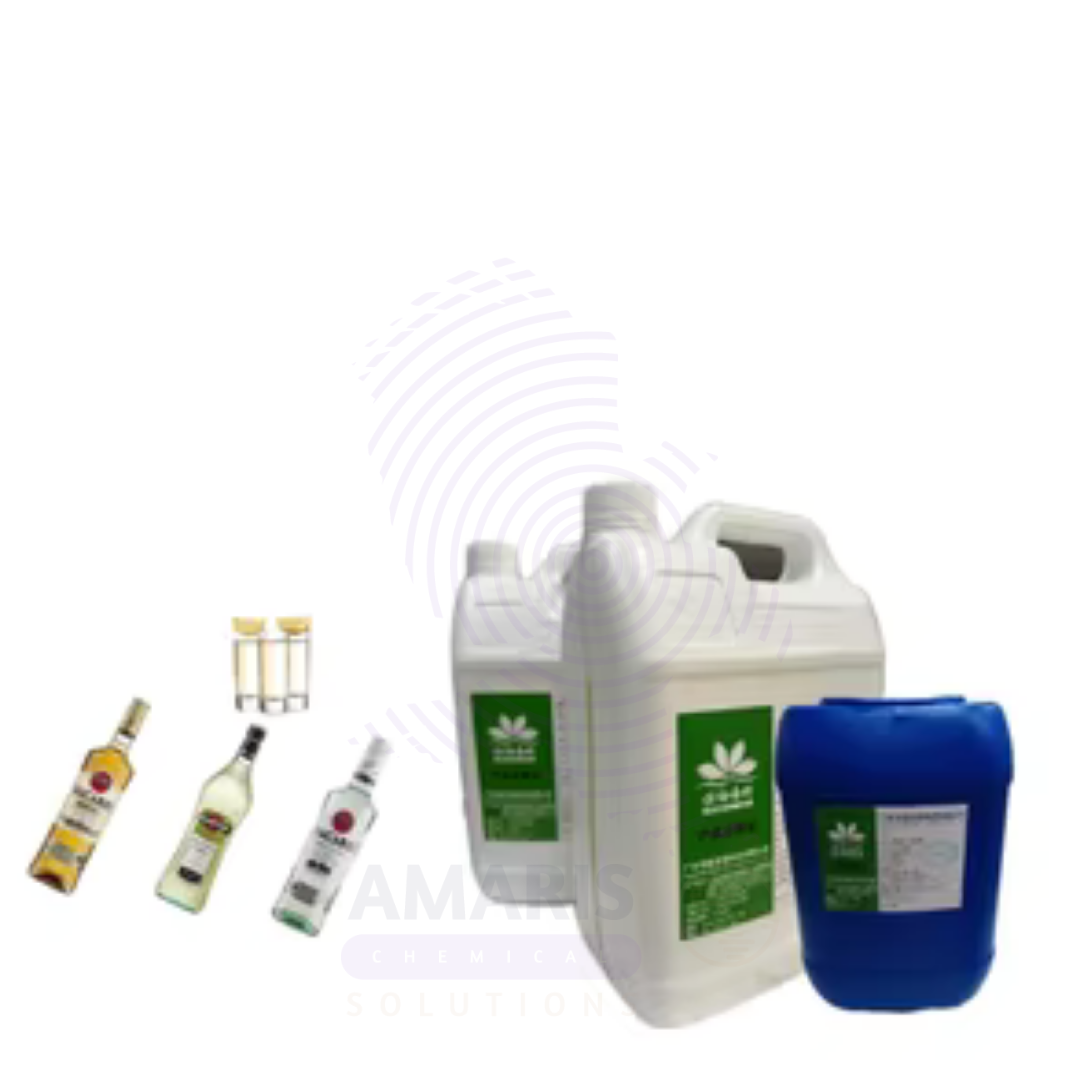

Gin Liquid Flavour
Gin Liquid Flavour is a high-quality, food-safe flavoring designed to replicate the characteristic herbal, botanical, and juniper-forward profile of traditional gin. Crafted for use in food and beverage applications, this liquid flavor captures the complex notes of gin without containing alcohol, making it ideal for non-alcoholic beverages, gourmet culinary creations, and confectionery. The flavor is stable under a range of processing conditions and is suitable for cold and hot applications, offering excellent dispersion and flavor retention.
Gin Liquid Flavour
Primary Uses
- Food and Beverage Chemicals
- Used in non-alcoholic spirits and cocktail mixes to impart a gin-like botanical flavor.
- Added to flavored sodas, sparkling waters, and ready-to-drink mocktails for herbal notes.
- Incorporated into confectionery products such as candies, gummies, and lollipops for a unique adult flavor twist.
- Used in gourmet sauces, marinades, and glazes to add a subtle herbal complexity.
Secondary Uses
- Specialty and Fine Chemicals
- Utilized in culinary innovation and product development for adult-themed desserts and beverages.
- Used in premium food service and hospitality industry for signature alcohol-free menu offerings.
1. Basic Identification Attributes
- Botanical Source: Synthetic and nature-identical flavor compounds
- Common/Trade Name: Gin Liquid Flavor
- INCI Name: Flavor
- CAS Number: Proprietary blend
- HS Code: 3302.10
- Synonyms: Gin Flavored Liquid, Botanical Liquid Flavor
2. Physical & Chemical Properties
- Physical State: Liquid
- Color & Odor: Clear to light yellow; herbal and juniper-like aroma
- Solubility: Soluble in water and alcohol-based systems
- Density: Approx. 0.95–1.05 g/cm³
- Shelf Life: 24 months under proper storage
3. Safety & Hazard Attributes
- GHS Classification: Non-hazardous
- Toxicity: Non-toxic at approved food-grade levels
- Allergen Information: Free from major allergens; verify batch-specific allergen data
- Exposure Limits: Not applicable under normal food-use conditions
4. Storage & Handling Attributes
- Storage Conditions: Store in a cool, dry area away from direct sunlight and strong odors
- Container Type: Food-grade sealed containers
- Shelf Life: 24 months under recommended storage conditions
- Handling Precautions: Use hygienic handling practices to avoid contamination
5. Regulatory & Compliance Attributes
- Complies with food safety standards (e.g., FDA, EFSA where applicable)
- Manufactured in GMP-certified and food-grade compliant facilities
6. Environmental & Health Impact
- Biodegradable
- No significant environmental impact in typical usage quantities
- Non-bioaccumulative
Safety Handling Precautions
- PPE Required: None required under food-use conditions
- Handling Guidelines: Handle using food-safe procedures
First Aid Measures
- Inhalation: Non-irritating; move to fresh air if discomfort occurs
- Skin Contact: Rinse with water if spilled
- Eye Contact: Rinse thoroughly with water if splashed
- Ingestion: Safe at recommended usage; seek help if consumed in excess
Firefighting Measures
- Fire Hazards: Slightly combustible
- Extinguishing Media: Water spray, dry chemical, or CO₂
- Special Precautions: Avoid inhaling vapors or combustion products
- Hazardous Combustion Products: May release mild vapors and carbon oxides
Related products

Avocado Oil
Avocado Oil is a nutrient-rich, plant-based oil cold-pressed from the pulp of ripe avocados (Persea americana). Recognized for its deep green color and mildly nutty aroma, this oil is highly valued for its high content of monounsaturated fatty acids, especially oleic acid, along with vitamins A, D, and E, sterols, lecithin, and antioxidants.
Due to its excellent penetration, moisturizing, and regenerative properties, Avocado Oil is widely used in cosmetics, personal care, pharmaceutical, and nutraceutical formulations. It helps in restoring skin elasticity, promoting collagen synthesis, and soothing inflammation, making it ideal for dry, sensitive, or aging skin. In hair care, it strengthens and softens hair, improves scalp health, and reduces dandruff.
Additionally, refined, food-grade Avocado Oil is used in cooking due to its high smoke point and nutritional profile. It is also increasingly found in dietary supplements and therapeutic blends
Flaxseed Oil
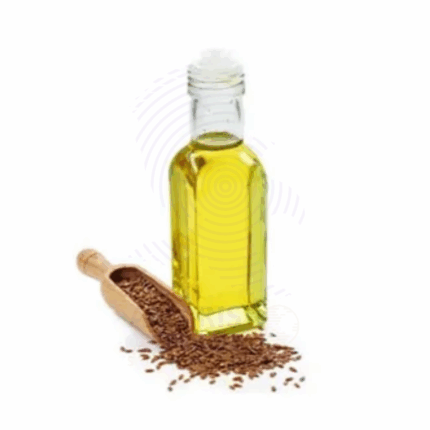
Flaxseed Oil, also known as Linseed Oil, is a cold-pressed oil extracted from the seeds of the Linum usitatissimum plant. Renowned for its high content of omega-3 fatty acids (particularly alpha-linolenic acid), it is widely valued for its nutritional, cosmetic, and therapeutic benefits. The oil has a light golden color and a mild, nutty aroma. It is commonly used in dietary supplements, skincare formulations, and industrial applications. Due to its drying properties, flaxseed oil also finds use in paints and varnishes.
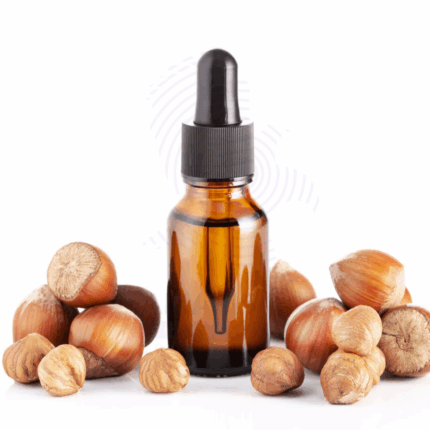
Hazelnut Oil
Hazelnut Oil is a light, nutty-scented carrier oil extracted from the nuts of the hazelnut tree (Corylus avellana) through cold pressing. Rich in oleic acid, vitamin E, and antioxidants, it is prized for its moisturizing, nourishing, and skin-repairing properties. Known for its fast absorption and non-greasy feel, Hazelnut Oil is widely used in skincare, hair care, and cosmetic formulations. It helps balance oily skin, tighten pores, and improve skin elasticity. Additionally, it finds applications in food flavoring and pharmaceutical products as a natural emollient and carrier oil.
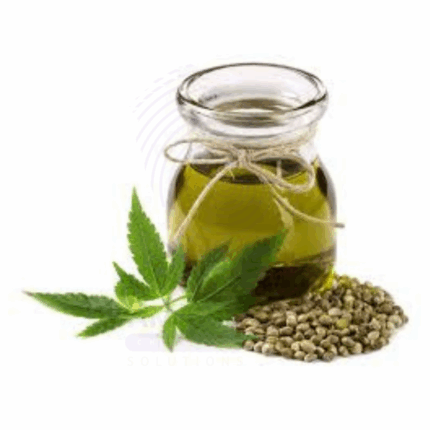
Hemp Seed Oil
Hemp Seed Oil is a cold-pressed oil extracted from the seeds of the Cannabis sativa plant. Unlike CBD or THC oils, hemp seed oil contains no cannabinoids and is valued for its rich content of essential fatty acids, including omega-3 and omega-6, as well as antioxidants and vitamins A, C, and E. It has a light to dark green color and a mild, nutty aroma.
Due to its highly moisturizing, anti-inflammatory, and skin-rejuvenating properties, it is widely used in skincare, haircare, pharmaceuticals, and nutritional supplements. It also finds applications in paints, lubricants, and industrial formulations thanks to its stability and bio-based origin.
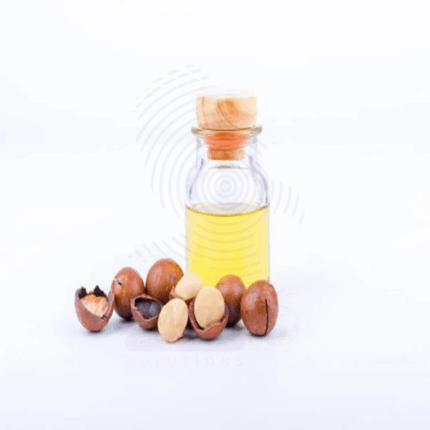
Macadamia Nut Oil
Macadamia Nut Oil is a rich, golden, cold-pressed oil extracted from the nuts of the Macadamia integrifolia tree. Known for its high content of monounsaturated fatty acids—particularly oleic and palmitoleic acid—it closely resembles the natural oils found in human skin. It is lightweight, non-greasy, and easily absorbed, making it ideal for cosmetic, personal care, and culinary applications.
Highly emollient and nourishing, Macadamia Nut Oil is used in skincare, haircare, massage blends, and anti-aging formulations. Its oxidative stability also makes it suitable for use in food products, including cooking oils and dressings. It provides deep moisturization, improves skin elasticity, and protects against environmental stressors.

Passion Liquid Flavor
Passion Liquid Flavor is a concentrated, vibrant flavoring agent designed to impart the sweet and tangy taste of passion fruit in food and beverage products. This high-quality liquid flavor is formulated for excellent solubility and stability in various aqueous and non-aqueous food systems. It is widely used in confectionery, beverages, dairy products, bakery, and snacks to deliver a natural tropical fruit flavor profile. Manufactured following stringent food safety standards, Passion Liquid Flavor ensures consistent taste, purity, and compliance with regulatory requirements for food-grade ingredients.
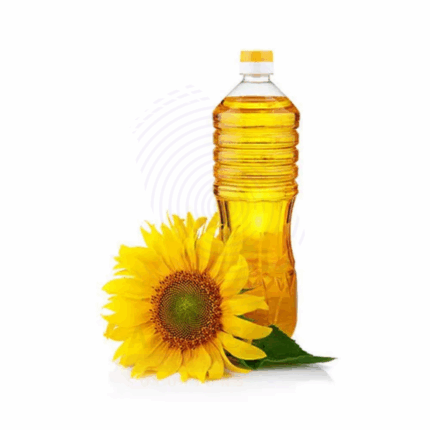
Sunflower Oil
Sunflower Oil is a versatile vegetable oil extracted from the seeds of Helianthus annuus, native to North America but now cultivated globally. It is commonly obtained through cold pressing or refining and is valued for its light texture, neutral scent, and high content of essential fatty acids—particularly linoleic and oleic acids—as well as natural tocopherols (vitamin E). With excellent antioxidant, emollient, and anti-inflammatory properties, Sunflower Oil is widely used in food products, skincare formulations, hair care, massage therapies, and pharmaceutical preparations. Its ability to nourish and protect the skin barrier makes it a key ingredient across both wellness and industrial markets.
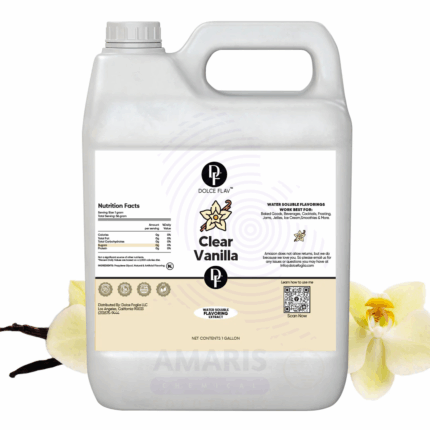
Vanilla Liquid Flavour (Clear)
Vanilla Liquid Flavour (Clear) is a transparent, food-grade liquid flavoring that imparts a smooth, sweet, and creamy vanilla essence without altering the color of the final product. Its excellent solubility in aqueous systems makes it ideal for use in beverages, dairy, baked goods, and confectionery where clarity is essential. This flavor is known for its consistent aroma, purity, and stability across various processing conditions. Manufactured under strict food safety standards, it offers reliable performance and enhances sensory appeal without compromising product appearance.












